Wartungsanforderungen für Aluminium-Strangpressprofile?

Aluminum extrusions are known for durability — but does that mean they’re maintenance-free?
No, aluminum extrusions need regular maintenance to stay effective. Cleaning, inspecting, and protecting the surface helps prevent corrosion, staining, and long-term damage.
Understanding how to care for anodized, painted, or raw aluminum ensures safety, longevity, and appearance. Neglect, even with aluminum, can lead to serious problems.
What maintenance is needed for anodized extrusions?
Anodized aluminum is tough. But tough doesn’t mean invincible. It still needs basic care, especially in outdoor settings.
Routine maintenance for anodized extrusions includes mild cleaning with non-abrasive products, avoiding harsh chemicals, and inspecting for surface wear every 6 to 12 months.
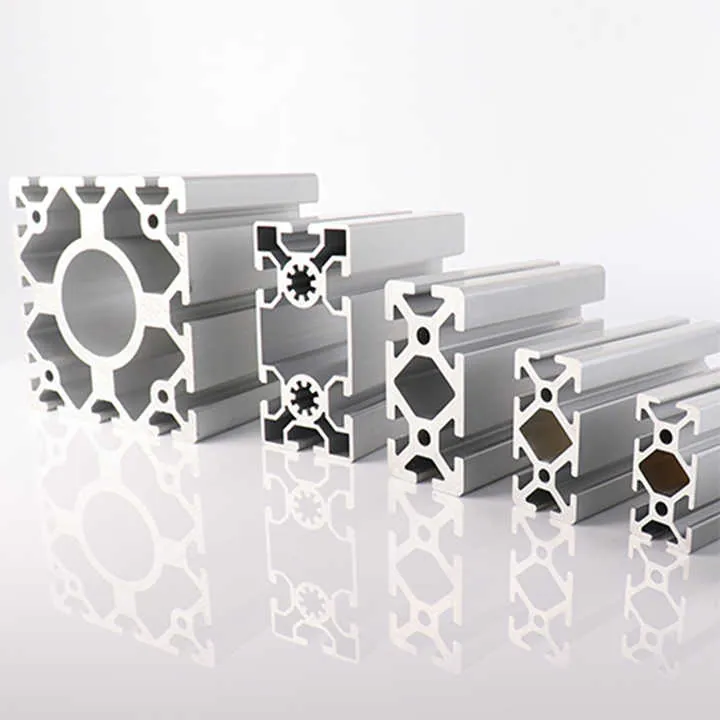
The anodizing process creates a protective oxide layer. This layer resists corrosion and weathering but can still be damaged by pollution, salt, or scratches. Simple cleaning helps preserve its appearance and protective qualities.
Recommended Cleaning Steps
- Use soft water or mild soap with a sponge or cloth.
- Avoid alkaline cleaners like ammonia or bleach.
- Do not scrub with steel wool or metal brushes.
- Gründlich ausspülen to prevent residue buildup.
- Dry completely to avoid water spots.
Suggested Cleaning Frequency by Environment
| Umwelt | Häufigkeit der Reinigung |
|---|---|
| Urban | Alle 6 Monate |
| Küstengebiete | Every 3–4 months |
| Industriell | Alle 3 Monate |
| Rural | Jährlich |
Inspect for the Following
- Verblassen oder Auskreiden
- Surface pitting or stains
- Discoloration due to pollutants
- Signs of corrosion around joints
Mild aluminum-specific protectants can be used to extend finish life, but they must be non-acidic and compatible with anodized layers.
Anodized aluminum extrusions still require regular cleaning to prevent damage.Wahr
Contaminants like salt and pollutants can degrade the anodized surface over time.
It is safe to clean anodized aluminum with ammonia-based cleaners.Falsch
Ammonia can damage the anodized layer, reducing its protective performance.
How often should outdoor profiles be cleaned?
Many assume aluminum doesn’t need cleaning because it doesn’t rust. That assumption leads to unnecessary damage.
Outdoor aluminum profiles should be cleaned at least twice a year, more often in polluted or coastal environments where salt and dirt accumulate quickly.
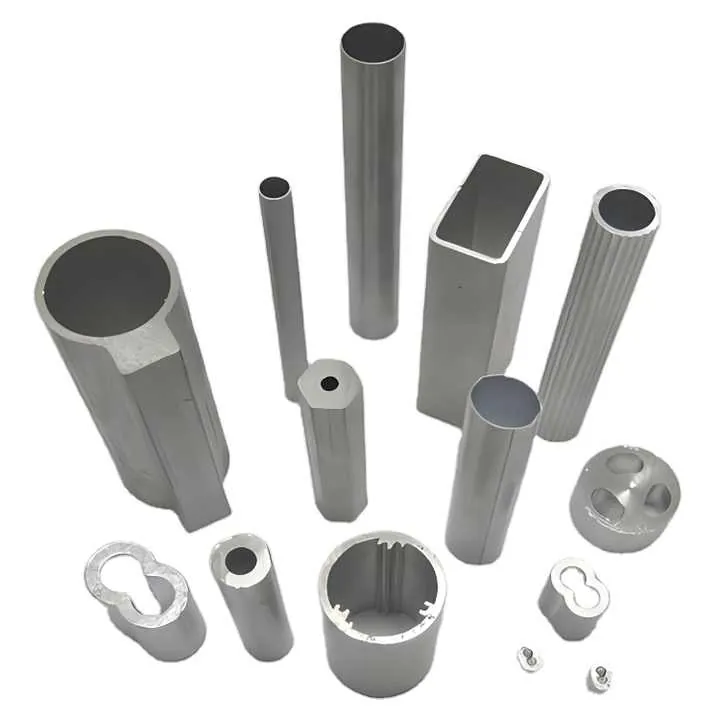
Without cleaning, dirt traps moisture and pollutants on the surface. This slowly wears down even anodized or coated finishes.
Cleaning Frequency Guide
| Profile Location | Minimum Frequency |
|---|---|
| Seaside Balconies | Alle 3 Monate |
| Gebäudefassaden | Twice a year |
| Rahmen für Solarmodule | Twice a year |
| Industrial Sites | Vierteljährlich |
Why Regular Cleaning Matters
- Removes salt and acids: Especially near oceans or factories.
- Prevents stains: Especially in joints or crevices.
- Preserves coatings: Reduces oxidation, chalking, or fading.
- Improves appearance: Keeps installations looking clean and professional.
Tools to Use
- Microfiber cloths
- Neutral pH detergent
- Soft bristle brush
- Hose or low-pressure water spray
Heavy-duty equipment like pressure washers or acidic cleaners should be avoided. They can damage finishes and force water into hidden joints.
Best Practice Tips
- Clean early morning or late afternoon to avoid sun drying streaks.
- Test cleaning product on a hidden area first.
- Document cleaning schedule for long-term project records.
Outdoor aluminum profiles should be cleaned at least twice per year.Wahr
Regular cleaning reduces buildup of harmful pollutants and prolongs finish life.
Aluminum extrusions in urban areas only need cleaning every 3 years.Falsch
Urban pollutants accumulate faster, requiring more frequent cleaning — at least every 6 months.
Are certain finishes more maintenance-friendly?
Choosing the right finish can reduce long-term cleaning and maintenance costs. Some finishes naturally resist buildup and damage better than others.
Yes, finishes like anodizing and powder coating are more resistant to environmental damage, requiring less frequent and gentler maintenance.

Comparing Common Finishes
| Ausführung Typ | Wartungsbedarf | Bewertung der Dauerhaftigkeit | Kommentare |
|---|---|---|---|
| Eloxieren | Gering bis mäßig | ★★★★☆ | Best balance of appearance and protection |
| Pulverbeschichtung | Mäßig | ★★★★☆ | Color variety, UV resistant |
| Oberfläche fräsen | Hoch | ★★☆☆☆ | Requires sealing or regular upkeep |
| PVDF-Beschichtung | Niedrig | ★★★★★ | Best for UV-heavy environments |
| Elektrophorese | Mäßig | ★★★☆☆ | Smooth finish, needs regular cleaning |
Finish-Specific Advice
- Anodized profiles: Needs basic cleaning. Avoid alkaline cleaners.
- Pulverbeschichtet: Resists stains but can chalk over time.
- Mill finish (uncoated): Prone to discoloration. Needs regular washing and sealing.
- PVDF-coated: Most UV-resistant, low maintenance.
- Electrophoretic: Looks glossy but more sensitive to scratches.
Long-Term Maintenance Effort
| Ausführung Typ | Häufigkeit der Wartung |
|---|---|
| Eloxieren | Alle 6-12 Monate |
| Pulverbeschichtung | Alle 6 Monate |
| Oberfläche fräsen | Alle 3 Monate |
| PVDF | Jährlich |
| Elektrophorese | Every 6–9 months |
In high-end architectural use, PVDF is preferred for its longevity. For industrial or solar projects, anodized or powder-coated aluminum offers a good balance between cost and maintenance effort.
PVDF coatings require less frequent maintenance than mill finish aluminum.Wahr
PVDF has superior resistance to UV and stains, making it easier to maintain.
Unfinished aluminum is easier to maintain than anodized aluminum.Falsch
Raw aluminum needs frequent cleaning and is more prone to corrosion and staining.
Can poor maintenance affect structural integrity?
People often treat maintenance as cosmetic. But when aluminum goes unchecked, even structural safety can be at risk.
Yes, poor maintenance can allow corrosion and joint degradation, especially in exposed load-bearing extrusions, leading to long-term structural failure.

Aluminum doesn’t rust like steel, but it can suffer from pitting, galvanische Korrosion, oder crevice corrosion when pollutants build up. This is especially true in areas where profiles are bolted, welded, or in contact with dissimilar metals.
Signs of Structural Risk
- Visible cracks or deformation
- Powdery white corrosion marks
- Loosened fasteners or warping
- Clogged drainage inside hollow profiles
- Metal fatigue near joints
Where It Happens Most
- Balconies
- Window/door frames
- Vorgehängte Wände
- Solar frames in coastal zones
When salt builds up inside joints or between profiles and fasteners, it starts eating away at the internal surfaces. Over time, this weakens joints and reduces load capacity.
Example Failures from Neglect
- Coastal solar structures collapsing due to internal corrosion
- Curtain walls loosening from anchor degradation
- Industrial supports failing due to unseen internal wear
Preventive Action
- Inspect load-bearing profiles annually
- Clean all water drainage paths
- Apply sealant in joints if necessary
- Use isolating washers with dissimilar metals
Early detection is key. Visual checks during regular maintenance help spot small issues before they cause large failures.
Poor maintenance can lead to structural failure in aluminum extrusions.Wahr
Corrosion and joint degradation weaken structural performance, especially in exposed or load-bearing applications.
Aluminum's natural corrosion resistance eliminates the need for inspections.Falsch
Routine checks are essential to detect hidden or internal damage that can affect safety.
Schlussfolgerung
Aluminum extrusions last long, but they aren’t maintenance-free. Clean regularly, inspect surfaces, and choose low-maintenance finishes to ensure long-term performance. Poor care may affect not just looks — but structure and safety too.