Anforderungen an die Haftfestigkeit von Aluminium-Strangpressbeschichtungen?

Beschichtungen versagen häufiger wegen schlechter Haftung als wegen schlechter Materialwahl. Abblättern, Blasenbildung und Abplatzungen treten in der Regel nach der Installation auf. Viele Käufer konzentrieren sich auf die Dicke und Farbe der Beschichtung. Die Haftung wird zu spät geprüft.
Die Haftung von Aluminium-Strangpressbeschichtungen hängt von der Oberflächenbeschaffenheit, der Vorbereitungsmethode, dem Beschichtungstyp und den zur Überprüfung der Haftfestigkeit verwendeten Prüfstandards ab.
Bei realen Projekten führen Haftungsprobleme zu Nacharbeiten, Verzögerungen und Kundenbeschwerden. In diesem Artikel wird erklärt, welche Haftungsstandards gelten, wie die Haftung getestet wird, warum die Vorreinigung wichtig ist und welche Beschichtungen am besten auf eloxiertem Aluminium haften.
Welche Haftungsnormen gelten für Beschichtungen?
Viele Beschichtungsmängel sind auf unklare Normen zurückzuführen. Ohne definierte Haftungskriterien beurteilen Lieferanten und Käufer die Qualität unterschiedlich. Das führt zu Streitigkeiten.
Die Haftung von Beschichtungen auf Aluminium-Strangpressprofilen wird in der Regel durch Kreuzschlitz-, Abzieh- oder Biegetests nach ISO- und ASTM-Methoden definiert.

Warum Adhäsionsnormen erforderlich sind
Adhäsionsnormen geben eine gemeinsame Sprache vor. Sie definieren, wie viel Kraft oder Schaden akzeptabel ist, bevor es zu einem Versagen kommt. Ohne Normen wird die Prüfung subjektiv.
Normen helfen:
- Lieferanten vergleichen
- Grenzwerte für Bestehen oder Nichtbestehen festlegen
- Verringerung von Qualitätsstreitigkeiten
Sie geben auch Hinweise zur Einrichtung der Beschichtungsanlage und zur Oberflächenvorbereitung.
Häufig referenzierte Normen
Die meisten industriellen Aluminiumbeschichtungen folgen einer kleinen Gruppe von Normen.
| Standard | Test Typ | Typische Verwendung |
|---|---|---|
| ASTM D3359 | Kreuzschraffur | Pulverbeschichtung |
| ISO 2409 | Querschneiden | Eloxiert oder lackiert |
| ASTM D4541 | Abziehen | Hochwertige Beschichtungen |
Diese Normen sind allgemein anerkannt und leicht zu überprüfen.
Wie Normen in Aufträgen festgelegt werden
In einer guten Bestellung steht nicht nur “gute Haftung”. Sie spezifizieren:
- Prüfverfahren
- Akzeptanzklasse oder Rating
- Ort und Häufigkeit der Prüfung
Für Bautenanstriche wird zum Beispiel häufig die Schraffurklasse 0 oder 1 verlangt.
Praktische Probleme in den Fabriken
In der Praxis kann die Adhäsion innerhalb eines Profils variieren. Ecken, Schweißnähte und dicke Profile verhalten sich unterschiedlich.
Aus diesem Grund sollten ernsthafte Käufer:
- Definieren Sie kritische Testbereiche
- Routinemäßige Audits in der Linie vorschreiben
- Aufzeichnungen pro Charge führen
Dieser Ansatz reduziert zufällige Ausfälle nach der Auslieferung.
Die Haftfestigkeit von Beschichtungen wird in der Regel anhand von ASTM- und ISO-Testnormen bewertet.Wahr
Diese Normen legen anerkannte Methoden und Bewertungen für die Haftung fest.
Es gibt keine offiziellen Normen für die Haftung von Beschichtungen auf Aluminium-Strangpressprofilen.Falsch
Mehrere internationale Normen sind weit verbreitet.
Wie wird die Haftung auf extrudierten Oberflächen geprüft?
Die Prüfung der Adhäsion ist nicht kompliziert. Dennoch führt eine falsche Prüfung zu falschen Schlussfolgerungen. Die Auswahl der Methode muss auf den Beschichtungstyp und die Anwendung abgestimmt sein.
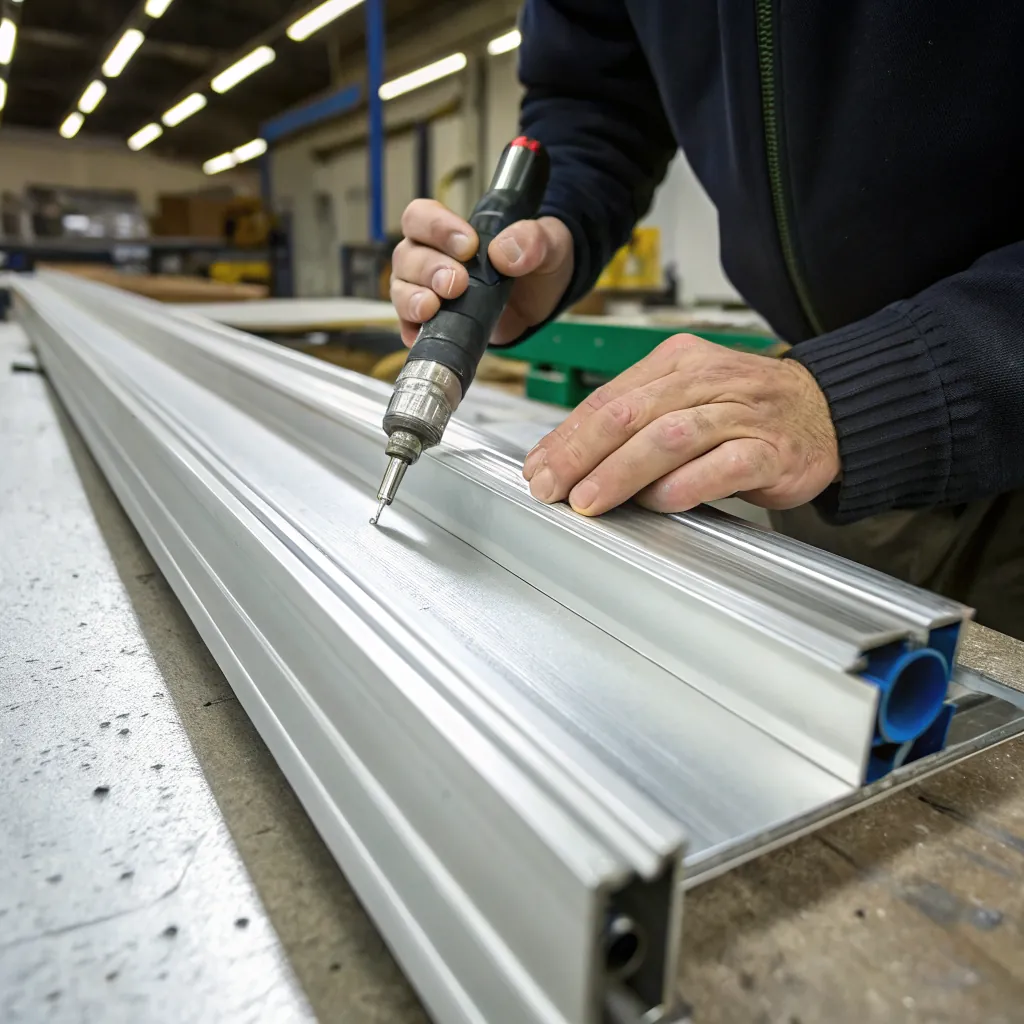
Die Haftung auf Aluminium-Strangpressprofilen wird durch mechanische Beanspruchung der Beschichtung durch Schneiden, Ziehen, Biegen oder Schlagen geprüft.
Kreuzschraffur und Kreuzschnittprüfung
Dies ist die häufigste Methode. Ein Gitter wird durch die Beschichtung auf das Substrat geschnitten. Das Klebeband wird angebracht und entfernt.
Das Ergebnis wird danach bewertet, wie viel Beschichtung sich ablöst.
Vorteile:
- Schnell
- Geringe Kosten
- Leicht zu wiederholen
Beschränkungen:
- Beschädigung der Oberfläche
- Subjektive Kantenbewertung
Abzugstest
Beim Abziehversuch wird die tatsächliche Kraft gemessen, die zum Ablösen einer Beschichtung erforderlich ist. Ein Dolly wird auf die Oberfläche geklebt und senkrecht gezogen.
Diese Methode liefert numerische Werte. Sie ist nützlich für dicke oder kritische Beschichtungen.
Allerdings:
- Sie beschädigt das Teil
- Oberflächenvorbereitung beeinflusst die Leimfestigkeit
- Nicht geeignet für dünne dekorative Schichten
Biege- und Verformungstests
Einige Strangpressprofile werden nach der Beschichtung gebogen oder verformt. Bei Biegeversuchen wird geprüft, ob die Beschichtung während der Verformung reißt oder abblättert.
Diese Tests sind üblich in:
- Automobilteile
- Frames mit Nachbearbeitung
Die Wahl des richtigen Tests
| Prüfverfahren | Am besten für | Nicht ideal für |
|---|---|---|
| Kreuzschraffur | Pulverbeschichtung | Sehr dicke Filme |
| Abziehen | Hochbelastbare Beschichtungen | Dünne dekorative Veredelungen |
| Biegetest | Geformte Profile | Starre Strukturen |
Die Tests sollten reale Betriebsbedingungen widerspiegeln.
Bei der Kreuzschraffurprüfung wird die Haftung der Beschichtung durch Schneiden und Entfernen des Klebebands überprüft.Wahr
Bei dieser Methode wird die Haftung der Beschichtung durch Beobachtung der Ablösung bewertet.
Die Abziehversuche beschädigen das Aluminium-Strangpressprofil nicht.Falsch
Sie schädigen den getesteten Bereich dauerhaft.
Kann eine Vorreinigung die Haftung der Beschichtung verbessern?
Schlechte Haftung beginnt oft schon vor der Beschichtung. Oberflächenverunreinigungen blockieren die Haftung. Viele Fehler entstehen durch das Auslassen oder Verkürzen von Reinigungsschritten.
Eine ordnungsgemäße Vorreinigung verbessert die Haftung der Beschichtung erheblich, indem Öle, Oxide und Rückstände von den Aluminium-Strangpressoberflächen entfernt werden.
Quellen der Oberflächenkontamination
Strangpressen verlassen die Presse mit Rückständen. Die Handhabung fügt noch mehr hinzu.
Zu den üblichen Verunreinigungen gehören:
- Schmiermittel für die Extrusion
- Schneidöle
- Fingerabdrücke
- Natürliche Oxidschichten
Selbst sauber aussehende Oberflächen können die Haftung blockieren.
In der Industrie verwendete Vorreinigungsmethoden
Vor der Beschichtung sind mehrere Reinigungsschritte üblich.
Entfettung
Durch alkalische oder lösungsmittelhaltige Entfettung werden Öle und organische Stoffe entfernt.
Ätzen
Durch saures oder alkalisches Ätzen werden Oberflächenoxide entfernt und eine Mikrorauheit erzeugt.
Konversionsbeschichtung
Chromat- oder chromfreie Systeme verbessern die chemische Bindung zwischen Aluminium und Beschichtung.
Einfluss der Reinigung auf die Haftungsergebnisse
In der Produktion verbessert eine ordnungsgemäße Reinigung die Ergebnisse der Kreuzschraffur oft um eine oder zwei Klassen. Außerdem wird dadurch die langfristige Delaminierung verringert.
| Reinigungsstufe | Typisches Klebeergebnis |
|---|---|
| Minimal wischen | Schlecht bis mittelmäßig |
| Nur Entfetten | Messe |
| Vollständige Vorbehandlung | Gut bis ausgezeichnet |
Dies zeigt, warum sich Investitionen in die Vorbehandlung auszahlen.
Häufig auftretende Fehler bei Projekten
Einige Käufer verlangen eine kostengünstige Beschichtung und verzichten auf eine Vorbehandlung. Das erste Erscheinungsbild sieht gut aus. Nach Monaten treten Mängel auf.
Zu den bewährten Verfahren gehören:
- Auditierung von Vorbehandlungslinien
- Kontrolle der chemischen Konzentration
- Überwachung der Spülwasserqualität
Diese Kontrollen schützen die Konsistenz der Verklebung.
Die Vorreinigung der Oberfläche verbessert die Haftung der Beschichtung auf Aluminium-Strangpressprofilen.Wahr
Es entfernt Verunreinigungen und verbessert die Haftung.
Die Haftung der Beschichtung wird durch Oberflächenverunreinigungen nicht beeinträchtigt.Falsch
Verunreinigungen verhindern eine ordnungsgemäße Verklebung.
Welche Beschichtungen haften am besten auf eloxiertem Aluminium?
Eloxiertes Aluminium hat eine stabile Oxidschicht. Diese Schicht verbessert die Korrosionsbeständigkeit. Sie verändert auch die Art und Weise, wie Beschichtungen haften.
Beschichtungen, die sich chemisch oder mechanisch in die Poren des eloxierten Aluminiums einbinden, zeigen die besten Haftungseigenschaften.

Art der anodisierten Oberflächen
Beim Eloxieren entsteht eine poröse Oxidstruktur. Diese Poren können Farbstoffe oder Dichtungsmittel aufnehmen. Sie beeinträchtigen auch die Haftung der Beschichtung.
Unversiegeltes Eloxieren ermöglicht eine bessere mechanische Verankerung. Vollständig versiegelte Oberflächen verringern die Adhäsion.
Übliche Beschichtungen für anodisiertes Aluminium
Nicht alle Beschichtungen verhalten sich gleich.
| Art der Beschichtung | Haftung auf anodisierter Oberfläche |
|---|---|
| Pulverbeschichtung | Gut bei richtiger Vorbereitung |
| Epoxidfarbe | Sehr gut |
| Acrylfarbe | Mittel |
| Auf Silikonbasis | Schlecht |
Diese Tabelle hilft bei der Auswahl der Beschichtung.
Vorbereitung vor der Beschichtung anodisierter Teile
Leichtes Abschleifen oder chemische Aktivierung verbessert die Haftung. Reinigung allein ist oft nicht genug.
In der realen Produktion:
- Leichte Sweep-Strahlung wird verwendet
- Chemische Aktivierung öffnet Poren
- Überversiegelung wird vermieden
Lehren aus den Anwendungen vor Ort
Projekte scheitern, wenn eloxierte Teile ungeprüft beschichtet werden. Es wird angenommen, dass die Oxidschicht hilft. In Wirklichkeit kann sie die Haftung verringern, wenn sie versiegelt wird.
Eine klare Kommunikation zwischen Eloxal- und Beschichtungsverfahren ist entscheidend. Die Prozesskompatibilität muss vor der Massenproduktion überprüft werden.
Poröse anodisierte Oberflächen können die mechanische Verankerung von Beschichtungen verbessern.Wahr
Offene Poren ermöglichen eine bessere Bindung.
Alle Beschichtungen haften gleich gut auf versiegeltem, eloxiertem Aluminium.Falsch
Die Versiegelung verringert die Haftung vieler Beschichtungen.
Schlussfolgerung
Die Haftung von Beschichtungen auf Aluminium-Strangpressprofilen hängt von klaren Standards, korrekten Tests, ordnungsgemäßer Vorreinigung und der Kompatibilität der Beschichtung ab. Die frühzeitige Festlegung von Haftungsanforderungen hilft, Abblättern, Nacharbeit und langfristige Ausfälle zu vermeiden.