


Umweltkonformitätsanforderungen für Aluminiumstrangpressprofile?

Umweltvorschriften sind nicht mehr freiwillig. Viele Aluminiumkäufer sehen sich mit blockierten Lieferungen, abgelehnten Audits und steigenden Kosten konfrontiert. Die meisten dieser Probleme beginnen mit einer unzureichenden Planung der Einhaltung der Vorschriften in der Strangpressphase.
Die Einhaltung von Umweltauflagen bei der Aluminiumextrusion bedeutet, dass während des gesamten Produktionsprozesses die gesetzlichen, kunden- und marktspezifischen Anforderungen in Bezug auf Emissionen, Abfall, Energieverbrauch und Materialbeschaffung erfüllt werden.
Die Nichtbeachtung dieser Anforderungen birgt langfristige Risiken. Wer die Regeln frühzeitig versteht, kann Verzögerungen, Strafen und den Verlust von Kunden auf den globalen Märkten vermeiden.
Welche Umweltvorschriften betreffen die Aluminiumextrusion?
Viele Extrusionsprojekte scheitern bei Audits nicht an der Qualität, sondern an den fehlenden Unterlagen zur Einhaltung der Vorschriften. Die Vorschriften sind je nach Region unterschiedlich, aber der Druck ist global.
Die für die Aluminiumextrusion geltenden Umweltvorschriften konzentrieren sich auf Luftemissionen, Abwassereinleitungen, Abfallbehandlung und Energieverbrauch und enthalten strenge Berichts- und Kontrollvorschriften.

Das Strangpressen von Aluminium ist ein energieintensiver und chemiebezogener Prozess. Die Regierungen behandeln es als eine kontrollierte industrielle Tätigkeit. Sogar kleine Hersteller stehen jetzt auf dem Prüfstand.
Luftemissionsvorschriften
Extrusionsanlagen erzeugen Emissionen aus:
- Gasbefeuerte Knüppelheizungen
- Alternde Öfen
- Linien zur Oberflächenbehandlung
Zu den häufig regulierten Stoffen gehören Stickoxide, Schwefeloxide und Partikel. In vielen Regionen sind Abgasfiltration und Emissionsüberwachung vorgeschrieben.
Ein Versäumnis bei der Kontrolle von Luftemissionen kann zu folgenden Konsequenzen führen:
- Geldbußen
- Grenzen der Produktion
- Erzwungene Abschaltungen
Vorschriften für die Abwassereinleitung
Bei der Oberflächenbehandlung entstehen alkalische und saure Abwässer. Dieses Wasser enthält oft:
- Aluminium-Ionen
- Schwermetalle
- Chemische Zusatzstoffe
Die Grenzwerte für die Ableitung sind streng. In den meisten Regionen müssen die Abwässer vor der Einleitung neutralisiert und gefiltert werden. In einigen Gebieten sind einleitungsfreie Systeme vorgeschrieben.
Verwaltung fester Abfälle
Bei der Extrusion fallen Abfälle, Schlämme und verbrauchte Chemikalien an. Die Umweltvorschriften verlangen:
- Klassifizierte Speicherung
- Zugelassene Entsorgungspartner
- Rückverfolgbare Abfallnachweise
Unsachgemäße Entsorgung ist einer der schnellsten Wege, um bei einer Prüfung durchzufallen.
Energie- und Kohlenstoffvorschriften
In vielen Ländern gibt es inzwischen Vorschriften zur Energieeffizienz und zur Kohlenstoffbilanzierung. Das Strangpressen von Aluminium wird häufig als energieintensiver Prozess aufgeführt.
Die Anforderungen können umfassen:
- Energie-Audits
- Berichte über den ökologischen Fußabdruck
- Kürzungspläne
Typische regulierte Bereiche
| Regulierungsbereich | Hauptthema | Risiko bei Nichtbeachtung |
|---|---|---|
| Luftemissionen | Gase und Staub | Geldbußen, Abschaltung |
| Abwasser | pH-Wert, Metalle | Lizenzverlust |
| Feste Abfälle | Schlammbehandlung | Rechtliche Schritte |
| Energieeinsatz | Wirkungsgrad | Kohlenstoff-Sanktionen |
Die Umweltvorschriften sind nicht statisch. Die Einkäufer verlangen von ihren Lieferanten zunehmend die Einhaltung höherer Standards als der lokalen Gesetze.
Die Aluminiumextrusion unterliegt in den meisten Industrieregionen Vorschriften für Emissionen, Abwässer und den Energieverbrauch.Wahr
Bei der Extrusion kommen Hitze und Chemikalien zum Einsatz, so dass sie unter Umweltkontrollbedingungen erfolgt.
Umweltvorschriften gelten nur für das Schmelzen von Aluminium, nicht für das Strangpressen.Falsch
Auch Extrusionsanlagen erzeugen Emissionen und Abfälle, die reguliert werden.
Wie beeinflussen Recycling-Vorschriften die Wahl der Legierung?
Recyclingvorschriften bestimmen heute mehr denn je die Auswahl von Legierungen. Die Käufer übersehen diesen Zusammenhang oft, bis Probleme auftreten.
Recyclingvorgaben beeinflussen die Wahl der Legierung, indem sie den Gehalt an Verunreinigungen begrenzen und Legierungen bevorzugen, die ohne Einbußen bei Leistung oder Oberflächenqualität recycelte Bestandteile vertragen.

Viele Länder verlangen einen Mindestanteil an recyceltem Aluminium. Dies verändert das Verhalten der Legierungen beim Strangpressen und bei der Endbearbeitung.
Anforderungen an den rezyklierten Inhalt
Zu den gängigen Mandaten gehören:
- Mindestanteil an recyceltem Material
- Berichterstattung über recycelte Quellen
- Nachweis der Rückverfolgbarkeit von Materialien
Diese Vorschriften zwingen die Hersteller zur Verwendung von Sekundäraluminium anstelle von Primäraluminium.
Auswirkungen auf die Legierungschemie
Recyceltes Aluminium enthält mehr Verunreinigungen. Dazu gehören Eisen, Kupfer und Zink. Bei der Konstruktion der Legierung muss dies berücksichtigt werden.
Einige Legierungen vertragen den recycelten Input besser als andere. Legierungen der Serie 6xxx werden häufig bevorzugt, da sie eine Anpassung der Verunreinigungen ermöglichen.
Kompromisse, die Käufer verstehen müssen
Die Verwendung von recyceltem Aluminium kann Auswirkungen haben:
- Oberflächengüte
- Qualität der Eloxierung
- Mechanische Konsistenz
Um sowohl den Anforderungen an das Recycling als auch an die Qualität gerecht zu werden, müssen die Hersteller die Prozesskontrolle verschärfen.
Eignung der Legierung unter Recyclingdruck
| Legierung Serie | Toleranz für rezyklierte Inhalte | Stabilität der Oberfläche |
|---|---|---|
| 6xxx | Hoch | Stabil |
| 5xxx | Mittel | Variabel |
| 2xxx | Niedrig | Instabil |
| 7xxx | Niedrig | Schlecht |
Die Wahl der falschen Legierung kann zu hohen Ausschussraten und Kundenbeschwerden führen.
Dokumentation und Rückverfolgbarkeit
Recyclingvorgaben verlangen oft einen Nachweis. Dies schließt ein:
- Materialzertifikate
- Lieferantenerklärungen
- Rückverfolgbarkeit der Chargen
Ohne Dokumentation werden Behauptungen über recycelte Inhalte zurückgewiesen.
In den realen Lieferketten bevorzugen die Abnehmer zunehmend Lieferanten, die Legierungen auf der Grundlage von recycelten Rohstoffen entwickeln, anstatt sie als nachträgliches Element zu behandeln.
Recyclingvorgaben drängen die Aluminiumstrangpresser zu Legierungen, die einen höheren Anteil an recyceltem Material vertragen.Wahr
Recyceltes Aluminium bringt Verunreinigungen mit sich, die nur bestimmte Legierungen verkraften können.
Der Gehalt an recyceltem Aluminium hat keinen Einfluss auf die Wahl der Legierung.Falsch
Der Gehalt an Verunreinigungen aus rezyklierten Quellen wirkt sich direkt auf das Verhalten der Legierung und die Oberflächenqualität aus.
Können die Emissionen bei Extrusionsprozessen minimiert werden?
Viele gehen davon aus, dass die Emissionen festgelegt sind. Das ist falsch. Prozesskontrolle und Investitionen machen einen echten Unterschied.
Die Emissionen bei der Aluminiumextrusion können durch Energieeffizienz, Modernisierung der Anlagen, Prozessoptimierung und geschlossene Abfallkreisläufe minimiert werden.
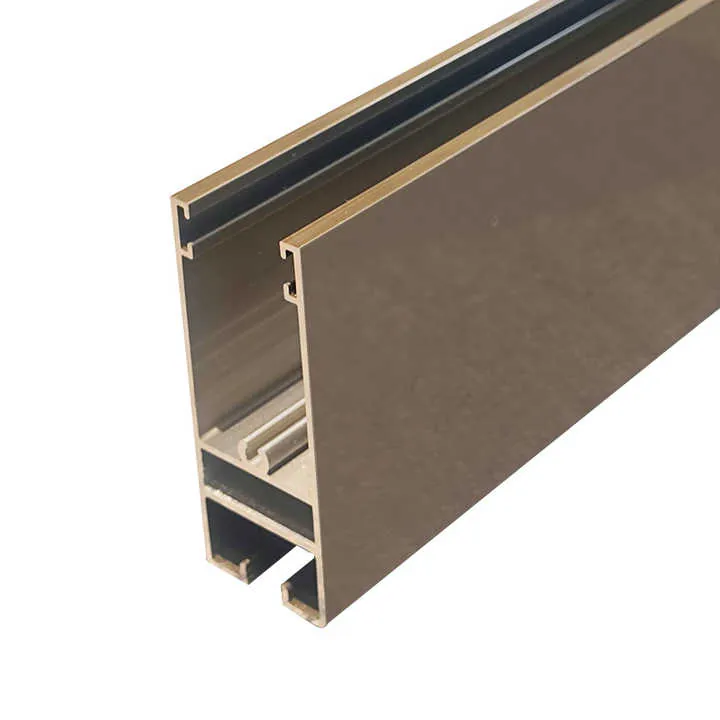
Die Reduzierung von Emissionen ist sowohl eine Umwelt- als auch eine Kostenstrategie. Energieeinsparungen machen sich oft bezahlt für Nachrüstungen.
Verbesserungen der Energieeffizienz
Der größte Teil des Energieverbrauchs entfällt auf die Erwärmung und Alterung der Knüppel. Die Verbesserungen umfassen:
- Hocheffiziente Brenner
- Bessere Isolierung
- Präzise Temperaturregelung
Selbst kleine Effizienzsteigerungen reduzieren den Kraftstoffverbrauch im Laufe der Zeit erheblich.
Prozessoptimierung
Stabile Extrusionsparameter reduzieren den Ausschuss. Weniger Ausschuss bedeutet:
- Weniger Umschmelzen
- Geringerer Energiebedarf
- Geringere Emissionen
Eine konsequente Werkzeugkonstruktion und Pressensteuerung spielen eine Schlüsselrolle.
Abwärmenutzung
Einige Anlagen gewinnen Wärme aus Abgassystemen zurück. Mit dieser Wärme können Knüppel vorgewärmt oder Gebäude beheizt werden.
Die Vorteile umfassen:
- Geringerer Kraftstoffverbrauch
- Geringere Emissionen
- Verbesserte Energiewerte
Emissionskontrolle bei der Oberflächenbehandlung
Chemieanlagen erzeugen Dämpfe. Zu den Kontrollmethoden gehören:
- Gekapselte Tanks
- Lokale Entlüftung
- Chemische Substitution
Diese Maßnahmen schützen sowohl die Arbeitnehmer als auch die Umwelt.
Übersicht über die Methoden zur Emissionsminderung
| Methode | Emissionstyp Reduziert | Ergebnis |
|---|---|---|
| Effiziente Brenner | CO2 | Geringerer Kraftstoffverbrauch |
| Reduzierung von Schrott | CO2 | Weniger Umschmelzen |
| Wärmerückgewinnung | CO2 | Wiederverwendung von Energie |
| Steuerung der Belüftung | Saure Dämpfe | Saubere Luft |
Die Reduzierung von Emissionen ist nicht mehr optional. Viele Einkäufer bewerten Lieferanten jetzt nach ihrer Umweltleistung.
Die Emissionen aus der Extrusion können durch Effizienz und Prozesskontrolle reduziert werden.Wahr
Energieverbrauch und Schrottrate wirken sich direkt auf die Emissionswerte aus.
Die Extrusionsemissionen können nicht mehr geändert werden, sobald das Gerät installiert ist.Falsch
Betriebliche Änderungen und Modernisierungen beeinflussen die Emissionen erheblich.
Welche Zertifizierung bestätigt die Einhaltung der Umweltvorschriften?
Behauptungen über die Einhaltung von Vorschriften erfordern einen Nachweis. Zertifizierungen liefern diesen Nachweis für Käufer und Regulierungsbehörden.
Die Einhaltung von Umweltauflagen bei der Aluminiumextrusion wird durch anerkannte Zertifizierungen überprüft, die Umweltmanagementsysteme und -leistungen kontrollieren.
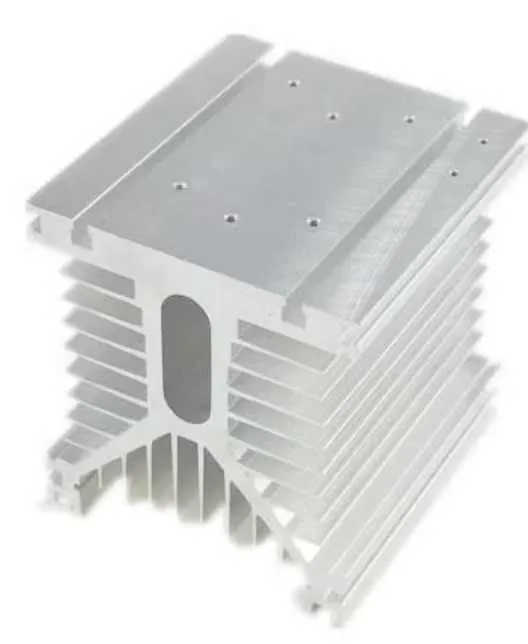
Zertifizierungen ersetzen nicht die Einhaltung von Rechtsvorschriften. Sie belegen, dass Systeme zur Bewältigung von Risiken vorhanden sind.
Zertifizierungen von Umweltmanagementsystemen
Die gängigste Zertifizierung erfordert:
- Definition der Politik
- Risikobewertung
- Kontinuierliche Verbesserung
Die Prüfer überprüfen die Dokumentation, die Bedingungen vor Ort und die Aufzeichnungen.
Produkt- und Materialdeklarationen
Einige Zertifizierungen konzentrieren sich auf Materialien. Diese verifizieren:
- Recycelter Inhalt
- Kontrolle der eingeschränkten Stoffe
- Rückverfolgbarkeit von Materialien
Sie werden häufig von Bau- und Automobilkäufern verlangt.
Standards für die Berichterstattung über Kohlenstoff und Energie
Kohlenstoffbezogene Zertifizierungen überprüfen:
- Methoden zur Emissionsberechnung
- Genauigkeit der Energiedaten
- Verpflichtungen zur Verringerung
Diese werden in Europa und Nordamerika zunehmend nachgefragt.
Gemeinsame Zertifizierungsrollen
| Art der Zertifizierung | Schwerpunktbereich | Wert für den Käufer |
|---|---|---|
| Ökologisches System | Prozesssteuerung | Vertrauen prüfen |
| Materialdeklaration | Legierungsgehalt | Regulatorische Zulassung |
| Kohlenstoff-Berichterstattung | Emissionen | Nachhaltigkeits-Scoring |
Warum Zertifizierungen für Käufer wichtig sind
Zertifizierungen verringern das Käuferrisiko. Sie:
- Audits vereinfachen
- Unterstützung der Angebotsqualifizierung
- Stärkung des Markenvertrauens
Ohne Zertifizierung werden selbst konforme Lieferanten skeptisch beäugt.
Langjährige Erfahrungen zeigen, dass zertifizierte Lieferanten stabilere und höherwertige Aufträge erhalten.
Umweltzertifizierungen sind ein verifizierter Nachweis für die Einhaltung der Vorschriften für Lieferanten von Aluminium-Strangpressprofilen.Wahr
Sie prüfen Systeme, Daten und Prozesse anhand anerkannter Standards.
Die Umweltzertifizierung ist optional und hat keinen Einfluss auf die Kaufentscheidung.Falsch
Viele Einkäufer verlangen die Zertifizierung als Voraussetzung für die Zulassung des Lieferanten.
Schlussfolgerung
Die Einhaltung von Umweltauflagen bei der Aluminiumextrusion hängt von der Beachtung von Vorschriften, der intelligenten Wahl von Legierungen, der Emissionskontrolle und einer verifizierten Zertifizierung ab. Eine frühzeitige Planung verringert das Risiko, senkt die Kosten und stärkt den langfristigen Marktzugang.


