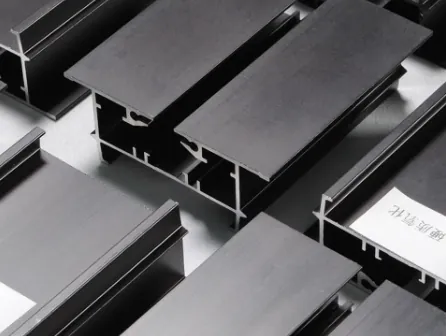
Toleranz bei Aluminiumstrangpressprofilen nach der Bearbeitung?
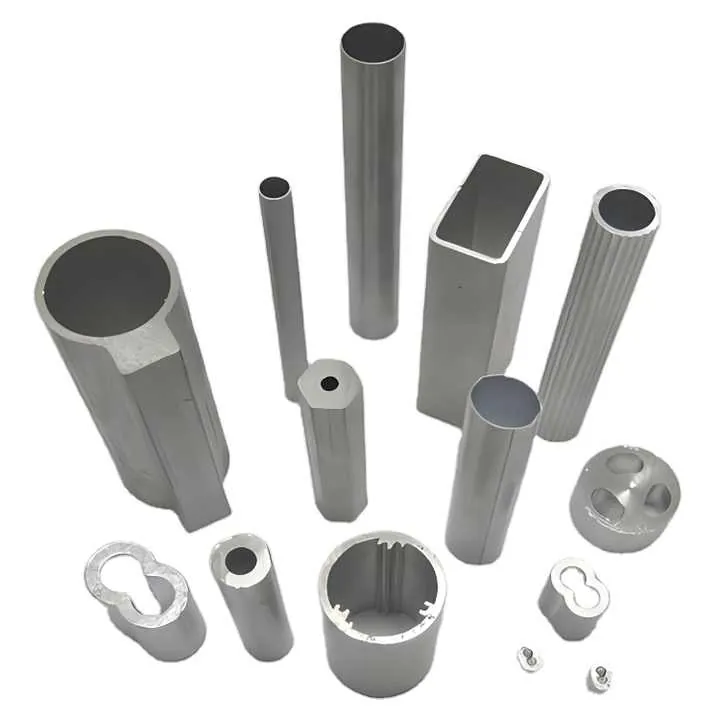
Bearbeitete Aluminium-Strangpressprofile fallen bei der Passformprüfung oft durch, weil die Käufer davon ausgehen, dass die Toleranz des Strangpressprofils der Endtoleranz entspricht. Diese Lücke verursacht Ausschuss, Verzögerungen und Kostenstress.
Nach der Bearbeitung hängt die Toleranz beim Strangpressen von Aluminium von der Strangpressklasse, der Bearbeitungsmethode, der Teilegröße und der Prüfkontrolle ab. Mit dem richtigen Verfahren können enge und stabile Toleranzen erreicht werden.
Viele Käufer hören bei der Extrusionsnorm auf zu lesen. Das ist riskant. Die eigentliche Antwort beginnt, nachdem der Fräser das Profil berührt hat.
Welche Toleranzwerte sind typisch für die Nachbearbeitung?
Die maschinelle Bearbeitung von Aluminium-Strangpressprofilen verringert die Maßabweichungen, beseitigt aber nicht alle Grenzen. Die endgültige Toleranz hängt davon ab, wie viel Material entfernt wird, wo es entfernt wird und wie stabil das Teil während des Schneidens bleibt.
Für die meisten CNC-bearbeiteten Aluminium-Strangpressprofile liegen die typischen linearen Toleranzen zwischen +/-0,05 mm und +/-0,10 mm. Engere Toleranzen sind bei kritischen Merkmalen mit kontrollierten Aufspannungen möglich.
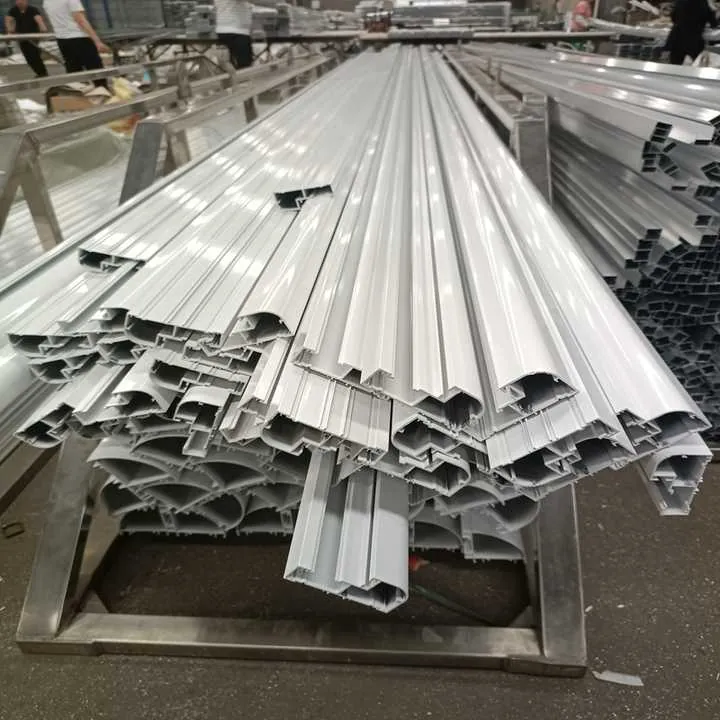
Warum Extrusionstoleranz immer noch wichtig ist
Das Strangpressen ist der Ausgangspunkt. Auch nach der Bearbeitung beeinflusst die ursprüngliche Form das Ergebnis. Wenn das Strangpressprofil eine Verdrehung, einen Bogen oder eine Wandabweichung aufweist, muss die Bearbeitung dies korrigieren. Die Korrektur erfordert zusätzliche Schnitte und eine stabile Halterung.
Gängige Extrusionsnormen wie ISO und EN erlauben größere Toleranzen als bei der maschinellen Bearbeitung erforderlich. Das bedeutet, dass bei der maschinellen Bearbeitung oft mehr Material abgetragen wird, nur um die Oberfläche zu säubern. Das erhöht den Zeit- und Kostenaufwand.
Typische Toleranzbereiche nach der Bearbeitung
Nachfolgend finden Sie eine einfache Übersicht, die auf realen Produktionsfällen basiert.
| Merkmalstyp | Typische Toleranz |
|---|---|
| Gesamtlänge | +/-0,10 mm |
| Gefräste Schlitzbreite | +/-0,05 mm |
| Position der Bohrung | +/-0,05 mm |
| Ebenheit nach dem Planfräsen | 0,05 bis 0,10 mm |
Diese Werte setzen eine gute Befestigung und eine normale Teilegröße voraus. Bei sehr langen Profilen oder dünnen Wänden sind unter Umständen weniger strenge Grenzwerte erforderlich.
Material und Stressabbau
Aluminium setzt beim Schneiden innere Spannungen frei. Dies kann nach der Grobbearbeitung zu leichten Bewegungen führen. Bei langen oder dünnen Teilen wirkt sich diese Bewegung auf die Endgröße aus.
Um dies zu kontrollieren, wird häufig zuerst eine Vorbearbeitung durchgeführt. Das Teil ruht. Dann wird die Endbearbeitung durchgeführt. Diese zweistufige Methode verbessert die Stabilität.
Gleichgewicht zwischen Kosten und Toleranz
Eine engere Toleranz bedeutet mehr Zeit, mehr Kontrollen und höhere Kosten. Viele Entwürfe verlangen enge Grenzen für alle Merkmale. Das ist aber nicht nötig.
Besser ist es, die Toleranz nur dort zu verringern, wo sie für die Funktion erforderlich ist. Andere Bereiche können breiter bleiben.
Typische Toleranzen für die Nachbearbeitung von CNC-gefertigten Aluminium-Strangpressprofilen liegen in der Regel zwischen plus/minus 0,05 und 0,10 mm.Wahr
Dieser Bereich entspricht den üblichen CNC-Fähigkeiten, wenn die Extrusionsqualität und die Vorrichtungen kontrolliert werden.
Durch die maschinelle Bearbeitung wird der Einfluss der Geradheit und der Verdrehung des Strangpressprofils stets beseitigt.Falsch
Extrusionsfehler wirken sich dennoch auf die Bearbeitung aus und können einen zusätzlichen Materialabtrag oder eine geringere Toleranz erfordern.
Wie beeinflusst die Bearbeitungsmethode die Endtoleranz?
Nicht alle Bearbeitungsmethoden steuern die Toleranz auf dieselbe Weise. Der Werkzeugweg, die Schnittkraft und die Einspannmethode verändern alle die Endgröße.
Das CNC-Fräsen bietet die stabilsten und wiederholbarsten Toleranzen, während Bohren, Gewindeschneiden und manuelle Bearbeitungen größere Abweichungen aufweisen.
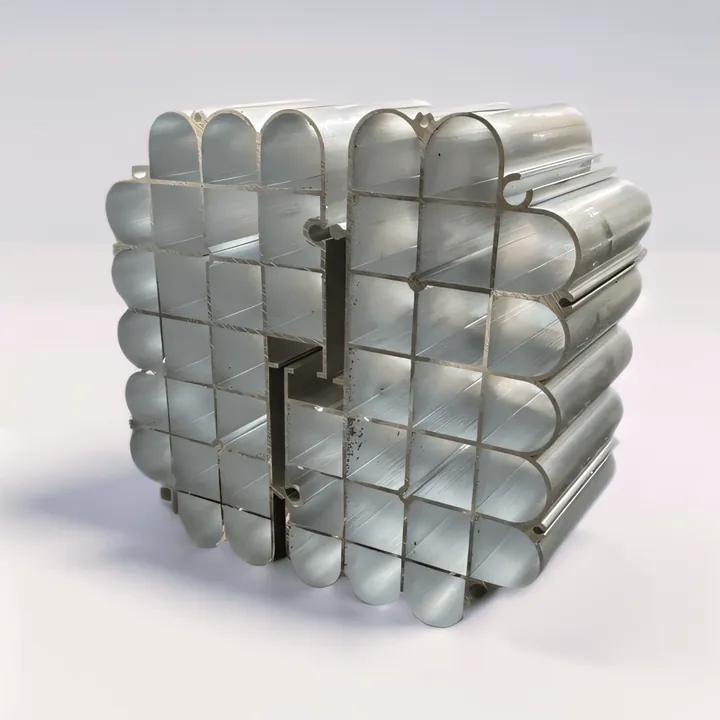
CNC-Fräsen vs. Bohren
Beim CNC-Fräsen werden kontrollierte Werkzeugwege und ein konstanter Vorschub verwendet. Dies ermöglicht eine genaue Kontrolle von Größe und Position. Beim Bohren kommt es mehr auf den Werkzeugverschleiß und den Spanfluss an.
In dünne Wände gebohrte Löcher können sich leicht verschieben. Das Fräsen einer Tasche oder eines Schlitzes hält die Größe normalerweise besser.
Grenzen der manuellen Bearbeitung
Manuelles Fräsen oder Bohren kann bei einfachen Teilen funktionieren. Aber die Wiederholbarkeit ist geringer. Die Fähigkeiten des Bedieners spielen eine große Rolle.
Bei B2B-Volumenbestellungen sind manuelle Methoden riskant, wenn die Toleranz gering ist.
Befestigung und Klemmwirkung
Wie das Teil gehalten wird, ist oft wichtiger als die Maschine selbst. Aluminium-Strangpressprofile sind lang und flexibel.
Schlechtes Einspannen führt zu Verbiegungen beim Schneiden. Beim Lösen federt das Teil zurück. Die gemessene Größe ändert sich.
Gute Halterungen stützen die gesamte Länge und vermeiden punktuellen Druck.
Werkzeugverschleiß und Hitze
Aluminium schneidet schnell, erzeugt aber Wärme. Wärme verursacht Ausdehnung. Wenn das Werkzeug heiß ist, verschiebt sich die Schnittgröße.
CNC-Werkstätten schaffen dies mit scharfen Werkzeugen, Kühlmittel und stabilen Zykluszeiten.
Vergleich der Bearbeitungsmethoden
| Bearbeitungsverfahren | Toleranzfähigkeit |
|---|---|
| CNC-Fräsen | Hoch |
| CNC-Bohrungen | Mittel |
| Anzapfen | Mittel bis niedrig |
| Manuelle Bearbeitung | Niedrig |
Chargengröße und Konsistenz
Großserienaufträge profitieren von CNC, weil der Prozess stabil bleibt. Bei kleinen Chargen kann es zu größeren Abweichungen kommen, wenn sich die Einstellungen ändern.
Bei Exportprojekten mit Wiederholungsaufträgen wirkt sich die Wahl der Methode stärker auf die langfristige Konsistenz aus als die einmalige Genauigkeit.
Beim CNC-Fräsen werden im Allgemeinen engere und wiederholbarere Toleranzen erreicht als bei der manuellen Bearbeitung.Wahr
CNC-Steuerung, feste Programme und stabile Spannvorrichtungen verringern die Abweichungen.
Das Bohren von Löchern hat immer die gleiche Toleranz wie das CNC-Fräsen von Nuten.Falsch
Das Bohren ist empfindlicher gegenüber Werkzeugverschleiß und Wandstärke, so dass die Abweichungen größer sind.
Kann die Feinbearbeitung enge Toleranzanforderungen erfüllen?
Viele Käufer fragen, ob Aluminium-Strangpressprofile nach der Bearbeitung sehr enge Toleranzen einhalten können. Die kurze Antwort lautet ja, aber nur unter klaren Bedingungen.
Die Feinbearbeitung kann enge Toleranzen wie +/-0,02 mm bei ausgewählten Merkmalen einhalten, wenn Konstruktion, Prozess und Prüfung aufeinander abgestimmt sind.

Was Feinbearbeitung wirklich bedeutet
Feinbearbeitung ist nicht nur langsameres Schneiden. Sie ist ein vollständiger Prozess.
Dazu gehören Spannungsabbau, kontrolliertes Schruppen, stabiles Schlichten und sorgfältige Prüfung.
Ohne diese Schritte führt die Forderung nach engen Toleranzen zu Ausschuss.
Design spielt eine Schlüsselrolle
Die Toleranzen sollten der Funktion entsprechen. Viele Zeichnungen kopieren Grenzwerte von Stahlteilen. Aluminium verhält sich anders.
Dünne Wände bewegen sich mehr. Lange Profile biegen sich leichter. Enge Toleranzen über die gesamte Länge sind riskant.
Die Konstrukteure sollten kritische Merkmale isolieren und andere lockern.
Schritte zur Prozesskontrolle
Die Feinbearbeitung erfolgt in der Regel in diesen Schritten:
- Grobbearbeitung mit Aufmaß
- Ruhezeit zum Stressabbau
- Fertigbearbeitung mit leichten Schnitten
- Temperaturkontrolle in der Werkstatt
Wenn Sie einen Schritt auslassen, verringert sich die Genauigkeit.
Praktisch enger Toleranzbereich
In realen Projekten sind diese Grenzen üblich:
| Merkmal | Erreichbare Toleranz |
|---|---|
| Kritischer Lochdurchmesser | +/-0,02 mm |
| Ebenheit der Passfläche | 0,02 bis 0,05 mm |
| Unkritische Länge | +/-0,10 mm |
Diese Werte hängen von der Größe und Form des Teils ab.
Risiko- und Kostenbewusstsein
Enge Toleranzen erhöhen die Zykluszeit und die Prüfkosten. Die Ausbeute sinkt, wenn die Extrusionsqualität ungleichmäßig ist.
Käufer sollten vor einer Massenbestellung eine Leistungsbestätigung anfordern.
Die Feinbearbeitung funktioniert am besten, wenn der Extrusionslieferant und die Maschinenwerkstatt als Team zusammenarbeiten.
Die Feinbearbeitung kann bei ausgewählten Aluminium-Strangpressprofilen plus oder minus 0,02 mm erreichen.Wahr
Mit einem kontrollierten Prozess und einem angemessenen Design kann dieses Niveau erreicht werden.
Alle Merkmale eines Aluminium-Strangpressprofils können ohne zusätzliche Kosten plus oder minus 0,02 mm halten.Falsch
Wenn überall eine enge Toleranz gilt, steigen die Kosten und das Ausschussrisiko.
Mit welchen Prüfverfahren werden die Abmessungen nach der Bearbeitung überprüft?
Selbst eine perfekte Bearbeitung bedeutet nichts ohne Nachweis. Die Inspektion überprüft, ob das Teil der Zeichnung entspricht.
Die Abmessungen nach der Bearbeitung werden je nach Toleranzniveau mit Messschiebern, Mikrometern, CMM und Funktionslehren überprüft.

Grundlegende Messwerkzeuge
Mit Messschiebern und Mikrometern lassen sich die meisten Prüfungen durchführen. Sie sind schnell und flexibel.
Die Technik des Bedieners beeinflusst jedoch die Ergebnisse. Druck und Winkel spielen eine Rolle.
Für Exportprojekte sind Kalibrierungsprotokolle wichtig.
CMM-Prüfung
Koordinatenmessmaschinen bieten eine hohe Genauigkeit und Wiederholbarkeit. Sie messen komplexe Geometrien und Positionen.
Das KMG ist ideal für enge Toleranzen und komplexe Profile. Es erstellt auch Prüfberichte für Kundenunterlagen.
Der Nachteil sind Zeit und Kosten. Nicht jedes Merkmal benötigt eine KMG.
Go- und No-Go-Anzeigen
Bei großvolumigen Teilen sind Lehren effizient. Sie prüfen die Funktion, nicht die Größe.
Wenn das Teil passt, ist es bestanden. Dies verkürzt die Prüfzeit.
Messgeräte funktionieren am besten, wenn die Konstruktion klare Funktionsgrenzen zulässt.
Auswahl der Inspektionsmethode
| Methode der Inspektion | Bester Anwendungsfall |
|---|---|
| Bremssattel | Allgemeine Größenprüfung |
| Mikrometer | Enge Kontrolle des Durchmessers |
| CMM | Komplexe und enge Toleranz |
| Funktionslehre | Wiederholungsprüfungen mit hohem Volumen |
Zeitpunkt der Inspektion
Die Inspektion sollte nach der Endbearbeitung und vor der Oberflächenbehandlung erfolgen. Eloxieren und Beschichten erhöhen die Dicke.
Wenn eine Beschichtung aufgebracht wird, muss die Toleranz die Dicke der Beschichtung einschließen.
Eine klare Vereinbarung über die Kontrollphase vermeidet Streitigkeiten.
Dokumentation und Vertrauen
Inspektionsberichte schaffen Vertrauen in die B2B-Beschaffung. Sie zeigen Kontrolle, nicht nur Ergebnisse.
Für langfristige Käufer sind stabile Prüfdaten wichtiger als eine perfekte Charge.