What Are Aluminum Thermal Extrusions?

Feeling concerned about high energy bills and condensation around window and door frames? Aluminum thermal extrusions tackle that by combining aluminium profiles with insulation to control heat flow.
Aluminum thermal extrusions integrate insulating elements into aluminium profiles so that heat or cold does not move easily through the frame, improving energy efficiency and reducing thermal bridging.
Let’s dive into how they work, why insulation matters, where they’re installed and how thermal strips improve efficiency.
How do thermal breaks work in extrusions?
Aluminium conducts heat very well. If an aluminium frame runs unbroken from inside to outside, it acts like a bridge for heat. To stop that, a thermal break goes between the inner and outer aluminium parts.
A thermal break interrupts the conductive path between aluminium sections, so the frame doesn’t transfer as much heat or cold across a dynamic surface.
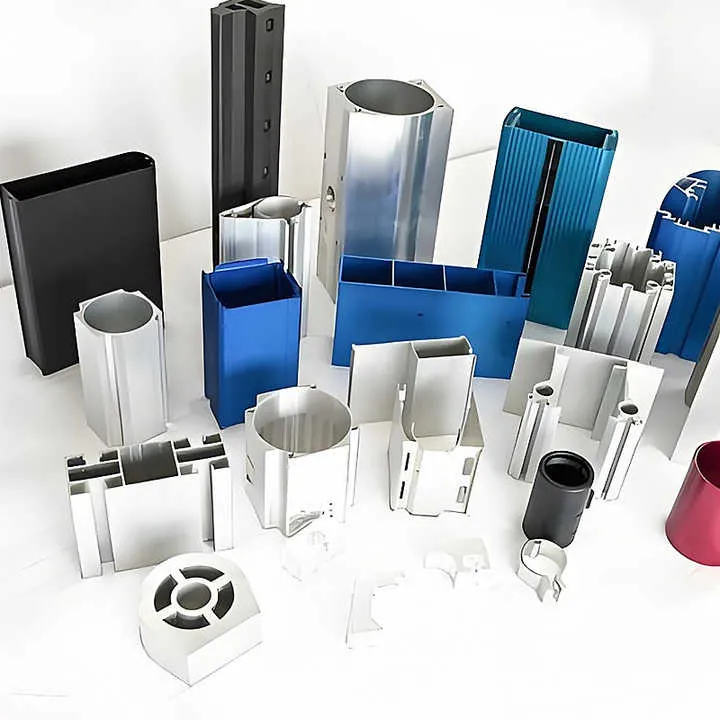
When you go deeper you see several key points. First, the material of the break is critical: it is typically a plastic or polymer that has much lower conductivity than aluminium. It sits between two aluminium parts and is locked in place mechanically or by pour‑in methods. The geometry of the extrusion must allow the strip or insert, and the manufacturing process must ensure good bonding or mechanical locking so the break does not come loose. The aluminium parts still need to carry structural loads. Thus, the design must balance insulation performance and structural integrity.
Different systems offer variations: some use rigid polyamide strips that are sandwiched and knurled into the aluminium, others use a cavity filled with insulating material and then remove thin conductive bridges. Each method has pros and cons in cost, complexity, and performance. When the thermal break is well designed, the frame’s interior face remains closer to room temperature, reducing condensation and improving comfort.
A poorly designed or absent thermal break means the frame becomes a cold/hot spot: heat flows through, interior surfaces get cold (or hot), condensation forms, and energy cost rises. The correct choice of break material, shape, joint detail and finishing make a big difference in real‑world behaviour.
A thermal break in an aluminum profile removes all structural strength of the profile.Falsch
While design care is needed, thermal break systems are engineered to carry structural loads and maintain strength.
The main function of a thermal break is to reduce heat transfer through a profile.Wahr
Yes — the insulating material interrupts the conduction path and limits heat flow.
Why insulation matters in thermal profiles?
When you use aluminium profiles in building envelopes, industrial frames or outdoor enclosures, the environment on each side can differ greatly in temperature. Without insulation, the aluminium acts as a direct path for heat or cold, undermining energy efficiency and comfort.
Insulation in these thermal profiles ensures the frame does not defeat the insulation of the wall or glazing, and helps maintain interior comfort and reduce unwanted heat or cold ingress.
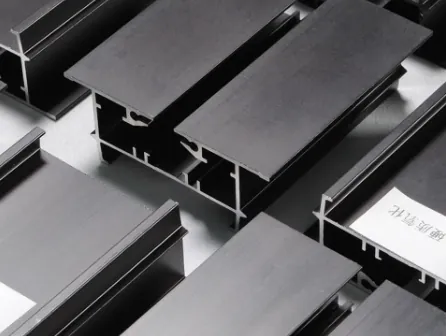
Going deeper, you find that aluminium has high conductivity: heat moves quickly through it. Thus when a profile spans a warm interior to a cooler exterior (or vice‑versa), the frame becomes a thermal bridge. Adding insulation (via the break) reduces that conduction dramatically. This means inside surfaces stay nearer to room temperature and less energy is wasted warming or cooling the frame itself.
Also condensation becomes a risk when interior facing surfaces of the frame get cold. Insulation raises the interior surface temperature, reducing condensation and subsequent issues like mold, corrosion or finishes failing. From a building code standpoint, many modern standards demand improved envelope performance and use of thermally broken frames supports compliance.
In manufacturing or specification, cost matters. Thermally broken profiles cost more: extra tooling, extra inserts, more complex assembly. However the lifecycle savings in energy, maintenance and performance often justify the upfront cost—especially in climates with big temperature differences or in premium buildings.
Using a thermal break in an aluminium frame can reduce heat loss and reduce condensation risk.Wahr
Yes — the insulation interrupts conduction and raises interior surface temperature, so less heat loss and less condensation.
Insulation in thermal profiles is unnecessary for all aluminium applications.Falsch
Insulation is especially important when the profile spans conditioned/unconditioned spaces or where thermal performance matters.
Where are thermal extrusions installed?
Thermally broken aluminium extrusions appear in places where aluminium frames span environments of different temperatures, or where performance and control of heat transfer matter. You’ll find them in facade systems, windows, doors, curtain walls, balconies, cold‑storage frames and industrial enclosures.
Typical installation areas include windows and doors that cross from outside to inside, curtain walls, facade systems and other points where the aluminium profile could otherwise act as a thermal bridge.

Digging deeper, for residential and commercial buildings windows and doors are classic examples: the aluminium frame links the interior conditioned area with the exterior climate. In standard frames without thermal breaks, heat or cold flows easily. With thermal break inserts the performance improves significantly. In curtain walls and facade systems the aluminium mullions and transoms hold glazing and face both interior and exterior – thermal breaks reduce the frame’s conduction effect and improve the wall’s overall thermal behaviour.
Balcony or envelope junctions are also crucial: when interior structural aluminium ties to exterior environments, thermal breaks avoid cold bridging and condensation in structural connections. In industrial contexts, enclosures for cold rooms or high‑temperature zones use thermally broken aluminium profiles so the frame doesn’t leak heat or reduce thermal performance of the system.
For manufacturers and specifiers the key questions include: “Does the profile feature a thermal break?”, “What insulating material is used?”, “What are the thermal and structural performance ratings?”, “Does manufacturing follow required process?”, and “Can the finish (anodizing, powder coat) be applied reliably after the break process?” These practical details determine whether the thermal extrusion will perform as anticipated in real use.
Thermal extrusions are only used in cold climates.Falsch
They are used in both cold and hot climates to reduce heat loss or gain through aluminium profiles.
Windows, doors and curtain walls commonly use aluminium thermal extrusions to reduce heat transfer.Wahr
Yes — these are typical installation locations where aluminium acts as a thermal bridge and needs insulation.
Can thermal strips improve efficiency?
Yes—thermal strips (the insulating inserts in aluminium profiles) play a central role in boosting the performance of thermal extrusions. They reduce heat transfer through the frame, lower HVAC loads and improve comfort and durability.
When correctly chosen and installed, thermal strips in aluminium profiles improve energy efficiency, reduce condensation risk and enhance overall system performance.
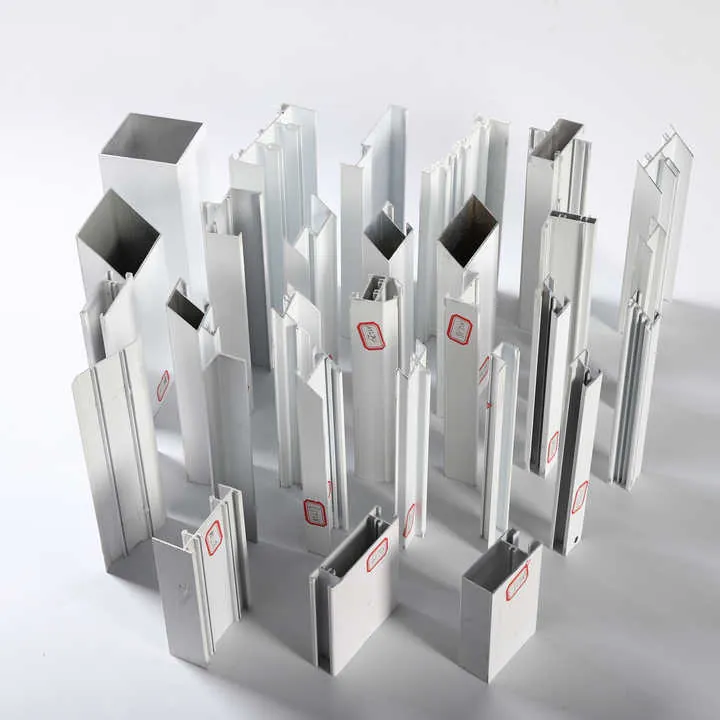
Going deeper, the thermal strips improve energy performance in several ways. First, they interrupt the heat conduction path through the aluminium. That means heat doesn’t flow as freely from inside to outside (or outside to inside). As a result, less heating or cooling is required to maintain a comfortable indoor temperature. Secondly, higher interior surface temperatures on the frame reduce the likelihood of condensation forming, which lowers maintenance risk and improves durability of finishes and components.
Implementation matters: the choice of insulating material (polyamide, polyurethane, composite) affects performance and cost. The interface between the strip and aluminium must be well designed so that structural loads transmit safely and thermal resistance is maintained. Manufacturing precision, finishing, installation quality and maintenance also play key roles.
In real world use the benefits include lower energy bills, better occupant comfort, fewer cold or hot spots near frames, lower risk of corrosion or mold, and better sustainability credentials. For industrial or commercial buildings, this means reduced operational costs and improved asset value. For specifiers it means choosing profiles and systems with documented performance, correct detailing, and realistic cost‑benefit assessment.
Thermal strips in aluminium profiles have no impact on energy efficiency.Falsch
They significantly reduce heat transfer and thereby improve energy efficiency.
Correctly installed thermal break inserts can reduce HVAC loads by lowering heat loss/gain through frames.Wahr
Yes — by reducing conduction through the frame, less load is placed on heating/cooling systems.
Schlussfolgerung
Aluminium thermal extrusions combine the durability and versatility of aluminium profiles with insulating elements that reduce heat flow and improve performance. They are essential when aluminium frames connect indoor and outdoor spaces or when energy efficiency and comfort matter. Selecting the right thermal break type, designing for structural loads and integrating with the envelope ensures long‑term value, comfort and cost savings.