How to Customize Aluminum Profile Products
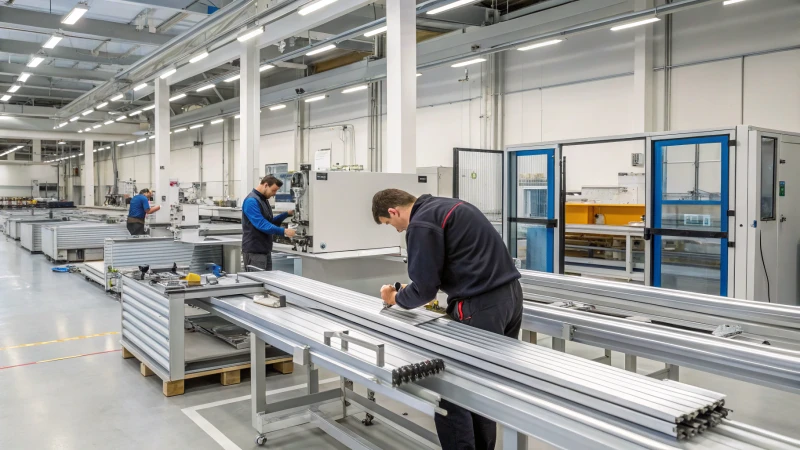
Are you looking to customize aluminum profile products to meet unique project needs?
Customizing aluminum profile products involves assessing customer requirements, creating tailored designs, and utilizing advanced manufacturing technologies to produce high-quality results. This process not only enhances product functionality but also ensures that specifications are met efficiently.
In this post, we’ll delve deeper into the steps and technologies that make customization possible, providing valuable insights that can help elevate your projects.
What are the Key Factors in Assessing Customer Needs for Customization?
To successfully customize products, businesses must thoroughly assess customer needs. What are the crucial factors that influence this assessment?
The key factors in assessing customer needs for customization include understanding specific requirements through detailed discussions, gathering continuous feedback, considering industry standards, technological capabilities, budget constraints, and sustainability goals.

Understanding Customer Requirements
To effectively assess customer needs for customization, it’s crucial to engage in detailed conversations with clients. This includes asking the right questions about their expectations, product applications, and necessary specifications. A checklist can facilitate this process:
| Question Category | Key Questions |
|---|---|
| Product Applications | What is the primary use of the product? |
| Specifications | Are there specific dimensions or materials needed? |
| Quantity | How many units are required? |
| Delivery Timelines | When do you need the products delivered? |
Utilizing structured communication tools can help streamline these discussions and ensure comprehensive data collection. For deeper insights, consider exploring customer feedback techniques.
Importance of Feedback Gathering
Continuous feedback from customers during the design phase is vital. Once initial designs are presented, clients should be encouraged to provide their thoughts. It allows for modifications that align with their expectations and enhances satisfaction.
- Prototype Testing: Use rapid prototyping techniques, such as 3D printing, to validate designs early in the process.
- User Experience Trials: Implement user trials to gather data on usability and functionality before final production.
Factors Influencing Customization
Several factors can significantly impact how customer needs are assessed:
- Industry Standards: Different industries have varying standards that may dictate customization requirements.
- Technological Capabilities: The level of technology available can limit or enhance customization options.
- Budget Constraints: Understanding the customer’s budget helps tailor solutions that are feasible yet effective.
- Sustainability Goals: Many clients are increasingly interested in sustainable materials, making it necessary to factor this into assessments.
For more detailed frameworks on analyzing customer needs, check out effective customization strategies.
How Can Advanced Technologies Enhance Aluminum Profile Customization?
Advanced technologies are reshaping the landscape of aluminum profile customization, enabling manufacturers to meet diverse client needs more efficiently than ever before.
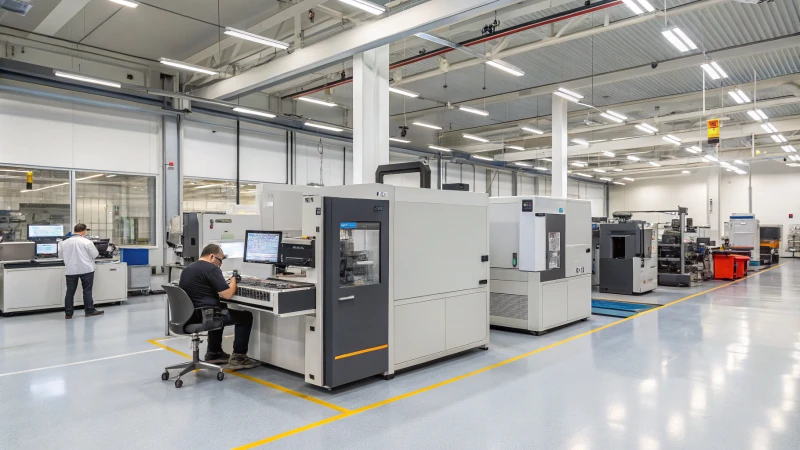
Advanced technologies like 3D printing, CNC machining, and AI are enhancing aluminum profile customization by improving speed, accuracy, and flexibility in production processes, ultimately leading to higher quality outcomes.
Leveraging 3D Printing for Custom Prototyping
3D printing technology has revolutionized how we approach the customization of aluminum profiles. With its capability to produce rapid prototypes, it allows designers to quickly turn ideas into tangible products. This enables clients to see and test designs before committing to full-scale production.
- Speed: The turnaround time from concept to prototype can be drastically reduced.
- Flexibility: Adjustments can be made on the fly based on customer feedback, reducing costs associated with traditional prototyping methods.
For more on this technology, check out 3D printing in aluminum.
CNC Machining for Precision
CNC (Computer Numerical Control) machining is another critical technology enhancing customization. It allows for precision in cutting and shaping aluminum profiles that meet exact specifications. This is vital for projects requiring intricate designs or stringent tolerances.
| Benefits of CNC Machining | Description |
|---|---|
| Accuracy | Ensures every cut is precise and replicable. |
| Efficiency | Reduces material waste through optimal cutting paths. |
| Versatility | Can create complex shapes and designs not feasible with manual methods. |
For further insights on CNC processes, visit CNC technology overview.
The Role of Automation in Production
Automation in production lines significantly enhances the customization of aluminum profiles by streamlining operations. Automated systems can quickly adapt to changes in design, allowing manufacturers to pivot efficiently based on customer needs.
- Reduced Lead Times: Faster adjustments lead to quicker delivery times for clients.
- Enhanced Quality Control: Automated systems can monitor production quality in real-time, ensuring consistency across products.
Explore more about automation trends in manufacturing by checking out automation benefits.
Integrating AI for Improved Design
Artificial Intelligence (AI) plays a transformative role in customizing aluminum profiles. By analyzing customer data and market trends, AI can suggest design improvements and optimize production processes.
- Predictive Analytics: Helps anticipate customer needs and tailor products accordingly.
- Design Optimization: AI algorithms can simulate various design options, offering the best solutions based on performance criteria.
Learn more about AI applications in manufacturing at AI in manufacturing.
What Best Practices Should Be Followed During the Design Process?
To achieve success in any design project, it’s essential to follow best practices that streamline processes, ensure quality, and meet customer expectations.
The best practices during the design process include understanding customer needs, leveraging effective tools, fostering collaboration, using an iterative approach, maintaining thorough documentation, and staying updated with industry trends.

Understanding Customer Needs
The foundation of a successful design process is a deep understanding of the customer’s needs. Engage in thorough discussions to gather insights on product applications, specifications, quantities, and timelines. This ensures the final product meets expectations.
- Conduct Surveys: Use surveys or interviews to gather detailed feedback. This can help identify pain points and preferences.
- Feedback Loops: Establish a system for ongoing feedback throughout the design process.
This iterative approach helps ensure alignment with customer goals and reduces the risk of miscommunication.
Effective Design Tools and Technologies
Utilizing the right tools is crucial for enhancing productivity during the design process. Consider the following:
| Tool Type | Purpose | Examples |
|---|---|---|
| CAD Software | Creating detailed design drawings | AutoCAD, SolidWorks |
| Prototyping Tools | Rapidly creating physical models | 3D Printing, CNC Machining |
| Project Management | Managing timelines and tasks | Trello, Asana |
Leveraging these tools not only streamlines the design phase but also helps in visualizing concepts effectively.
Collaboration and Communication
Collaboration among team members and clear communication are vital in the design process. Here are key practices:
- Regular Meetings: Schedule consistent team meetings to discuss progress and address any challenges.
- Shared Platforms: Use collaborative platforms like Slack or Microsoft Teams for real-time communication.
- Documentation: Maintain detailed documentation of all design decisions and changes to ensure everyone is on the same page.
Effective communication fosters a collaborative environment, leading to innovative solutions.
Iterative Design Process
An iterative design approach allows for continuous improvement and refinement of concepts. Implement these steps:
- Prototype Development: Create initial prototypes based on customer feedback.
- Testing and Evaluation: Conduct tests to assess functionality and performance.
- Refinement: Use test results to refine designs and address any issues.
This cycle can repeat several times until the final product meets all requirements satisfactorily.
Importance of Documentation
Documentation is often overlooked but plays a critical role in the design process. Keep thorough records of:
- Design specifications
- Revision histories
- Customer feedback and approval documents
Organized documentation not only aids current projects but also serves as a valuable reference for future designs. Additionally, it helps mitigate risks related to compliance and quality assurance.
Stay Updated with Industry Trends
Keeping abreast of industry trends can enhance your design process significantly. This can involve:
- Attending industry conferences and workshops.
- Following relevant publications and blogs that provide insights into emerging technologies.
- Networking with peers to share knowledge and experiences.
By staying informed, designers can integrate innovative ideas and technologies into their work, improving overall outcomes.
For more details on optimizing your design process, check out best practices in design.
How Do Different Industries Utilize Customized Aluminum Profiles?
Explore how different industries leverage customized aluminum profiles for innovative solutions and enhanced efficiency.
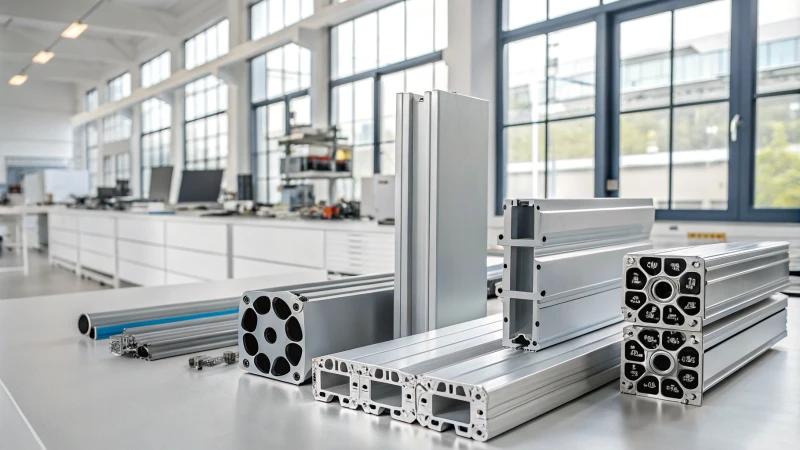
Different industries utilize customized aluminum profiles for various applications, including automotive components, construction structures, aerospace parts, and electronic housings. Their versatility enhances design, efficiency, and functionality across sectors.
Automotive Industry Applications
Customized aluminum profiles are extensively used in the automotive sector due to their lightweight and high strength-to-weight ratio. These profiles are ideal for manufacturing components such as frames, chassis, and body panels.
- Weight Reduction: By using aluminum profiles, automotive manufacturers can significantly reduce vehicle weight, leading to improved fuel efficiency.
- Design Flexibility: Customized shapes allow for unique designs that can enhance aerodynamics and aesthetics.
Construction Sector Utilization
In construction, aluminum profiles play a pivotal role in various applications ranging from structural elements to decorative features.
- Structural Support: Aluminum beams and columns provide essential support while being lighter than traditional materials.
- Facades and Windows: Custom profiles are used for window frames and building facades, ensuring durability and an appealing finish.
Table: Common Applications of Aluminum Profiles in Construction
| Application | Description |
|---|---|
| Structural Elements | Used for beams, columns, and supports. |
| Window Frames | Lightweight and resistant to weathering. |
| Facade Panels | Aesthetic designs that enhance building appearance. |
Aerospace Industry Innovations
The aerospace industry benefits from aluminum profiles due to their excellent strength-to-weight ratio, crucial for flight performance.
- Airframe Components: Customized profiles are utilized in the manufacture of airframes, ensuring both lightweight and robust structures.
- Interior Fixtures: Aluminum is also used for interior design elements such as partition walls and seating systems.
Electronics and Appliance Manufacturing
In the electronics sector, customized aluminum profiles are often employed for housings and frames due to their thermal conductivity and lightweight properties.
- Heat Dissipation: Aluminum’s ability to dissipate heat effectively makes it ideal for electronic casings.
- Durability: Custom profiles can be designed to withstand wear and tear, ensuring longevity of electronic devices.
Custom Solutions Across Industries
Regardless of the industry, the ability to customize aluminum profiles allows for enhanced functionality and efficiency in various applications:
- Adaptability: Custom profiles can be designed to meet specific industry standards, ensuring compliance and performance.
- Cost Efficiency: By optimizing designs with standardized components, industries can reduce costs while maintaining quality.
For more insights into the practical applications of customized aluminum profiles in various sectors, check out this detailed analysis.
Each of these sectors highlights the versatility of aluminum profiles, showcasing how tailored solutions can meet unique industry needs while also pushing innovation forward. Explore additional resources on industry trends related to customized aluminum applications.
Conclusion
Learn how to effectively customize aluminum profiles by assessing customer needs, leveraging advanced technologies, and implementing best practices for enhanced product functionality.