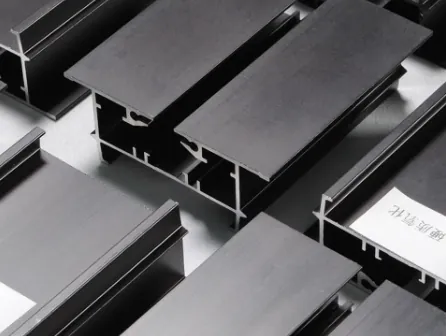
Jaká je cena za libru hliníkových výlisků?
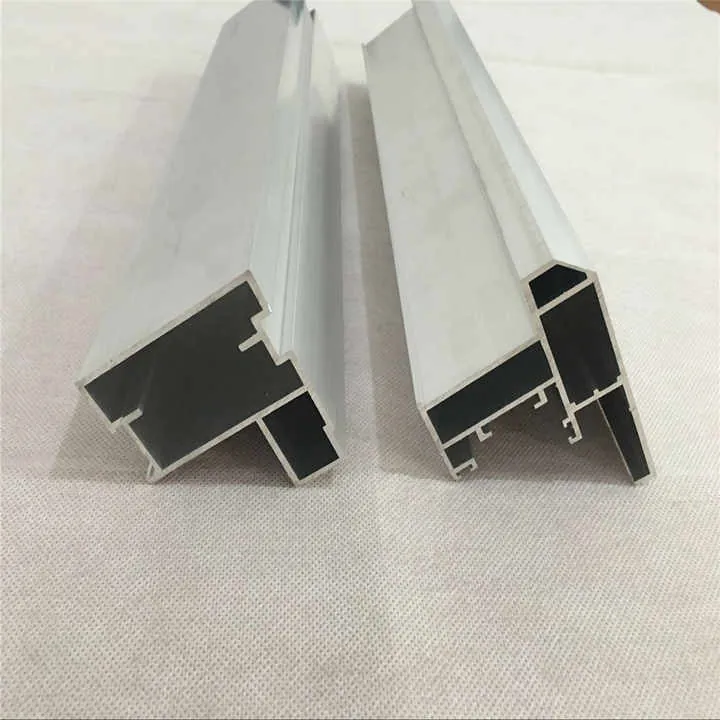
Vím, že se na to ptáte, protože chcete získat reálné číslo pro sestavení rozpočtu nebo nákup. Trh s kovy se pohybuje rychle a konečnou cenu ovlivňuje mnoho skrytých proměnných.
Od roku 2025 se cena surového hliníku pohybuje kolem $1,17 USD za libru, ale když se k tomu připočtou faktory zpracování, slitiny, úpravy a dodavatelského řetězce, stojí hotové výlisky často $2,00 až $4,50 USD za libru nebo více.
Než začnete objednávat, čtěte dál - vysvětlíme vám, co je příčinou tohoto čísla, jak záleží na výběru slitiny, jak porovnat tržní sazby a jak mohou hromadné objednávky pomoci snížit cenu.
Jaké faktory ovlivňují cenu za libru?
Když vidíte, že jeden dodavatel uvádí $3,50 / lb a jiný $2,20 / lb, za tímto rozdílem se skrývá mnoho věcí.
Mezi hlavní faktory patří náklady na suroviny, náklady na výrobu (vytlačování), povrchová úprava, tolerance/složitost návrhu, doprava/logistika, minimální objednací množství (MOQ) a regionální tržní prémie.
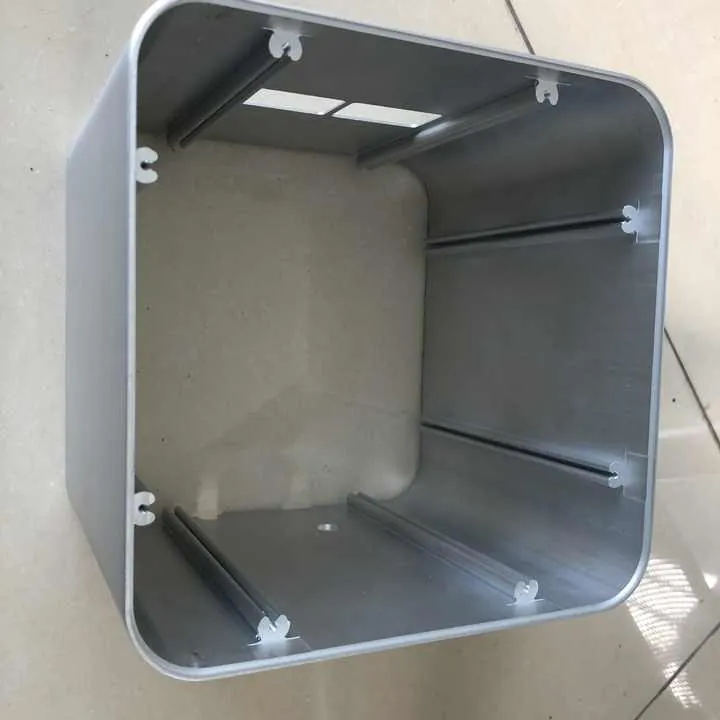
Náklady na suroviny
Základem je cena základního kovu. Například cena primárního hliníku se v polovině roku 2025 pohybuje kolem $1,17 USD za libru. To však nezahrnuje příplatky za region, legující prvky nebo zpracování.
Náklady na výrobu / vytlačování
Vytlačování hliníku zahrnuje zahřátí polotovaru, jeho protlačení matricí, řezání na délku, stárnutí/temperaci a možná i obrábění/výrobu. Složité tvary zvyšují náklady: nerovnoměrná tloušťka stěny, mnoho prvků, více dutin - to vše zvyšuje opotřebení nástrojů, pomalejší rychlosti, více zmetků.
Povrchové úpravy a povrchová úprava
Pokud je třeba váš výlisek eloxovat, opatřit práškovým lakem, speciálně zabalit nebo opracovat na CNC stroji, zvyšuje to náklady na libru. Uvedená cena “za libru” může zahrnovat pouze vytlačování, nebo může zahrnovat i dokončovací práce - nezapomeňte si ověřit, co je v ceně zahrnuto.
Složitost návrhu a nástroje
Při použití standardního profilu (stávající matrice) jsou náklady nižší. Pokud potřebujete novou zakázkovou formu, náklady na nástroje se obvykle amortizují v průběhu objemu zakázky, takže náklady na libru jsou u malých sérií vyšší.
Logistika a regionální prémie
Na umístění záleží. Například v USA může prémie za Středozápad (za primární hliník) přidat ~$0,60-0,80 za libru nad základní ceny komodity. Doprava, dovozní clo, přeprava a místní pracovní síla zvyšují náklady na dodaný výlisek.
Velikost objednávky, doba realizace a kapacita dodavatele
Menší zakázky mají často vyšší náklady na kilogram, protože nastavení nástrojů, výměna a dávkování jsou dražší na jednotku. Pokud požadujete rychlou dodací lhůtu, mohou být účtovány poplatky za spěch. Efektivní náklady ovlivňuje také zmetkovitost, ztráty výtěžnosti, úroveň kvality (přísné tolerance).

| Složka nákladů | Přibližný rozsah | Poznámky |
|---|---|---|
| Komodita surového hliníku | US$1.10-1.50 / lb | Pouze základní kov |
| Zpracování vytlačováním | US$0.50-1.50 / lb | Liší se podle složitosti tvaru |
| Povrchová úprava/ošetření | US$0.20-1.00 / lb | eloxování, práškové lakování, CNC atd. |
| Logistika/prémie | US$0,30-0,80 / lb | Region, doprava, dovozní cla |
| Odpisy nástrojů | Velmi různorodé | Zejména pro vlastní profily |
Cena za libru hliníkových výlisků je pevná a nezávisí na tvaru nebo zpracování.False
Cena je značně závislá na složitosti tvaru, slitině, povrchové úpravě, logistice a velikosti objednávky, takže není pevně stanovena.
Cena surového hliníku je pouze jednou částí nákladů na libru výlisků.Pravda
Kromě surovin se na nákladech na libru podílí také zpracování vytlačováním, dokončovací práce, nástroje, logistika a velikost objednávky.
Proč jsou změny typu slitiny nákladné?
Výběr slitiny, jako je 6063-T5 vs. 6061-T6 vs. 6082 (nebo dokonce vyšší třídy, jako je řada 7xxx), ovlivní náklady na libru.
Různé slitiny se liší cenou polotovarů, tokem, potřebným tepelným zpracováním, opotřebením stroje, mírou zmetkovitosti a chováním při dokončování - to vše zvyšuje nebo snižuje náklady.
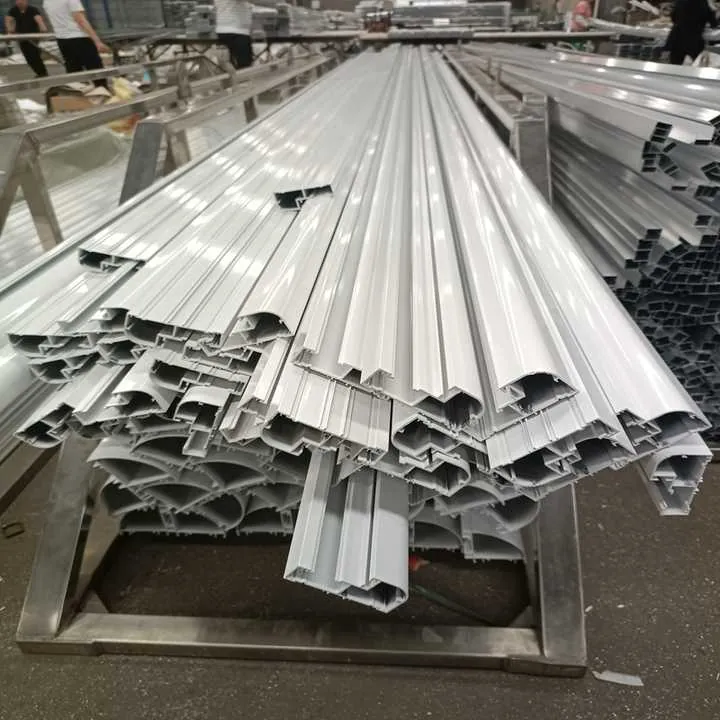
Rozdíly v nákladech na předlitky/slitiny
Některé slitiny jsou dražší již ve fázi suroviny, protože se do nich přidávají legující prvky (hořčík, křemík, měď atd.). Záleží také na dostupnosti. Pokud požadujete speciální slitinu, jsou náklady dodavatele vyšší.
Průtok a složitost vytlačování
Některé slitiny se vytlačují snadněji (menší síla, menší opotřebení stroje), jiné vyžadují vyšší tlaky. Například tvrdší/silnější slitiny mohou zpomalovat výrobu, způsobovat opotřebení matrice, prodlužovat čas, a tím i zvyšovat náklady na libru.
Ošetření po vytlačování
Některé slitiny vyžadují k dosažení požadovaných mechanických vlastností dodatečné stárnutí nebo tepelné zpracování roztokem. Toto dodatečné zpracování zvyšuje náklady.
Kompatibilita povrchové úpravy
Pokud potřebujete eloxování nebo kosmetickou úpravu, některé slitiny poskytují lepší vzhled (běžně se pro architektonické profily používá slitina 6063, protože dobře eloxuje). Použití méně vhodné slitiny může vyžadovat další dokončovací práce, což zvyšuje náklady.
Ztráta šrotu/výnosu
Pokud je slitina těžší na vytlačování, zvyšuje se riziko zmetků nebo je potřeba více materiálu k získání stejného výsledného kusu. To zvyšuje efektivní náklady na využitelnou libru.
Dodavatelská minima a objem trhu
Méně běžné profily slitin mohou znamenat, že dodavatel má méně zakázek, méně amortizuje náklady na nástroje a může si účtovat příplatek.
Použití exotičtější slitiny vždy sníží náklady na kilogram výlisku.False
Exotičtější slitina obvykle zvyšuje náklady kvůli dražšímu polotovaru, tvrdšímu vytlačování a přísnějším tolerancím.
Standardní slitiny (např. 6063) často poskytují nižší náklady na libru než speciální slitiny.Pravda
Standardní slitiny jsou běžnější, snadněji se vytlačují, mají větší dostupnost nástrojů, a tím i nižší náklady na libru.
Jak porovnat ceny na trhu?
Když nakupujete nebo odebíráte zboží od výrobce (zejména B2B ve velkém), chcete si porovnat třeba 3-5 nabídek a zjistit, co je v nich zahrnuto.
Měli byste porovnat nejen sazbu “$/lb”, ale také to, co tato sazba zahrnuje (materiál/slitina, povrchová úprava, logistika, minimální velikost objednávky), a zkontrolovat, zda se jedná o standardní nebo zakázkové nástroje.

Kroky k porovnání
- Vyžádat si podrobnou nabídku: slitina, stav matrice, povrchová úprava, délka, množství
- Normalizovat citace: přepočítejte na $/lb nebo $/kg a objasněte inkluze.
- Zkontrolujte aktuální základní cenu: jako výchozí hodnotu použijte globální cenu komodit.
- Sledujte skryté náklady: nástroje, náklad, dokončovací práce
- Použijte více nabídek a požádejte dodavatele o rozpis
Tipy
- Pozor na velmi nízké ceny - často existují skryté náklady.
- Zvažte nákladní a regionální příplatky
- Historické cenové trendy pomáhají při vyjednávání
- Záleží na konečném použití: konstrukční a estetické aplikace se liší v nákladech
Nejnižší cena za libru vám vždy zajistí nejlepší celkové náklady.False
Nejnižší nabídka na libru může vynechat požadovanou povrchovou úpravu, může se týkat menšího množství nebo pouze stávajícího výlisku, takže celkové dodané náklady mohou být vyšší.
Sledování základní ceny komodity je užitečné pro srovnávání cen extrudovaného hliníku.Pravda
Základní cena komodity určuje spodní hranici, takže její sledování vám umožní zjistit, o kolik ji převyšují náklady na zpracování, nástroje a logistiku.
Mohou hromadné objednávky snížit sazby za libru?
Ano - hromadné objednávky téměř vždy pomáhají snížit náklady na libru za předpokladu, že nezvyšujete složitost a zachováváte konzistentní specifikace.
Větší objem rozkládá fixní náklady na nástroje a přípravu na více kilogramů, snižuje jednotkové náklady a pomáhá vyjednat slevy od dodavatelů.
Proč hromadné balení snižuje náklady
- Odpisy nástrojů
- Delší výrobní série = menší ztráty při seřizování
- Nižší podíl zmetků
- Objemové ceny s dodavateli polotovarů
- Efektivita nákladní dopravy
Co sledovat
- Včasné uzamčení specifikací
- Plán skladování/logistiky
- Přehled peněžních toků a platebních podmínek
- U velkých sérií očekávejte delší dodací lhůtu
Příklad
Pokud objednávka o hmotnosti 1 000 liber stojí $3,50 liber, může verze stejného profilu o hmotnosti 10 000 liber stát $2,75 liber. Zvětšení na 50 000 liber může při použití stávajícího nářadí zvýšit cenu na ~$2,20/lb.
Hromadná objednávka vždy snižuje náklady na kilogram o polovinu ve srovnání s malými objednávkami.False
I když objem často snižuje náklady na kilogram, snížení závisí na složitosti tvaru, povrchové úpravě a nástrojích; nesnižuje automaticky náklady na polovinu.
Objednáním většího objemu standardního profilu raznice pravděpodobně snížíte náklady na libru.Pravda
Větší objem rozloží fixní náklady a režijní náklady na větší počet kilogramů, čímž se sníží efektivní náklady na kilogram.
Závěr
Cena za libru hliníkových výlisků se pohybuje v širokém rozmezí v závislosti na mnoha faktorech: slitina, tvar, povrchová úprava, logistika a množství. Vědět, že základní hliník stojí v roce 2025 ~$1,17/lb, pomáhá stanovit spodní hranici, ale očekávejte, že hotové výlisky se budou pohybovat v rozmezí $2,00-4,50/lb. Zvolte si standardní profily, objednávejte ve velkém a pečlivě porovnávejte nabídky, abyste zvládli náklady na svůj projekt.