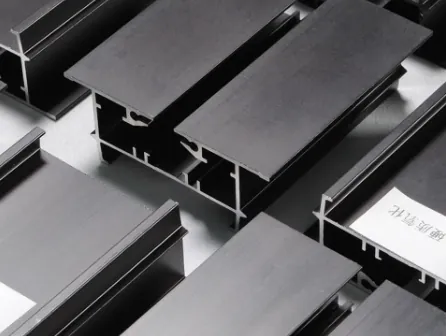

How Does CNC Deep Machining Enhance Precision in Aluminium for Various Industries?
In today’s fast-paced manufacturing landscape, precision isn’t just a goal—it’s a necessity.
CNC deep machining enhances the precision of aluminum components by utilizing computer-controlled tools to achieve high levels of accuracy and consistency. This process is critical for industries requiring complex geometries and tight tolerances.
But there’s so much more to uncover! Let’s dive deeper into how CNC technology is reshaping manufacturing processes and its real-world benefits.
CNC machining achieves aluminum precision of ±0.05 mm.True
CNC machining is known for its high precision, achieving tolerances within ±0.05 mm, crucial for industries requiring exact specifications.
What Makes CNC Machining Ideal for Aluminum Processing?
CNC machining is a go-to solution for aluminum processing, offering unmatched precision, efficiency, and versatility.
CNC machining is ideal for aluminum processing due to its high precision, excellent machinability, and ability to handle complex geometries efficiently. It provides consistent quality and allows for various surface treatments, making it suitable for industries like aerospace and automotive.
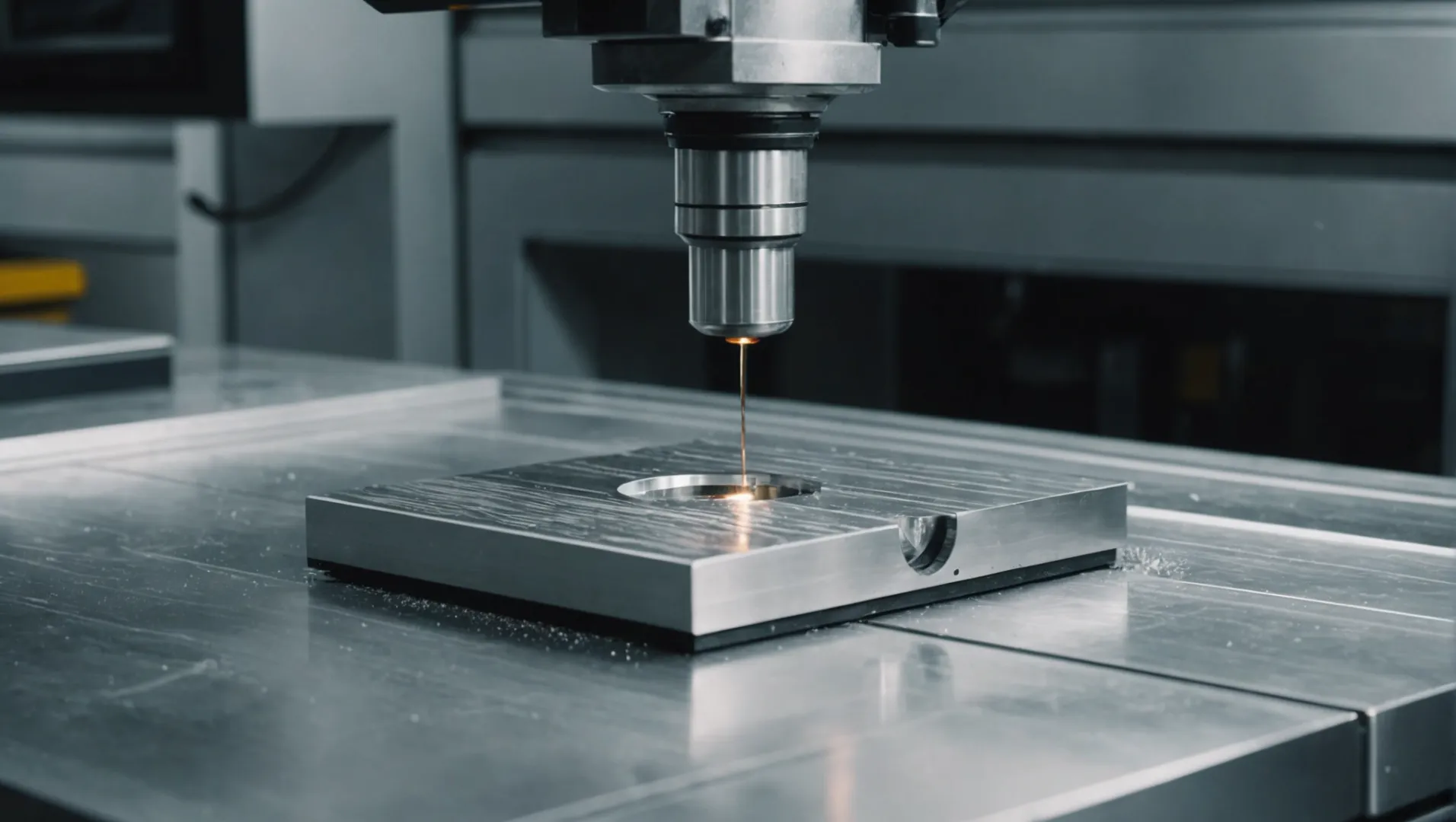
High Precision and Consistency
Aluminum components demand tight tolerances, which CNC machining excels at achieving. The technology allows for precision levels of ±0.05 mm, ensuring that each part adheres to strict dimensional requirements. This consistency is crucial in high-stakes industries like aerospace, where even the slightest deviation can lead to failure.
Excellent Machinability
Aluminum’s properties make it an ideal candidate for CNC machining. Its softness compared to other metals allows for easier cutting and shaping. This machinability minimizes tool wear and tear, leading to cost savings and reduced production times. For instance, aluminum’s ability to be easily drilled and milled1 makes it perfect for creating intricate parts.
Corrosion Resistance
The natural formation of a protective oxide layer on aluminum surfaces offers excellent corrosion resistance. This quality ensures that CNC machined aluminum parts remain robust in various environmental conditions, extending their lifespan in applications such as automotive and marine.
Cost-Effectiveness and Recyclability
Compared to metals like titanium or stainless steel, aluminum is more affordable while still providing superior mechanical properties. Additionally, its recyclability makes it an environmentally friendly option. During CNC machining, any aluminum waste can be melted down and reused, aligning with sustainable manufacturing practices.
Versatile Surface Treatments
CNC machined aluminum can undergo a variety of surface treatments such as anodizing or powder coating. These processes enhance the metal’s aesthetic appeal and functional properties, such as wear resistance or electrical insulation. This versatility allows manufacturers to customize parts according to specific industry needs.
Aluminum’s unique combination of strength, lightness, and versatility makes it indispensable across industries from electronics to aerospace manufacturing2. The ability of CNC machining to exploit these properties with precision and efficiency underscores its ideal suitability for aluminum processing.
CNC machining achieves ±0.05 mm precision for aluminum.True
CNC machining provides high precision, meeting tight tolerances required for aluminum components.
Aluminum's machinability increases tool wear in CNC processes.False
Aluminum's softness reduces tool wear, making it cost-effective and efficient for CNC machining.
How Does CNC Machining Compare to Traditional Machining Methods?
CNC machining and traditional methods both have their places in manufacturing, but how do they truly compare? Let’s explore their differences.
CNC machining surpasses traditional methods by offering superior precision, automation, and efficiency. Unlike manual operations, CNC utilizes computer programming to execute intricate designs consistently, reducing human error and increasing production speed. This makes it ideal for high-volume and complex manufacturing tasks.
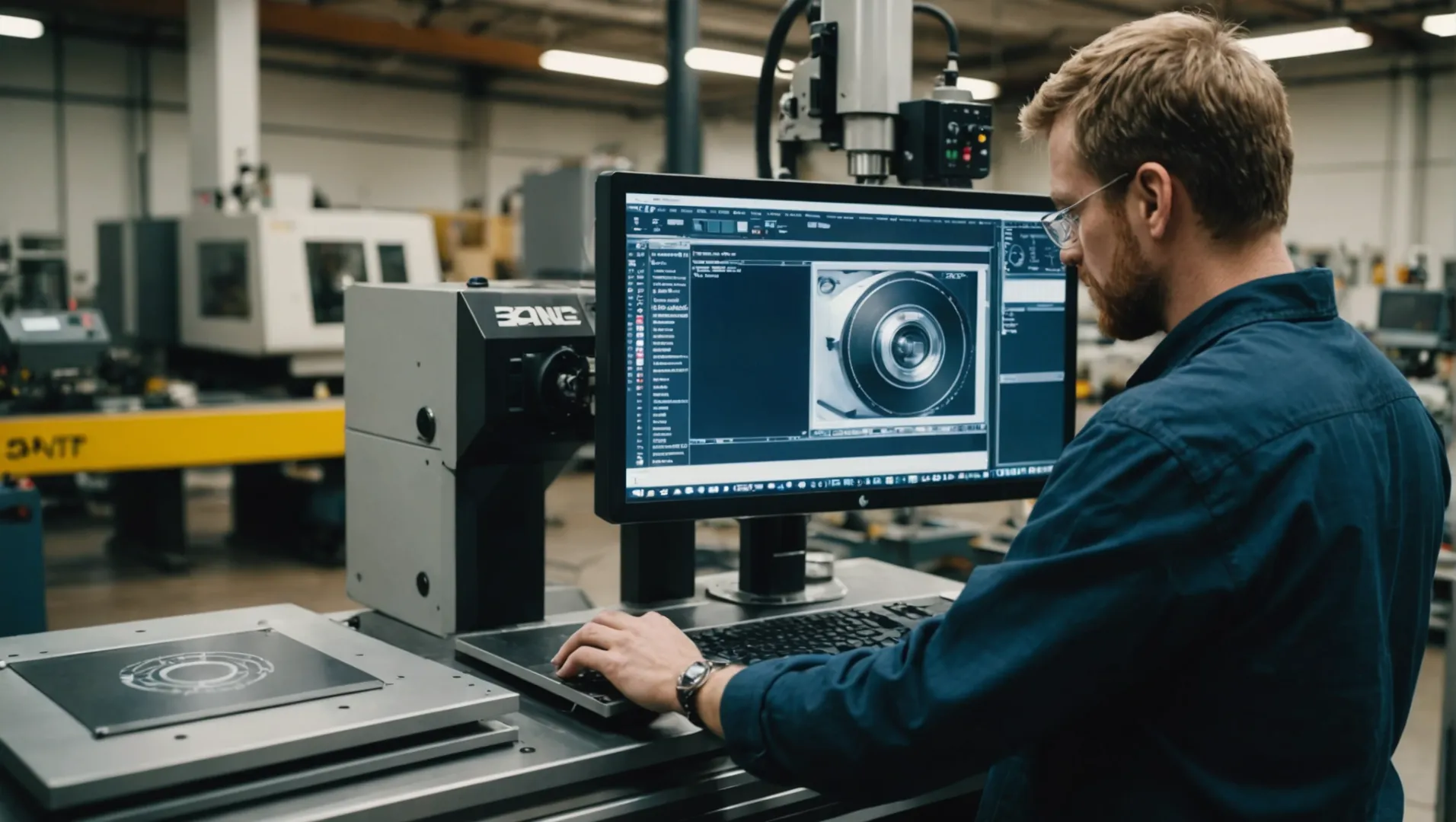
Understanding the Basics of CNC and Traditional Machining
CNC (Computer Numerical Control) machining involves the use of computers to control machine tools such as lathes, mills, routers, and grinders. This automation contrasts sharply with traditional machining, where manual operation is predominant. Traditional machining relies on the operator’s skill and experience to produce parts.
Precision and Accuracy
One of the most significant advantages of CNC machining is its unparalleled precision. CNC machines can achieve tolerances of ±0.001 inches, a level of accuracy that is challenging for even the most skilled machinists using traditional methods. This precision is especially crucial in industries like aerospace and medical devices, where even the smallest deviation can have significant consequences.
Speed and Efficiency
CNC machines can operate continuously without fatigue, producing complex parts at a faster rate than traditional methods. They are designed for rapid production with minimal setup time between different jobs, making them ideal for high-volume manufacturing. For example, in the automotive industry, CNC machining enables the quick production of engine components with intricate designs.
| Feature | CNC Machining | Traditional Machining |
|---|---|---|
| Precision | High (±0.001 inches) | Moderate |
| Automation | Full | Minimal |
| Setup Time | Short | Long |
| Consistency | High | Variable |
Flexibility and Complexity
CNC machines excel in handling complex geometries that would be labor-intensive or impossible with traditional methods. With the ability to rotate tools and change angles swiftly, CNC machining can create intricate designs with ease.
Moreover, CNC machines can easily switch from one task to another through reprogramming. This flexibility contrasts with traditional methods, which often require significant time to change over equipment and processes.
Cost Considerations
While the initial investment in CNC machinery can be high, the long-term benefits often outweigh these costs. Automated processes reduce labor costs and increase throughput. Traditional machining may have lower upfront costs but can incur higher expenses in terms of time, labor, and material waste.
Conclusion: A Complementary Approach
While CNC machining offers numerous advantages over traditional methods, both approaches can complement each other in a manufacturing setup. For instance, in some cases where only a few parts are needed or where simplicity is key, traditional machining might be more economical. Thus, understanding the strengths of each method allows manufacturers to optimize their production processes effectively.
To explore more about these methodologies and their impact on manufacturing practices, check out further analysis3 on CNC’s role in modern industries.
CNC machining is more precise than traditional methods.True
CNC achieves tolerances of ±0.001 inches, surpassing manual precision.
Traditional machining is faster than CNC machining.False
CNC operates continuously and faster, ideal for high-volume tasks.
What are the Challenges of CNC Machining in Aluminum Industries?
Despite the advantages, CNC machining in aluminum industries faces unique challenges that impact efficiency and quality.
Challenges in CNC machining aluminum include tool wear, heat management, chip removal, and maintaining tight tolerances. These issues require advanced techniques and tools to optimize machining processes and enhance productivity.
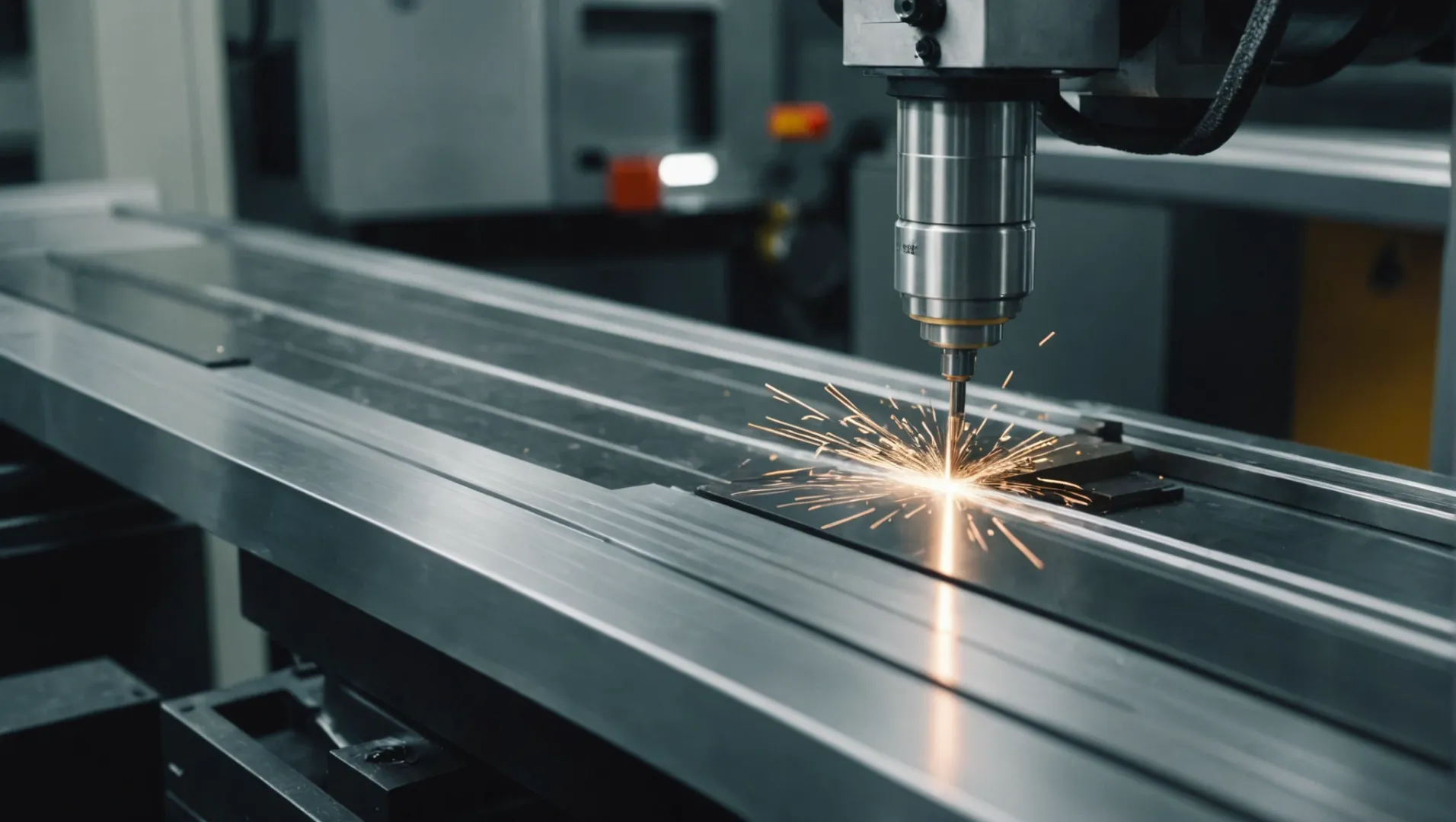
Tool Wear and Material Hardness
One of the primary challenges in CNC machining aluminum4 is the rapid tool wear caused by aluminum’s abrasive properties. Although aluminum is generally softer than many other metals, certain aluminum alloys can lead to increased tool wear. Using carbide or diamond-coated tools can mitigate this issue but raises production costs.
Heat Management
Aluminum’s excellent thermal conductivity can be both an advantage and a challenge. Managing heat during machining is crucial to prevent tool and workpiece damage. Excessive heat can lead to thermal expansion, affecting dimensional accuracy. Implementing coolant systems or optimizing feed rates are essential strategies for maintaining temperature control.
Chip Removal
Efficient chip removal is critical in CNC machining to avoid re-cutting chips, which can damage the surface finish and tools. Aluminum tends to produce long, stringy chips that can clog machines if not managed properly. Techniques like high-pressure coolant systems or chip-breaking tools help in effective chip evacuation.
Maintaining Tight Tolerances
While CNC machines are designed for precision, achieving tight tolerances with aluminum requires careful planning. Factors such as machine calibration, tool deflection, and thermal expansion need constant monitoring. Employing advanced CNC software5 that predicts and compensates for these variables can enhance accuracy.
Surface Finish Quality
Achieving a high-quality surface finish on aluminum parts can be challenging due to its tendency to form a built-up edge (BUE) on cutting tools. The BUE can lead to rough surfaces and increased tool wear. Optimizing cutting speeds, using appropriate lubricants, and selecting the right cutting tools are essential practices to improve surface finishes.
Balancing Speed and Precision
The demand for high-speed machining often conflicts with the need for precision. Striking a balance between speed and precision involves selecting the right cutting parameters and tool paths. Integrating smart technologies6 that automatically adjust these parameters based on real-time data can enhance both speed and precision.
Tool wear is a major challenge in CNC aluminum machining.True
Aluminum's abrasive nature increases tool wear, especially with certain alloys.
High-speed machining always improves precision in CNC processes.False
Balancing speed and precision is crucial, as they often conflict.
How Do Different Industries Benefit from CNC Machined Aluminum Components?
CNC machined aluminum components are revolutionizing industries with their precision, durability, and lightweight characteristics, offering multifaceted benefits across sectors.
Different industries benefit from CNC machined aluminum components by leveraging their precision, lightweight properties, and versatility. These components enhance efficiency, reduce costs, and improve performance in sectors like automotive, aerospace, electronics, and healthcare.
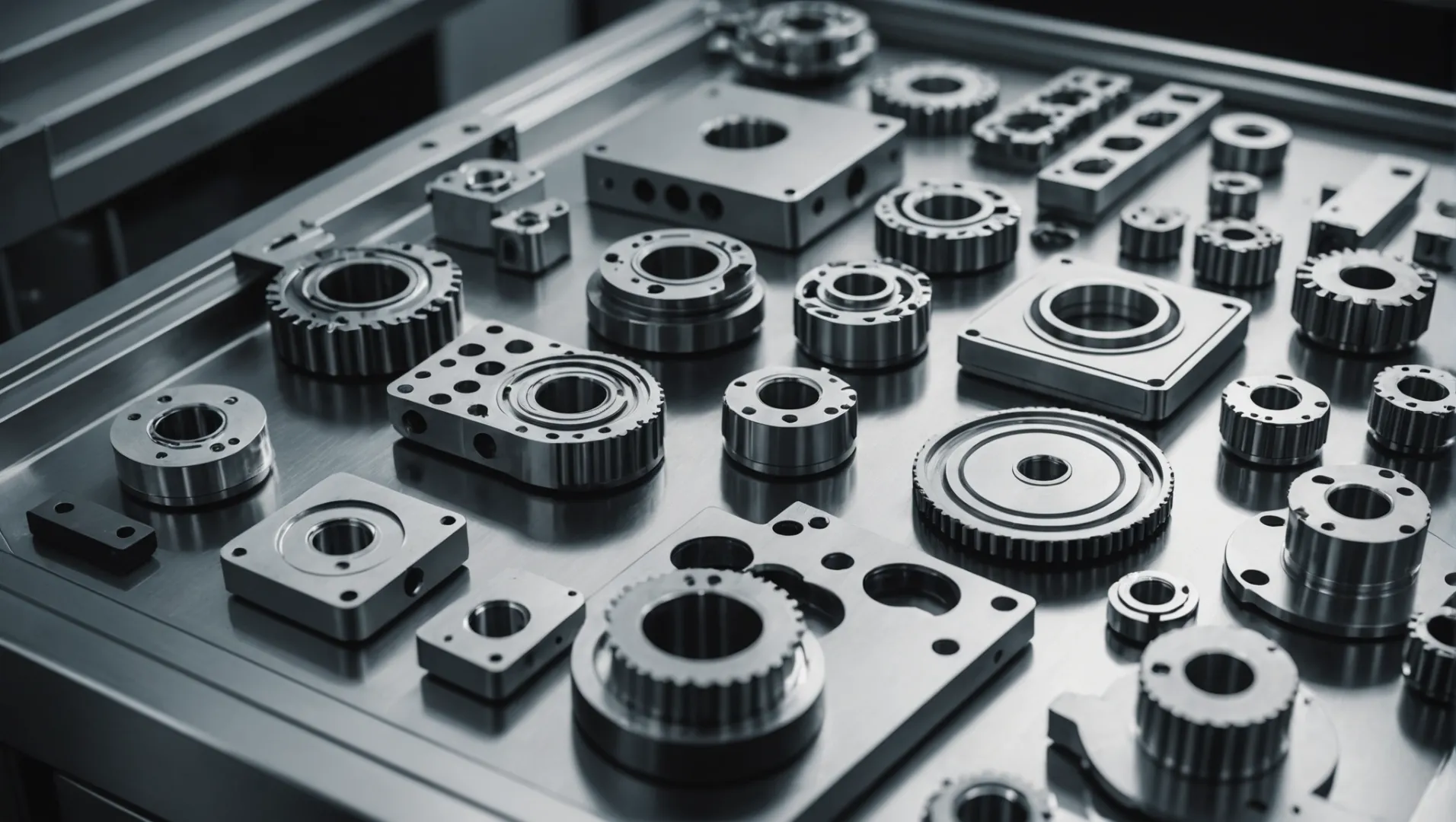
Automotive Industry: Revolutionizing Efficiency and Performance
In the automotive sector, CNC machined aluminum7 components significantly reduce vehicle weight, leading to improved fuel efficiency and lower emissions. The ability to create precise engine parts and structural components means better overall performance and safety. Car manufacturers increasingly adopt these lightweight components to meet stringent environmental regulations without compromising on performance.
Aerospace: Enhancing Strength and Reducing Weight
The aerospace industry greatly benefits from CNC machined aluminum due to the material’s excellent strength-to-weight ratio. Aircraft structures and components made from aluminum can withstand high stress while keeping the aircraft light. This reduction in weight translates to enhanced fuel efficiency and longer range, crucial factors in aviation. Moreover, the precision of CNC machining ensures that every part fits perfectly, reducing wear and tear.
Electronics: Optimal Performance and Heat Management
CNC machined aluminum is pivotal in the electronics industry, particularly for housing components that require excellent heat dissipation. Its high electrical conductivity and the ability to form complex geometries allow for effective thermal management in devices like computers and smartphones. Manufacturers use these components to produce reliable, high-performance electronic devices.
Healthcare: Precision and Customization in Medical Equipment
In the healthcare sector, the demand for precise and customizable medical equipment is growing. CNC machined aluminum is ideal for producing intricate surgical tools and devices due to its biocompatibility and ability to achieve fine tolerances. Custom implants and prosthetics benefit from CNC machining’s accuracy, enhancing patient outcomes.
Machinery Manufacturing: Durability and Consistency
Machinery manufacturers utilize CNC machined aluminum for producing durable components like gears, bearings, and housings. The material’s excellent machinability allows for creating parts with tight tolerances consistently. This leads to machinery that performs reliably over extended periods with minimal maintenance.
Future Outlook: Expanding Applications and Innovations
As industries continue to innovate, the use of CNC machined aluminum is expected to expand into new applications. The ongoing development of advanced alloys and surface treatments will further enhance the material’s capabilities, opening up new possibilities across various sectors.
CNC aluminum reduces automotive emissions.True
Lightweight components improve fuel efficiency, lowering emissions.
CNC machined aluminum is not used in healthcare.False
It is used for precise medical tools and custom implants.
Conclusion
CNC deep machining significantly enhances aluminum’s utility across various industries by ensuring precision and efficiency. Its vital role in sectors like aerospace and automotive underscores its value. Explore further to leverage CNC technology for your manufacturing needs.
-
Learn advanced methods to optimize drilling and milling aluminum.: Aluminum machining entails the diverse range of processes used in shaping, cutting or forming aluminum workpieces into precise, dimensionally complete forms. ↩
-
Explore the use of CNC machined aluminum in aerospace applications.: Aerospace CNC machining involves using computer-aided tools and components to produce and maintain aircraft and space parts. ↩
-
Discover detailed comparisons of CNC vs traditional machining benefits.: Advantages of CNC Machining · High Precision and Repeatability: CNC machines produce parts with exceptional accuracy, meeting stringent industry standards. ↩
-
Explore specific challenges faced when machining aluminum components.: When machining aluminum, you need very high cutting speeds to get the best results. In addition, cutting edges must be hard and very sharp. ↩
-
Discover how software enhances precision in CNC machining.: The right CNC software can help optimize your workflow by integrating CAD, CAM, CAE, and simulations in one package. ↩
-
Learn how smart technologies improve machining efficiency and accuracy.: 2024’s CNC machining: a transformative leap with AI, smart factories, and advanced digital supply chain solutions for peak efficiency. ↩
-
Learn how car manufacturers boost performance with CNC aluminum parts.: CNC machining offers unparalleled efficiency and precision–making it a preferred manufacturing method for various industries, from aerospace to electronics to … ↩