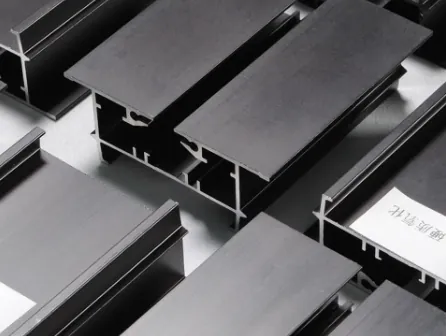
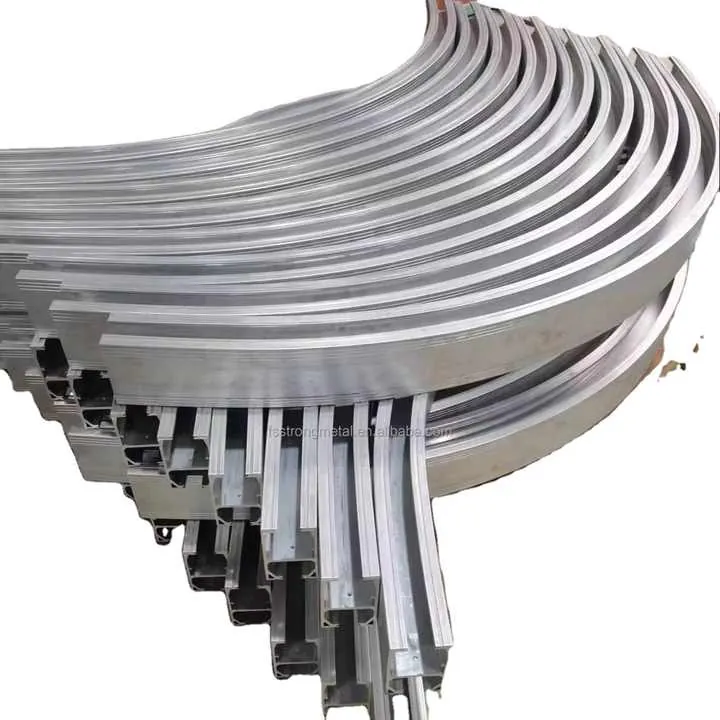
Aluminum extrusion SGS inspection scope?

Aluminum extrusion products are widely used in construction, solar systems, transportation, and industrial equipment. Many buyers face a common problem. The product looks correct at first glance, but hidden quality issues appear during installation or long-term use. These issues can lead to delays, extra cost, and even project failure.
SGS inspection is used to reduce these risks. It is a third-party quality control system that checks aluminum extrusion products before shipment. It confirms whether products meet agreed specifications in material, dimensions, surface quality, and sometimes performance testing.
This inspection is widely used in international B2B trade because it provides neutral verification. It helps both buyers and suppliers avoid disputes and build long-term trust.
What does an SGS inspection cover for extrusions?
SGS inspection is not a single fixed checklist. It is a structured quality system that changes based on product type, customer requirements, and contract details. However, most aluminum extrusion inspections follow a similar core framework.
The inspection usually focuses on material verification, dimensional accuracy, surface condition, packaging quality, and optional performance testing.
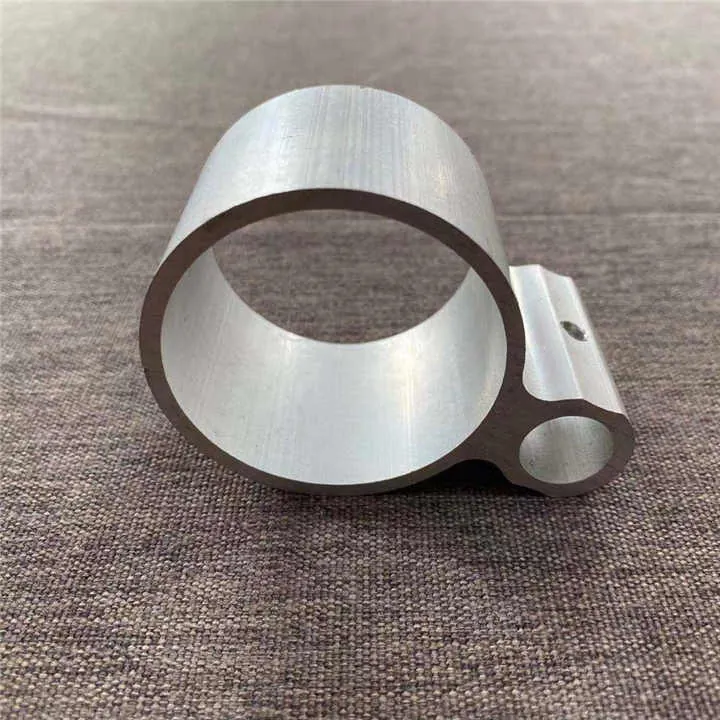
Inspection services are commonly performed by SGS SA, a global third-party testing and certification organization. Its role is to act as an independent party between buyer and supplier. This independence reduces bias and improves trust in results.
Main inspection coverage areas
SGS inspectors typically evaluate the following:
- Aluminum alloy grade confirmation such as 6063-T5 or 6061-T6
- Surface treatment condition including anodizing, powder coating, or wood grain finish
- Profile shape accuracy and extrusion consistency
- Length and cutting precision
- Packaging strength and labeling correctness
- Batch consistency compared to approved samples
Each item is checked against technical drawings or agreed specifications. If drawings are incomplete, inspectors often refer to international standards for reference.
Inspection coverage summary
| Category | What Is Checked | Purpose |
|---|---|---|
| Material | Alloy composition and grade | Ensure strength and durability |
| Surface | Scratches, coating quality, oxidation | Ensure appearance and corrosion resistance |
| Dimensions | Length, width, thickness | Ensure assembly accuracy |
| Packaging | Protection, labeling, bundling | Prevent transport damage |
SGS inspection is widely accepted in global trade because it reduces uncertainty and helps ensure product consistency across large production batches.
How are visual and dimensional criteria evaluated?
Visual and dimensional inspection is one of the most important parts of aluminum extrusion quality control. Even small defects can affect installation performance, especially in precision engineering applications.
SGS inspectors use standardized methods, calibrated tools, and sampling systems to evaluate product quality.
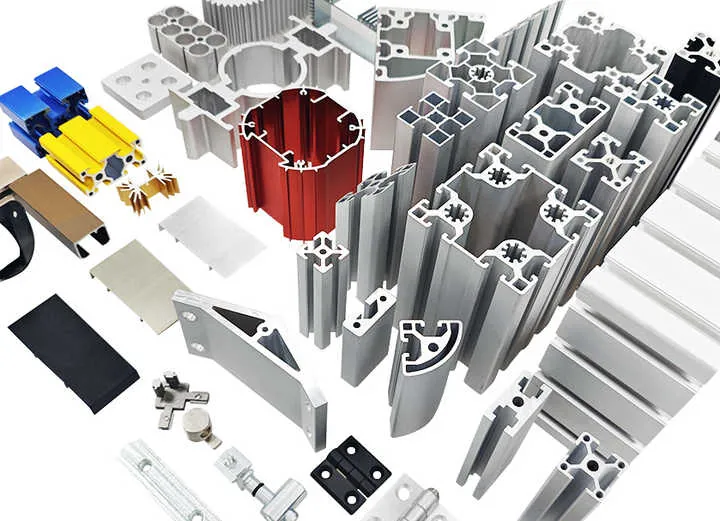
Visual inspection focuses on surface condition. Inspectors carefully examine each sample under controlled lighting. They look for scratches, dents, color variation, flow marks, die lines, and oxidation spots. Each defect is classified based on severity, size, and location.
Dimensional inspection focuses on measurement accuracy. Tools such as calipers, micrometers, height gauges, and custom go/no-go gauges are used to verify dimensions.
Common visual issues include
- Surface scratches
- Uneven coating
- Color differences between batches
- Die marks from extrusion process
- Small pits or bubbles on surface
Visual acceptance depends on product application. For example, visible architectural profiles require stricter standards than hidden industrial components.
Dimensional inspection process
Dimensional control is based on technical drawings. Every measurement must fall within tolerance limits agreed between buyer and supplier.
Dimensional tolerance table
| Dimension Type | Tool Used | Typical Tolerance |
|---|---|---|
| Length | Digital caliper or tape measure | ±0.5 mm to ±2 mm |
| Thickness | Micrometer | ±0.1 mm to ±0.3 mm |
| Width | Caliper | ±0.2 mm to ±0.5 mm |
| Angle | Angle gauge | ±1° to ±2° |
SGS also applies AQL sampling rules. This means only selected samples are tested instead of every piece in a batch. Sampling size depends on order quantity and inspection level.
Industries such as automotive and aerospace often require tighter tolerances because even small errors can affect system performance and safety.
Can clients request custom SGS test items?
Standard SGS inspection is often not enough for specialized industries. Many applications require deeper testing to confirm mechanical performance, corrosion resistance, and long-term durability.
Clients can request custom test items based on project requirements. These tests help ensure aluminum extrusions perform correctly under real working conditions.
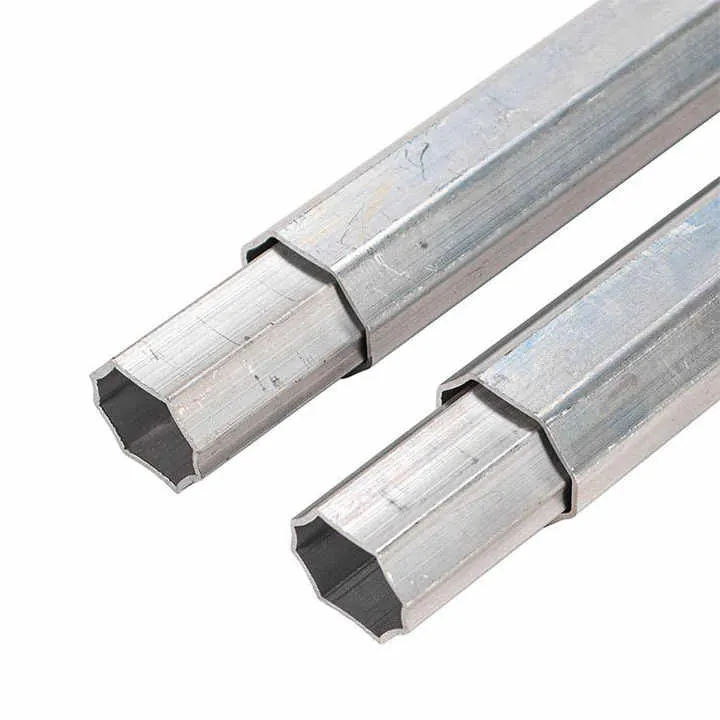
Custom testing is especially important in solar energy systems, transportation structures, and industrial machinery where materials face continuous stress.
Common custom test items
- Tensile strength testing
- Yield strength measurement
- Hardness testing (Brinell or Rockwell)
- Salt spray corrosion testing
- Coating thickness measurement
- Load-bearing simulation
- Assembly fit testing
These tests evaluate how aluminum profiles behave under stress, pressure, and environmental exposure.
Custom testing workflow
Custom inspection usually follows a structured process:
- Customer defines technical requirements
- SGS evaluates feasibility and test standards
- Samples are selected from production batch
- Laboratory testing is conducted
- Final report is issued with detailed results
Testing methods often follow international standards developed by ISO and other recognized organizations. SGS laboratories use standardized procedures to ensure consistency across countries.
Comparison of standard vs custom inspection
| Inspection Type | Focus Area | Application |
|---|---|---|
| Standard SGS inspection | Appearance and dimensions | General trade products |
| Custom SGS testing | Mechanical and environmental performance | High-performance engineering projects |
Custom testing helps reduce long-term risk. It prevents failures after installation and reduces warranty claims. It also improves confidence in large procurement projects with strict technical requirements.
For manufacturers like Sinoextrud, custom testing supports flexible production while maintaining stable quality control for global customers.
Are SGS reports accepted globally for compliance?
International trade depends on reliable documentation. Buyers, customs officers, and engineers need trusted proof that products meet required standards. SGS reports are widely used for this purpose.
SGS inspection reports are accepted in many countries because they follow international testing standards and are issued by a globally recognized third-party organization.

Reports are issued by SGS SA, which operates globally and provides inspection and certification services across multiple industries.
Reasons SGS reports are widely accepted
- Independent third-party verification
- Standardized inspection procedures
- Global laboratory and inspection network
- Traceable documentation system
- Alignment with ISO-based standards
Global acceptance overview
| Region | Acceptance Level | Common Use |
|---|---|---|
| North America | High | Construction and industrial imports |
| Europe | High | Automotive and architectural systems |
| Japan | High | Precision manufacturing supply chains |
| Middle East | High | Infrastructure and energy projects |
| Africa | Medium to High | Construction and development projects |
SGS reports are often required during customs clearance. They also play an important role in resolving disputes between buyers and suppliers. When disagreements happen, the report provides neutral technical evidence.
However, SGS reports only verify compliance with agreed specifications. If technical drawings or contracts are unclear, inspection results alone cannot solve disputes. Clear communication between buyer and supplier remains essential.
For global exporters like Sinoextrud, SGS compliance strengthens trust in international markets. It supports stable long-term cooperation across North America, Europe, Japan, the Middle East, and Africa.
Conclusion
SGS inspection for aluminum extrusion provides structured quality control covering material, dimensions, surface quality, and optional performance testing. It reduces risk, improves transparency, and supports reliable global trade.