Can I use 6061-T6 instead of 7075-T6?
I know choosing between these alloys can be tricky. You want clear insight into their strengths, costs, and practical use.
You’ll see how 6061-T6 compares to 7075-T6 in properties, applications, trade-offs, and costs—so you can decide if substitution works for your design.
What are mechanical differences between 6061-T6 and 7075-T6?
6061-T6 is a versatile magnesium-silicon alloy with moderate strength, good ductility, and excellent weldability. It has a yield strength around 270?MPa, ultimate tensile strength of ~310?MPa, and elongation of about 10%.
7075-T6 is almost twice as strong, with ~480 MPa yield and ~560 MPa tensile strength, but is less weldable and more brittle.
Both alloys have nearly identical stiffness (~69–70?GPa). 7075-T6 is harder and has better fatigue strength but worse corrosion resistance. 6061 performs better in marine or chemical environments, and it’s more forgiving in forming or welding operations.
| Property | 6061-T6 | 7075-T6 |
|---|---|---|
| Yield Strength | ~270 MPa | ~480 MPa |
| Tensile Strength | ~310 MPa | ~560 MPa |
| Elongation | ~10% | ~7.9% |
| Hardness (Brinell) | ~93 | ~150 |
| Modulus of Elasticity | ~69 GPa | ~71.7 GPa |
6061-T6 has higher tensile strength than 7075-T6.False
7075-T6 has significantly higher strength than 6061-T6.
6061-T6 is easier to weld than 7075-T6.True
6061-T6 has excellent weldability, while 7075-T6 is difficult to weld.
In what applications is 6061-T6 a good substitute?
6061-T6 can replace 7075-T6 in many cases if high strength isn’t the main requirement.
6061-T6 is suitable for structural parts, frames, marine hardware, brackets, and automotive parts where extreme strength is not needed.
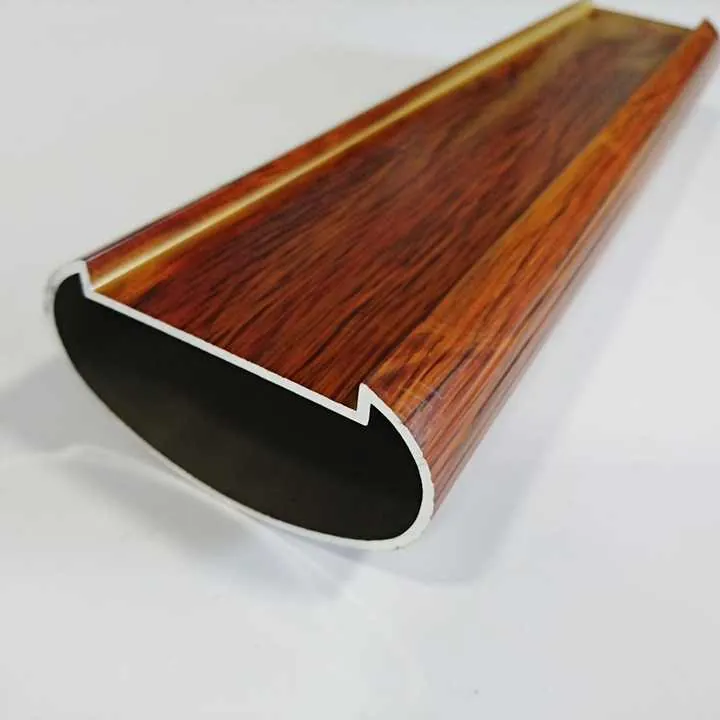
It’s an ideal substitute for products that need corrosion resistance, ease of machining, or welding compatibility. Common uses include:
- Architectural structures
- Bicycle frames
- Boat components
- Vehicle chassis
- Fixtures and mounts
However, it’s not a great substitute for aerospace, military, or high-load components that require maximum strength-to-weight performance.
6061-T6 can replace 7075-T6 in aerospace structural components.False
7075-T6 is used in aerospace due to its higher strength and fatigue resistance.
6061-T6 is used for general-purpose structural applications.True
It provides a good balance of strength, machinability, and corrosion resistance.
What trade-offs exist when substituting 6061-T6 for 7075-T6?
There are several compromises to consider:
6061-T6 offers lower strength and fatigue resistance, but better corrosion resistance, weldability, and lower cost.
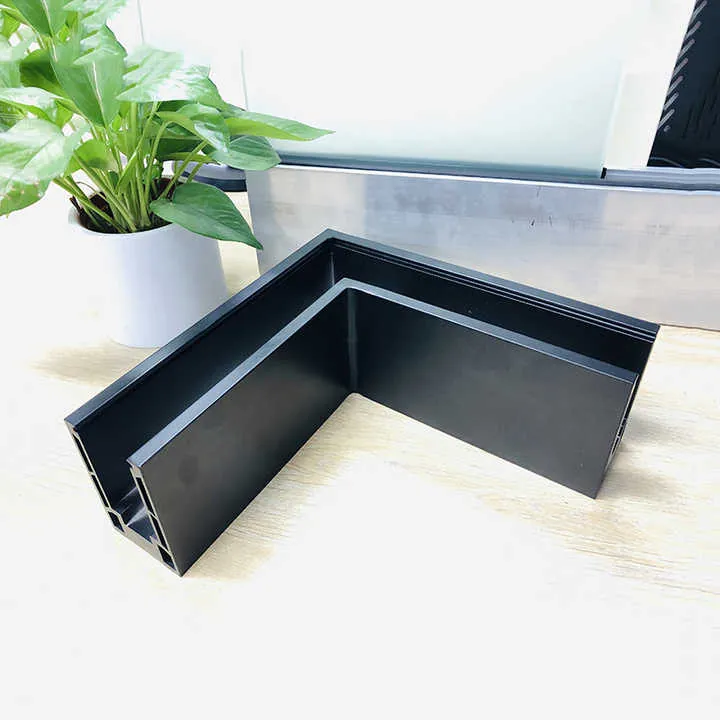
Key trade-offs:
- Strength: You may need to increase part thickness to compensate.
- Fatigue Life: Not suitable for cyclic loading or precision tools.
- Corrosion: Better in saltwater or wet environments.
- Weight: To match 7075 strength, 6061 parts may be bulkier.
- Machining & Welding: 6061 machines and welds better.
When designing for substitution, evaluate mechanical loads, environment, and fabrication process. In most structural or decorative projects, 6061 is acceptable. For aerospace or critical fatigue-sensitive components, 7075 remains the better choice.
| Factor | 6061-T6 | 7075-T6 |
|---|---|---|
| Weldability | Excellent | Poor |
| Corrosion Resistance | Excellent | Fair |
| Fatigue Strength | Moderate | High |
| Cost | Lower | Higher |
7075-T6 is better for fatigue-critical parts like landing gear.True
It has higher fatigue strength and tensile strength.
6061-T6 can match 7075-T6 in all load-bearing situations.False
6061 cannot match 7075's strength in heavy-duty applications.
How does cost compare between 6061-T6 and 7075-T6?
Cost is a major factor in choosing between these alloys.
6061-T6 is 30–50% cheaper than 7075-T6 and more economical to machine and weld.
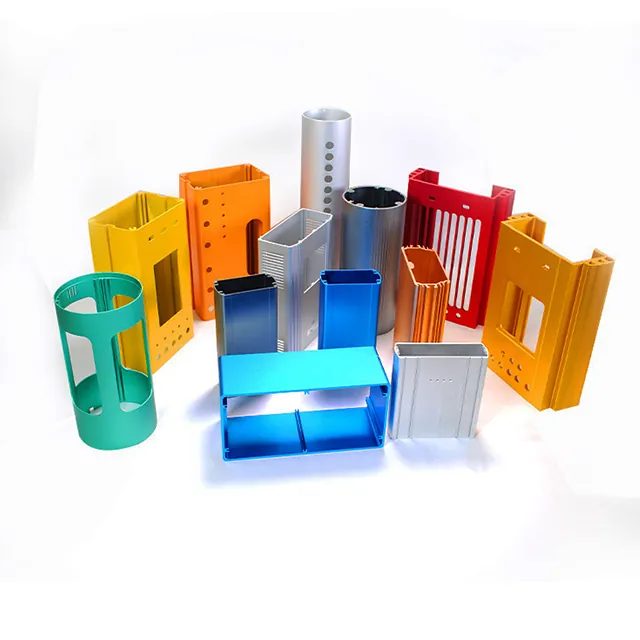
Current pricing (approximate):
| Material | Price per Pound (USD) |
|---|---|
| 6061-T6 | $3.50–$4.00 |
| 7075-T6 | $5.00–$6.00 |
7075 also increases tooling cost due to its hardness. For mass production, these differences scale up quickly. If performance can be maintained with a slightly larger or thicker 6061 part, overall cost and fabrication time are reduced.
7075-T6 costs more to machine and finish than 6061-T6.True
7075 is harder and more difficult to work with, increasing cost.
6061-T6 is the most expensive aluminum alloy available.False
Many specialty alloys like 7075 or 2024 cost more than 6061.
Conclusion
Yes, you can use 6061-T6 instead of 7075-T6 when strength and fatigue are not mission-critical. 6061 is more affordable, easier to weld, and has excellent corrosion resistance.
Always evaluate:
- Required mechanical loads
- Operating environment
- Budget and fabrication processes
If you’re unsure, I can help assess whether 6061-T6 meets your project’s specs and suggest smart adjustments for material substitution.