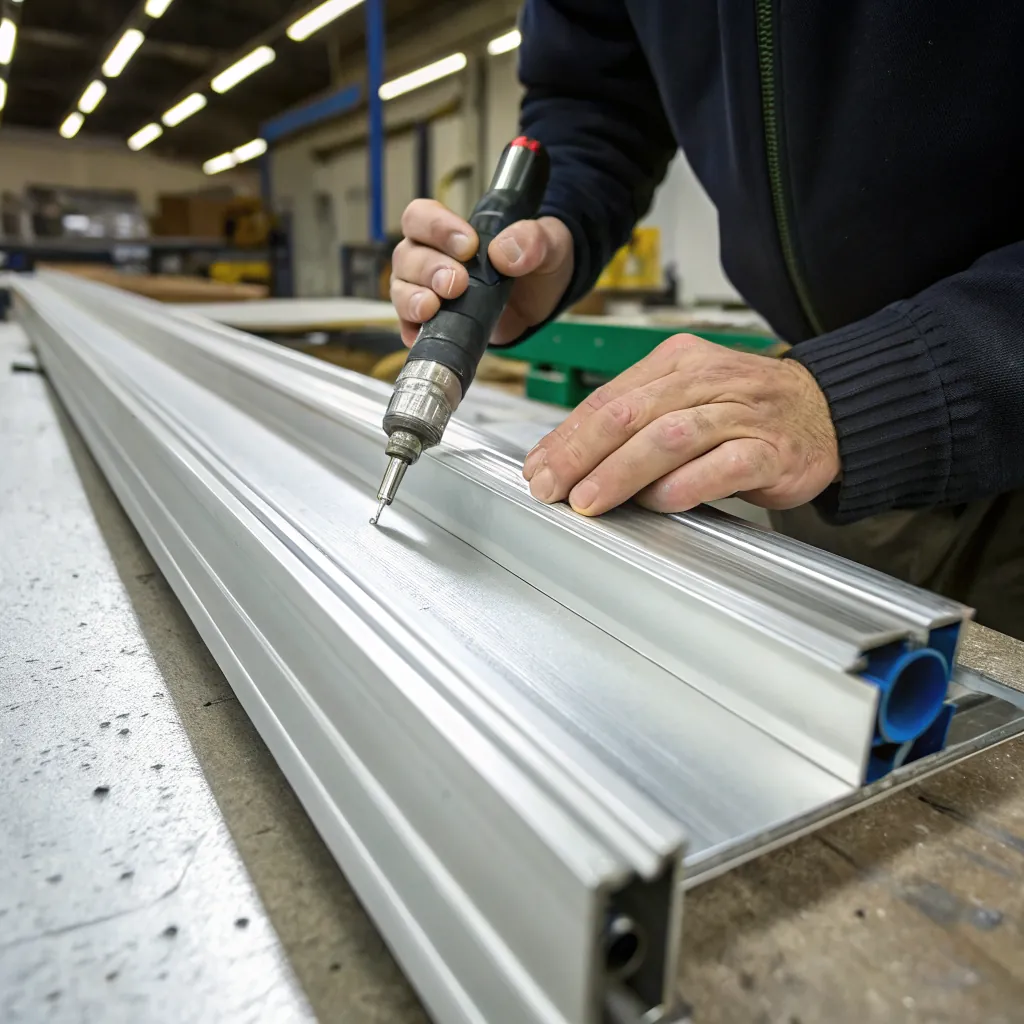
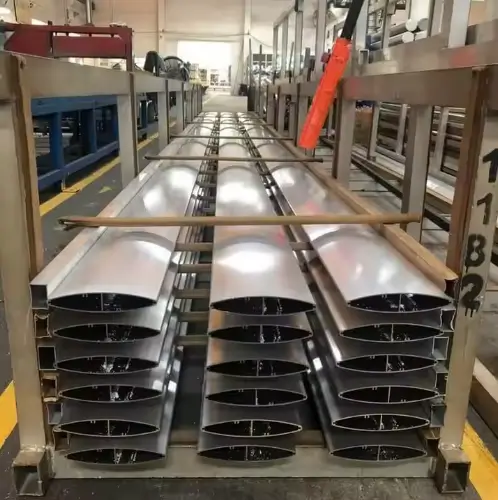
Aluminum extrusion risk of deformation in transit?

Moving aluminum profiles across long distances often hides a quiet risk. Bent ends, twisted walls, and bowed lengths appear after arrival. These defects waste time and money, and they can break trust with buyers.
Yes, aluminum extrusions can deform during transit if forces exceed their elastic limits, support is uneven, or packing fails to control movement. Most damage happens after production, not during extrusion, and it is preventable with proper design, packing, and checks.
Many buyers focus on alloy and tolerance at the factory. Fewer look at transport physics. That gap is where losses happen. Understanding causes, packing methods, profile thickness, and inspections keeps profiles straight from press to site.
What causes deformation during aluminum transport?
Small forces add up during shipping. Long profiles act like beams. When support points are wrong, gravity and vibration do the rest.
Deformation during transport is caused by vibration, uneven support, stacking pressure, temperature change, and handling impacts. These forces create bending stress that slowly exceeds what the profile can recover from.

Transport forces that matter
Road, sea, and rail all create repeated vibration. Each cycle is small. Over days, it becomes fatigue-like bending. Forklifts add point loads. Cranes add swing loads. If profiles are long, even a small mid-span load causes bowing.
Support spacing errors
Many bundles rest only at the ends. This creates a long unsupported span. Aluminum has good strength but low stiffness compared to steel. That means it bends more under the same load. If supports are too far apart, elastic bending turns into plastic set.
Stacking pressure
Bundles stacked too high push weight into the lower layers. Thin wall sections flatten first. Hollow profiles suffer wall collapse if pressure is uneven.
| Cause | Typical source | Result |
|---|---|---|
| Vibration | Trucks, ships | Gradual bow |
| Point load | Forklift tines | Local dent |
| End-only support | Pallets | Mid-span bend |
| Over stacking | Warehouses | Ovalization |
Temperature effects
Aluminum expands and contracts with heat. During sea transport, day and night cycles change length. If profiles are tightly strapped, thermal movement creates internal stress. That stress releases as warping once straps are cut.
Handling mistakes
Dragging bundles, dropping one end, or lifting with a single strap all create sudden bending moments. One event can permanently deform a long profile.
Most transport deformation comes from repeated vibration and poor support rather than from alloy defects.True
Transport loads and support conditions create bending stress that exceeds elastic limits even when alloy quality is good.
Aluminum profiles only deform during transit if they were already defective at the factory.False
Sound profiles can deform due to vibration, stacking pressure, and handling errors during shipping.
How can packing reduce profile bending risk?
Packing is not decoration. It is structural support for the journey.
Proper packing reduces bending by controlling load paths, spacing supports, limiting movement, and spreading pressure evenly. Good packing turns many small forces into harmless ones.

Bundle design basics
Straightness depends on how the bundle behaves as one unit. Profiles must share load. Loose pieces bend alone. Tight but flexible bundles move together.
Support and spacing
Add intermediate supports. For long profiles, support spacing should be shorter than the critical span that causes elastic deflection. Wood battens or steel frames work if placed correctly.
Strapping method
Straps should be firm but not crushing. Too loose allows movement. Too tight causes local wall collapse. Use edge protectors to spread load.
| Packing method | Benefit | Risk if wrong |
|---|---|---|
| Wood crate | Full protection | High cost |
| Steel rack | Best stiffness | Return logistics |
| Pallet with battens | Balanced | Needs design |
| Soft wrap only | Low cost | High bend risk |
Anti-movement controls
Use spacers between layers. Add friction sheets or foam. The goal is to stop sliding. Sliding creates impacts at each vibration cycle.
Moisture and corrosion tie-in
Wet packing weakens wood supports. As wood softens, support spacing changes. That leads to delayed bending mid-journey.
Cost versus risk view
Packing adds cost per ton. Deformation adds rework cost, scrap, and delays. In B2B supply, the second cost is always higher.
Adding intermediate supports in packing significantly lowers the risk of mid-span bending during transit.True
Shorter unsupported spans reduce bending stress under gravity and vibration.
Soft wrapping alone is enough to prevent aluminum profile deformation during long-distance shipping.False
Soft wrap does not control support spacing or movement, which are key deformation drivers.
Are thicker profiles less prone to transit warping?
Thickness helps, but it is not a guarantee.
Thicker profiles resist warping better because higher moment of inertia reduces bending, but length, shape, and support still control risk. A thick but long profile can bend more than a thin but well-supported one.

Stiffness versus strength
Buyers often think in strength. Transport bending is about stiffness. Stiffness comes from section geometry, not just wall thickness. A deep hollow section can be stiffer than a solid thin bar.
Length dominates risk
Bending deflection increases with the cube of length. Doubling length increases deflection eight times. Thickness changes cannot offset extreme length without better support.
Shape sensitivity
Flat sections bend easily in one direction. Symmetric shapes resist twist. Asymmetric profiles twist under vibration if restrained unevenly.
| Factor | Effect on warping |
|---|---|
| Wall thickness | Medium |
| Profile depth | High |
| Length | Very high |
| Symmetry | High |
Real transport cases
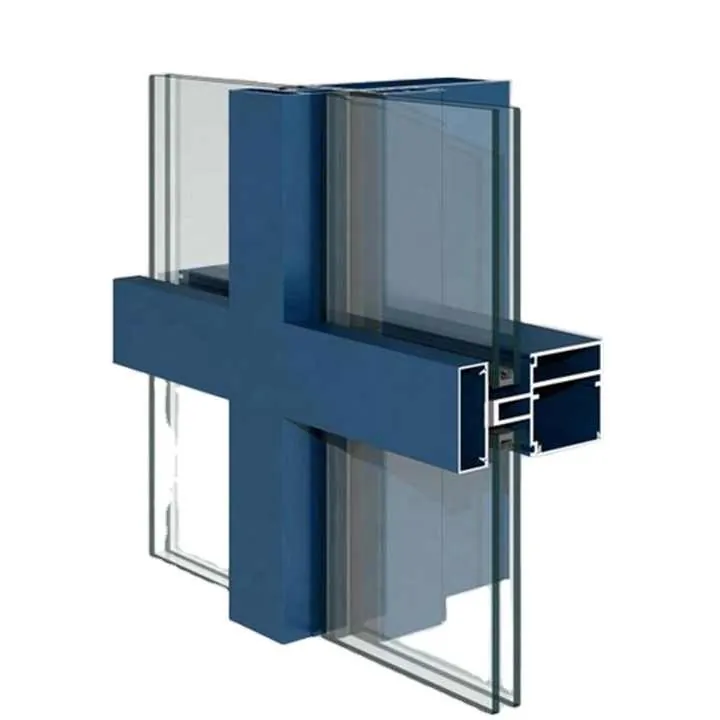
In past shipments, thick curtain wall mullions arrived bowed because they were supported only at ends. Meanwhile, thinner industrial rails arrived straight due to steel racks with close supports. This contrast shows why thickness alone misleads buyers.
Practical guidance
Do not downgrade packing just because walls are thick. Instead, combine thickness data with length and shape. Ask for transport simulations or simple beam checks.
Thicker aluminum profiles generally resist bending better during transit due to higher stiffness.True
Increased section inertia reduces deflection under the same load.
Wall thickness alone determines whether an aluminum profile will warp during shipping.False
Length, shape, and support conditions often outweigh thickness effects.
What inspections detect post-shipping deformation?
Finding deformation early protects downstream processes.
Post-shipping inspections detect deformation through straightness checks, twist measurement, visual cues, and fit tests. Early detection prevents assembly issues and disputes.
Visual inspection first
Place profiles on a flat surface. Look along the length. Bow and twist are often visible by eye. Check ends for flare or collapse.
Straightness measurement
Use feeler gauges or laser lines against reference tables. Measure deviation at mid-span. Compare with agreed tolerances.
Twist detection
Clamp one end. Measure rotation at the other. Even small twist angles cause assembly problems in frames and tracks.
| Inspection method | Tool | Detects |
|---|---|---|
| Visual | Eye, light | Gross bend |
| Flat table | Feeler gauge | Bow |
| Laser line | Laser | Long wave bend |
| Fit test | Mating part | Functional issue |
Sampling versus full check
High value or long profiles deserve 100 percent inspection. Short standard parts may use sampling. The key is to align inspection level with deformation risk.
Documentation and claims
Record data on arrival. Photos and numbers help resolve responsibility. Clear records speed corrective actions with carriers or packers.
Laser straightness checks can detect subtle transport-induced bowing that visual inspection may miss.True
Laser references reveal small deviations over long lengths.
Post-shipping inspection is unnecessary if the profiles passed factory quality checks.False
Transport can introduce new deformation after factory approval, so arrival inspection is critical.
Conclusion
Transport deformation is real but controllable. Causes are known, packing solutions exist, thickness has limits, and inspections catch issues early. When these steps work together, aluminum profiles arrive straight and ready for use.