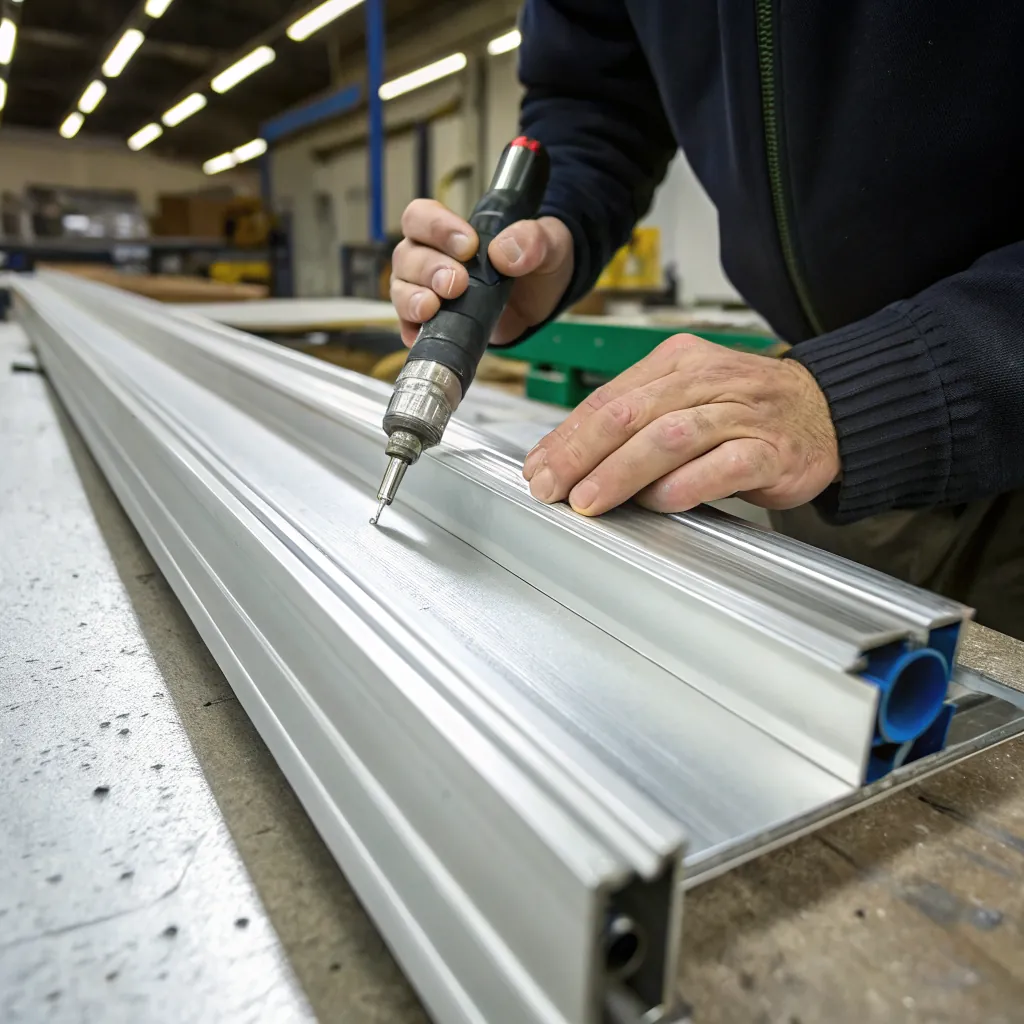
Aluminum extrusion preferred alloy for CNC milling?

Aluminum parts fail when milling goes wrong. Chips stick, tools wear fast, and tolerance drifts. This problem wastes time and money. Choosing the wrong extrusion alloy often causes it.
Aluminum extrusion alloys like 6061 and 6063 are preferred for CNC milling because they balance strength, machinability, and surface quality. The right alloy reduces tool wear, keeps tight tolerance, and lowers total machining cost.
Many buyers focus only on price or strength. That is not enough. Milling behavior depends on alloy chemistry, temper, and extrusion quality. Understanding these factors helps buyers avoid hidden risks and unstable production.
Which alloys offer best machinability for CNC operations?
Machining looks simple until production starts. Poor machinability causes chatter, built up edge, and bad finishes. Many extrusion alloys exist, but only a few work well for CNC milling.
The best aluminum extrusion alloys for CNC machining are 6061, 6063, and 6082 because they cut cleanly, form stable chips, and support tight tolerance at high speed.

Aluminum machinability depends on silicon, magnesium, and iron content. These elements control chip breaking and tool friction. Too little silicon causes gummy chips. Too much makes the alloy brittle.
Why machinability matters in CNC milling
Machinability affects every stage of CNC work. It changes cycle time, tool life, and scrap rate. Poor machinability does not always show in small batches. It shows up during long production runs.
Key effects include:
- Cutting force stability
- Heat generation at the tool edge
- Chip evacuation
- Tool coating life
A machinable alloy keeps forces predictable. This allows higher feed rates without vibration.
Common extrusion alloys and machinability comparison
| Alloy | Machinability rating | Typical CNC behavior | Risk level |
|---|---|---|---|
| 6061 | High | Clean chips, stable cut | Low |
| 6063 | Medium to High | Smooth finish, softer cut | Low |
| 6082 | Medium | Stronger, slightly harder | Medium |
| 6005A | Medium | Acceptable but less stable | Medium |
| 7075 | Low for extrusion | Hard, tool wear | High |
6061 is often the safest choice. It works well across many CNC machines. 6063 is softer, so it cuts easily, but it can deform if fixturing is weak.
Extrusion quality also affects machinability
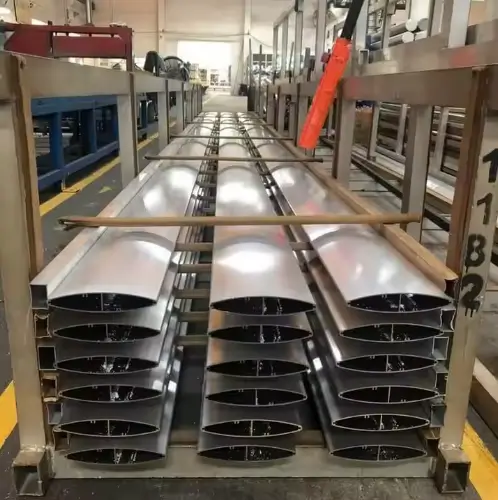
Two bars with the same alloy can machine very differently. Extrusion speed, die design, and cooling control grain structure. Poor extrusion leads to internal stress.
Signs of low extrusion quality include:
- Warping after milling
- Dimensional drift during cutting
- Inconsistent chip shape
Good suppliers control extrusion temperature and straightening. This produces uniform grain flow, which improves CNC stability.
When other alloys may work
Some buyers use 3003 or 5052 extrusions. These alloys form well but machine poorly. They smear during milling and create burrs.
These alloys may work if:
- Milling depth is shallow
- Surface finish requirement is low
- Manual deburring is acceptable
For precision CNC parts, they are risky choices.
6061 aluminum extrusion offers consistently high machinability for CNC milling across different machines.True
6061 has balanced silicon and magnesium content, which supports stable chip formation and low tool wear during CNC operations.
All aluminum extrusion alloys machine the same in CNC processes.False
Different alloy chemistries and extrusion qualities cause major differences in chip behavior, tool wear, and surface finish.
How do different tempers affect milling precision?
Many buyers focus on alloy but ignore temper. This is a mistake. Temper controls hardness, stress level, and dimensional stability during milling.
T6 and T5 tempers are preferred for CNC milling because they provide stable hardness and reduce deformation during cutting.

Temper describes heat treatment after extrusion. It changes how the metal reacts under cutting force. Wrong temper causes part movement mid process.
Understanding common extrusion tempers
| Temper | Description | Milling impact |
|---|---|---|
| T5 | Cooled from extrusion, aged | Softer, smooth cut |
| T6 | Solution heat treated, aged | Harder, stable |
| T4 | Naturally aged | Unstable for CNC |
| F | As fabricated | High internal stress |
T6 is most common for CNC parts. It balances hardness and dimensional control. T5 is softer and easier to cut, but it may flex under heavy loads.
How temper affects precision
Precision CNC milling needs predictable material behavior. Temper affects this in three ways:
- Elastic recovery after cutting
- Stress release during machining
- Edge sharpness retention
Soft tempers spring back more. This causes undersize features. Hard tempers resist deformation but increase cutting force.
T5 vs T6 in real production
In high volume runs, T6 often gives better consistency. Tool offsets remain stable. Scrap rate stays low.
T5 may give a better surface finish at low speeds. But under aggressive milling, parts may move after unclamping.
Stress relief and warping risk
Improper temper control leads to residual stress. During milling, stress releases unevenly. This causes bowing or twisting.
Best practices include:
- Rough machining first
- Rest period between operations
- Final finish pass at low load
Choosing the right temper reduces these risks from the start.
T6 temper aluminum extrusion provides better dimensional stability for CNC milling than T4 temper.True
T6 temper undergoes full heat treatment, reducing internal stress and improving stability during machining.
Softer tempers always improve CNC milling accuracy.False
Softer tempers may deform under cutting force, leading to size variation and poor repeatability.
Is 6061 or 6063 better for CNC processing?
This question comes up in almost every project. Both alloys are common. Both are extrusion friendly. But CNC behavior differs.
6061 is better for structural CNC parts, while 6063 is better for decorative or thin wall parts with high surface finish needs.
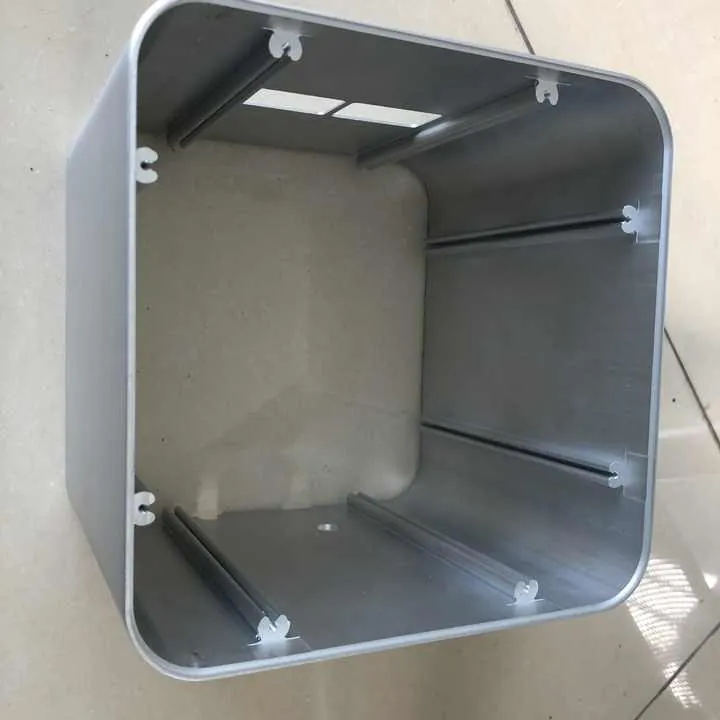
Choosing between them depends on part function, not just cost.
Mechanical and machining differences
| Property | 6061 | 6063 |
|---|---|---|
| Strength | Higher | Lower |
| Hardness | Higher | Lower |
| Machinability | Very good | Good |
| Surface finish | Good | Excellent |
| Dimensional stability | High | Medium |
6061 handles heavy cuts well. It keeps shape under load. 6063 cuts smoothly and polishes well.
CNC milling use cases for 6061
6061 works best when:
- Tight tolerance is required
- Parts have deep pockets
- Structural strength matters
- Multiple machining steps exist
It is forgiving across different machines and operators.
CNC milling use cases for 6063
6063 works best when:
- Parts are thin wall
- Visual appearance matters
- Post anodizing is required
- Cutting forces are light
It is common in frames, housings, and visible components.
Cost is not the only factor
6063 extrusion cost is often lower. But machining cost may rise due to deformation risk. 6061 may cost more per kg but saves machining time.
Total cost should include:
- Tool life
- Scrap rate
- Cycle time
- Rework risk
Buyers who only compare raw material price often regret it later.
6061 aluminum extrusion is generally more suitable for high precision CNC milling than 6063.True
6061 offers higher strength and dimensional stability, which supports tighter tolerances during aggressive machining.
6063 aluminum cannot be used for CNC milling.False
6063 can be CNC milled effectively, especially for thin wall or appearance focused parts, when cutting loads are controlled.
Can surface finish improve after CNC milling?
Many believe extrusion surface quality defines final appearance. This is only partly true. CNC milling can improve or destroy surface finish.
Surface finish can improve after CNC milling when the alloy, tool, and cutting parameters are properly matched.
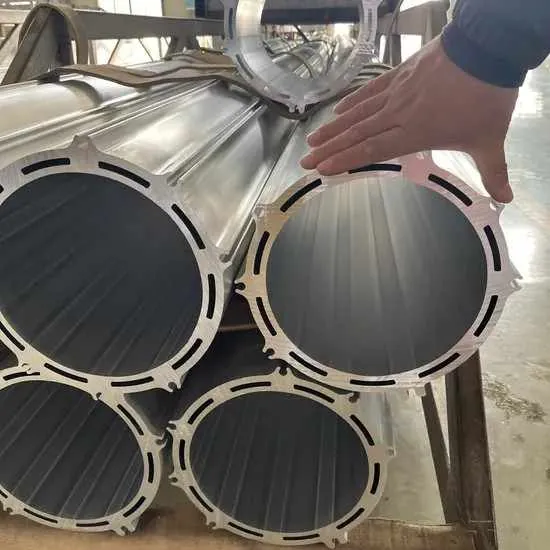
Milling removes extrusion lines and die marks. But poor setup leaves tool marks or chatter.
Factors that improve surface finish
Several elements work together:
- Alloy choice
- Tool geometry
- Spindle speed
- Feed rate
- Coolant or air
6063 and 6061 both respond well to proper finishing passes.
Roughing vs finishing strategy
Surface finish should not rely on one pass. A two stage approach works better.
- Roughing removes bulk material fast
- Finishing uses light cuts and high speed
This reduces vibration and heat.
Tool selection matters
Sharp tools with proper coating reduce friction. Dull tools smear aluminum and cause built up edge.
Common recommendations include:
- Polished flute tools
- High helix angles
- Sharp corner radius
These help chips evacuate cleanly.
Post milling surface options
After CNC milling, surfaces can be:
- Anodized
- Powder coated
- Brushed
- Polished
A good milled surface improves coating adhesion and appearance.
When CNC milling makes finish worse
Surface quality suffers when:
- Feed rate is too high
- Tool is worn
- Alloy is too soft
- Part is poorly fixtured
These issues create vibration marks and tearing.
Proper CNC milling parameters can improve aluminum extrusion surface finish compared to as extruded condition.True
Finishing passes remove die lines and smooth the surface when tooling and speeds are optimized.
Surface finish after CNC milling depends only on spindle speed.False
Surface finish also depends on alloy, tool geometry, feed rate, and fixturing stability.
Conclusion
Choosing the right aluminum extrusion alloy and temper directly affects CNC milling cost, precision, and surface quality. Alloys like 6061 and 6063 perform well when matched to the right application and machining strategy.