Aluminum extrusion lifespan in outdoor use?

Outdoor environments are unpredictable — from sun to snow, aluminum faces it all. So how long can aluminum extrusions actually survive outside?
Aluminum extrusions, when properly finished and maintained, can last 20 to 50 years outdoors. Factors like environment, surface treatment, and application method play a major role.
Let’s look at what affects lifespan, how coatings help, and what tests simulate real outdoor aging. Understanding these will help choose the right aluminum for long-term performance.
How long do aluminum extrusions last outdoors?
Outdoor aluminum structures often face UV, rain, salt, or snow. People worry if aluminum extrusions can handle such conditions without rusting or weakening.
Most outdoor-grade aluminum extrusions last 20–50 years, depending on the alloy, environment, and surface treatment. Marine areas and industrial zones shorten this range.
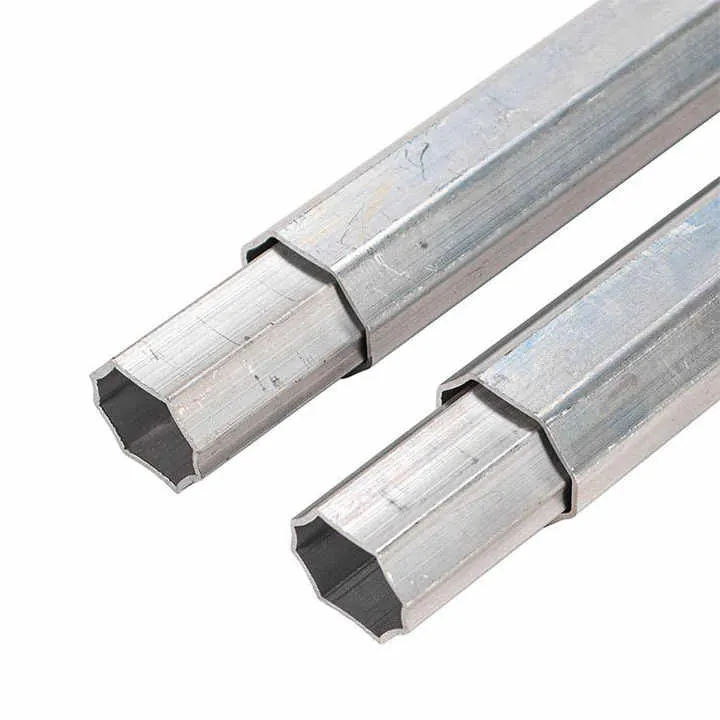
Aluminum forms a thin oxide layer that protects it naturally. Unlike iron, aluminum doesn’t rust. But that doesn’t mean all extrusions survive equally. There are key differences based on:
Key Variables
| Variable | Impact on Lifespan |
|---|---|
| Alloy Type (e.g. 6061) | Higher corrosion resistance |
| Surface Finish | Anodizing improves durability |
| Installation Location | Coastal/marine air shortens life |
| Maintenance Level | Regular cleaning prolongs lifespan |
For example, an anodized 6061-T6 aluminum frame used in a dry climate may last over 40 years. But the same material installed near the ocean, without coating, might degrade in under 10 years.
Typical Lifespan Ranges
| Use Case | Expected Lifespan |
|---|---|
| Residential Window Frames | 30–40 years |
| Solar Panel Structures | 25–35 years |
| Outdoor Furniture | 15–25 years |
| Marine Applications | 5–15 years |
Aluminum’s long life outdoors makes it a popular choice, especially when properly selected and treated.
Aluminum extrusions used outdoors typically last 20 to 50 years.True
This range reflects average outdoor durability across various environmental conditions and alloy types.
Aluminum always corrodes after 5 years outdoors, regardless of treatment.False
Properly treated aluminum can last several decades, especially with coatings like anodizing or powder coating.
What environmental factors reduce extrusion lifespan?
Even strong materials like aluminum aren’t immune to outdoor stress. Knowing what harms it helps in designing better solutions.
Harsh environments like coastal areas, acid rain, and industrial zones can corrode or weaken aluminum extrusions faster than usual.

Let’s break down the common outdoor threats that can reduce aluminum lifespan:
1. Saltwater or Marine Air
Sea breeze contains chloride ions that attack aluminum. Unprotected surfaces corrode faster, especially with regular wetting and drying cycles. This makes marine applications the harshest for aluminum.
2. Industrial Pollution
Factories may emit sulfur oxides or acidic compounds into the air. These react with moisture and settle on aluminum, increasing corrosion risk.
3. UV Radiation
Sunlight doesn’t break down aluminum itself. But it can fade coatings or degrade paints over time, exposing bare metal underneath.
4. Temperature Fluctuations
Extreme cycles between hot and cold cause metal fatigue and stress at joints or welds. This is especially true for long, unsupported profiles.
5. Acid Rain
Acidic precipitation speeds up pitting and surface corrosion, especially in uncoated aluminum.
6. Wind and Sand Erosion
In desert or coastal areas, abrasive wind particles can wear away protective coatings.
Practical Considerations
- Cleaning frequency matters: Regular removal of dirt and salt increases lifespan.
- Installation design helps: Avoid water traps and closed cavities.
- Surface finish protects: Anodizing or powder coating adds extra barriers.
Understanding the environment allows us to pick the right alloy and finish combination for maximum performance.
Salt-laden air can corrode aluminum extrusions faster, especially if uncoated.True
Chloride ions from sea air are aggressive toward bare aluminum.
Aluminum extrusions are not affected by acid rain.False
Acid rain accelerates corrosion, particularly in unprotected or painted extrusions.
Do coatings extend outdoor durability?
Even though aluminum is corrosion-resistant, coatings offer another layer of defense — especially when durability is non-negotiable.
Yes, protective coatings like anodizing, powder coating, and electrophoresis significantly extend aluminum’s lifespan by blocking moisture and contaminants.

Popular Coating Types
| Coating Type | Benefit | Durability Rating |
|---|---|---|
| Anodizing | Increases corrosion resistance, matte finish | ★★★★☆ |
| Powder Coating | Decorative and UV-resistant color layer | ★★★★☆ |
| PVDF Paint | High UV and chemical resistance | ★★★★★ |
| Electrophoresis | Smooth and elegant finish, added protection | ★★★☆☆ |
How Coatings Help
- Anodizing creates a thick oxide layer that’s integral to the metal.
- Powder coating forms a solid, painted layer that resists scratches and UV.
- PVDF (polyvinylidene fluoride) coatings provide excellent UV stability for facades.
- Electrophoretic coating (E-coating) improves appearance while adding a uniform barrier.
Use Case Matching
- Windows/doors: Anodizing or PVDF
- Solar frames: Powder coating or anodizing
- Furniture: Powder coating for aesthetics
- Marine: Heavy anodizing + sealant
Choosing the right coating based on climate and use can double or triple the product lifespan. It also improves aesthetics and reduces maintenance.
Anodized aluminum resists corrosion better than raw aluminum.True
Anodizing forms a thicker oxide layer that protects against moisture and chemicals.
Coatings have no effect on outdoor performance of aluminum extrusions.False
Proper coatings significantly improve resistance to UV, salt, and pollutants.
Which tests simulate outdoor aging conditions?
To predict how aluminum extrusions perform outdoors, labs use special tests. These simulate years of sun, salt, and moisture in days or weeks.
The most common tests include salt spray (ASTM B117), QUV weathering, and humidity cycling. These help evaluate coating durability and corrosion resistance.

Main Tests Explained
1. Salt Spray Test (ASTM B117)
Used to assess corrosion resistance. Aluminum samples are sprayed with a salt solution inside a chamber. Results show how coatings hold up in marine-like conditions.
- Duration: 500 to 3,000 hours
- Applications: Marine, coastal, and structural profiles
2. QUV Weathering Test
Simulates sunlight using UV lamps. Also cycles through condensation to mimic dew or humidity.
- Duration: 500 to 2,000 hours
- Simulates: Sunlight, rain, and heat
3. Humidity Chamber Testing
Exposes samples to 95–100% humidity at 38°C or higher. Measures how well coatings resist blistering or peeling under constant moisture.
4. Cyclic Corrosion Testing (CCT)
Combines salt, humidity, and dry air cycles to simulate real outdoor environments more accurately.
Why These Tests Matter
They give manufacturers like us confidence that a product can survive outdoors. Clients in Germany, Japan, or the US often ask for specific test certifications before purchase.
| Test Name | Purpose | Common Standard |
|---|---|---|
| Salt Spray | Corrosion resistance | ASTM B117 |
| QUV UV Exposure | Coating fade and breakdown | ASTM G154 |
| Humidity Cycling | Moisture damage resistance | ISO 6270 |
| CCT | Real-world accelerated aging | ISO 16701 |
Testing helps select the right treatment, especially for large construction projects or OEM applications.
QUV testing helps predict how coatings will fade under sunlight.True
QUV chambers simulate UV exposure and condensation, mimicking long-term outdoor sunlight.
Salt spray tests are not useful for aluminum extrusion coatings.False
They are widely used to measure corrosion resistance, especially for coastal applications.
Conclusion
Aluminum extrusions offer impressive longevity outdoors, especially when matched with the right alloy and finish. Coatings like anodizing or powder coating can extend lifespan by decades. By understanding environment and applying lab-tested treatments, aluminum stays strong under sun, salt, and time.