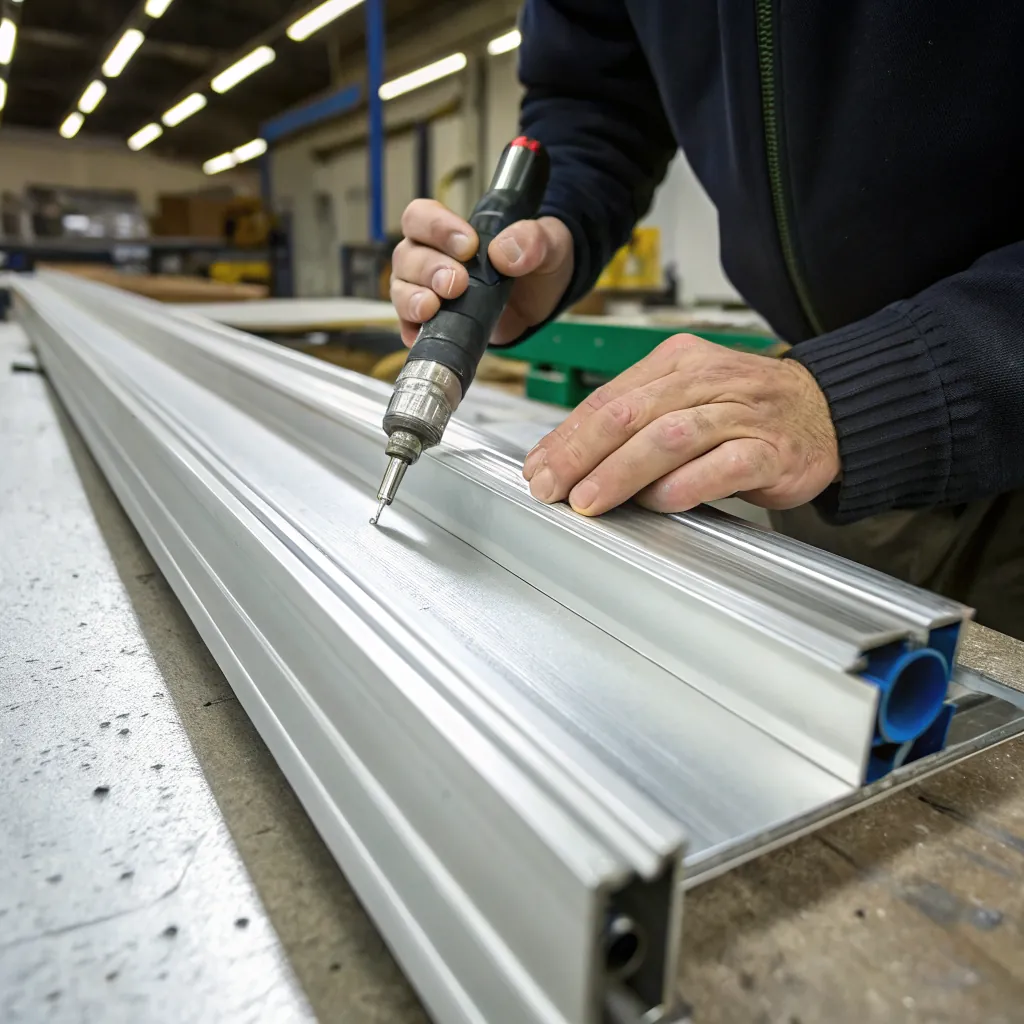
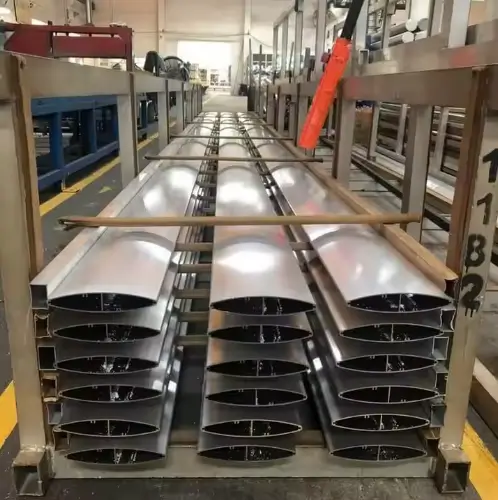
Aluminum extrusion compatibility with laser cutting?
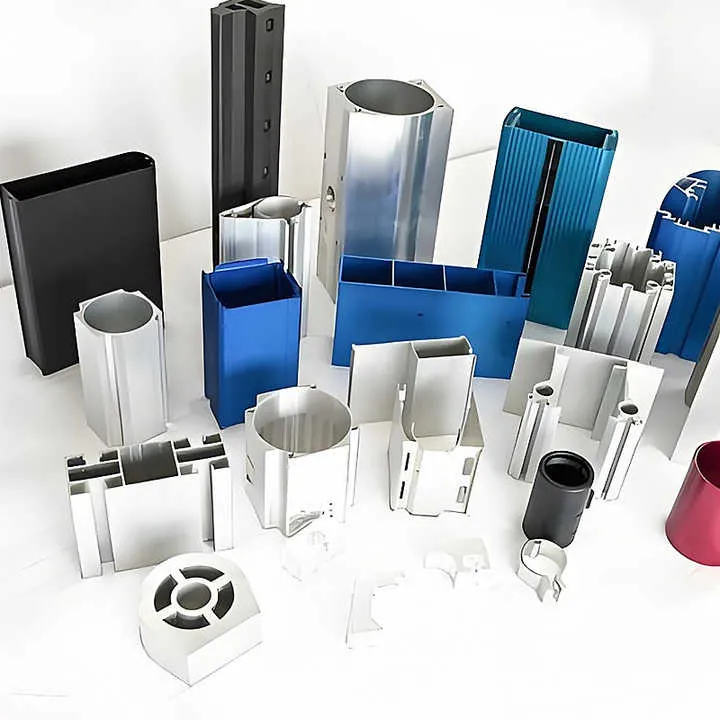
Laser cutting looks clean and fast, but many buyers hesitate when aluminum extrusions are involved. Concerns about reflection, burrs, and edge quality often stop projects early. This doubt creates delays and extra cost.
Aluminum extrusions are compatible with laser cutting when thickness, alloy, and process control are correctly selected. With the right setup, laser cutting delivers precise and repeatable results.
Once design teams understand the limits and advantages, laser cutting becomes a practical option instead of a risk.
Can aluminum extrusions be processed by laser cutting?
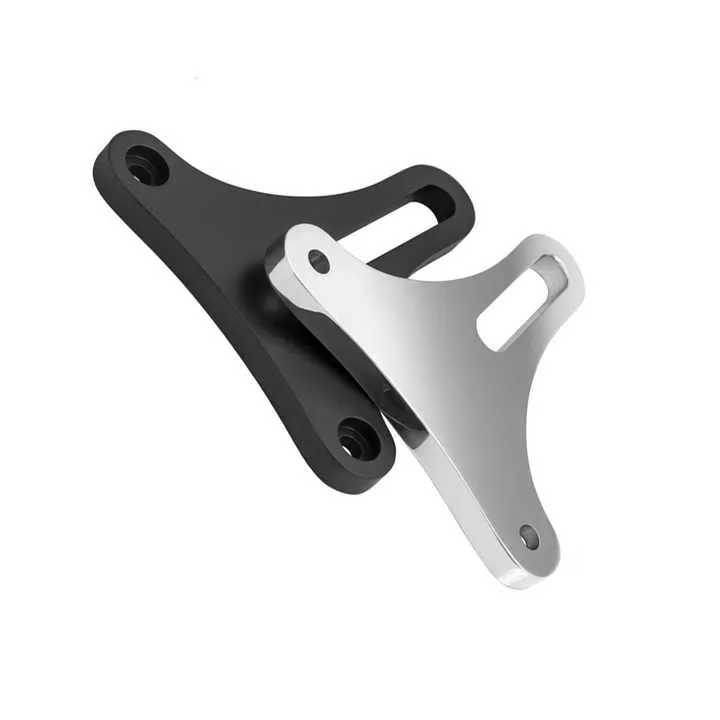
Many people still think laser cutting is only for steel. That view is outdated and leads to missed efficiency.
Aluminum extrusions can be laser cut, but they require specific laser types, parameters, and experience.
Why aluminum is different
Aluminum reflects laser energy more than steel. It also conducts heat fast. These two traits change how cutting works.
Key challenges include:
- High reflectivity at some wavelengths
- Fast heat dissipation
- Risk of back reflection to optics
Modern fiber lasers handle these issues better than older systems.
Suitable laser technologies
Not all lasers perform the same on aluminum.
Common options:
- Fiber laser
- CO2 laser
Fiber lasers are now preferred. They offer:
- Higher efficiency
- Better absorption
- Faster cutting speeds
CO2 lasers can cut aluminum, but with more limits on thickness and speed.
Typical extrusion applications
Laser cutting is often used for:
- Slotting and holes
- End trimming
- Window openings
- Profile modification
It works well when cuts are 2D and accessible.
Accuracy and repeatability
Laser cutting delivers tight tolerances.
Benefits include:
- Clean edges
- Minimal tool wear
- Digital repeatability
This supports automation and batch production.
Compatibility overview
| Factor | Laser cutting suitability |
|---|---|
| Simple holes | Very good |
| Complex shapes | Good |
| Thick sections | Limited |
| Internal cavities | Not accessible |
Laser cutting is compatible, but not universal.
Aluminum extrusions can be processed using modern laser cutting systems.True
Fiber lasers allow effective cutting of aluminum with proper settings.
Laser cutting cannot be used on aluminum extrusions at all.False
With correct equipment, aluminum extrusions can be laser cut successfully.
How do thickness and alloy impact laser cut quality?

Thickness and alloy choice often decide success or failure. Ignoring them causes rough edges and slow cycles.
Laser cut quality on aluminum extrusions strongly depends on wall thickness and alloy composition.
Effect of thickness
Thicker aluminum needs more energy.
As thickness increases:
- Cutting speed drops
- Edge roughness increases
- Dross risk rises
Thin walls cut cleanly. Thick sections need careful tuning.
Typical practical ranges:
- Under 3 mm: very good quality
- 3 to 6 mm: acceptable with tuning
- Above 6 mm: challenging
Alloy composition matters
Different alloys react differently to heat.
Common extrusion alloys include:
- 6063
- 6061
- 6082
6063 cuts cleaner due to lower strength and smoother melt flow. Higher strength alloys resist cutting more.
Heat affected zone control
Laser cutting creates a narrow heat affected zone.
For aluminum:
- HAZ is small
- Mechanical properties change slightly
- Distortion is limited on thin profiles
This is better than many thermal methods.
Edge quality factors
Edge quality depends on:
- Laser power
- Focus position
- Assist gas
- Cutting speed
Nitrogen is often used to reduce oxidation.
Thickness and alloy comparison
| Parameter | Easier cutting | Harder cutting |
|---|---|---|
| Thickness | Thin walls | Thick walls |
| Alloy | 6063 | 6082 |
| Strength | Lower | Higher |
| Heat flow | Moderate | High |
Designers should match design to process.
Thinner aluminum extrusion walls result in better laser cut edge quality.True
Less material allows cleaner and faster laser cutting.
All aluminum alloys behave the same during laser cutting.False
Different alloys show different absorption and melt behavior.
Is laser cutting preferred over mechanical methods?
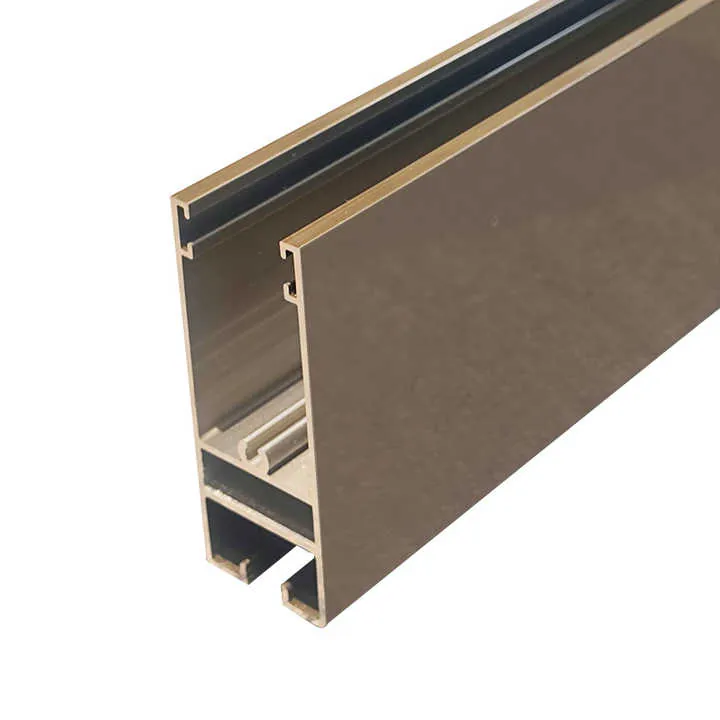
Laser cutting looks modern, but it is not always the best choice. Mechanical methods still have value.
Laser cutting is preferred when precision, flexibility, and speed matter, but mechanical cutting suits heavy or simple tasks.
Advantages of laser cutting
Laser cutting offers:
- No physical tool contact
- High accuracy
- Easy program changes
- Clean cuts on thin profiles
It works well for custom or low-volume work.
Limits of laser cutting
Laser cutting struggles with:
- Very thick sections
- Deep internal cuts
- Highly reflective surfaces without control
Cost per hour can also be higher.
Mechanical cutting strengths
Mechanical methods include:
- Sawing
- Milling
- Drilling
- Punching
They handle:
- Thick aluminum
- High material removal
- Simple repetitive cuts
Tools wear, but results are stable.
Hybrid production approach
Many factories combine both methods.
Common practice:
- Laser for holes and slots
- Saw for length cutting
- CNC for precision faces
This balances cost and quality.
Method selection table
| Method | Best use case |
|---|---|
| Laser cutting | Thin, complex, flexible |
| Saw cutting | Straight cuts |
| CNC milling | High precision |
| Punching | High volume sheets |
Preference depends on project goals.
Laser cutting offers higher flexibility than many mechanical cutting methods.True
Digital control allows quick design changes without new tooling.
Laser cutting always replaces mechanical cutting for aluminum extrusions.False
Mechanical methods remain better for some thickness and cost cases.
What safety precautions apply during laser cutting?

Laser cutting aluminum involves hidden risks. Ignoring safety leads to accidents and equipment damage.
Laser cutting aluminum extrusions requires strict safety controls for reflection, fumes, and fire risk.
Laser radiation safety
Lasers operate at high power.
Precautions include:
- Enclosed cutting systems
- Interlocked doors
- Protective eyewear
Operators must follow machine class rules.
Reflection and back reflection risk
Aluminum reflects laser light.
This can:
- Damage optics
- Create stray beams
Modern machines use sensors and coatings to manage this, but setup matters.
Fume and dust control
Laser cutting produces fumes.
Aluminum fumes are less toxic than some metals, but:
- Oxide particles form
- Fine dust accumulates
Extraction systems must run correctly.
Fire and spark management
Although aluminum does not burn easily, sparks can ignite nearby material.
Good practice includes:
- Clean work areas
- Fire detection systems
- Regular maintenance
Safety checklist
| Risk | Control method |
|---|---|
| Laser exposure | Enclosure and interlocks |
| Reflection | Proper settings |
| Fumes | Extraction systems |
| Fire | Clean workspace |
Safety protects both people and machines.
Laser cutting aluminum requires controls for reflection and fume extraction.True
Aluminum reflectivity and fumes create specific safety risks.
Laser cutting aluminum has no special safety concerns.False
High-power lasers and reflections require strict safety measures.
Conclusion
Aluminum extrusions are compatible with laser cutting when design, alloy, and thickness are matched to the process. Laser cutting adds precision and flexibility, while safety and method choice ensure stable and cost-effective production.