


Aluminum extrusion bending radius limitations?
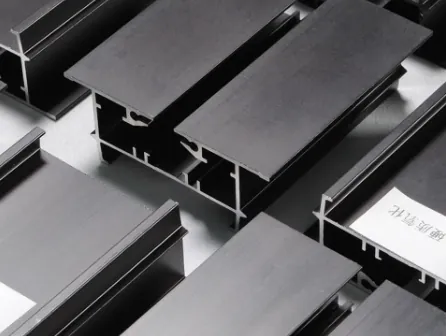
Aluminum extrusions often need curves or bends to fit specific designs. A wrong bend radius can cause wall thinning or cracks.
Understanding bending radius limits helps produce curved extrusions that stay strong and meet design needs.
Good bending starts with correct radius, wall thickness, alloy, and process. Below I explain safe bend practices, how alloy and thickness matter, whether curved profiles can carry load, and when heat‑assisted bending is a better option.
What is the minimum bend radius for extrusions?
Bending a straight extrusion too sharply often ends in cracks or serious deformation. That risk worries fabricators and clients.
The minimum bend radius depends on wall thickness, profile shape, and alloy. A common rule of thumb is 5–10 times the wall thickness for simple bends; tighter bends usually require special techniques.
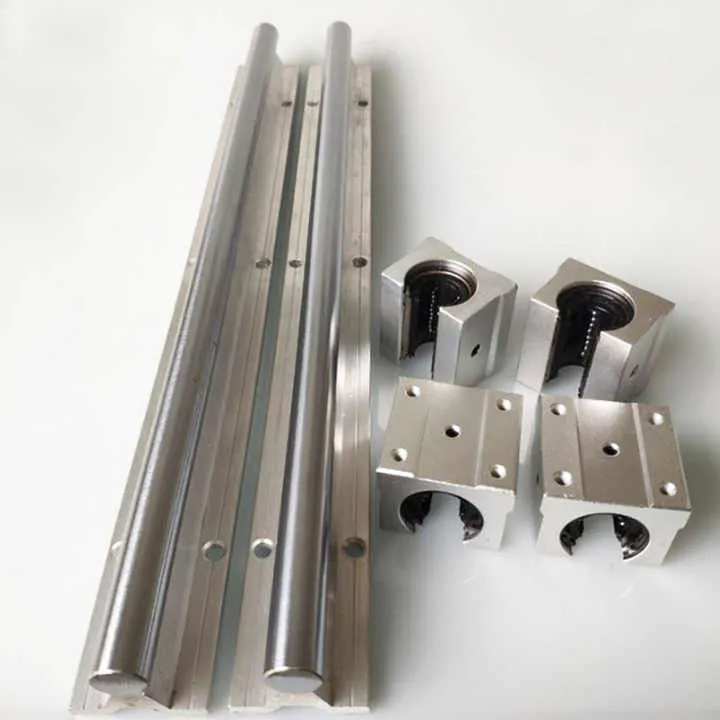
When bending extruded aluminum without heating or special tooling, severe damage happens if bend is too tight. A safe guideline is to keep bend radius proportional to wall thickness. For example, if wall thickness is 3 mm, minimum bend radius may be 15–30 mm. That range helps avoid cracking. If you try to bend with radius smaller than 5× thickness, wall may wrinkle or split on the inner side and stretch or ovalize on the outer side. The limit varies with cross‑section shape. Solid rectangular sections tolerate bends better than hollow tubes. Hollow profiles often distort or collapse if bent too tight. For complex sections with webs or multiple walls, distortions concentrate at corners and internal webs. Those areas require gentler curvature. Many shops maintain a table of “safe bend radii” for each profile family. That becomes part of design drawings. Some extrusions have internal channels. Bending such profiles with tight radius can collapse channels or narrow openings. Then the part fails its function. Thus, defaulting to 5–10× thickness for simple shapes is reasonable. For critical profiles or unknown alloy temper, it is safer to ask for unbent extrusion and perform machining or welding post‑bend.
Besides thickness, alloy condition (T‑tempered or O‑tempered) and temper stability influence bendability. Even with correct radius, hardened aluminum may crack. For soft temper, the allowed bend is more generous, but then strength after bend is lower. Designers and fabricators must match bend radius with final use.
A safe minimum bend radius for a 3 mm thick simple extrusion is often about 15 mm.True
Using 5 times wall thickness as guideline, 3 mm thick wall gives minimum about 15 mm radius to avoid cracking in simple bends.
You can safely bend any extrusion to twice its wall thickness without special treatment.False
Bending to very small radius like 2 times thickness will likely cause wall collapse or cracking, unless special techniques are used.
How do wall thickness and alloy affect bending?
Bending an aluminum section works like bending a metal rod — the thinner the wall and the softer the alloy, the easier to bend. But each choice brings trade‑offs.
Thicker walls resist deformation during bending but require larger bending radius. Softer alloys bend easier with less risk of cracks; harder alloys may crack under same bend radius.
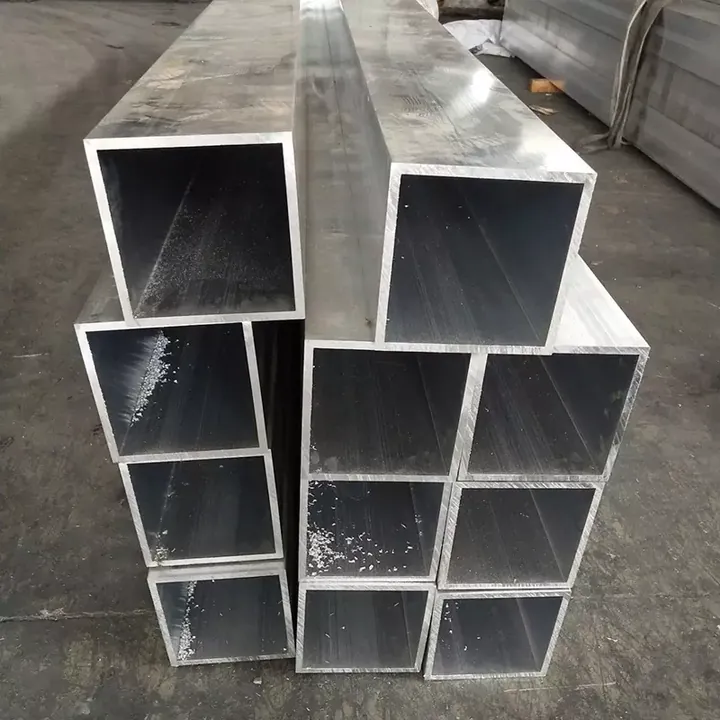
When wall is thick, bending puts more strain at inner and outer surfaces. The inner surface compresses, outer surface stretches. Thinner walls flex more uniformly. That means a hollow tube with thin walls often bends smoother than a thick walled tube of same outer diameter. But thin walls mean lower load bearing capacity. For loads, thicker walls give better strength after bending. But thick walls mean you must allow bigger bend radius. Designers need to balance curvature needs and structural strength. Alloy also matters. For example, 6063‑T5 or T6 alloy is common for architectural extrusions. 6063 is softer and more bendable than 6082 or 6061. That improves bend result. But after bending, its strength is lower than stronger alloys. Harder alloys like 6061‑T6 hold strength better under load but resist bending. They crack more easily at same bend radius. Temper affects ductility. Softer tempers (T5, T6 after tempering) are less ductile. O‑temper (annealed) gives more ductility but lower final strength. For bending, sometimes extrusion is done in O‑temper, bent, then re‑heat treated. But that adds cost. Wall thickness and profile shape also matter. Thin‑walled hollow profiles tend to ovalize on bend if not supported internally. Solid profiles can keep shape but need large radius. If profile has multiple cavities or internal webs, bending may distort inner webs or collapse walls. Some fabricators use mandrels or internal support rods to hold shape inside hollow profiles during bending. That reduces wall thinning and preserves cross section. But that only helps if alloy and wall thickness support that. Also bending direction vs extrusion grain matters. Aluminum extrusions often have grain direction along length. Bending across grain reduces ductility and raises risk of cracking. Softer alloys handle grain better. Hard alloys may crack along grain. In summary, wall thickness, alloy type, temper, profile shape all combine to decide how tight a bend can be. Standard rule of thumb helps. But for heavy load parts or complex shapes, bending must be tested with sample bends before full production.
A hollow extrusion with thin walls is easier to bend than a thick solid extrusion of same outer size.True
Thin‑walled hollow sections flex more easily and require less force for the same curvature than solid thick sections.
Hard alloys like 6061‑T6 bend as easily as softer alloys like 6063 when wall thickness is same.False
Harder alloys resist deformation and are more likely to crack under bending compared to softer alloys under same bend conditions.
Can curved extrusions meet load requirements?
Some designs need curved aluminum parts that still support loads. That raises doubts: does bending weaken strength?
Curved extrusions can meet load requirements if bending is done right and design accounts for reduced strength, increased stress, and possible deformation under load.
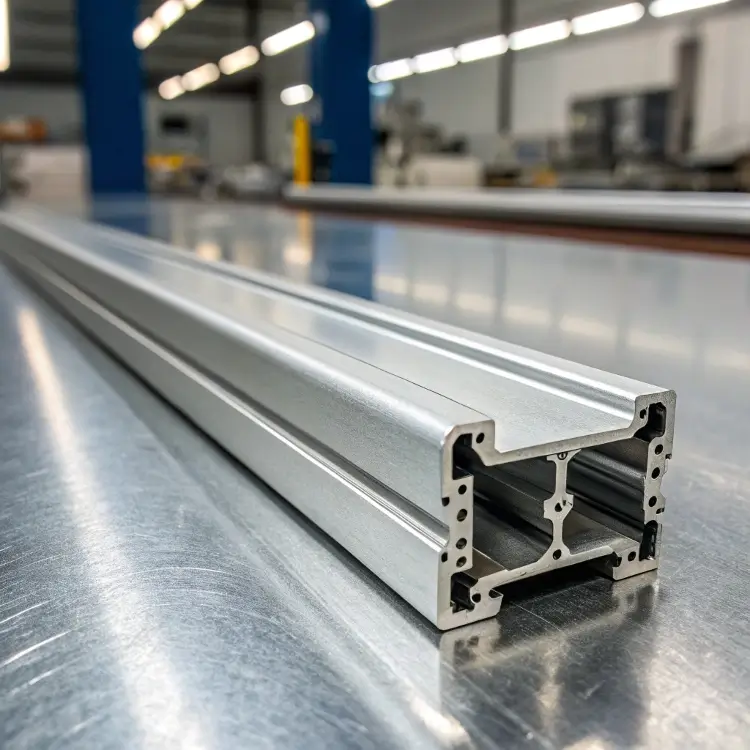
Curving a beam changes how it handles stress. In a straight beam under load, stress distributes evenly. In a curved beam, inner curve compresses and outer curve bends tensile. That increases stress concentration. Designers must consider that. Curved extrusions used in railings, frames, guard rails, furniture often carry load. Their cross‑section must handle bending moment plus curved shape stress. For example, a rectangular profile bent into a radius becomes less stiff in bending perpendicular to curve. That reduces load capacity compared with straight profile. Strength reduction depends on bend angle, radius, section modulus change after bending, and original alloy strength. As fabricator, testing sample parts under expected load helps. It reveals how much strength drops. Sometimes strength after bending drops by 10–25 percent. To compensate, designers add safety margin by using thicker walls, stronger alloy, or reduce allowable load. Also design reinforcements. For structural elements, curved parts may need gussets or extra ribs. For furniture or light load, simple bends are fine. Another factor is residual stress from bending. Aluminum bends keep built‑in stress. Under load, that stress adds to operational stress and may cause fatigue earlier. Especially if load cycles. Coatings and surface treatment do not restore lost strength. If curved extrusion will be welded, bending before welding helps. But welding adds heat‑affected zone — risk of distortion where heat softens metal. So post‑weld straightening may be needed. For load bearing curved parts, inspection and quality control after bending is key. Measure wall thickness across bend, check for cracks or thinning, test under load, and inspect after cycles. With good alloy, correct temper, proper bend radius, and QC, curved extrusions can meet or approach load performance of straight ones. But assumptions must be checked.
| Design Factor | Effect on Load Capacity after Bend |
|---|---|
| Bend radius and angle | Smaller radius & sharper angle increase stress, reduce capacity |
| Wall thickness | Thicker walls retain more strength after bending |
| Alloy and temper | Stronger alloy holds more load, but may crack under tight bend |
| Shape complexity | Simple sections perform better than complex shapes |
| Residual stress & fatigue | May reduce fatigue life under cycling load |
Curved aluminum extrusions always have lower load capacity than straight ones of same cross section.True
Bending introduces stress concentration and potential thinning, reducing load capacity compared to straight sections.
A well‑bent extrusion with correct radius and alloy can match load performance of straight extrusions in all cases.False
Even with ideal bending, curvature introduces stress distribution changes and possible weakening under load, so load capacity is usually lower or requires design compensations.
Are heat-assisted bends more reliable?
Cold bending is common, but it often limits how tight a curve can be without cracking. Heat can help — but brings its own trade‑offs.
Heat-assisted bending, like induction bending or controlled heating, can allow tighter radii with less risk of cracks, but requires careful alloy control and post‑bend treatment to retain strength.
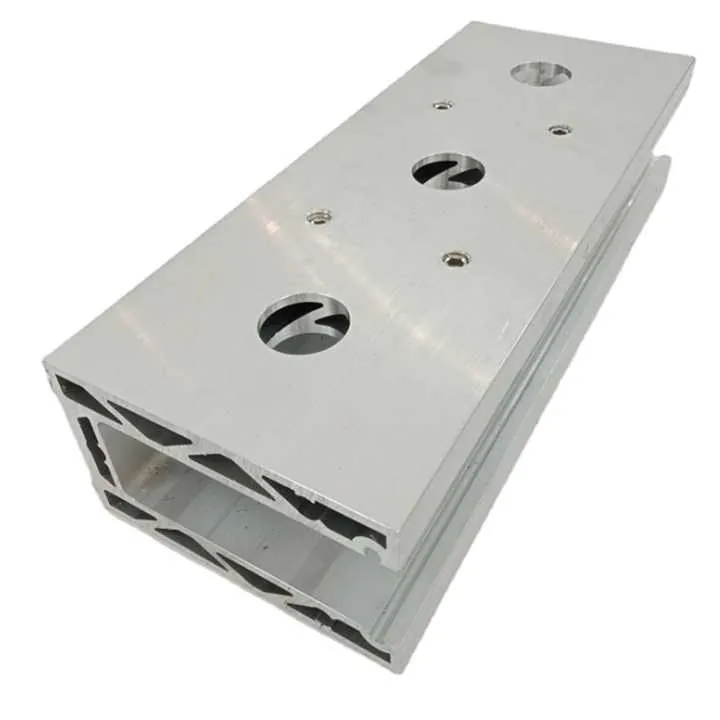
Applying heat softens aluminum and improves ductility temporarily. That reduces stress during bend and allows more severe curves or complex shapes. For example, extrusions heated to moderate temperature (near annealing point) bend easier. Heat‑assisted bends are common for handrails, architectural elements, or structural arches. With proper heat and bend control, inner wall does not wrinkle and outer wall does not crack. Induction heaters or ovens heat only bend zone. Then bending tooling shapes profile gradually. After bend, some alloys (e.g. 6063, 6061) may lose temper if temperature is too high. That reduces strength. So after bending, extrusions often need re‑tempering or age‑hardening. That adds cost and time. Some fabricators send bent extrusions back to the extrusion line for re‑heat treatment or perform aging in ovens. Another method is to use alloys in softer temper (O or T4) before bending, then age‑harden after bending. This preserves strength. However, heat‑assisted bending has risks. Uneven heating leads to non‑uniform temper change. Weld zones or heat‑affected zones may form. That changes mechanical properties unpredictably. For hollow sections, heat may warp or collapse cross section if not supported. Also coatings or surface finish may suffer heat damage. Powder coat or anodize applied before bending can crack. So most heat‑assisted bends happen on bare extrusions. After bending and tempering, surface finishing happens. That adds steps but ensures coating integrity. For critical structural or architectural components, heat‑assisted bending offers best balance of shape and strength. For simple decorative or low‑load parts, cold bending is often enough. Proper process control, heating, bending tools, post‑bend treatment, and quality inspection are all parts. Without them, heat bending may introduce weaknesses or defects.
Heat‑assisted bending allows tighter radii without cracking compared to cold bending.True
Heating increases ductility, so the metal bends more easily and inner and outer walls avoid cracking under tighter curvature.
Heat bending always preserves the original mechanical strength of aluminum alloy.False
Heat bending can change temper and reduce strength if re‑hardening or post‑bend heat treatment is not done properly.
Conclusion
Curved aluminum extrusions are usable when bend radius, alloy, wall thickness, and process match design needs. Heat bending expands possibilities but requires strict quality control. With care, bent extrusions can perform reliably under load and shape demands.


