
Can I use T-slot aluminum extrusions outdoors?

I know it’s hard to decide if aluminum T-slots work outside. You want a clear guide on their durability, protection, and care.
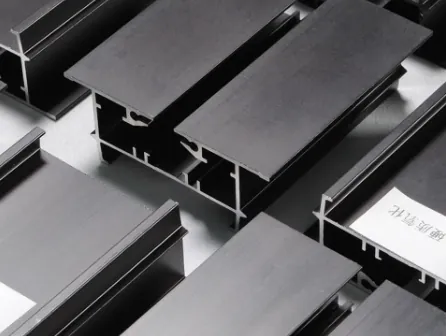
Yes, T-slot aluminum extrusions are suitable outdoors when made from the right alloy and properly protected.
Let me explain how weather affects them, what treatments help, and how to care for them long term.
How do outdoor conditions affect T-slot aluminum?
Outdoor elements like sun, rain, frost, salt water, and pollution can change surface appearance, reduce corrosion resistance, and affect mechanical performance over time.
1. Oxidation and corrosion
Natural oxidation (forming a protective oxide layer) helps protect aluminum. But salt spray or acid rain can break down corrosion resistance, leading to pitting, white powder (aluminum hydroxide), or dulling. Coastal locations accelerate degradation.
2. Thermal expansion and contraction
Aluminum has a thermal expansion coefficient of ~23×10/K. Sun heating and nighttime cooling can cause expansion and contraction, stressing joints if they are too tight or constrained.
3. UV and weather exposure
Sunlight and moisture can fade surface finish, degrade anodized layers, or cause chalking on powder coatings over time.
4. Abrasion and moisture trapping
T?slots can gather soil, debris, or water. If not cleaned, trapped moisture can concentrate in grooves and accelerate local corrosion or staining.
5. Mechanical wear
Outdoor frames may handle vibration, mechanical loading, or moving parts. Dirt or exposure in T?slots may wear or bind fasteners over time, reducing ease of assembly or adjustment.
| Outdoor Factor | Effect on T-slot Aluminum |
|---|---|
| Rain/sea spray | Accelerates corrosion and pitting in grooves |
| Sunlight/UV | Fades coatings, degrades seals or color |
| Temperature swings | Cause joint stress if no expansion allowance |
| Dirt or debris | Can trap water or wear fasteners |
| Mechanical wear | May loosen or obstruct joint connections |
Understanding these effects helps design for durability and low maintenance.
T?slot aluminum extrusions don’t oxidize outside.False
All aluminum forms oxide naturally, but outdoor corrosion may still occur without protection.
Thermal cycles can stress tight joints.True
Repeated expansion or contraction can loosen fasteners or warp assemblies.
What surface treatments protect extrusions outdoors?
Proper surface finishes greatly improve outdoor durability, UV resistance, color retention, and corrosion protection.
1. Anodizing
Clear or clear plus coloring
Anodized oxide layers integrate with the aluminum surface. Class 1 (shelter-grade) suits mild outdoor use; Class 2 (architectural-grade) and Class 3 (marine-grade) offer stronger UV and corrosion resistance. Colors remain stable in sunlight without peeling.
2. Powder coating
Powder coats apply thick polymers in various colors. Choose high-quality UV-resistant outdoor types with at least 50+μm coating thickness. UV inhibitors and polyester or epoxy resins help color retention. This finish is easier to touch up than anodizing.
3. Alodine / Chem film
A chromate conversion coating (~0.5-2 μm thick) improves corrosion resistance and paint adhesion. Use as primer before powder or paint layers.
4. PVDF / AAMA 2605
Industry-standard fluoropolymer finishes with high durability and UV stability. Best for premium color performance and long life, though at higher cost.
5. Clear spray sealants & wax
Applying clear wax or lithium-based sealants helps keep dust, water, and salts off surface grooves between cleanings.
| Finish Type | UV Resistance | Corrosion Resistance | Touch up |
|---|---|---|---|
| Class 3 Anodize | High | High | Limited |
| Polyester powder coat | Medium?high | High (sealed) | Easy |
| PVDF / AAMA 2605 paint | Very high | Very high | Moderate |
| Alodine primer | Medium | Medium | Requires recoat |
| Spray wax/sealant | Low | Low?moderate | Simple spray clean-up |
Choose based on environment. For marine conditions, use Class 3 anodize, PVDF, or durable powder.
Clear anodized aluminum is as resistant as PVDF paint.False
PVDF has better UV and color retention over time.
Alodine coating improves corrosion resistance.True
It forms a passive conversion layer that delays corrosion.
Are there best alloys for outdoor extrusions?
Choose corrosion resistant alloys with good strength and surface compatibility.
6000 series (6061, 6063) alloys
- 6061: Strong, versatile, weldable. Has moderate outdoor corrosion resistance.
- 6063: “Architectural” alloy with good surface finish and anodizing properties.
5000 series (5052, 5083)
Magnesium rich alloys offering excellent marine corrosion resistance. Ideal for sea?air environments, buy stronger performance in low?machining applications.
7000 series (7075)
Offer high strength but poor corrosion resistance. Not recommended without coating.
3003 / 3004
Budget-friendly but softer. Good for decorative, non load bearing parts.
| Alloy | Outdoor Performance | Notes |
|---|---|---|
| 6061 | Good | Durable frame, moderate corrosion res |
| 6063 | Very good | Smooth finish, anodizes well |
| 5052 | Excellent | Marine-grade corrosion resistance |
| 7075 | Fair to poor | Needs coatings for outdoor use |
| 3003 | Moderate | Decorative, not structural |
For harsh environments choose 6063 or 5052; 6061 works well with proper finishes.
7075?T6 is ideal for outdoor extrusions.False
7075 corrodes easily and needs coating for outdoor use.
5052 aluminum performs best in marine environments.True
Its corrosion resistance in salt water is excellent.
What maintenance is needed for outdoor T-slots?
Routine care keeps structure looking good and functional.
1. Regular cleaning (every 3–6 months)
- Wash with mild detergent and water to remove salts and dirt.
- Rinse thoroughly and dry with a soft cloth or air blow drying.
2. Inspect seals & joints
- Check fasteners, seals, and gaskets for tightening or degradation.
- Work loose screws or connectors until return to proper torque.
3. Treat corrosion spots early
- Light surface corrosion can be removed with non-abrasive pads.
- Sand lightly, clean, then apply primer or touch-up coating.
4. Reapply sealant/wax annually
- Light spray sealant prevents moisture penetration into T?slots between cleans.
5. Monitor mechanical wear
- Check for rusted fasteners or inserted parts like bearings.
- Replace corroded screws or running parts immediately.
6. Product touch-ups
- For powder coated or PVDF finishes, fix scratches before they spread.
- Small touch-up kits are often available from manufacturers.
| Task | Frequency | Benefit |
|---|---|---|
| Wash with soap & water | Every 3–6 months | Remove corrosion triggers |
| Check seals & fasteners | Annually | Prevent leaks and structural issues |
| Sand & touch corrosion | As needed | Slow corrosion spread |
| Apply sealant/wax | Yearly | Adds weather barrier |
| Replace worn parts | As needed | Maintains mechanical reliability |
With simple care, outdoor T?slot frames can last 20+?years with minimal visually noticeable wear.
Outdoor T?slot frames require daily cleaning.False
Cleaning every few months is sufficient unless in harsh environments.
Powder-coated extrusions need scratches fixed quickly.True
Unprotected scratches can lead to corrosion if left untreated.
Final Take
Yes, T-slot aluminum extrusions are excellent for outdoor use when you:
- Choose weather-resistant alloys like 6061, 6063, or 5052
- Use protective finishes like Class?3 anodize, PVDF paint, or sealant
- Allow for expansion in the design
- Clean regularly and maintain seals
With the right material, coating, and care, outdoor T-slot assemblies are durable, modular, and long-lasting.
Need help selecting alloy, finish, or care schedule for your outdoor project? I can guide you through specification and maintenance planning.