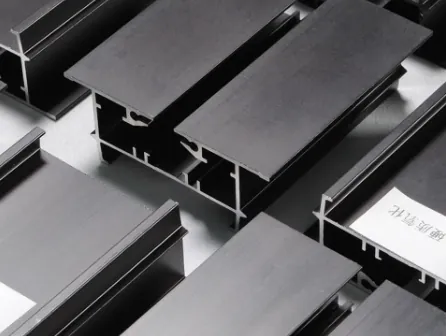
What Options Exist for Connecting Aluminum Window Frame Extrusions?

I once installed a curtain-wall window system and struggled with frame gaps leaking air. That made me dig into connection details.
Aluminum window frame connections need to balance strength, airtightness, and thermal performance.
Let’s explore connectors, fasteners, joining methods, thermal breaks, and sealants.
1. What connection options are available for aluminum window frame extrusions?

Aluminum window frames offer several connection methods:
- Mechanical brackets (corner connectors)
- Snap-fit joints with interlocking shapes
- Internal cleats or plates
- Corner keys or block fittings
- Adjustable corner profiles
Types of Connection Options
| Type | Description | Use Case |
|---|---|---|
| Corner Brackets | Metal plates bolted at frame corners | Heavy frames, big window units |
| Snap?Fit Mullions | Profiles that interlock by sliding into place | Slim modern windows |
| Internal Cleats | Plates inserted in channels and bolted | Hidden joints, clean appearance |
| Corner Keys/Blocks | Plastic/aluminum inserts in frame ends | Heavy-duty corners, precise angles |
| Adjustable Profiles | Slotted profiles with screws for fine alignment | Large, custom-sized windows |
I once replaced a leaking sliding window and found internal cleats gave a much cleaner finish than external bolts. The seal improved too.
2. What fasteners are best for aluminum window frame connections?
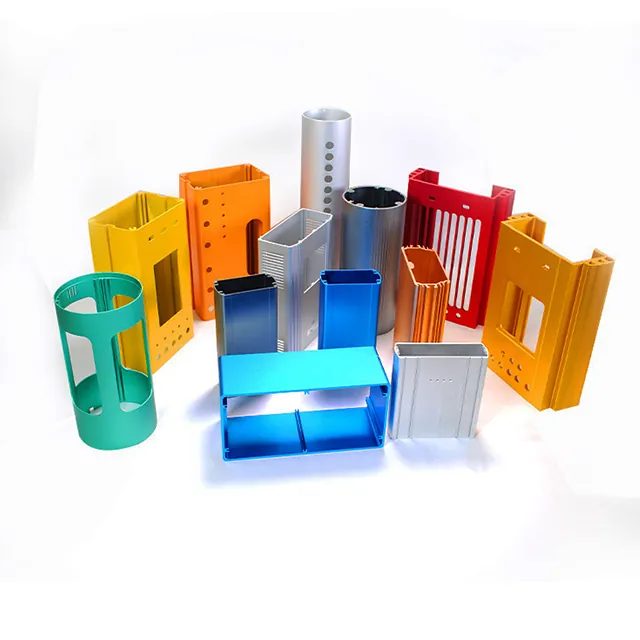
The right fasteners ensure strength, durability, and corrosion resistance.
Typically the best fasteners are stainless steel screws, bolts, or rivets.
Fastener Options
- Stainless steel self-tapping screws: Resist corrosion and easy to install.
- Stainless steel bolts with T?nuts: Fit into extruded channels, allow tightening from the face or back.
- Aluminum rivets: Lightweight and non-penetrating.
- Blind rivets: For hard-to-reach places.
Which to Choose?
- For assemblies needing high shear strength, use bolts + T-nuts or self-tapping screws in pre-drilled holes.
- For lighter frames or aesthetic needs, aluminum or stainless rivets keep a smooth look.
- Coated fasteners add protection against dissimilar metal corrosion.
I prefer stainless steel self-tapping screws in interior frames and choose bolts with T-nuts for heavy exterior frames.
3. Can aluminum window extrusions be joined with welding or adhesives?
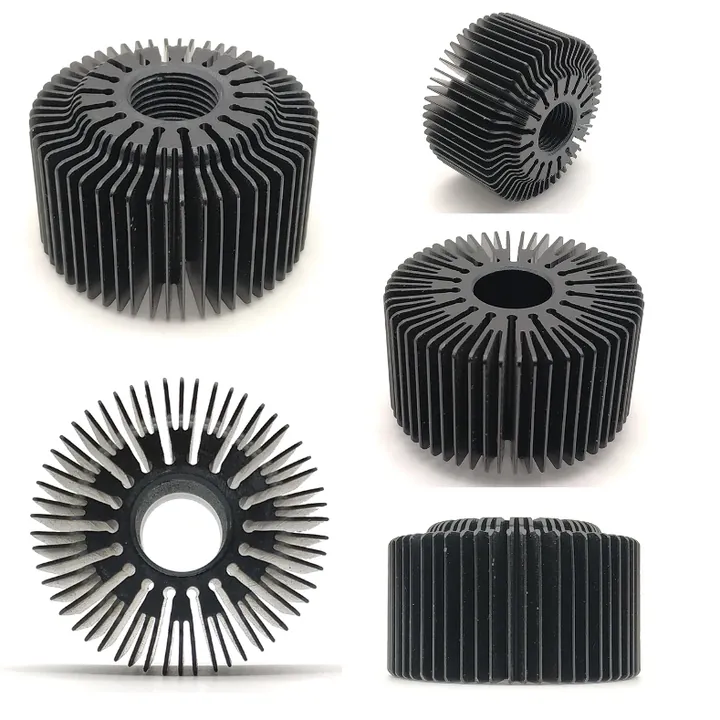
Yes, both welding and adhesives are possible—but each has pros and limits.
Welding
- TIG (GTAW) or MIG (GMAW) can join aluminum, but require clean welds, skilled welders, and post?heat treatment.
- Welded joints lose temper strength locally and can show distortion.
- Often not ideal for sleek frames due to visible seams and heat-affected zones.
Adhesives
- Structural epoxy or polyurethane adhesives can bond profiles and glass.
- Provide uniform load distribution and seal at once.
- Require precise surface prep (clean, degreased, often abrasion).
- Cure time can slow manufacturing.
When to Use Which?
| Method | Pros | Cons |
|---|---|---|
| Welding | Strong, permanent, no hardware | Risk of distortion, visible seams, skill required |
| Adhesives | Airtight, neat joints, vibration damping | Cure time, joint prep, limited shear strength alone |
I once bonded corner braces with epoxy and saw better airtightness than bolts. But it needed cure time and clean shop conditions.
4. How do thermal breaks affect window frame extrusion connections?
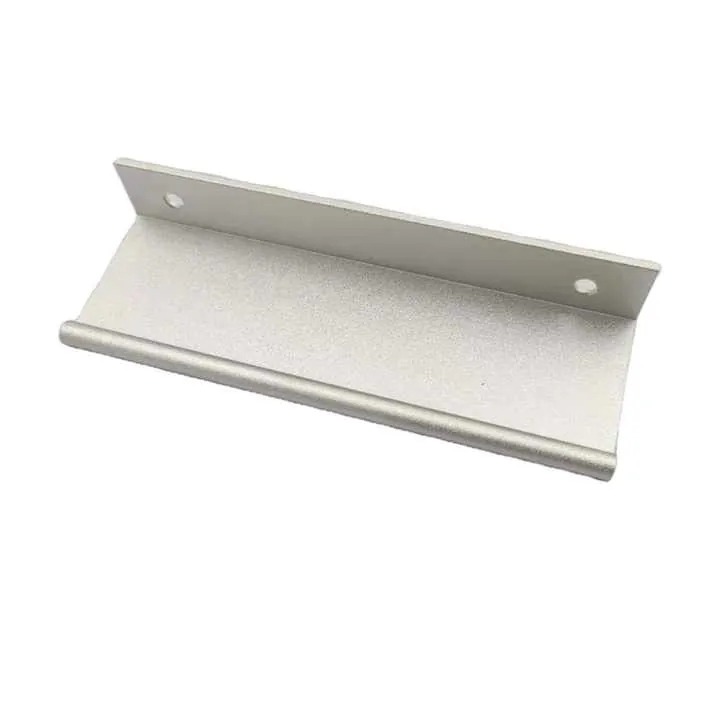
Thermal breaks are non-metal insulators inside frame profiles. They separate interior and exterior aluminum.
They cut thermal bridging, improving insulation and reducing condensation.
Connection Impacts
- They add thickness between metal parts—fasteners must reach through the gap.
- Special screws or sleeves pass through thermal break zones.
- Brackets or corner blocks can be isolated too or made of composite.
- Adhesives bond better because they span over insulation zones.
Considerations
- Use fasteners long enough to pass interior/exterior metal and break.
- Keep mechanical fittings away from thermal breaks to avoid cold bridging.
- Use plastic or composite connectors to maintain thermal separation.
In a cold-climate window I installed, neglecting the thermal break meant cold air crept in around screw holes. Reworking with longer screws fixed it.
5. What sealant types ensure airtight aluminum window joints?
Good sealants are critical for airtight, weather-tight joints.
Polyurethane, silicone, and hybrid MS polymers are the top sealants used.
Sealant Options
-
Polyurethane sealant (PU)
- Good adhesion and flexibility.
- Paintable, weather-resistant.
- Used for joints and structural glazing.
-
Silicone sealant
- Great UV and moisture resistance.
- Remains flexible over wide temp range.
- Not paintable; lower adhesion on some paints.
-
Hybrid MS polymer sealant
- Combines benefits of PU and silicone.
- Paintable, good adhesion, low VOC.
-
Structural glazing adhesives
- High-strength structural silicones or polyurethane.
- Bond glass to frame with structural loads.
Application Tips
- Choose sealant rated for exterior, UV and thermal movement.
- Use primer for gap-filling adhesives.
- Tool joints with spatula before skin forms.
- Provide proper backing (backer rod) to control depth and prevent 3?side adhesion.
- Cure fully before exposure or painting.
I once watched silicone fail due to joint movement. Switching to hybrid MS gave longer life and no cracking.
Conclusion
Aluminum window frame connections work best with the right mix of mechanical, welded or adhesive methods, fasteners, thermal breaks, and sealants. Choosing stainless hardware, planning for thermal breaks, and using polyurethane or hybrids ensures strong, airtight, and thermally efficient frames.
This matters when building high-performance windows at scale.
True/False Questions
Stainless steel self?tapping screws are commonly used for their corrosion resistance in aluminum framesTrue
Stainless steel screws resist galvanic corrosion and are easy to install.
Welding aluminum frame extrusions never causes distortion or loss of strengthFalse
Welding introduces heat, can distort shapes, and reduce temper strength in the heat?affected zone.