What Is the Bending Limit for a 7075 Aluminum Flat Bar?
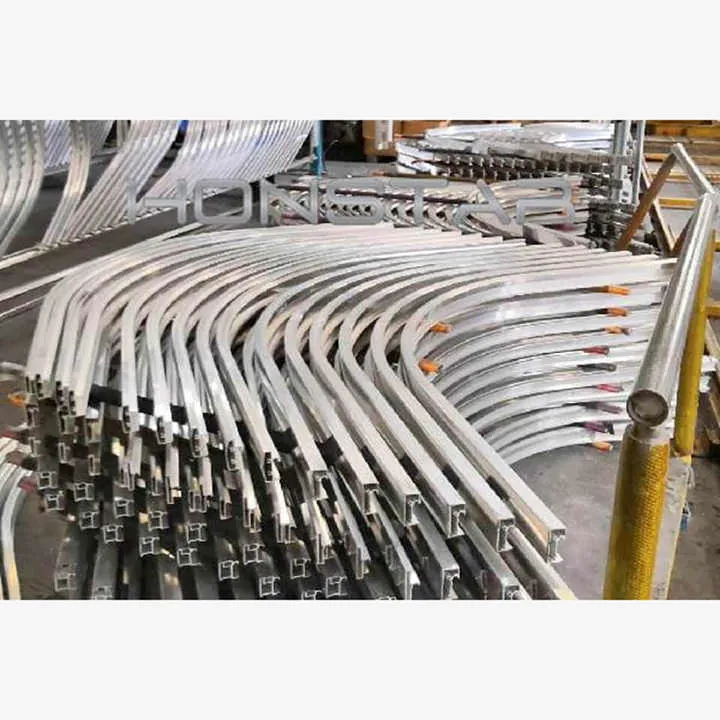
I’ve bent 7075 flat bars for aerospace parts many times. This alloy is very strong—but also brittle. I learned the hard way that bending 7075 flat bars needs care and planning.
7075?T6 is among the strongest aluminum alloys you can use—but that strength comes at the cost of formability. You need the right bend radius, heat, tooling, and process to avoid cracking.
1. What Is the Bending Limit for a 7075 Flat Bar?
When we talk about the “bending limit,” we refer to the minimum inside bend radius and sometimes the maximum bend angle you can achieve without cracking.
- Minimum bend radius is the tightest inside curve you can form.
- Maximum bend angle is usually specified for a standard 90° or 180° bend.
For 7075?T6, the minimum radius tends to run between approximately 1.5× to 2× the material’s thickness for thin stock—like sheet or thin flat bars. For thicker bars (over about 6?mm or 0.25"), the needed radius increases significantly—to as much as 7× to 12× the thickness, depending on temper and process.
For example: if you’re using 0.5" (12.7?mm) thick 7075?T6, the inside bend radius should be at least 3.5" (≈7×t). Anything tighter and cracks usually appear.
2. How Is the Bending Limit Measured?
Bending limits are usually measured and specified by two parameters:
- Inside bend radius (R) – the inner radius where the metal bends.
- Material thickness (t) – often expressed in ratios (like R ≥ 7?t).
For thorough calculation:
- R = k × t where k is a factor depending on alloy, temper, and method.
- Thin sheet in T6: k ~ 1.5 to 2
- Thick flat bar in T6: k ~ 7 to 12
Alternatively, tables from sources like Aircraft Extrusion provide the “thickness vs. minimum radius” in inches or mm.
3. What Factors Affect the Bending Limit?
Many variables determine how tightly you can bend a 7075 flat bar without cracking:
– Material Temper
- T6 / T651 are peak?strength tempers with low ductility, prone to cracking at tighter radii.
- Softer tempers like T0 / T4 / T42 offer more ductility, but less strength.
- Heat?softening (e.g. retrogression or solution + re?aging) improves bendability.
– Thickness
Thicker materials require larger bend radii. The bend limit increases in direct proportion to thickness.
– Bend Method
- Cold bending keeps everything at room temperature—most crack-prone.
- Warm bending (60–200?°C) helps relieve stress and permits tighter bends.
- Heat-assisted forming (retrogression) can drastically improve bendability.
– Tooling and Over-Bend
Using matched mandrels and CNC-controlled over-bend + springback compensation greatly improves outcomes.
– Springback
7075 has high yield and modulus, so springback is significant. You must over-bend to account for that.
4. What Are Typical Bend Radii?
Here are realistic bend radius guidelines based on thickness:
| Thickness (t) | Minimum Inside Radius (R) | Notes |
|---|---|---|
| 0.5?mm – 0.25″ | ~0.06″–0.09″ (≈1.5?×–2?×?t) | Sheet or thin flat plate |
| 0.25″–0.5″ (6–12?mm) | R ~7?×?t to 12?×?t (~1.75″–6″) | Standard for T6 bar |
| >0.5″ (13?mm+) | R ≥ 10?t | Avoid cracking |
Example: A 0.125″ (3.2?mm) 7075?T6 sheet often lists R = 0.31″ in bend tables (~2.5×t).
5. How to Avoid Cracking During Bending?
Cracking is the main issue with 7075. Here’s how to prevent it:
A. Choose Proper Radius
Stick to table guidelines—never go tighter than allowed.
B. Use Warm or Heat-Assisted Bending
- Warm to 60–200?°C before or during bend. This can reduce cracking and required R.
- Retrogression: Raise to ~250?°C + re-age for controlled bendability.
C. Pre-Tempering
Form in soft condition (O or T0), then age to T6 after bending. This gives the best ductility-to-strength ratio.
D. Proper Tooling
Use high-quality tooling with mandrels and springback compensation. Ensure part is constrained during bend.
E. Post-Bend Heat Treatment
After bend, re-age (T6 or T651) to restore strength. This avoids persistent weak spots.
F. Trial Bends
Always prototype before full production. Material like 7075 can vary, so testing is critical.
6. Summary Table of Key Points
| Question | Key Insight |
|---|---|
| Bending limit for 7075 | R ≥ 1.5–2?×?t for thin, 7–12?×?t for thick flat bar |
| Measurement method | Ratio of inside radius to thickness; tables from aerospace/industry |
| Factors affecting limit | Temper, thickness, heat, bend process, tooling, springback |
| Typical radii | Thin sheet: 1.5–2?t; thick bar: 7–12?t; e.g. 0.5″ bar → ≥3.5″ R |
| Avoid cracking | Warm/retrogression forming, softer pre-temper, proper tooling, re-aging |
7. Recommendations for Real-World Use
- Always check your material temper before planning a bend.
- Measure thickness precisely, then pick a radius ≥ recommended multiple.
- For T6, aim for conservative bends—prefer 10?×?t for critical parts.
- Warm-bend when possible to reduce cracking risk.
- Tool design matters—get proper mandrels and springback compensation.
- Apply post-bend aging to regain full strength.
- Prototype before production—test on scrap to fine-tune process.
- Document every process—temperature, bend angle, tooling for repeatability.
8. Example Process Outline
Let’s say you need a 90° bend in 12?mm (0.5″) 7075?T6 flat bar:
- Target inside R = 10?t = 120?mm (≈4.7″).
- Warm material to ~150?°C in oven.
- Use CNC mandrel bender with over-bend programmed.
- After bend, hold for stress relief, then age at 120?°C for 24 hours.
- Inspect for cracks and measure dimensions before use.
9. Closing Thoughts
Bending 7075 aluminum flat bars is demanding work—but it’s doable. It requires respect for its limits and smart engineering:
- Understand your bend radius vs. thickness.
- Use the right temper and controlled heating.
- Rely on correct tooling and follow stress relief guidelines.
When done right, you get strong, precision-bent parts for aerospace, mechanical, and structural use. If you have a specific profile, thickness, or part case, I’d be happy to help size the process exactly.