Aluminum extrusion maximum wall thickness?
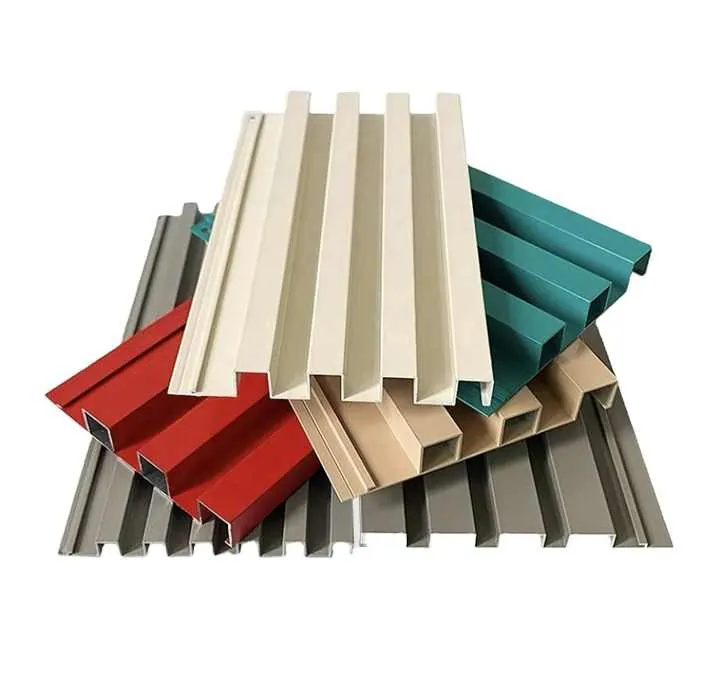
Thin walls crack. Thick walls fail to cool. Many buyers guess limits and pay for mistakes. This question causes delays, scrap, and redesign across projects.
The safe maximum wall thickness in aluminum extrusion depends on alloy, press capacity, profile size, and cooling control. There is no single number. Practical limits usually come from metal flow balance and press force, not design intent.
This topic matters because wall thickness controls strength, cost, tooling life, and delivery time. Once thickness goes beyond a safe range, extrusion becomes unstable. Understanding the real limits helps avoid redesigns and hidden costs.
What defines safe maximum wall thickness?

Too thick looks safe, but it creates hidden risks. Designers often increase thickness to gain strength, yet extrusion failures still happen. The reason is not strength, but process limits.
Safe maximum wall thickness is defined by metal flow stability, heat removal, and press force during extrusion, not by structural need alone.
Wall thickness in extrusion is not only a geometry choice. It directly changes how aluminum flows through the die. As thickness increases, resistance rises. The metal needs more force to move. At some point, the press cannot push evenly. This causes surface tears, internal cracks, or unfilled sections.
Metal flow balance
Aluminum behaves like thick fluid under pressure. Thin walls allow faster flow. Thick walls slow flow. When one area flows faster than another, defects appear. A very thick wall next to a thinner section creates imbalance. The thick area may lag, while thin areas overheat.
Heat buildup and cooling
Extrusion creates heat from friction and deformation. Thick walls hold heat longer. Cooling becomes uneven. If the core stays hot while the surface cools, internal stress forms. This can cause post-extrusion bending or cracking during aging.
Practical thickness ranges
From production experience, common safe ranges appear across presses:
| Profile Size Class | Typical Safe Max Wall Thickness |
|---|---|
| Small profiles | 8 mm to 12 mm |
| Medium profiles | 12 mm to 20 mm |
| Large profiles | 20 mm to 35 mm |
These are not absolute limits. They depend on alloy, press tonnage, and die design. Some projects go beyond 40 mm, but they require special dies and slow speeds.
Die life and risk
Very thick walls increase die stress. The bearing length must increase to control flow. This raises friction and wear. Die failure risk rises sharply beyond common thickness ranges.
Safe maximum wall thickness is mainly limited by extrusion process stability rather than structural strength needs.True
Extrusion limits come from metal flow, heat control, and press force, not from final part strength alone.
Any aluminum extrusion press can safely extrude walls over 50 mm if speed is reduced.False
Press tonnage, billet size, and die strength often make such thickness impossible or unstable.
How does alloy affect allowable thickness?

Many buyers ignore alloy choice when setting wall thickness. This leads to cracked profiles or slow production. Alloy selection directly changes how thick a wall can be extruded safely.
Softer alloys allow thicker walls, while stronger alloys reduce allowable thickness due to higher flow stress and heat sensitivity.
Different aluminum alloys behave very differently under pressure. The main difference comes from flow stress. Higher strength alloys resist deformation. This raises extrusion force and heat.
Common extrusion alloys
The most used alloys in extrusion include 6063, 6061, and 6005. Their thickness behavior differs.
| Alloy | Flow Behavior | Typical Max Thickness | Notes |
|---|---|---|---|
| 6063 | Very soft | Up to 30-35 mm | Best for thick and complex shapes |
| 6061 | Medium | 20-25 mm | Higher strength, more force needed |
| 6005 | Medium-high | 18-22 mm | Stiffer, less forgiving |
| 7075 | Very hard | Often <15 mm | Rare for extrusion |
6063 flows smoothly. It tolerates thick walls and complex shapes. This is why it is common in architectural and large hollow profiles. 6061 is stronger but less forgiving. Thick walls in 6061 often require slower speed and higher billet temperature.
Heat and cracking risk
Stronger alloys generate more heat. Thick walls trap this heat. This raises the risk of hot cracking at the die exit. Even if extrusion succeeds, quenching may be uneven.
Cost and lead time impact
Thicker walls in hard alloys reduce speed. This increases cost. It also increases scrap risk. Many projects switch to 6063 for thick sections, then add strength through design instead of alloy.
Alloy and thickness pairing
A safe design starts by matching alloy to thickness. If thickness must be high, alloy should be soft. If strength is needed, thickness should stay moderate.
Softer aluminum alloys like 6063 allow thicker extrusion walls with lower defect risk.True
Lower flow stress makes thick-wall extrusion more stable and easier to control.
Using a stronger alloy always allows thicker walls due to higher material strength.False
Stronger alloys resist flow and increase extrusion force, which limits allowable wall thickness.
Can extrusion maintain uniform thickness on long profiles?
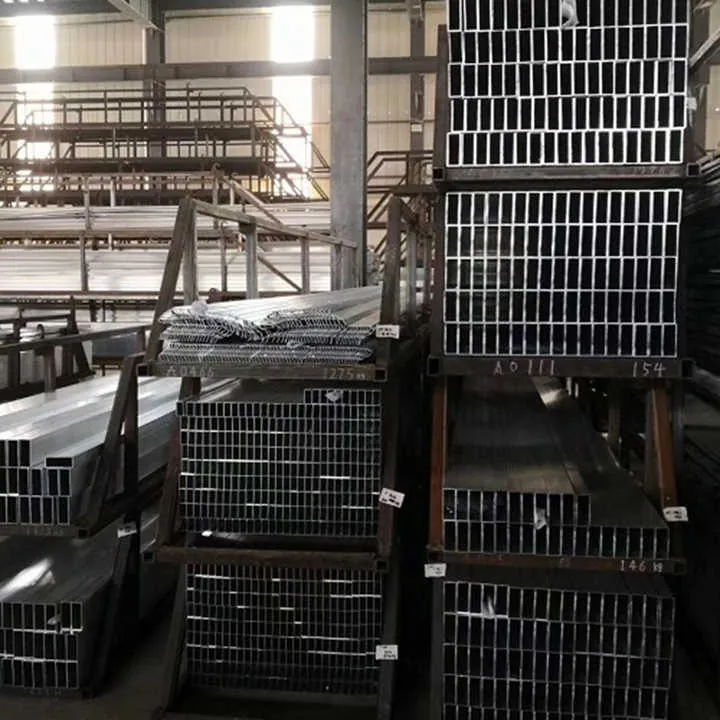
Long profiles look simple on drawings, but thickness variation often appears in production. Buyers expect uniform walls from end to end. Reality is more complex.
Uniform thickness on long extrusions is possible, but it depends on die balance, temperature control, and puller stability.
Length increases exposure to process drift. Small changes in temperature or speed accumulate over meters.
Die balance over length
Die balance controls flow at the start, but length introduces new factors. As extrusion continues, billet temperature changes. Container and die heat up. This alters metal flow. If the die is not designed for steady-state conditions, thickness can drift.
Puller and runout table effects
Long profiles rely on pullers to support length. Uneven pull force can stretch thin sections more than thick ones. This causes thickness variation. A stable puller setup is critical for uniform walls.
Cooling consistency
Cooling must be even along the length. Thick walls cool slower. If cooling fans or water spray are uneven, wall thickness may appear consistent but internal stress varies.
Tolerance expectations
Uniform does not mean perfect. Typical thickness tolerances depend on size:
| Profile Length | Typical Thickness Tolerance |
|---|---|
| <3 meters | +/- 0.15 mm |
| 3-6 meters | +/- 0.20 mm |
| >6 meters | +/- 0.25 mm or more |
Longer profiles require looser tolerance. Trying to force tight tolerance raises scrap rate.
Design tips
Avoid sudden thickness changes. Keep transitions gradual. Balance walls symmetrically when possible. This reduces variation over length.
Maintaining uniform wall thickness on long extrusions requires stable die balance and consistent cooling.True
Length increases sensitivity to heat and flow changes, so control systems matter more.
Profile length has no impact on wall thickness uniformity if the die is correct.False
Longer lengths amplify temperature and puller effects, which influence thickness.
Which machine capacity limits wall thickness?
Designers often ask for thick walls without knowing the press size. This leads to rejected drawings or high quotes. Machine capacity sets hard limits.
Extrusion press tonnage, billet diameter, and container size directly limit maximum wall thickness.
Every extrusion press has a force limit. Thick walls increase resistance. At some point, force demand exceeds press capacity.
Press tonnage
Tonnage defines how much force pushes the billet. Higher tonnage allows thicker walls and larger profiles. A small press may handle thin shapes but fail on thick solids.
General relation:
- More thickness = more force
- More width = more force
- Harder alloy = more force
Billet diameter
Larger billets feed more metal. This helps fill thick sections. Small billets struggle with thick walls because metal supply is limited. This causes incomplete filling or surface defects.
Container and die strength
Thick walls require stronger dies. Bearing length increases. This raises die stress. Older presses or small containers may not support such dies safely.
Typical press capability ranges
| Press Tonnage | Practical Max Wall Thickness |
|---|---|
| 800-1200 tons | 10-15 mm |
| 1600-2500 tons | 20-25 mm |
| 3000-4500 tons | 30-40 mm |
These values assume common alloys like 6063. Harder alloys reduce limits.
Speed trade-offs
Even if a press can extrude thick walls, speed drops. Slow speed reduces output and increases cost. Many factories prefer to redesign profiles instead of pushing press limits.