Aluminum extrusion HS code for export?
Many buyers feel unsure when they try to match aluminum extrusions with the correct HS code. The system looks simple, but hidden details often create delays and added cost.
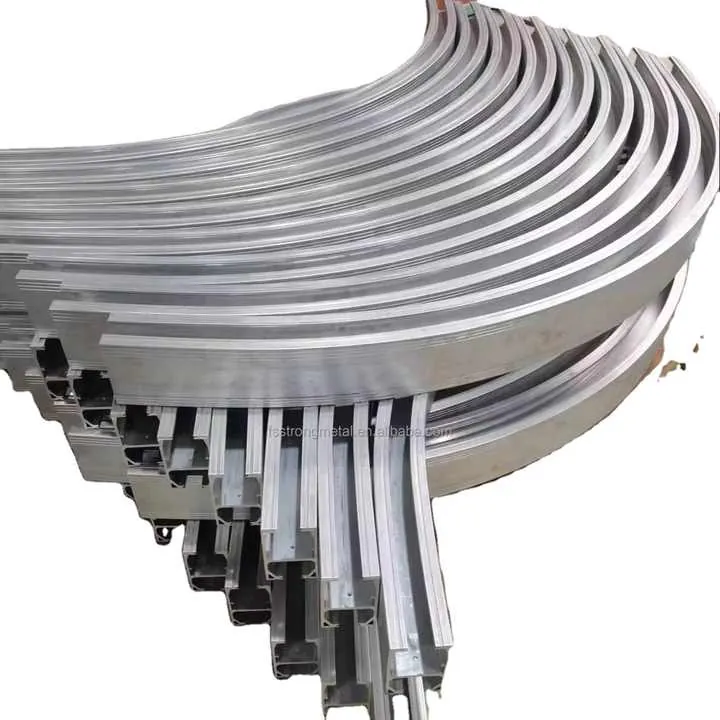
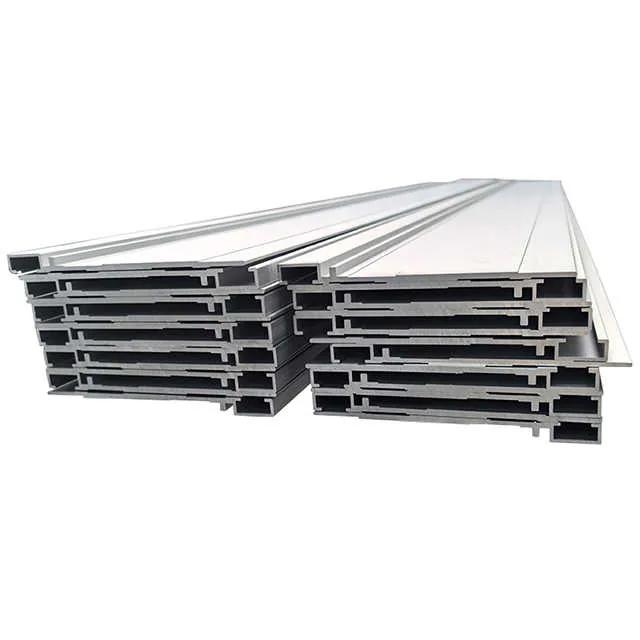
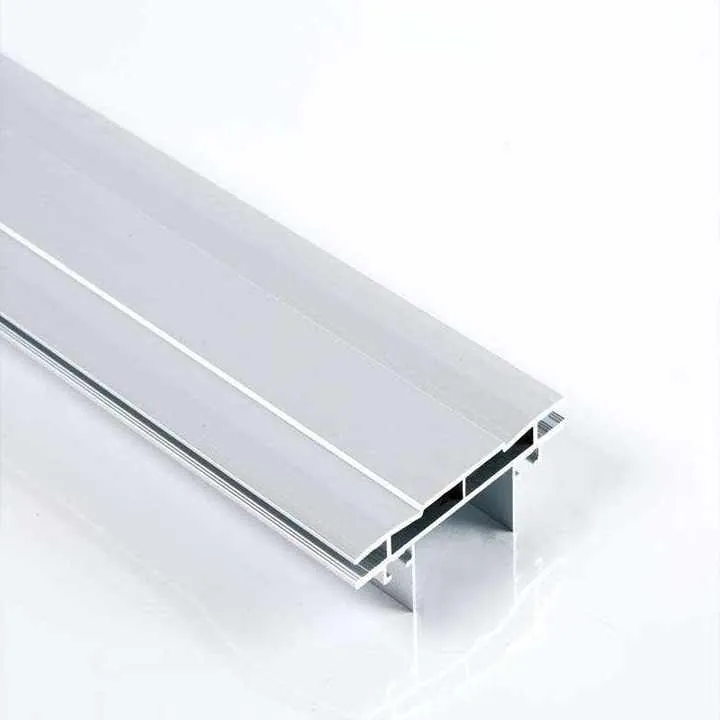
The standard HS code for aluminum extrusions is usually 7604, which covers most extruded bars, rods, and profiles used in global trade. This code works for many shapes and is widely recognized.
Many companies think HS codes rarely change. But real export work shows the opposite. Alloy grade, product shape, and machining level all influence how customs classifies the product.
What is the standard HS code for aluminum extrusions?
Some exporters choose a random code because they think all extrusions belong to the same category. This creates problems when the shipment reaches customs.
Most aluminum extrusions fall under HS code 7604, which includes extruded bars, rods, hollow profiles, and other shaped profiles. This category covers many common industrial and construction profiles.

Common HS Codes Under Chapter 76
Many suppliers work with standard shapes. But custom projects use special sections that require more precise classification.
Example HS Codes
| HS Code | Description |
|---|---|
| 7604.10 | Non-alloy aluminum bars and rods |
| 7604.21 | Hollow profiles of aluminum alloys |
| 7604.29 | Other solid profiles of aluminum alloys |
These codes help customs decide the correct category. They look at the form, the cavity, and the alloy. Even a small shape change can shift the classification.
Why Correct Classification Matters
Many buyers think HS codes only impact tax. But they also affect inspection time and clearance speed. Some countries review cavity depth. Others inspect wall thickness. A mismatch can stop the shipment.
Key Factors I Always Check
- Hollow vs solid design
- Alloy type such as 6063 or 6061
- Surface state such as anodized or raw
- Machining level like drilling or milling
These checks prevent customs from asking for tests or drawings halfway through the clearance process.
Most aluminum extrusions are classified under HS 7604 in global trade.True
This category covers extruded profiles, bars, and rods.
Aluminum extrusions are usually classified under HS 7204 because all metals use the same category.False
7204 covers steel scrap, not aluminum extrusions.
Do profile types affect HS code classification?
Many buyers assume all profiles share one code. But profile structure changes the classification.
Yes, profile types affect HS codes because hollow, solid, alloyed, and non-alloy profiles fall into different sub-categories of HS 7604. Customs reviews shape details carefully.

How Profile Structure Changes the Code
A hollow shape is never in the same category as a solid shape. Even a tiny internal cavity can place the product in a different sub-code. Some machining steps also change the classification if they make the product look more like a finished part.
Profile Type Categories
| Profile Type | Description | Likely HS Code |
|---|---|---|
| Solid Profiles | No internal cavity | 7604.29 |
| Hollow Profiles | With cavity or void | 7604.21 |
| Non-alloy Profiles | Pure aluminum | 7604.10 |
Why Shape Matters in Customs Checks
Hollow profiles may have more complex dies and different applications. Customs uses structure to judge value, cost, and use. In some markets, I need to send drawings to officers before the goods arrive so they can confirm the shape.
Other Factors Customs Reviews
- Cross-section size
- Wall thickness
- Whether the cavity is continuous or not
- Alloy grade and heat treatment
- If the product has deep machining
If the machining is heavy, customs may treat the item as a finished part instead of a raw extrusion. This increases the duty rate in some countries.
When Incorrect Classification Causes Delays
Many buyers get confused when customs asks for shape proof. The most common reason is that the documents show a solid profile, but the drawing shows a hollow cavity. Customs then rejects the code and holds the shipment.
I once helped a buyer whose order was declared as 7604.29. But the profiles had one long cavity. Customs stopped the shipment for extra inspection. The buyer paid fees and lost time. This experience taught the team to check drawings before booking the shipment.
Hollow and solid profiles use different HS codes under the 7604 category.True
Structure is a key factor in classification.
Profile structure does not affect the HS code for aluminum extrusions.False
Shape and cavity change the correct sub-code.
Are there country-specific variations in HS codes?
Many buyers believe HS codes are the same everywhere. The first six digits stay the same. But the extra digits differ among countries.
Yes, countries add their own digits after the first six numbers to support local tax rules, anti-dumping systems, and product tracking. These extended codes change from region to region.

Why Countries Add Extra Digits
The international HS system sets the global six-digit structure. Each country then adds digits to explain local tax levels or special import conditions. Some countries add two digits. Others add four or more.
Country-Specific Differences
| Country | Total Digits | Notes |
|---|---|---|
| United States | 10 digits | Uses many extra categories for product type |
| European Union | 8 digits | Updates codes regularly |
| Japan | 9 digits | Tracks alloy and finished status |
A customer may ask for HS 7604.21. But in their country, the full code may look like 7604.21.10 or 7604.21.90 depending on surface finish or hardness.
How Different Rules Influence Shipments
Some regions check coating or anodizing. Others examine whether the item is for solar frames or construction. These differences shift the tax level. Some buyers try to reduce tax using a less accurate code, but customs can penalize this.
I often prepare a comparison list showing the global code and the target country code. This helps the customer prepare before the goods land.
Common Buyer Problems
- Supplier code does not match the local import code
- Anti-dumping risk in North America
- Frequent updates in the European Union
- Extra digits for solar materials in the Middle East
Sometimes buyers only know their domestic code. When they give it to the factory, the supplier uses the same number without checking if it fits export rules. This mismatch slows down clearance.
Countries extend HS codes beyond six digits to match local import rules.True
Customs adds digits for tax and tracking.
All countries follow a single ten-digit HS code system for aluminum extrusions.False
Only the first six digits are global. Extra digits vary.
How is the HS code verified during customs clearance?
Many people think customs looks at the invoice and approves the shipment. In reality, officers check drawings, alloy papers, and sometimes order lab tests.
Customs verifies HS codes by checking product drawings, alloy certificates, invoice descriptions, packing lists, and physical samples to confirm the declared classification.
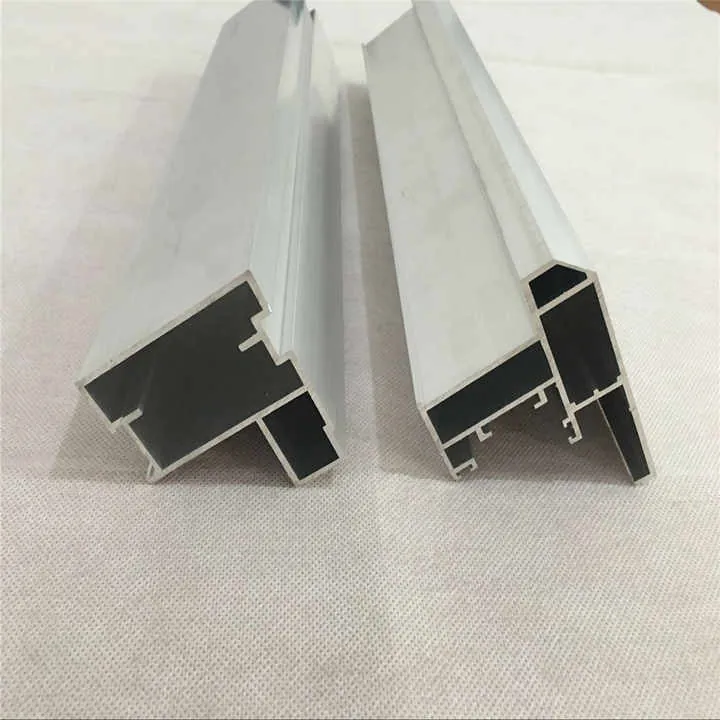
Steps Customs Uses to Verify the HS Code
- Review invoice details
- Review packing list
- Compare drawings with declared structure
- Check alloy composition certificate
- Inspect physical goods
- Order lab tests if needed
If the invoice description and the HS code do not match, customs requests drawings and documents.
Documents That Help Speed Up the Process
| Document | Purpose |
|---|---|
| Cross-section drawing | Confirms profile shape |
| Alloy certificate | Confirms material type |
| Surface finish list | Shows coating or anodizing |
| Machining sheet | Shows processing level |
Submitting these documents early helps avoid long delays.
What Happens When Codes Do Not Match
Customs may reclassify the goods. They may add extra duties or charges. In some cases, they hold the shipment for several days or send it for lab analysis. This causes stress for many buyers.
Example From Real Export Work
I once supported a buyer who imported solar frame profiles. They declared 7604.21. But the destination country required a solar-specific code. Customs flagged the mismatch, and the shipment faced a two-week delay. After that, we updated the documents so future shipments passed easily.
Customs verifies HS codes by checking drawings and alloy documents.True
They confirm shape and composition.
Customs never reviews drawings when checking aluminum extrusion HS codes.False
Drawings are often required.
Conclusion
Exporting aluminum extrusions requires careful HS classification. Shape, alloy, and country rules all influence the final code. Correct classification helps avoid delays, extra checks, and unexpected cost.