


How to Prevent Corrosion in Liquid Cooling Plate?

Corrosion in liquid cooling systems can lead to serious damage and costly repairs. But how do you stop this from happening? Let’s explore how corrosion forms and what steps you can take to prevent it.
Corrosion can severely impact a liquid cooling plate, causing leaks and system failure. By understanding the causes and applying protective measures, you can extend the lifespan of the cooling system.
To ensure your liquid cooling systems work effectively over time, it’s essential to address the risk of corrosion. In this post, we’ll dive deep into why corrosion happens, how to prevent it, and what materials or techniques can help keep your systems safe.
What Causes Corrosion in Liquid Systems?
Corrosion is a natural process, but it can be accelerated by certain conditions. Let’s take a closer look at the main culprits.
Corrosion is caused by exposure to oxygen, moisture, and sometimes chemicals. In liquid cooling systems, these elements interact with metal surfaces, leading to rust and degradation over time.

Corrosion is a chemical reaction that occurs when metal surfaces come into contact with water or other corrosive substances. In liquid cooling systems, the primary metals at risk are usually aluminum, copper, and steel, which are commonly used in the cooling plates. When these metals interact with oxygen and water, they start to break down.
There are several factors that contribute to corrosion in liquid cooling systems:
-
Oxygen: When oxygen is present in water, it reacts with the metal surfaces, leading to oxidation. This is the most common cause of corrosion, resulting in rust and degradation of metal components.
-
Moisture: High humidity or the presence of water, even in small amounts, can cause corrosion. Water molecules penetrate metal surfaces, accelerating the breakdown process.
-
Electrochemical Reactions: In many systems, different metals may come into contact with each other, leading to galvanic corrosion. For instance, when aluminum and copper are used together in a cooling system, the difference in electrical potential between the two metals creates an electrochemical reaction that accelerates corrosion.
-
Chemical Additives: Sometimes the coolant itself, which may contain various chemical additives, can become corrosive over time. Acidic or alkaline solutions can increase the rate of corrosion.
-
Temperature Fluctuations: High temperatures or rapid temperature changes can accelerate the corrosion process. Heat causes the materials to expand and contract, which can break down protective layers and expose fresh metal surfaces to oxygen and water.
Understanding these factors is the first step in protecting your system. By addressing each of these elements, you can significantly reduce the risk of corrosion in liquid cooling plates.
Corrosion in liquid systems is caused by exposure to oxygen, moisture, and chemicalsTrue
These elements interact with metals, leading to oxidation and degradation, especially in the presence of heat.
Corrosion does not affect metal cooling plates significantlyFalse
Corrosion weakens the material, leading to damage and leaks in cooling systems.
Why Does Corrosion Reduce Lifespan?
Corrosion not only affects the performance of your liquid cooling system but also dramatically reduces its lifespan. Let’s see why that is.
Corrosion weakens the structural integrity of cooling plates and other components. Over time, this degradation can lead to leaks, reduced efficiency, and eventual failure.
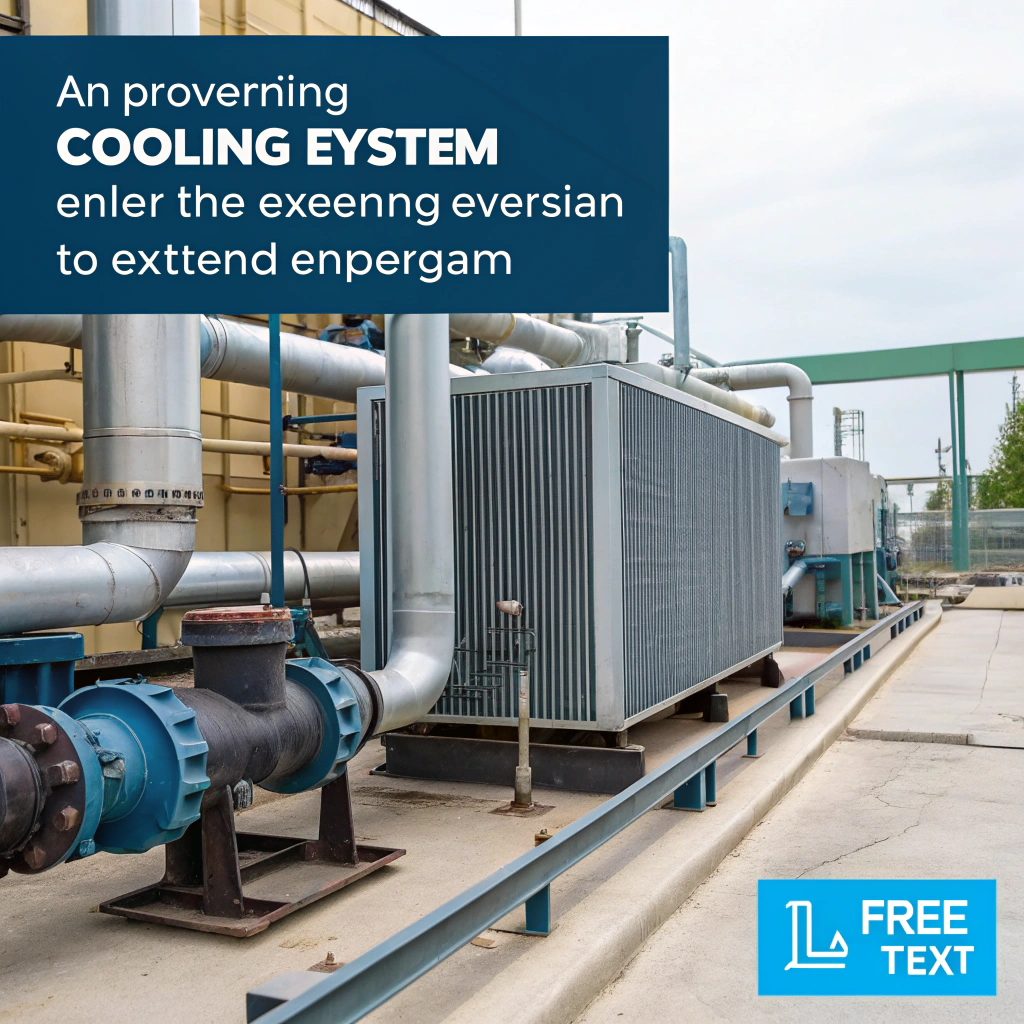
Corrosion has a direct impact on the lifespan of liquid cooling plates. As the metal surfaces corrode, they become thinner and weaker. This gradual weakening can eventually cause the metal to break or crack, leading to coolant leaks.
One of the most significant effects of corrosion is the loss of strength. The process of oxidation causes the metal to degrade, making it brittle and prone to cracking under pressure. In cooling systems, the pressure from circulating liquid can stress weakened areas, resulting in leaks or catastrophic failure if left unaddressed.
Another issue is reduced heat transfer efficiency. The buildup of rust and corrosion on the metal surface can act as an insulating layer, hindering the cooling process. This results in the system working harder to maintain optimal temperatures, increasing energy consumption and reducing overall efficiency.
Finally, leakage is a major concern. As corrosion progresses, it can eat away at the seals and joints in the system, weakening their ability to contain the coolant. Even small leaks can be problematic, as they can lead to further corrosion, system inefficiency, and expensive repairs.
The combination of these factors can significantly shorten the lifespan of a cooling system, making it important to take proactive measures to prevent corrosion in the first place.
Corrosion weakens the cooling system, reduces efficiency, and increases the risk of leaksTrue
The corrosion process gradually degrades the material, making it more vulnerable to cracks and breakdowns.
Corrosion does not affect the performance of the cooling system over timeFalse
Corrosion causes damage that reduces system efficiency and increases the likelihood of leaks.
How to Apply Coatings and Inhibitors?
Applying protective coatings and inhibitors is one of the most effective ways to prevent corrosion in liquid cooling systems. Here’s how to do it.
Coatings and corrosion inhibitors create a protective barrier that prevents metal surfaces from coming into contact with oxygen and moisture, significantly extending the lifespan of the system.

1. Protective Coatings
Coatings are an excellent way to protect metal surfaces from the damaging effects of corrosion. There are several types of coatings you can apply to your cooling system:
-
Anodized Coatings: Anodizing is a process that creates a thick, durable oxide layer on aluminum components. This protective layer prevents further oxidation and corrosion while also improving the material’s resistance to heat and wear.
-
Ceramic Coatings: Ceramic coatings provide an additional layer of protection against heat, corrosion, and abrasion. These coatings can be applied to aluminum, copper, or steel to increase their resistance to corrosion, especially in high-temperature environments.
-
Epoxy Coatings: Epoxy coatings are often used in industrial applications because they provide a strong, durable barrier against corrosion. They are highly resistant to chemicals and water and are often used on steel components in cooling systems.
-
Polyurethane Coatings: Polyurethane is a versatile coating that offers excellent resistance to corrosion and wear. It also provides a smooth, low-friction surface that can help improve heat transfer efficiency.
2. Corrosion Inhibitors
Corrosion inhibitors are chemicals added to the coolant or applied directly to the system to slow down or prevent corrosion. These inhibitors work by either forming a protective layer on the metal surfaces or by neutralizing corrosive agents in the liquid.
-
Silicate-Based Inhibitors: These inhibitors are commonly used in liquid cooling systems to form a protective silicate film on metal surfaces. This layer prevents the metal from reacting with oxygen and moisture.
-
Phosphate-Based Inhibitors: Phosphates are often used in combination with other inhibitors to protect cooling systems from corrosion. They work by creating a protective layer on the metal and adjusting the pH of the coolant.
-
Organic Inhibitors: Organic inhibitors, such as benzotriazole, form a protective barrier on copper and other metals. These inhibitors are often used in systems where copper is a key component, such as in heat exchangers.
To apply these coatings and inhibitors effectively, make sure to follow the manufacturer’s instructions for proper application. Regular maintenance and reapplication are also important to ensure long-term protection.
Coatings and inhibitors form a protective barrier against corrosionTrue
These protective measures help prevent metal surfaces from interacting with oxygen and moisture, slowing down the corrosion process.
Coatings and inhibitors are not effective in preventing corrosion in liquid cooling systemsFalse
Coatings and inhibitors play a key role in protecting metal surfaces and extending the life of the cooling system.
What New Materials Resist Corrosion?
In recent years, new materials have been developed that offer superior resistance to corrosion. Let’s take a look at some of these innovative materials.
New materials such as corrosion-resistant alloys and advanced composites are revolutionizing the liquid cooling industry. These materials provide longer-lasting protection without the need for frequent maintenance.

1. Corrosion-Resistant Alloys
Some metals are naturally more resistant to corrosion. Engineers have developed alloys that combine these metals with others to create stronger, more corrosion-resistant materials.
-
Stainless Steel: Stainless steel is widely used in cooling systems due to its excellent resistance to corrosion. Unlike regular steel, stainless steel contains chromium, which forms a protective layer on the surface, preventing rust and corrosion.
-
Aluminum Alloys: Certain aluminum alloys, such as 5000 series and 6000 series, are designed to resist corrosion in both fresh and saltwater environments. These alloys are often used in cooling plates and heat exchangers because they offer a balance of strength and corrosion resistance.
-
Titanium Alloys: Titanium is known for its exceptional resistance to corrosion, particularly in harsh environments. It’s commonly used in high-end cooling systems where longevity is crucial, but it is more expensive than aluminum or steel.
2. Composite Materials
Advanced composite materials combine resins and fibers to create strong, lightweight materials with high resistance to corrosion.
-
Carbon Fiber Reinforced Plastics (CFRP): Carbon fiber composites are becoming increasingly popular in liquid cooling systems due to their strength and corrosion resistance. CFRP is highly durable and can withstand extreme temperatures and pressures without corroding.
-
Glass Fiber Reinforced Plastics (GFRP): Glass fiber composites are also used in some cooling systems due to their corrosion resistance. They are especially effective in environments where metal components might degrade quickly.
-
Polymer Composites: Polymer composites, made from materials like polyethylene or polypropylene, offer excellent corrosion resistance, particularly in acidic or alkaline environments. These materials are used in some specialized cooling systems that need to resist chemical corrosion.
The use of these new materials can significantly extend the life of a liquid cooling system. While they may come at a higher initial cost, they reduce the need for regular maintenance and replacement of corroded parts.
Corrosion-resistant alloys and composites offer better protection against corrosionTrue
These materials are designed to resist degradation, offering longer-lasting protection and reducing maintenance costs.
New materials are not more resistant to corrosion than traditional metalsFalse
Corrosion-resistant alloys and composites are specifically engineered to withstand corrosion, offering longer lifespans compared to traditional metals.
Conclusion
Corrosion can significantly reduce the lifespan of liquid cooling systems, but with the right materials, coatings, and inhibitors, you can prevent it. Applying these protective measures and using corrosion-resistant materials can extend the life of your cooling system, keeping it efficient and leak-free for longer.


