How do airflow direction changes affect heat sink efficiency?
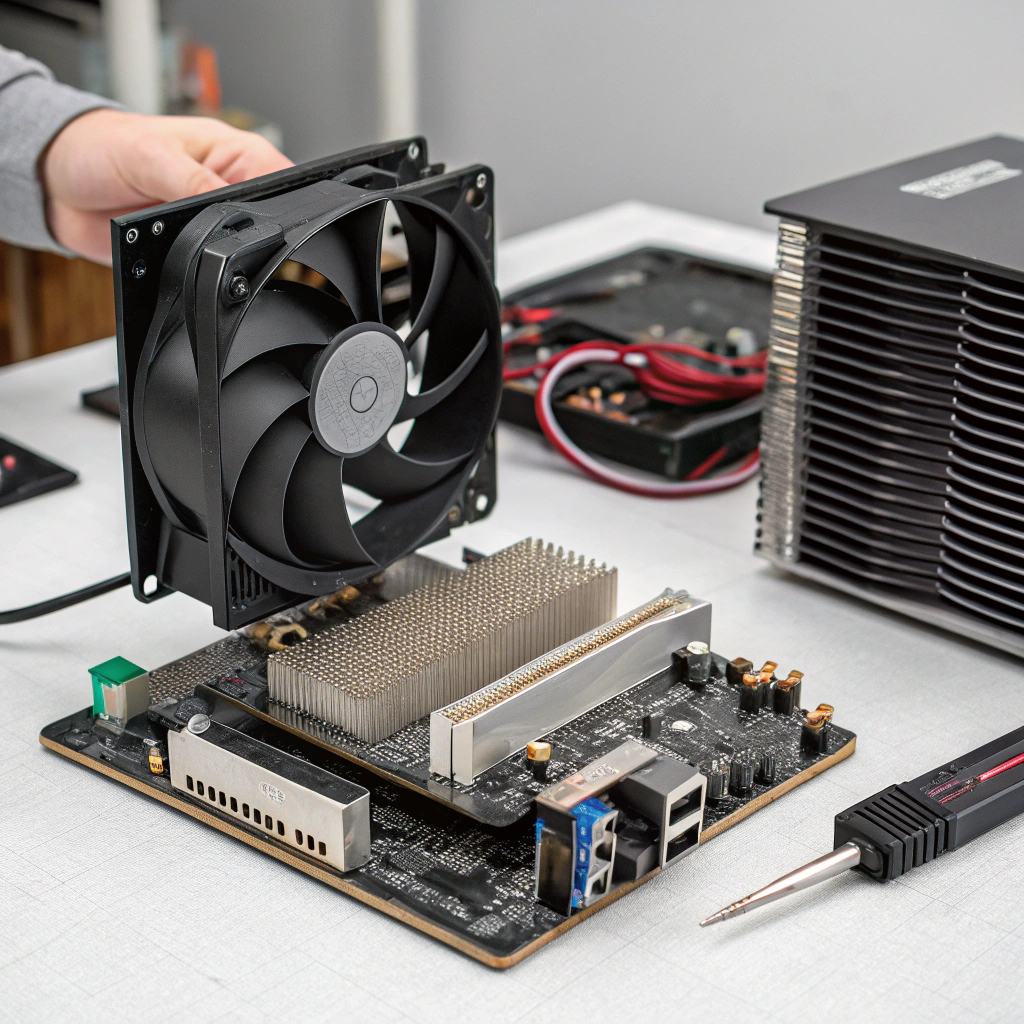
Have you ever flipped a fan or reoriented a heat sink, only to find it made things worse instead of better?
Yes — airflow direction plays a critical role in heat sink performance. If air moves the wrong way, the heat might stay trapped.
In this article, I’ll explain how airflow helps heat dissipation, what happens when airflow direction is wrong, how to control and improve it, and what new cooling methods are leading the way.
What is the role of airflow in heat dissipation?
Do you think a bigger heat sink is always better, even if there’s no airflow around it?
Airflow helps remove heat from the surface of a heat sink. Without it, heat builds up, making the heat sink useless.
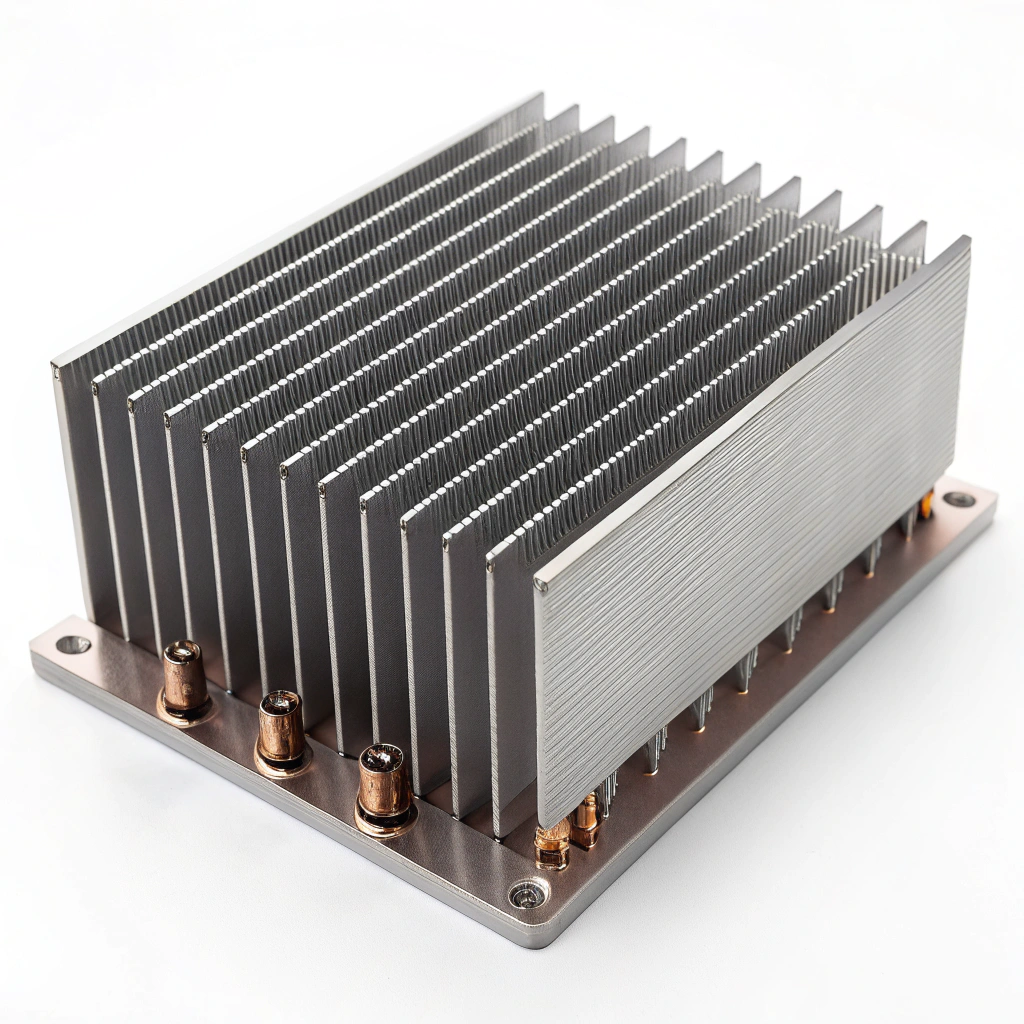
Heat dissipation depends on conduction and convection. The heat sink conducts heat away from the device. Then air moving across the fins removes it. If the air is still or slow, heat accumulates.
There are two types of airflow:
- Natural convection: Air rises on its own as it heats.
- Forced convection: A fan or blower pushes or pulls air.
The faster the airflow, the more heat it can carry away. But the direction of that flow also matters. If air enters from the wrong side, or exits into a blocked area, the cooling effect is reduced.
Air needs to:
- Flow across the fins (not along them).
- Exit freely without back pressure.
- Enter at ambient temperature, not from heated zones.
The convection efficiency depends on how well air touches the surface. If airflow is uneven, or blocked, parts of the sink stay hot. That’s why airflow must be matched to heat sink geometry.
Also, airflow patterns affect thermal gradients. If one part of the sink cools more than another, heat isn’t shared well, and hot spots can form. That harms performance and device life.
Airflow is only important in active cooling systems.False
Even in natural convection, airflow is essential for removing heat.
Heat sink fins should be aligned with the airflow direction to maximize cooling.True
Air must pass between fins to enable effective convection.
What are the advantages of directional airflow control?
Have you ever had a fan in the system, but temperatures were still high?
Controlling airflow direction brings better cooling, lower noise, and more efficiency — even with the same fan and heat sink.
Airflow control means choosing where air comes in, how it moves, and where it exits. This lets you guide cool air to hot parts and avoid heat build-up.
Here’s what directional airflow control can do:
1. Better cooling performance
Guided airflow flows directly through the fins. This improves heat transfer and lowers device temperature.
2. Avoiding air recirculation
Without control, hot exhaust air might flow back into the intake. That reheats the sink. With airflow control, you ensure fresh air enters and hot air exits properly.
3. Balanced airflow across components
When airflow is directional, all components get some cooling. Random airflow may cool one device well and neglect others.
4. Reduced noise
Controlling airflow means the fan doesn’t have to work as hard. Lower fan speed means less noise and longer life.
5. Optimised system size
Better airflow means you might not need a huge heat sink. You can use a smaller sink and still stay within safe temperatures.
Here’s a table summarising benefits:
| Advantage | How It Helps |
|---|---|
| Better convection | More heat removed per second |
| Fewer hot spots | Balanced fin cooling |
| Controlled airflow path | No air bypass or reverse flow |
| Lower fan RPM possible | Quieter systems |
| Smaller heat sink use possible | Compact designs |
Good airflow is like a well-designed road: it gets things moving smoothly and efficiently.
Directing airflow helps prevent heat from circulating back into the system.True
Airflow management prevents reheating by keeping intake air cool.
Airflow control only affects noise, not temperature.False
It directly affects cooling efficiency and thermal performance.
How do I optimize heat sink placement for airflow?
Think adding a heat sink anywhere will help? Not if air can’t reach it properly.
Proper placement makes airflow work better, improves temperature, and extends system life.

Follow these steps:
Step 1: Align with airflow
Place the heat sink so its fins are aligned with airflow direction. Air must pass through fin gaps, not across fin edges.
Step 2: Avoid obstructions
Keep enough space around the sink. Avoid walls or nearby components that block airflow. Leave at least 10–20mm clearance if possible.
Step 3: Match fan position
Put the sink in the path of forced air if using a fan. Decide whether the fan should push or pull — pushing is usually more efficient.
Step 4: Isolate airflow path
Use ducts or shrouds to guide air across the sink. Prevent leakage or bypass that wastes cooling effort.
Step 5: Control inlet and outlet
Use filters or grills to manage intake air. Place vents away from exhaust zones to keep fresh air cool. Let hot air exit freely.
Step 6: Position horizontally or vertically
In passive systems, mount fins vertically so hot air rises naturally. In active systems, horizontal placement is fine if airflow is strong.
Here’s a simple guide:
| Placement Factor | Recommendation |
|---|---|
| Fin orientation | Match airflow direction |
| Clearance from obstacles | At least 10mm around sink |
| Fan mode | Push mode preferred |
| Use of ducts or shrouds | Strongly recommended |
| Exhaust outlet location | Away from intake or sensors |
You can also test different placements using thermal cameras or temperature sensors. If one area stays hot, try changing the angle or flow direction.
Mounting a heat sink vertically helps natural convection.True
Hot air rises, so vertical fins help air flow upward.
More airflow always means better cooling, regardless of direction.False
If the direction is wrong, airflow can bypass the heat sink entirely.
What are the trends in forced convection cooling?
As devices get smaller and hotter, cooling needs to be smarter — not just stronger.
New trends in forced convection are changing how we think about airflow and heat sinks.
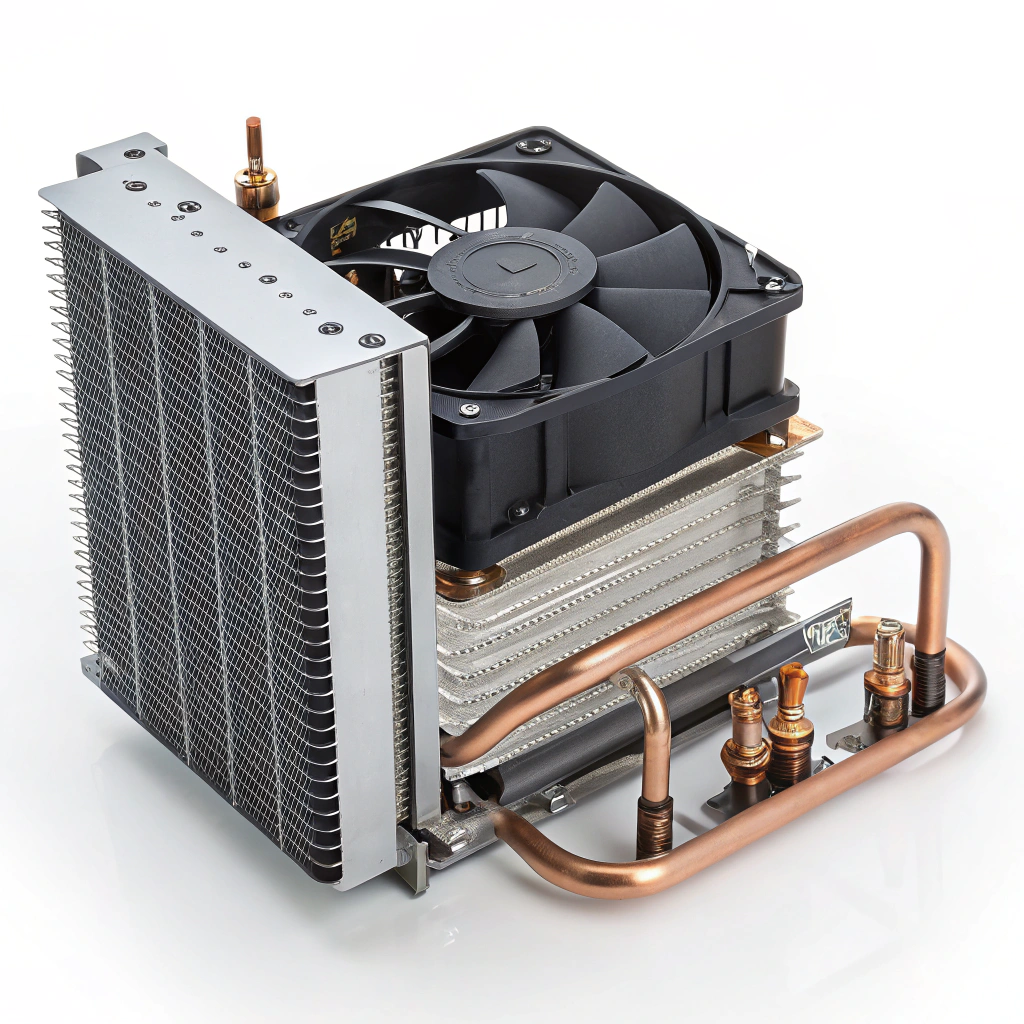
Here are the major trends:
1. Micro fans and directed flow
Small high-speed fans are now used in tight spaces. These are placed directly over or near the heat source. They move small volumes of air quickly and efficiently.
2. Integrated ducts
Designs now include built-in ducts that guide air straight through the heat sink. These improve airflow speed and reduce turbulence.
3. Smart fan control
Fans now change speed based on temperature. This saves energy, reduces noise, and extends life.
4. Modular cooling
Heat sinks come with attachable fans or slide-in modules. These can be upgraded or replaced without changing the entire system.
5. Heat pipe + fan combos
Heat pipes move heat away from small hot zones. Then, a fan cools the pipe or connected sink. This spreads heat and improves cooling.
6. AI and simulation tools
Designers use software to simulate airflow paths. They adjust fan speed, sink placement, and duct design before manufacturing.
7. Enclosure-level air planning
Instead of just cooling one part, engineers plan the airflow of the whole enclosure. This balances pressure, avoids dead spots, and improves efficiency.
Here’s a summary of trends:
| Trend | Benefit |
|---|---|
| Micro fans | Targeted cooling in small spaces |
| Ducts and shrouds | Direct airflow, reduce losses |
| Smart control | Lower noise, better performance |
| Heat pipe integration | Remove hot spots quickly |
| AI airflow simulation | Faster, smarter design optimization |
These trends show that forced convection is evolving. It’s no longer just adding a fan — it’s a design science.
Smart fans can adjust speed based on temperature to improve efficiency.True
They reduce power usage and noise when full speed isn’t needed.
Ducts and shrouds limit airflow and should be avoided.False
They guide air and reduce waste, improving cooling efficiency.
Conclusion
Changing airflow direction can make or break heat sink performance. Air must flow across the fins properly to remove heat. If it doesn’t, the sink fails, no matter how big it is. By controlling direction, aligning placement, and using trends like ducts or smart fans, you can keep devices cooler, quieter, and safer. Forced convection is more than just moving air — it’s about moving it right.