


What Are the Benefits of Using Aluminium Profiles in School Buildings?

Are you considering materials for school construction?
Aluminium profiles are an excellent choice for school buildings due to their non-toxic nature, easy cleanability, durability, and safety features. These properties not only enhance the aesthetic appeal of educational facilities but also ensure a safe and hygienic environment for students and staff.
In this blog post, we will explore the specific advantages of aluminium profiles in school buildings and why they are increasingly preferred by architects and builders alike. You’ll discover their various applications and how they contribute to creating safer, more functional, and environmentally friendly learning spaces.
What Makes Aluminium Profiles Non-Toxic and Safe for Schools?
Aluminium profiles are increasingly becoming the material of choice for schools due to their non-toxic and safe characteristics. But what specifically makes them ideal for educational environments?
Aluminium profiles are non-toxic and safe for schools due to their smooth surfaces that resist dirt, lack of harmful chemical emissions, high durability, and easy cleanability, making them perfect for maintaining hygienic environments.

Understanding Non-Toxicity in Aluminium Profiles
Aluminium profiles are inherently non-toxic, which means they do not release harmful chemicals into the environment. This is particularly crucial in school settings where children are vulnerable to exposure to hazardous substances.
The manufacturing process of aluminium profiles typically involves a clean method that minimizes the use of harmful additives.
Moreover, aluminium does not emit volatile organic compounds (VOCs) which can lead to indoor air pollution.
This makes it a safe choice for classrooms and facilities where students spend significant time.
To further ensure safety, many manufacturers adhere to strict regulatory standards that govern the materials used in their production, including certifications such as Greenguard that verify low chemical emissions.
Easy Cleanability: A Key Feature
One of the standout features of aluminium profiles is their smooth surface, which is resistant to dirt and grime.
This characteristic is essential in educational environments where cleanliness is paramount.
Here’s a comparison of cleaning methods for different materials:
| Material | Cleaning Ease | Durability | Toxicity Risk |
|---|---|---|---|
| Aluminium | Easy | High | Low |
| Wood | Moderate | Moderate | Moderate |
| Plastic | Easy | Low | High |
Aluminium profiles can be easily wiped down with disinfectants without damaging the material, making them ideal for high-traffic areas such as hallways and cafeterias.
This ease of maintenance becomes especially important during flu seasons or pandemics when hygiene protocols need to be stringent.
Durability and Safety Considerations
Durability is another critical aspect of aluminium profiles that contributes to their safety in schools.
They are resistant to corrosion and can withstand various weather conditions, ensuring that they remain intact over time.
Moreover, their lightweight nature helps to reduce structural loads while maintaining stability, making them suitable for both indoor and outdoor applications.
Design features such as rounded corners can also be implemented in aluminium profiles to minimize the risk of injuries among students.
Schools can leverage these safety features by choosing profile designs specifically intended for high-traffic areas or places with younger children.
Versatile Applications in School Infrastructure
Aluminium profiles find use in various applications within school buildings, including:
- Partitions: Creating flexible spaces for different teaching methods while ensuring sound insulation.
- Doors and Windows: Providing energy efficiency and a pleasing aesthetic.
- Guardrails: Ensuring safety in stairwells and walkways without compromising on design.
Each application benefits from the non-toxic and durable properties of aluminium, enhancing the overall safety and functionality of school environments.
For more insights into the applications of aluminium in educational settings, consider exploring case studies that showcase successful projects.
How Do Aluminium Profiles Enhance Energy Efficiency in Educational Facilities?
Aluminium profiles play a pivotal role in enhancing energy efficiency within educational facilities. Their unique properties contribute significantly to creating sustainable and cost-effective learning environments.
Aluminium profiles enhance energy efficiency in educational facilities by improving insulation, maximizing natural light, and ensuring airtight building envelopes, which lead to lower operational costs and increased comfort for students.
The Role of Aluminium Profiles in Insulation
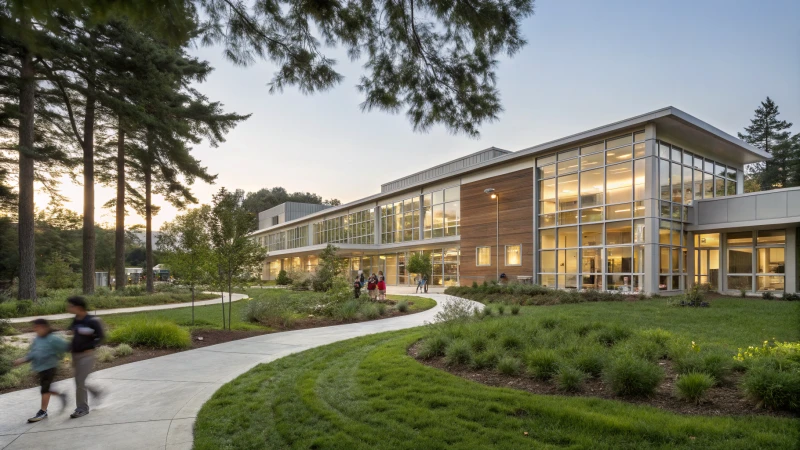
Aluminium profiles contribute significantly to the thermal insulation of educational facilities. By utilizing aluminium frames for windows and doors, schools can reduce heat loss during winter and maintain cooler temperatures in summer. This is crucial for creating a comfortable learning environment.
For instance, double-glazed aluminium windows provide excellent insulation properties, which help in maintaining a stable indoor temperature. According to studies, buildings with high-quality insulation can save up to 30% on heating and cooling costs. This not only enhances energy efficiency but also leads to substantial cost savings over time.
Daylighting and Natural Light Utilization
One of the most notable advantages of aluminium profiles is their ability to maximize daylighting. By using large aluminium-framed windows, educational facilities can increase natural light penetration, reducing the need for artificial lighting during the day. Studies show that classrooms filled with natural light can improve student concentration and productivity.
| Aspect | Benefits | Impact on Energy Efficiency |
|---|---|---|
| Daylight Harvesting | Reduces electricity use | Lowers operational costs |
| Improved Mood & Focus | Enhances student performance | Indirectly contributes to reduced energy consumption |
Incorporating aluminium profiles into design can lead to innovative solutions such as skylights and clerestory windows that further enhance daylighting.
Enhancing Building Envelope Performance
Aluminium profiles also improve the overall building envelope performance, which is crucial for energy efficiency. When properly integrated into the building design, these profiles help create a tight seal that minimizes air leakage. This is particularly important in educational facilities where maintaining consistent temperature is essential.
The benefits include:
- Lower HVAC Costs: Efficient sealing can reduce the workload on heating and cooling systems.
- Comfort: Minimizes drafts and temperature fluctuations, creating a more conducive learning environment.
- Sustainability: Less energy consumption means a lower carbon footprint for the school.
Environmental Impact and Sustainability
Using aluminium profiles aligns with sustainable building practices. Aluminium is a highly recyclable material, making it an environmentally friendly choice for educational facilities. By opting for these materials, schools can contribute to a circular economy while enhancing energy efficiency.
Moreover, the durability of aluminium profiles means they require less frequent replacement compared to other materials, further reducing waste over time.
Conclusion
Aluminium profiles are integral to the design of energy-efficient educational facilities, offering numerous benefits ranging from improved insulation and natural light utilization to enhanced building performance and sustainability. Schools can significantly improve their energy efficiency by incorporating these innovative materials into their structures.
In What Ways Can Aluminium Profiles Be Used in School Design?
Discover how aluminium profiles play a vital role in modern school design, enhancing safety, flexibility, aesthetics, and sustainability.
Aluminium profiles are essential in school design, used for partitions, windows, doors, and guardrails, offering safety, flexibility, aesthetic appeal, and sustainability in educational environments. They meet critical needs for hygiene and durability.

Enhancing Safety with Aluminium Profiles
Aluminium profiles are designed with safety in mind. Their lightweight yet durable nature allows for the construction of features such as rounded corners on windows and doors, minimizing the risk of injury.
In addition, their corrosion resistance ensures that these structures remain intact and safe over time. This is particularly crucial in high-traffic areas like schools where children are present.
For instance, using aluminium guardrails can provide secure boundaries in staircases and balconies while also being aesthetically pleasing.
This combination of functionality and design makes aluminium profiles an ideal choice for enhancing the safety of school environments.
Flexible Space Utilization
One of the significant advantages of aluminium profiles in school design is their versatility in creating flexible spaces.
Aluminium partitions can be used to create dynamic classroom environments, allowing educators to modify room layouts based on their teaching methods or group activities. This adaptability can be crucial for modern educational approaches that emphasize collaborative learning.
| Feature | Benefit |
|---|---|
| Lightweight | Easier installation |
| Acoustic performance | Reduces noise interference |
| Non-toxic material | Safe for students and staff |
These partitions can be installed in various configurations, contributing to a more interactive learning environment that can adapt to changing educational needs.
Aesthetic Appeal and Functionality
Aluminium profiles not only serve functional purposes but also enhance the visual appeal of school buildings.
The sleek design and variety of finishes available for aluminium frames allow architects to create modern, stylish facades that attract students and parents alike.
Using aluminium for windows and doors can improve energy efficiency by providing excellent thermal insulation, which helps maintain comfortable indoor temperatures.
Example of Aesthetic Applications:
- Aluminium-framed windows: Maximizes natural light while maintaining a contemporary look.
- Sliding doors: Creates seamless transitions between indoor and outdoor spaces, fostering a connection with nature.
This dual functionality — combining beauty with performance — makes aluminium profiles a preferred choice in educational architecture.
Sustainable Practices
Incorporating aluminium profiles into school design aligns with sustainable building practices.
Aluminium is highly recyclable, and its durability reduces the need for frequent replacements, which lowers overall material consumption over time. Schools can use this aspect to promote environmental awareness among students.
Moreover, choosing locally sourced aluminium supports community businesses and reduces carbon footprints. For more insights on sustainability in school design, check out sustainable school designs.
Case Studies of Aluminium Use in Schools
Several successful projects highlight the effective use of aluminium profiles in educational settings:
- Greenwood Academy utilized aluminium partitions to create adaptive learning spaces, enhancing collaboration among students.
- Bright Futures School implemented aluminium windows to improve energy efficiency while allowing ample natural light, contributing to a healthier learning atmosphere.
These examples showcase how aluminium profiles can transform school environments into more functional and attractive spaces.
What Are Real-World Examples of Successful School Projects Using Aluminium Profiles?
Discover how schools worldwide are successfully using aluminium profiles to enhance functionality, safety, and aesthetics in their projects.
Aluminium profiles are successfully used in schools for windows, partitions, and safety features. Examples include the Modern Academy in Cairo and Lincoln High School in the USA, showcasing energy efficiency and durability.

Innovative School Building Designs Using Aluminium Profiles
Several schools around the world have successfully incorporated aluminium profiles into their designs, showcasing not only the material’s aesthetic appeal but also its functional benefits.
One notable example is the Modern Academy in Cairo, Egypt. This institution utilized aluminium framed windows to enhance natural light within classrooms, reducing reliance on artificial lighting and promoting energy efficiency. The aluminium profiles were chosen for their durability and ability to withstand high-frequency use, essential in a bustling educational environment. You can learn more about energy-efficient schools here.
Flexible Space Solutions with Aluminium Partitions
Aluminium profiles are particularly effective in creating flexible spaces within educational institutions. For instance, the Greenfield School in Canada opted for aluminium partitions that allow educators to adapt classroom layouts as needed. These partitions not only provide sound insulation but also create a conducive learning atmosphere by allowing for easy reconfiguration of spaces. More insights on flexible classroom designs can be found here.
| School Name | Location | Application of Aluminium Profiles | Benefits |
|---|---|---|---|
| Modern Academy | Cairo, Egypt | Aluminium framed windows | Improved lighting, energy efficiency |
| Greenfield School | Canada | Aluminium partitions for classrooms | Flexibility, sound insulation |
| Lincoln High School | USA | Aluminium doors and window frames | Durability, aesthetic appeal |
Enhancing Safety with Aluminium Fencing
In addition to structural applications, aluminium profiles are also used in safety features around school premises. Lincoln High School in the United States installed aluminium fencing around its campus, providing security while being low-maintenance due to its corrosion-resistant properties. This fencing not only protects students but also enhances the overall aesthetic of the school grounds. To explore more about safety measures in schools, click here.
Case Study: The Eco-Friendly School
An exemplary project is the Eco-Friendly School in Australia, which utilized aluminium profiles extensively in its construction. The school’s architecture incorporated aluminium roofing and cladding, which not only looks modern but also contributes to sustainable practices by reflecting heat and reducing energy costs. This project serves as a model for future developments focused on sustainability and efficiency. Discover more about eco-friendly building practices here.
Conclusion
Aluminium profiles offer non-toxic, durable, and hygienic solutions for school buildings, enhancing safety and energy efficiency while providing aesthetic appeal.


