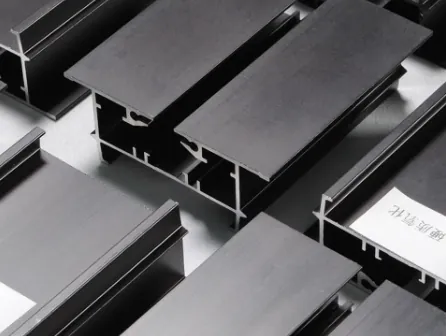
How Wood Grain Tranfer Technology Enhances Decorative Value Of Aluminum Profile?
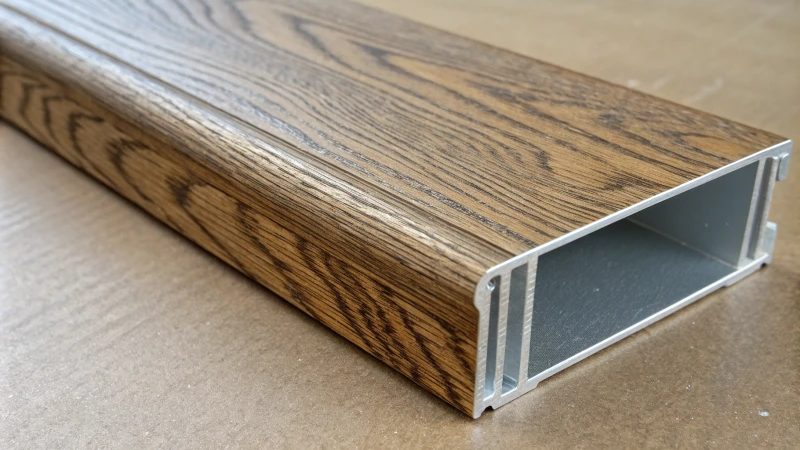
Are you exploring ways to combine aesthetics with durability in your design projects? Discover how wood grain transfer technology is transforming aluminum profiles into stunning, wood-like decor pieces.
Wood grain transfer technology enhances aluminum profiles by applying wood-like patterns through sublimation and thermal penetration processes, resulting in visually appealing and durable surfaces. This eco-friendly method reduces wood usage while offering superior decorative options.
While this brief explanation offers insight into the basics, the real value lies in understanding the detailed process and its advantages. Continue reading to discover how this technology can elevate your design projects and what future innovations may hold.
Wood grain transfer uses sublimation on aluminum.True
Sublimation is a key process in applying wood grain patterns to aluminum.
This technology increases wood usage significantly.False
Wood grain transfer reduces the need for real wood, not increases it.
What Is the Process of Wood Grain Transfer on Aluminum?
Discover the innovative process of transferring wood grain patterns onto aluminum surfaces, offering aesthetic appeal and durability for various applications.
Wood grain transfer on aluminum involves coating the surface with a base color, wrapping it with wood grain paper, vacuum sealing, baking, and cleaning. This technique enhances decorative appeal while being environmentally friendly.
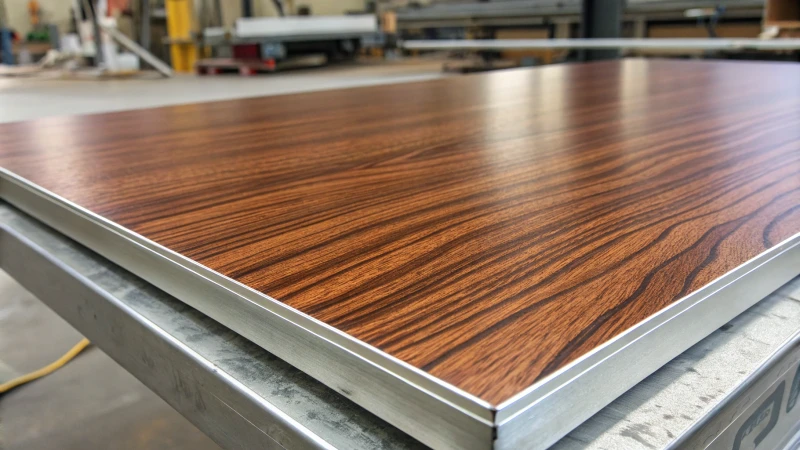
Step-by-Step Guide to Wood Grain Transfer
The process of wood grain transfer begins with applying a base color coating to the aluminum profiles1. This step ensures that the final finish has depth and richness. Next, the desired wood grain paper is wrapped around the profile and secured with high-temperature adhesive tape.
Vacuum Sealing and Baking
The wrapped profiles are placed in a vacuum-sealed bag. This step is crucial as it ensures that the wood grain paper adheres uniformly to the aluminum. The bagged profiles are then baked in an oven. The typical conditions are 160-180°C for 5-8 minutes, but these may vary based on the desired effect.
| Step | Temperature (°C) | Time (Minutes) |
|---|---|---|
| Baking | 160-180 | 5-8 |
Post-Transfer Cleaning
Once baking is complete, the transfer paper is peeled away. This reveals a beautifully transferred wood grain pattern. The surface is then cleaned to remove any residual adhesive or paper fibers, ensuring a smooth finish.
Benefits of Wood Grain Aluminum
Wood grain aluminum profiles are not only visually appealing but also offer numerous benefits over traditional wood. They are lighter and more durable, offering resistance to water, moisture, and corrosion. This makes them ideal for outdoor applications2, where durability is as important as aesthetics.
Future Innovations in Wood Grain Technology
The future of wood grain transfer technology promises further advancements. Digital printing could allow for more complex and diverse patterns, while eco-friendly materials will become increasingly popular. Innovations like smart monitoring systems could adjust spraying parameters in real-time to ensure optimal quality and efficiency.
For anyone involved in decorative applications or product design, understanding this process can provide a competitive edge in creating high-quality, aesthetically pleasing products. As technology evolves, staying informed about new developments will be crucial for leveraging these advancements effectively.
Wood grain transfer requires a vacuum-sealed bag.True
Vacuum sealing ensures uniform adhesion of the wood grain paper to aluminum.
Wood grain aluminum is heavier than traditional wood.False
Wood grain aluminum is lighter and more durable compared to traditional wood.
Why Choose Aluminum Profiles Over Traditional Wood?
Choosing the right material for your projects can be daunting. Aluminum profiles offer a modern alternative to traditional wood, boasting unique advantages that cater to various needs.
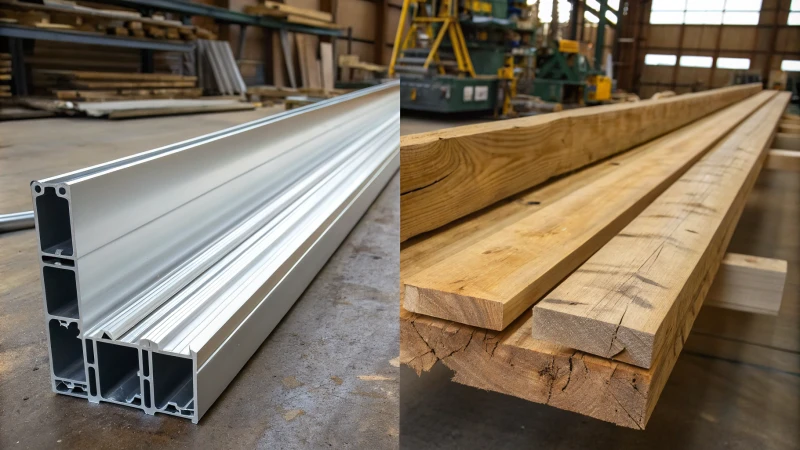
Aluminum profiles are often preferred over traditional wood due to their durability, lightweight nature, and resistance to environmental factors like moisture and pests. These qualities make aluminum profiles a practical choice for many applications.
Superior Durability and Maintenance
Aluminum profiles offer exceptional durability3, standing strong against wear and tear. Unlike wood, which can warp or rot over time, aluminum retains its structural integrity in various conditions. This makes it an ideal choice for outdoor applications where exposure to elements is a concern.
Maintenance is another area where aluminum shines. It requires minimal upkeep compared to wood, which often needs regular treatments to prevent decay and insect infestation. A simple cleaning is usually sufficient to maintain the appearance of aluminum profiles.
Environmental Impact
For the environmentally conscious, aluminum profiles offer a more sustainable option. Aluminum is highly recyclable, and its production process can be more eco-friendly compared to the deforestation associated with wood harvesting. Choosing aluminum can contribute to reducing your carbon footprint, aligning with the values of sustainability-conscious consumers like David.
Here’s a brief comparison:
| Feature | Aluminum Profiles | Traditional Wood |
|---|---|---|
| Durability | High | Medium |
| Maintenance | Low | High |
| Recyclability | Excellent | Limited |
| Aesthetic Variety | Extensive | Natural look |
Aesthetic Flexibility
Aluminum profiles offer extensive aesthetic options, thanks to advanced surface treatments like powder coating and anodizing. These processes allow for a wide range of finishes and colors, including wood grain effects, which provide the warmth of wood without its drawbacks.
Moreover, the innovative wood grain transfer4 technology lets you achieve stunning decorative effects that mimic natural wood grains, enhancing the visual appeal of your projects while maintaining the benefits of aluminum.
Cost-Effectiveness Over Time
While the initial cost of aluminum profiles might be higher than wood, their longevity and low maintenance costs make them a cost-effective choice in the long run. This is particularly beneficial for businesses aiming for long-term savings and efficiency.
Investing in aluminum can lead to fewer replacements and repairs, saving both time and resources in the future. Additionally, its lightweight nature can reduce shipping costs, especially when sourcing materials from international suppliers.
By considering these factors, you’ll find that aluminum profiles offer significant advantages over traditional wood, making them an excellent choice for various applications.
Aluminum profiles require less maintenance than wood.True
Aluminum needs minimal upkeep, unlike wood which requires regular treatments.
Wood is more durable than aluminum in outdoor settings.False
Aluminum retains integrity against elements, unlike wood which can warp or rot.
How Durable Are Wood Grain Aluminum Profiles?
Wood grain aluminum profiles offer the charm of wood with the resilience of metal. But just how durable are they? Let’s explore their longevity and robustness in various conditions.
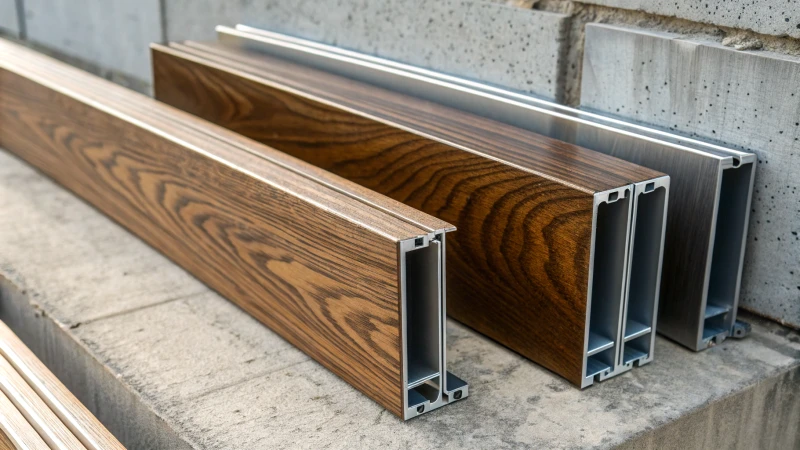
Wood grain aluminum profiles combine aesthetic appeal with durability, making them ideal for diverse applications. Their resistance to corrosion, moisture, and UV rays ensures longevity, surpassing traditional wood.
Understanding Durability Factors
The durability of wood grain aluminum profiles5 largely depends on their ability to withstand environmental stressors. These profiles resist corrosion, moisture, and UV rays, making them suitable for both indoor and outdoor use.
| Property | Wood Grain Aluminum | Traditional Wood |
|---|---|---|
| Corrosion Resistance | High | Low |
| UV Resistance | High | Low |
| Moisture Resistance | High | Low |
Environmental Stressors
Corrosion Resistance:
Aluminum inherently possesses anti-corrosive properties, which are enhanced by the wood grain coating process. This ensures that the profiles remain unaffected by moisture or salt exposure, unlike traditional wood that may rot or warp.
UV Resistance:
The coatings used in wood grain aluminum profiles protect against UV damage. This means they retain their appearance even after prolonged sun exposure, making them a superior choice for outdoor applications.
Moisture Resistance:
The moisture-resistant nature of these profiles makes them perfect for humid environments, where traditional wood might swell or degrade.
Longevity and Maintenance
Maintenance is minimal compared to traditional wood. The profiles require simple cleaning to maintain their aesthetic appeal. Their longevity is further ensured by their resistance to wear and tear due to environmental exposure.
Explore more about maintenance tips6 for maximizing the lifespan of wood grain aluminum profiles.
Case Studies and Applications
Case studies reveal that using wood grain aluminum in architectural projects not only enhances design appeal but also reduces maintenance costs. Projects spanning various climates show consistent durability, underlining the profiles’ adaptability.
Real-World Example:
A resort in a coastal region replaced its wooden facades with wood grain aluminum profiles. The result was a significant reduction in maintenance efforts and costs while maintaining the natural aesthetic.
To discover more about real-world applications, check out this comprehensive guide7 on innovative uses of wood grain aluminum profiles in architecture.
These factors combined make wood grain aluminum profiles a competitive choice8 over traditional materials for those prioritizing both aesthetics and durability.
Wood grain aluminum profiles resist UV rays effectively.True
Coatings on these profiles protect against UV damage, retaining appearance.
Traditional wood has higher moisture resistance than aluminum.False
Wood grain aluminum has high moisture resistance, unlike traditional wood.
What Future Innovations Can We Expect in Wood Grain Technology?
Wood grain technology is evolving rapidly, promising a future filled with eco-friendly materials and intelligent design capabilities. From advanced digital printing to smart monitoring systems, let’s explore how these innovations could reshape the industry.
Future innovations in wood grain technology include digital printing for complex patterns, eco-friendly spraying materials, and smart monitoring systems for enhanced quality control. These advancements aim to increase sustainability and design diversity.
Digital Printing for Diverse Patterns
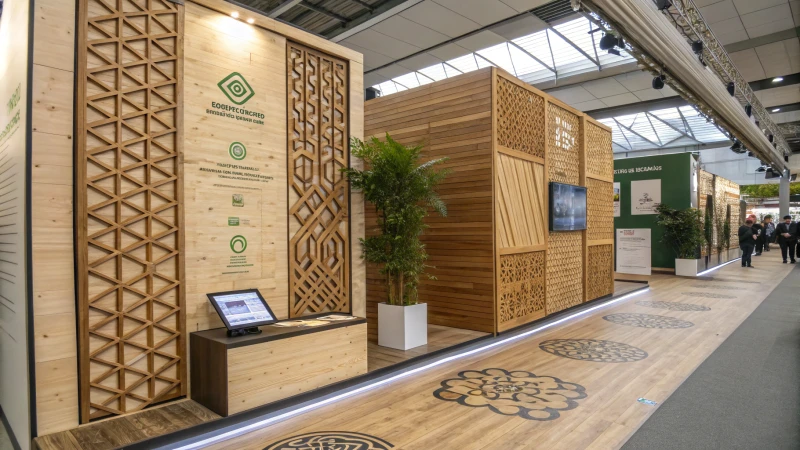
One of the most exciting developments in wood grain technology is the use of digital printing. This technique allows for more intricate patterns9 than traditional methods, catering to personalized consumer demands. Digital printing enables manufacturers to replicate any wood grain with exceptional precision and variety.
Eco-Friendly Spraying Materials
Sustainability is at the forefront of future innovations. Companies are investing in eco-friendly spraying materials10 that reduce environmental impact while maintaining quality. These new materials promise not only a lower carbon footprint but also increased durability and wear resistance.
Smart Monitoring Systems
Advancements in IoT (Internet of Things) are paving the way for smart monitoring systems in wood grain technology. These systems can adjust spraying parameters in real-time, ensuring optimal quality control11. By utilizing sensors and data analytics, manufacturers can achieve consistent results and reduce waste.
Integration of AI for Customization
Artificial Intelligence (AI) is making waves by allowing more personalized and efficient production processes. AI can analyze market trends and customer preferences, enabling companies to tailor designs12 that meet specific aesthetic and functional needs.
| Feature | Benefits |
|---|---|
| Digital Printing | Intricate designs, unlimited customization |
| Eco-Friendly Materials | Sustainability, enhanced durability |
| Smart Monitoring | Real-time adjustments, reduced waste |
| AI Customization | Trend analysis, tailored products |
Digital printing allows for intricate wood grain patterns.True
Digital printing technology enables precise replication of complex wood grains.
Eco-friendly spraying materials increase carbon footprint.False
These materials are designed to reduce environmental impact and carbon footprint.
Conclusion
Wood grain transfer technology enhances aluminum profiles by applying durable, wood-like patterns, offering aesthetic appeal while reducing wood usage and ensuring longevity in various applications.
-
Explore different base color coatings to enhance the depth of wood grain finishes on aluminum. ↩
-
Learn why wood grain aluminum is preferred for outdoor settings due to its durability and aesthetic appeal. ↩
-
Explore why aluminum withstands harsh conditions better than wood, ensuring longevity in diverse applications. ↩
-
Discover how this technology creates stunning wood-like finishes on aluminum, offering aesthetic versatility. ↩
-
Learn about the unique properties that contribute to the durability of wood grain aluminum profiles. ↩
-
Discover easy maintenance tips to ensure the long-lasting beauty of your wood grain aluminum surfaces. ↩
-
Explore diverse architectural applications showcasing the versatility of wood grain aluminum. ↩
-
Understand why choosing wood grain aluminum can be advantageous compared to conventional options. ↩
-
Discover how digital printing enhances customization and pattern complexity in wood grain technology. ↩
-
Learn about the materials that offer sustainability while maintaining quality in wood grain technology. ↩
-
Explore how IoT-driven monitoring systems ensure consistent quality in wood grain applications. ↩
-
Find out how AI-driven processes allow for tailored and efficient production in wood technologies. ↩