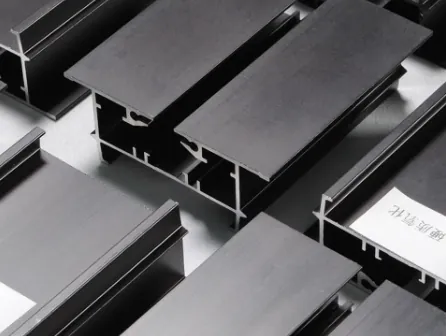
How Does Bending Aluminum Profiles Enhance Product Design and Functionality?
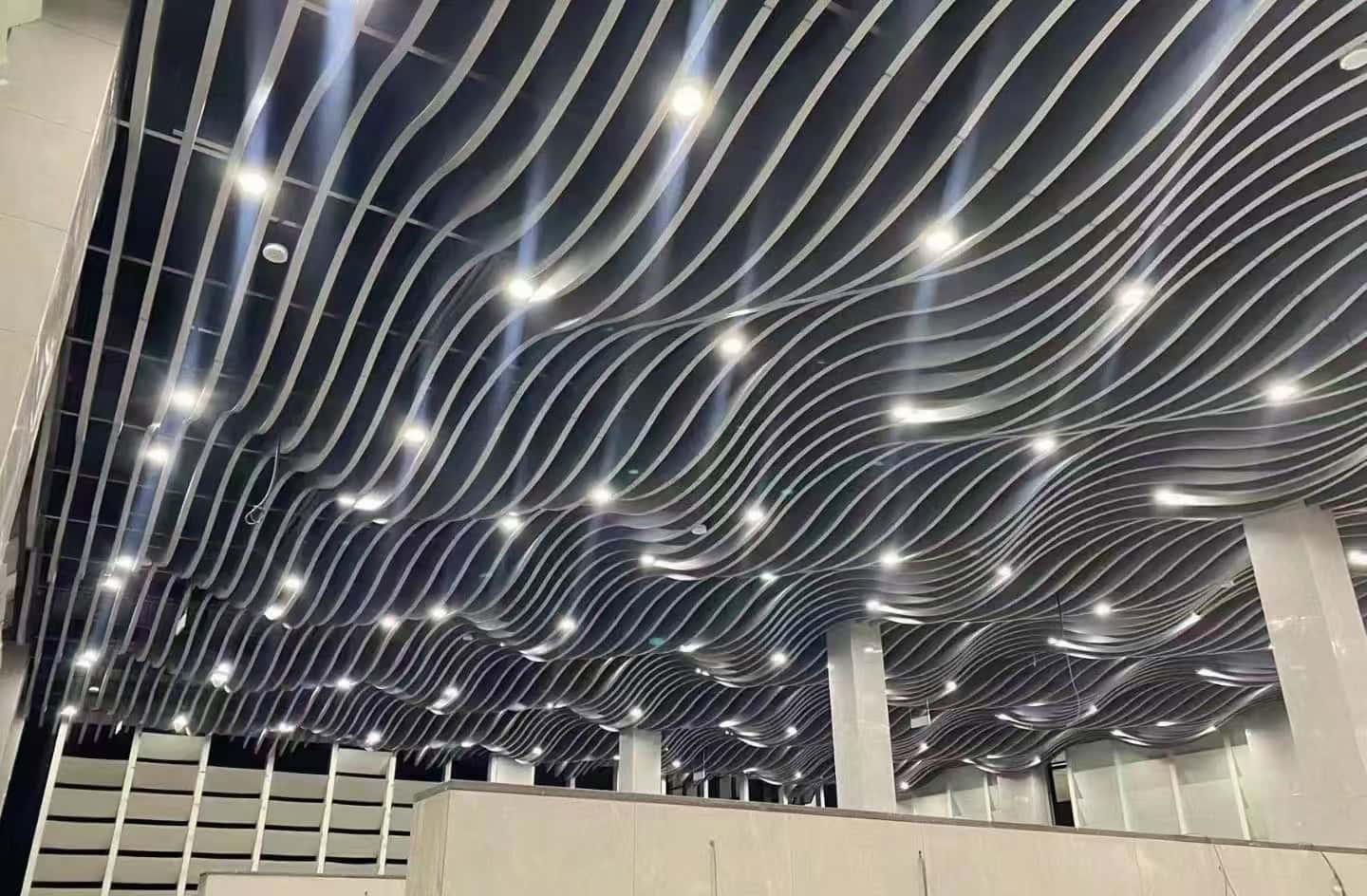
Have you ever marveled at the sleek curves of modern architecture or the graceful lines of a car? Bending aluminum profiles is the magic behind these stunning designs, transforming possibilities in product development.
Bending aluminum profiles enhances product design by allowing for complex shapes and improving functionality while maintaining structural integrity. Techniques such as stretch and roll bending reduce material waste and provide aesthetic and functional benefits, crucial in architecture and automotive industries.
While we’ve touched on the basic advantages of bending aluminum profiles, there’s so much more to uncover. Let’s dive deeper into the technology, challenges, and fascinating applications that showcase the full potential of this transformative process.
Bending aluminum profiles reduces material waste.True
Stretch and roll bending techniques optimize material use, minimizing waste.
What Are the Key Advantages of Bending Aluminum Profiles?
Bending aluminum profiles offers significant advantages in product design, enabling complex shapes and enhancing both aesthetics and functionality.
Bending aluminum profiles allows for intricate shapes, reduces material waste, and enhances aesthetic appeal and structural strength. Techniques like stretch bending and roll bending are pivotal in industries where design complexity and material efficiency are crucial.
Complexity in Design
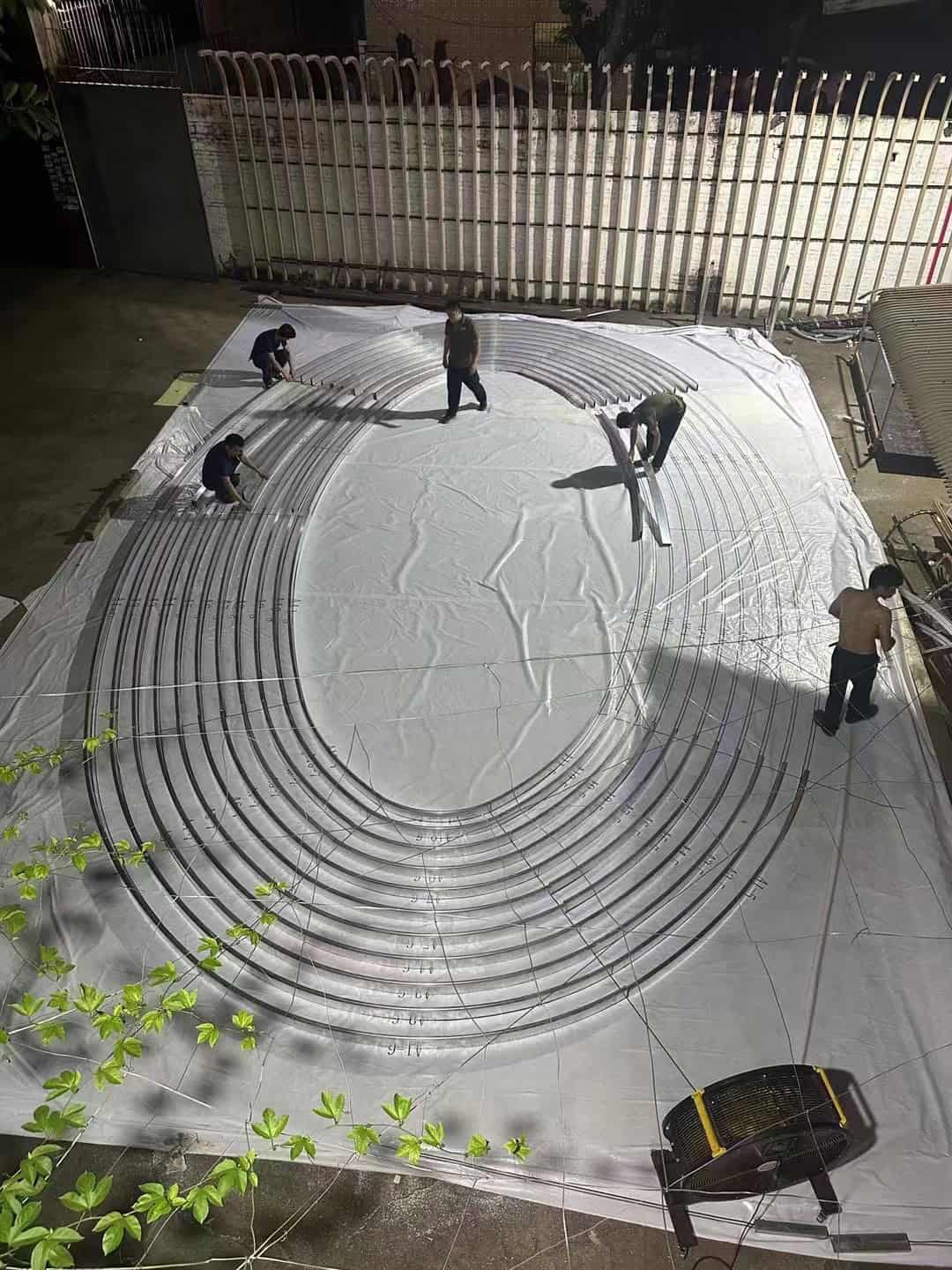
Bending aluminum profiles allows for the creation of complex shapes that would otherwise be challenging to achieve with traditional methods. Techniques like stretch and roll bending enable manufacturers to produce curves and angles essential for unique architectural designs or automotive components. This ability to form detailed shapes is crucial for industries focused on innovation and customization.
Material Efficiency
One of the primary advantages of bending aluminum profiles is the significant reduction in material waste. Instead of cutting and welding multiple pieces to achieve a desired shape, a single aluminum profile can be bent into form. This process not only conserves resources but also reduces production costs, making it an economically viable option for manufacturers.
Aesthetic Enhancement
The bending process enhances the visual appeal of aluminum products. The ability to create smooth curves and intricate designs elevates the overall aesthetics, making these products more attractive for applications in architecture and interior design. Whether used in furniture manufacturing1 or as decorative elements, bent aluminum profiles offer a modern, sleek look.
Structural Integrity
Maintaining structural strength during the bending process is critical. Properly executed bending techniques ensure that the aluminum retains its durability, which is vital for applications subject to operational stress, such as automotive body structures or building components. The combination of aesthetic flexibility and structural robustness makes bent aluminum profiles highly desirable in various sectors.
Applications Across Industries
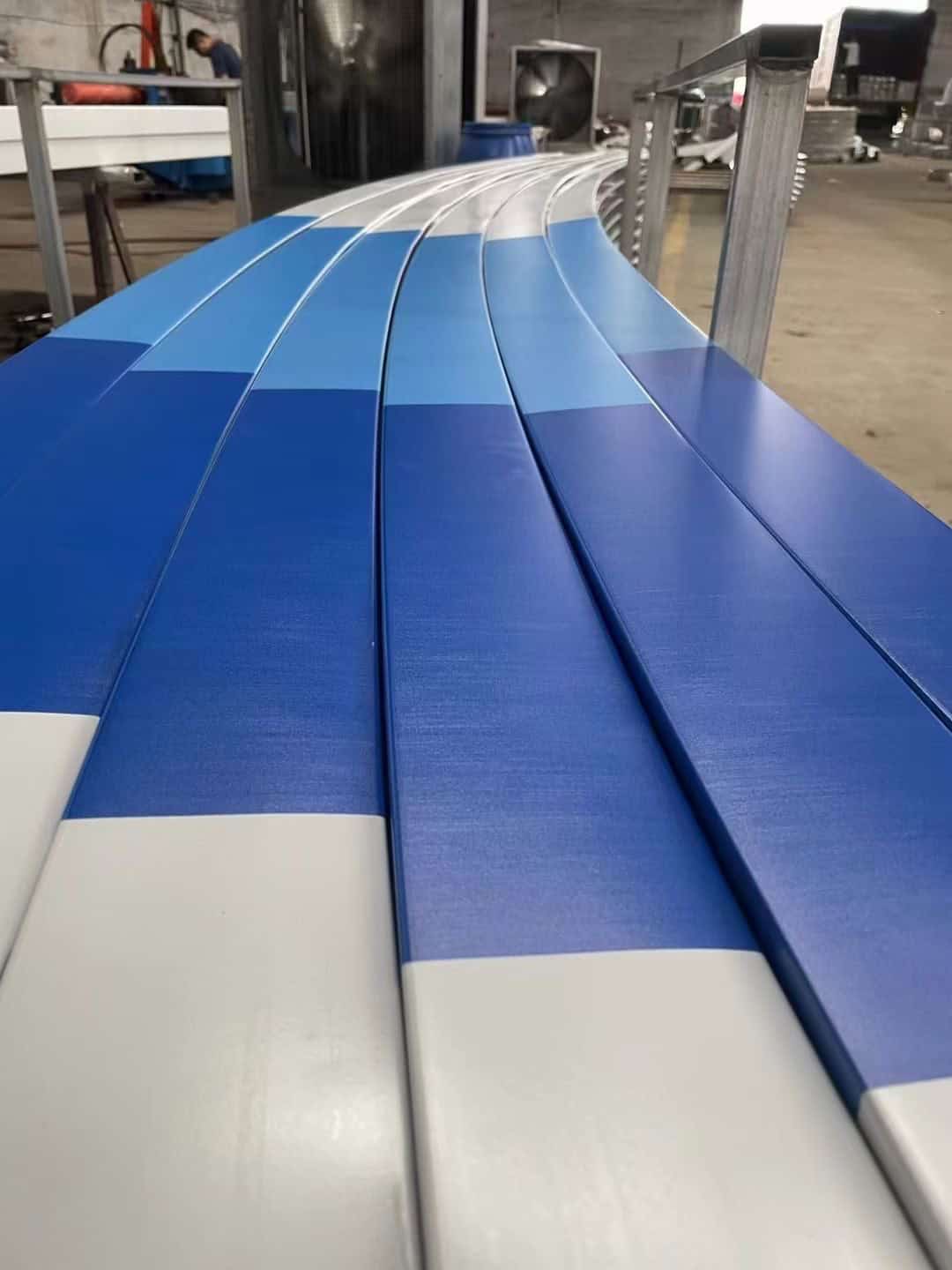
The versatility of bent aluminum profiles is evident in their widespread application across different industries. In the automotive industry2, they are used to create lightweight yet sturdy vehicle parts. In construction, these profiles contribute to innovative architectural designs, offering both functional and aesthetic benefits. Such applications highlight the adaptability of bent aluminum profiles in meeting diverse design requirements.
Bending aluminum profiles reduces material waste significantly.True
Bending avoids cutting and welding, conserving resources and lowering costs.
Bent aluminum profiles are less durable than welded ones.False
Proper bending techniques ensure aluminum retains its structural strength.
Technological Advancements Enable Precision in Complex Aluminum Bending.
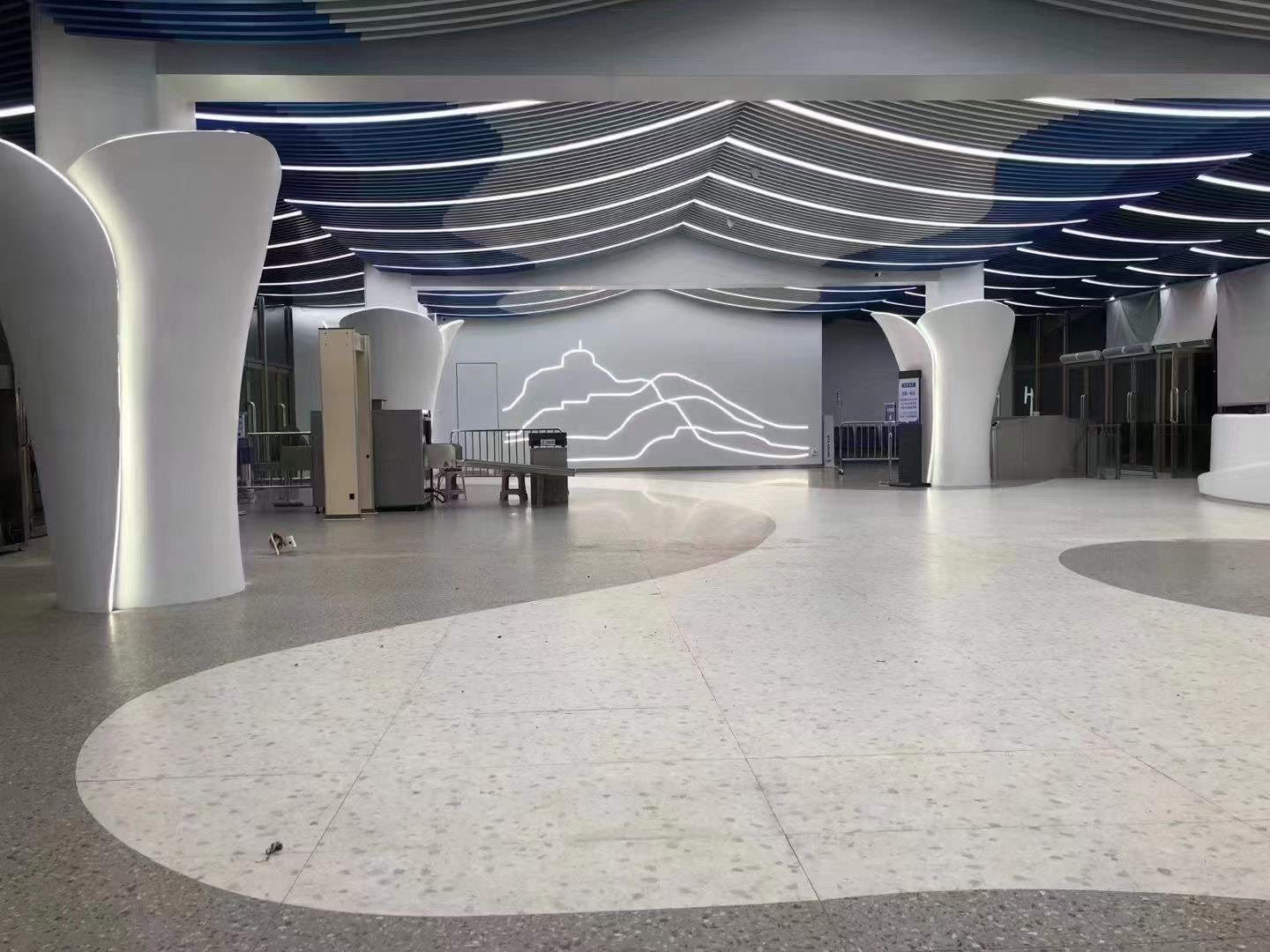
Thanks to advanced technology and precise mold integration, aluminum bending processes can now perfectly meet clients’ demands for complex and challenging designs. Whether aiming for smooth curves or achieving a tight radius of as little as 100 millimeters, these shapes can be produced with ease through high-precision molds. This evolution in processing technology transforms intricate designs from obstacles into achievable realities, opening new possibilities in architectural applications.
Stretch bending involves applying a tensile force to an aluminum profile as it is bent around a die. This method is ideal for creating smooth curves with a uniform cross-section, reducing material waste and enhancing design possibilities in industries like automotive and architecture.
Understanding Stretch Bending Technology
Modern bending technology has significantly expanded the range of shapes and sizes that can be achieved with aluminum extrusions. High-precision molds ensure that even the most complex shapes maintain their structural integrity, offering architects and designers greater creative freedom without compromising on quality.
The flexibility of this technology also enhances efficiency in the production process, reducing material waste and production time. This combination of precision and efficiency ensures that challenging shapes are no longer a barrier, but a standard that can be met reliably and consistently.
Breakthroughs in Thickness and Shape Variety for Bending
- Tensile Force: The applied force stretches the profile, ensuring that it follows the die’s contours without deformation.
- Die: The die acts as a mold, guiding the profile into its final shape. Various die shapes allow for different bend radii and angles.
Advantages of Stretch Bending
The main advantage of stretch bending is its ability to produce complex shapes with minimal material waste. By stretching a single piece of material instead of joining multiple sections, manufacturers can achieve greater efficiency and reduced costs. Additionally, the uniform tension applied during stretching ensures that the profile maintains its cross-sectional integrity, crucial for maintaining strength and aesthetics.
Applications of Stretch Bending
Automotive Industry
In automotive manufacturing, stretch bending is used to create components such as bumper beams and window frames. These parts require precise curves and strength to withstand operational stresses.
Architecture
Architectural applications include curved curtain walls and decorative elements where aesthetics and structural stability are equally important. The smooth curves achieved through stretch bending enhance building facades and interiors.
Challenges in Stretch Bending
Despite its advantages, stretch bending poses challenges such as potential material cracking or surface defects. These issues arise from improper force application or inadequate die design. To mitigate these risks, manufacturers must select appropriate materials and optimize bending parameters.
| Challenge | Solution |
|---|---|
| Material Cracking | Use softer alloys or adjust tensile force |
| Surface Defects | Ensure proper die maintenance and lubrication |
Understanding these elements helps industries leverage stretch bending for advanced design and manufacturing needs. For more on tensile force in stretch bending3, explore expert insights and case studies on how this technology evolves with modern demands.
Stretch bending reduces material waste.True
Stretch bending uses continuous profiles, minimizing the need for joining.
Stretch bending cannot create complex shapes.False
It is specifically used to create complex curves and shapes efficiently.
Breakthroughs in Thickness and Shape Variety for Bending
Aluminum profile bending is integral to achieving unique designs, yet it presents several challenges that can impact the final product’s quality.
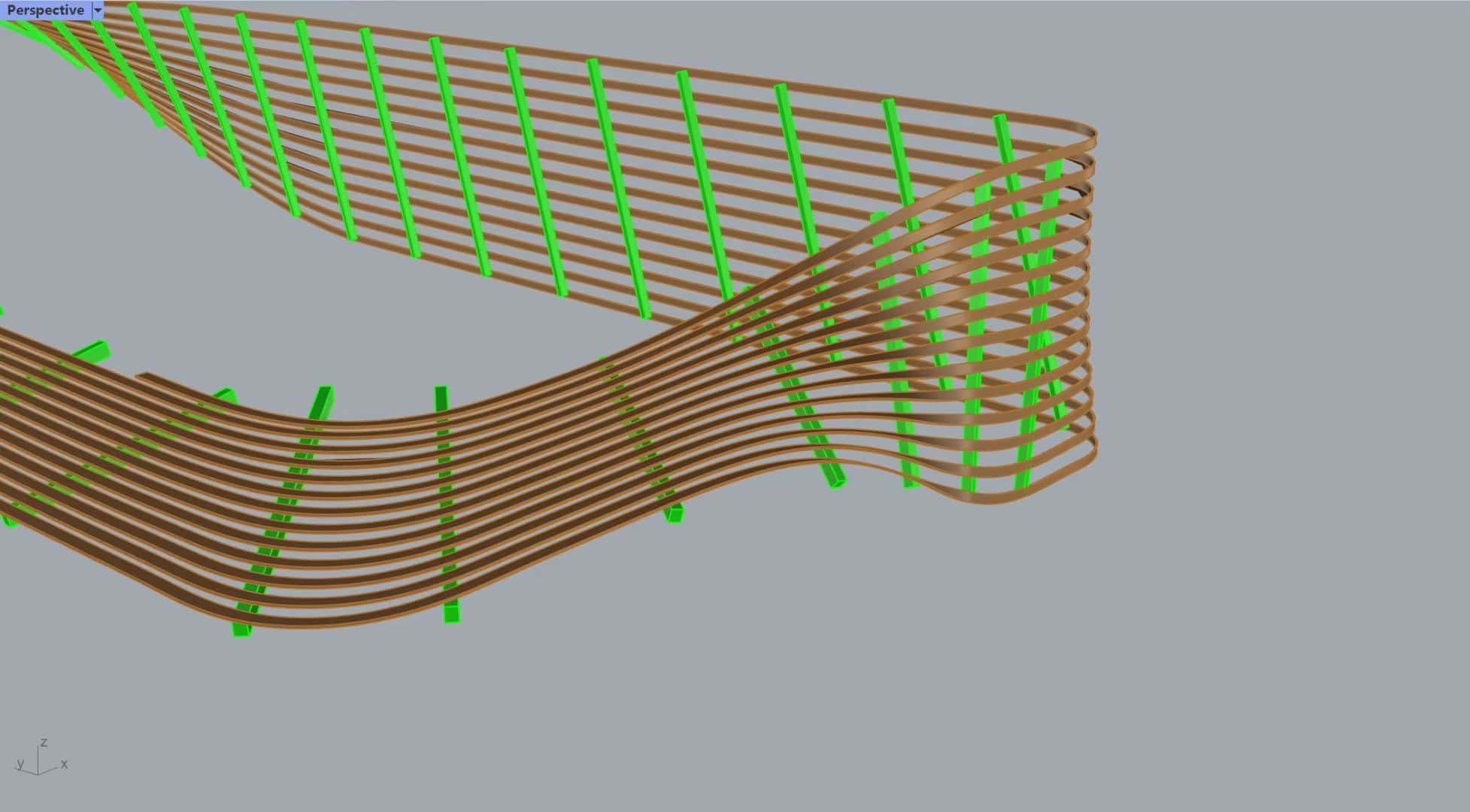
In comparison to previous limitations, modern bending technology has made remarkable progress, especially in the required thickness of materials. Whereas bending once required a minimum thickness of 3.0 millimeters, it now allows for intricate shapes with materials as thin as 1.0 millimeter. Single-curved, double-curved, and even twisted bends are now achievable, offering greater flexibility in architectural decoration. These advancements empower designers to be more daring and imaginative, pushing the boundaries of aesthetic and structural innovation without fear of technical constraint.
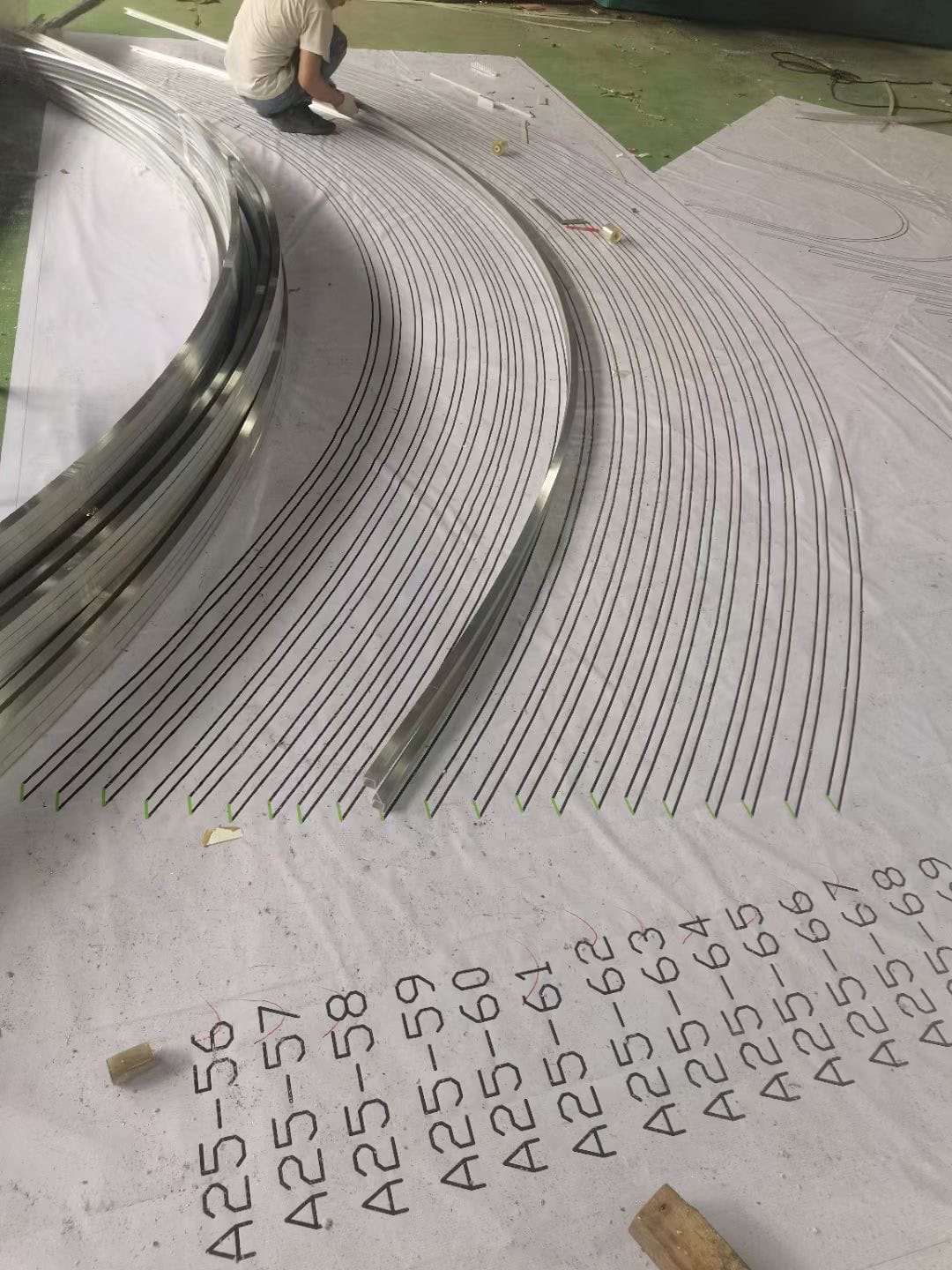
The ability to use thinner materials not only reduces overall project costs but also enables lightweight structures that are easier to handle and install. This versatility in thickness provides architects and builders with more options in balancing aesthetic appeal with practical concerns, such as weight and cost.
Additionally, with the expanded ability to create complex shapes, aluminum bending has become an invaluable tool for architectural elements, including decorative facades, canopies, and interior features. This capacity to accommodate diverse applications makes it an ideal choice for projects aiming for both beauty and functionality.
Understanding Material Properties
The characteristics of aluminum alloys play a pivotal role in how easily they can be bent without breaking or deforming. Softer alloys, such as those that are unheat-treated, are generally more pliable but may lack the desired strength for certain applications. Conversely, harder alloys might retain strength but pose a greater risk of cracking during bending. Manufacturers must carefully select4 the appropriate alloy based on the final product requirements to navigate these challenges.
Achieving Tight Bending Radii
One of the primary challenges in bending aluminum profiles is achieving tight bends without causing material failure. Smaller radii can lead to cracks or creases, which compromise the structural integrity and aesthetic appeal of the profile. To mitigate this, manufacturers often fill the profile with elastic tape or sand to support it during the bending process. This technique helps maintain quality but requires precise control and expertise.
Avoiding Surface Defects
Surface defects such as scratches and dents are common during the bending process. These imperfections not only affect the appearance but can also weaken the aluminum profile. Ensuring proper handling, using well-maintained tools, and employing protective measures are crucial steps in minimizing these defects. Techniques like stretch bending, which applies a tensile force during bending, can help maintain a smooth surface by distributing stress more evenly.
Post-Adjustment Considerations
After the initial bending process, profiles often require further adjustments to meet exact specifications. This stage can add to the time and cost involved in manufacturing but is essential for ensuring the final product’s accuracy and performance. Manufacturers must balance efficiency with precision to optimize production without sacrificing quality.
Overcoming Bending Challenges
To effectively address these challenges, manufacturers must invest in advanced technology5 and skilled labor. Continuous training and process refinement are necessary to stay abreast of evolving materials and techniques, ensuring consistent quality in aluminum profile bending.
Softer aluminum alloys are more pliable for bending.True
Softer, unheat-treated alloys bend easily but may lack strength.
Tight radii in aluminum bending never cause material failure.False
Tight bends can lead to cracks or creases, risking integrity.
Supporting Unique Design Needs with a Professional Team
If you have a unique or complex design in mind, rest assured that our team is ready to turn your vision into reality. Simply share your concept with us, and our experienced design team will leverage their expertise and advanced technology to provide a comprehensive bending solution tailored to your needs. We are dedicated not only to meeting our clients’ requirements but to realizing every detail of their designs, ensuring your distinctive vision is transformed into a high-quality, finished product.
Our design team’s in-depth knowledge of bending techniques allows us to provide clients with expert advice and detailed solutions. From initial concept consultations to final product creation, we collaborate with clients every step of the way to ensure technical feasibility and the highest standards in craftsmanship.
With extensive experience in the industry, we can offer suggestions for optimizing designs to align with structural requirements, material limitations, and aesthetic goals. This collaborative approach ensures that our clients’ creative ideas are fully supported, resulting in products that not only meet expectations but often exceed them.
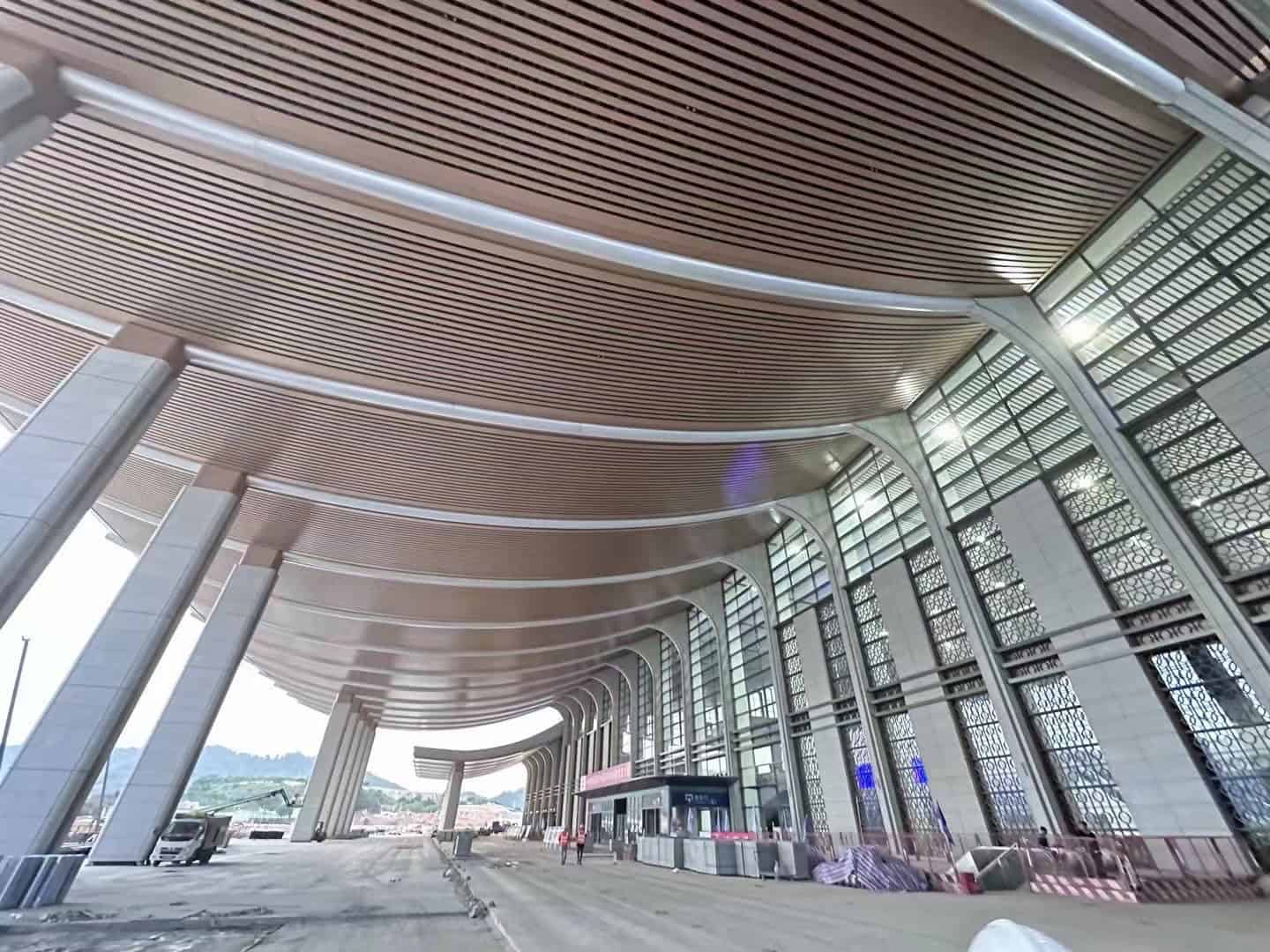
Bent aluminum profiles are essential in construction, furniture, and automotive industries due to their ability to create complex shapes and enhance structural designs. Their flexibility and strength make them ideal for architectural elements, specialized furniture, and durable automotive components.
Construction Industry
In the construction industry6, bent aluminum profiles are widely utilized due to their adaptability and aesthetic appeal. Window frames and curtain walls benefit from the complex shapes that bending allows, enabling architects to design striking facades and unique building features. These profiles also contribute significantly to structural components like staircases and railings, where both form and function are crucial.
| Application | Benefit |
|---|---|
| Window Frames | Enhanced design possibilities and efficiency |
| Curtain Walls | Aesthetic appeal and structural reliability |
| Staircases | Combination of strength and style |
Furniture Manufacturing
In furniture manufacturing, bent aluminum profiles are indispensable for crafting modern and stylish pieces. The ability to produce curves and angles offers designers the freedom to innovate, leading to unique chairs, tables, and shelving units. Additionally, aluminum’s lightweight yet sturdy nature ensures that these pieces are not only attractive but also durable.
- Chairs: Comfortable designs with ergonomic benefits
- Tables: Sleek aesthetics with robust construction
- Shelving Units: Versatile designs with practical applications
Automotive Industry
The automotive industry7 heavily relies on bent aluminum profiles for both exterior body structures and interior components. These profiles contribute to the overall reduction in vehicle weight, leading to improved fuel efficiency without compromising on safety or performance. Inside vehicles, they enable the creation of elegant dashboards and door panels that combine functionality with style.
- Body Structures: Lightweight, enhancing fuel efficiency
- Interior Components: Sleek designs for dashboards and panels
Bent aluminum profiles serve as a vital component across these industries, pushing the boundaries of what can be achieved in design and engineering. Their ability to marry aesthetics with functionality makes them a cornerstone in modern manufacturing.
Bent aluminum profiles enhance vehicle fuel efficiency.True
They reduce vehicle weight, improving fuel efficiency without sacrificing safety.
Bent aluminum profiles are rarely used in furniture design.False
They are crucial for creating modern, stylish furniture with curves and angles.
Conclusion
Embracing aluminum bending techniques can truly unlock advanced design capabilities. Reflect on how these innovations can inspire your next project.
-
Discover how bending enhances furniture design aesthetics and functionality.: Their ability to resist bending and warping ensures long-lasting durability, making them ideal for high-traffic areas such as commercial spaces … ↩
-
Explore how bent profiles improve vehicle design and performance.: Aluminium extrusion bending is a specialized process used in the automotive sector to produce complex, high-strength components for vehicles. ↩
-
Explore tensile force’s role in maintaining material integrity.: This investigation focuses on understanding this change in mechanical properties due to different stretch-bending straightening process parameters. ↩
-
Learn about choosing alloys for optimal bending performance.: The best series for forming – and thus for bending – are the alloy series 3xxx, 5xxx and in some cases 6xxx. Aluminium alloy 6063 is a good choice. ↩
-
Discover innovations that improve aluminum bending processes.: Computer Numerical Control (CNC) bending has emerged as a game-changer in the aluminium bending landscape. CNC machines equipped with advanced … ↩
-
Explore how bent aluminum enhances modern architectural designs.: We use curved aluminium profiles in construction, architecture, transportation and engineering, as well as consumer products such as lighting … ↩
-
Discover how these profiles improve vehicle design and efficiency.: Aluminium extrusion bending is a specialized process used in the automotive sector to produce complex, high-strength components for vehicles. ↩