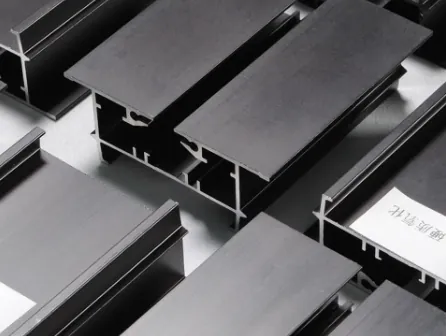

What Are the Best Surface Treatments for Aluminum Profiles?
Have you ever wondered how to boost the longevity and beauty of aluminum profiles? Let’s dive into the best surface treatments that can transform these versatile materials.
The best surface treatments for aluminum profiles include electrophoresis, electrostatic powder spraying, and fluorocarbon spraying. Each offers unique benefits in terms of durability, aesthetics, and corrosion resistance, making them suitable for different applications.
Understanding these treatments goes beyond their functions; it’s about finding the perfect match for your specific project needs. Join me as we explore each method in detail!
Electrophoresis offers a wide range of color options.False
Electrophoresis typically provides limited color options like silver, gold, and black.
How Does Electrophoresis Enhance Aluminum Profiles?
Electrophoresis transforms aluminum profiles with a robust and appealing finish.
Electrophoresis enhances aluminum profiles by providing a uniform, durable coating that significantly improves corrosion resistance, adhesion, and aesthetic appeal. This process involves the movement of charged paint particles under an electric field to create a seamless and protective layer on the aluminum surface.
Understanding the Electrophoresis Process
Electrophoresis is a sophisticated method used to apply coatings to aluminum profiles. This process involves four main stages: electrolysis, electrophoretic movement, electrodeposition, and electroosmotic dehydration. Each stage plays a crucial role in ensuring the coating is uniform and adheres well to the aluminum surface.
-
Electrolysis (Decomposition):
- Begins with an electrolytic reaction, generating hydrogen and hydroxide ions. This creates a highly alkaline environment on the cathode surface, necessary for the next step.
- The equation governing this reaction is: H₂O → OH⁻ + H⁺.
-
Electrophoretic Movement:
- Under the influence of an electric field, cationic resin particles and hydrogen ions migrate towards the cathode. Anions move towards the anode.
-
Electrodeposition (Precipitation):
- The alkaline reaction on the cathode surface causes cationic resin to neutralize and precipitate, forming a consistent coating on the aluminum profile.
-
Electroosmotic (Dehydration):
- Water is expelled from the coating film due to capillary action and the electric field, resulting in a dehydrated and solid coating firmly attached to the aluminum surface.
Advantages of Electrophoresis for Aluminum Profiles
- Uniform Coating: Provides a smooth, even layer that covers every part of the profile uniformly, unlike some other coating processes that might leave spots uncovered.
- Improved Durability: The resulting film from electrophoresis is known for its superior hardness and adhesion, contributing significantly to the longevity of the aluminum profiles.
- Enhanced Corrosion Resistance: The protective layer acts as a barrier against environmental factors that cause corrosion, making it ideal for both indoor and outdoor applications.
Limitations and Considerations
While electrophoresis offers several benefits, there are some limitations to consider:
- Color Variety: This method typically offers limited color options—silver, champagne, gold, black, and imitation stainless steel. Explore more about color limitations1.
- Potential for Color Variance: Slight color differences may occur between batches, which can be a concern for projects requiring strict color consistency.
In conclusion, electrophoresis is a robust option for enhancing aluminum profiles, especially when uniformity and corrosion resistance are top priorities. For projects requiring diverse color options or specific aesthetic needs, it might be necessary to weigh these factors against other available treatments like electrostatic powder spraying or fluorocarbon spraying.
Electrophoresis improves aluminum corrosion resistance.True
The process creates a protective layer that prevents environmental damage.
Electrophoresis offers unlimited color options.False
It typically provides limited colors like silver, gold, and black.
What Are the Advantages of Electrostatic Powder Spraying?
Electrostatic powder spraying offers a robust and eco-friendly way to coat aluminum profiles.
Electrostatic powder spraying provides superior mechanical strength, corrosion resistance, and vibrant color options. It uses electrostatically charged powder particles to create an even, durable coating on aluminum surfaces, enhancing both aesthetic appeal and functional performance.
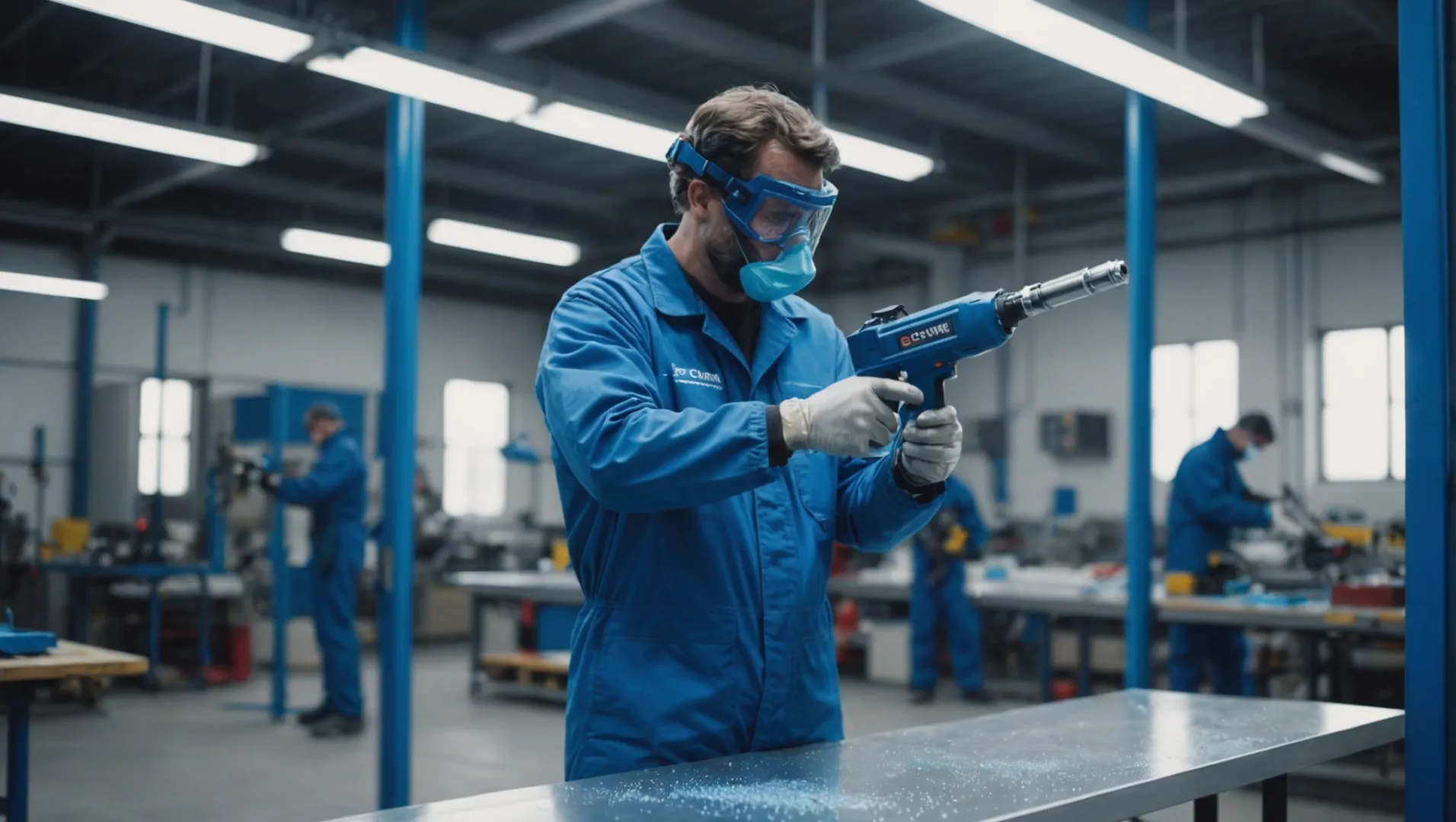
Understanding Electrostatic Powder Spraying
Electrostatic powder spraying is a popular choice for aluminum profile surface treatment due to its high efficiency2 and minimal environmental impact. The process involves applying a dry powder to aluminum surfaces using an electrostatic charge, followed by curing under heat to form a hard finish.
Advantages in Detail:
-
Mechanical Strength and Durability
The cured powder coating provides exceptional mechanical strength and durability, which outperforms traditional liquid paint applications. This makes it ideal for products that require resilience against wear and tear.
-
Corrosion Resistance
A significant advantage of this method is its enhanced corrosion resistance. The coating acts as a barrier against moisture and chemicals, making it particularly suitable for outdoor applications.
-
Aesthetic Versatility
Unlike electrophoretic treatments which have limited color options, electrostatic powder spraying can achieve a wide range of vibrant colors and finishes, from glossy to matte. This versatility is particularly beneficial in design-centric industries where aesthetics are paramount.
-
Environmental Benefits
Since the process does not involve solvents, it emits fewer volatile organic compounds (VOCs), reducing its environmental footprint. This aligns with increasing industry standards for eco-friendliness.
Process Insights
The process begins with thorough surface preparation, such as cleaning and rust removal, which is crucial for ensuring adhesion and the longevity of the coating. After preparation, the powder is sprayed onto the aluminum surface where it’s held by the electrostatic charge until it is cured with heat.
Here’s a simplified table summarizing the advantages:
| Feature | Benefit |
|---|---|
| Mechanical Strength | Improved durability against physical damage |
| Corrosion Resistance | Protection against moisture and chemicals |
| Aesthetic Versatility | Wide range of colors and finishes available |
| Environmental Benefits | Low VOC emissions, eco-friendly process |
To gain further insights into how this technique compares to other surface treatments, explore this detailed comparison3 of methods used in aluminum profile treatments.
Electrostatic powder spraying reduces VOC emissions.True
The process uses no solvents, thus emitting fewer volatile organic compounds.
Liquid paint offers better corrosion resistance than powder coating.False
Powder coating provides superior corrosion resistance by forming a protective barrier.
Why Choose Fluorocarbon Spraying for Aluminum?
Fluorocarbon spraying offers superior durability and aesthetic appeal for aluminum surfaces.
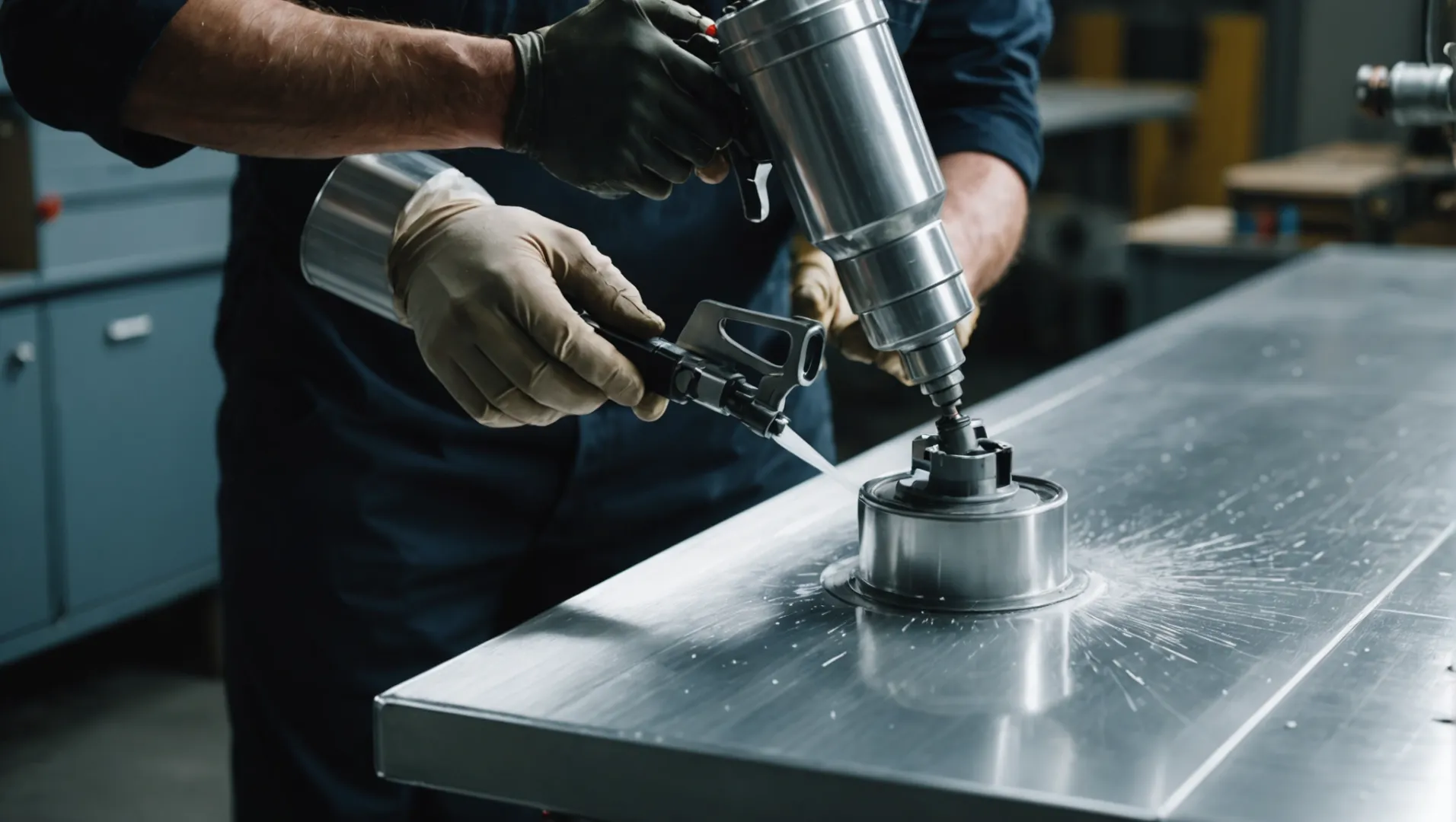
Fluorocarbon spraying is ideal for aluminum due to its exceptional weather resistance, UV stability, and corrosion protection. This method ensures a long-lasting finish with vibrant color retention, making it perfect for applications exposed to harsh environments.
The Science Behind Fluorocarbon Spraying
Fluorocarbon spraying involves a multi-layered coating process that enhances the durability and visual appeal of aluminum. This technique includes pre-treatment, primer, top paint, and gloss layers, each contributing to the overall performance of the coating. The pre-treatment phase ensures the aluminum surface is clean and primed for optimal adhesion.
-
Pre-Treatment Process: This crucial step includes degreasing, water washing, and chroming, forming a chromified layer that boosts adhesion and resistance to oxidation.
-
Primer Coating: Acting as a barrier, the primer enhances substrate protection and stabilizes the surface. This layer ensures strong adhesion between subsequent layers and helps maintain color uniformity.
Advantages of Fluorocarbon Spraying
Fluorocarbon coatings are renowned for their excellent weather resistance4 and vibrant color retention. Here are some standout features:
-
Weather Resistance: The top coat protects against UV degradation, maintaining color and gloss even in intense sunlight.
-
Corrosion Resistance: Fluorocarbon layers offer a low permeability to corrosive particles, ensuring longevity in harsh environments.
-
Chemical Resistance: Resistant to acid rain and pollution, these coatings maintain their integrity in chemically aggressive conditions.
Comparing Fluorocarbon Spraying with Other Methods
| Feature | Electrophoresis | Electrostatic Powder Spraying | Fluorocarbon Spraying |
|---|---|---|---|
| Durability | Moderate | High | Very High |
| Aesthetic Variety | Limited | Diverse | Extensive |
| Environmental Impact | Moderate Emission | Low Emission | Low Emission |
| Cost | Economical | Moderate | High |
Ideal Applications for Fluorocarbon Spraying
Due to its high cost, fluorocarbon spraying is best suited for high-end projects5 where longevity and appearance are paramount. Common applications include architectural exteriors, such as curtain walls and premium doors and windows. In environments where exposure to UV rays and harsh weather conditions are concerns, this method provides unparalleled protection.
Fluorocarbon spraying offers low environmental impact.True
Fluorocarbon spraying has low emissions compared to other methods.
Electrophoresis provides the highest durability for aluminum.False
Fluorocarbon spraying offers the highest durability, not electrophoresis.
Which Surface Treatment is Best for Your Project Needs?
Choosing the right surface treatment is crucial to enhance the longevity and appearance of your project.
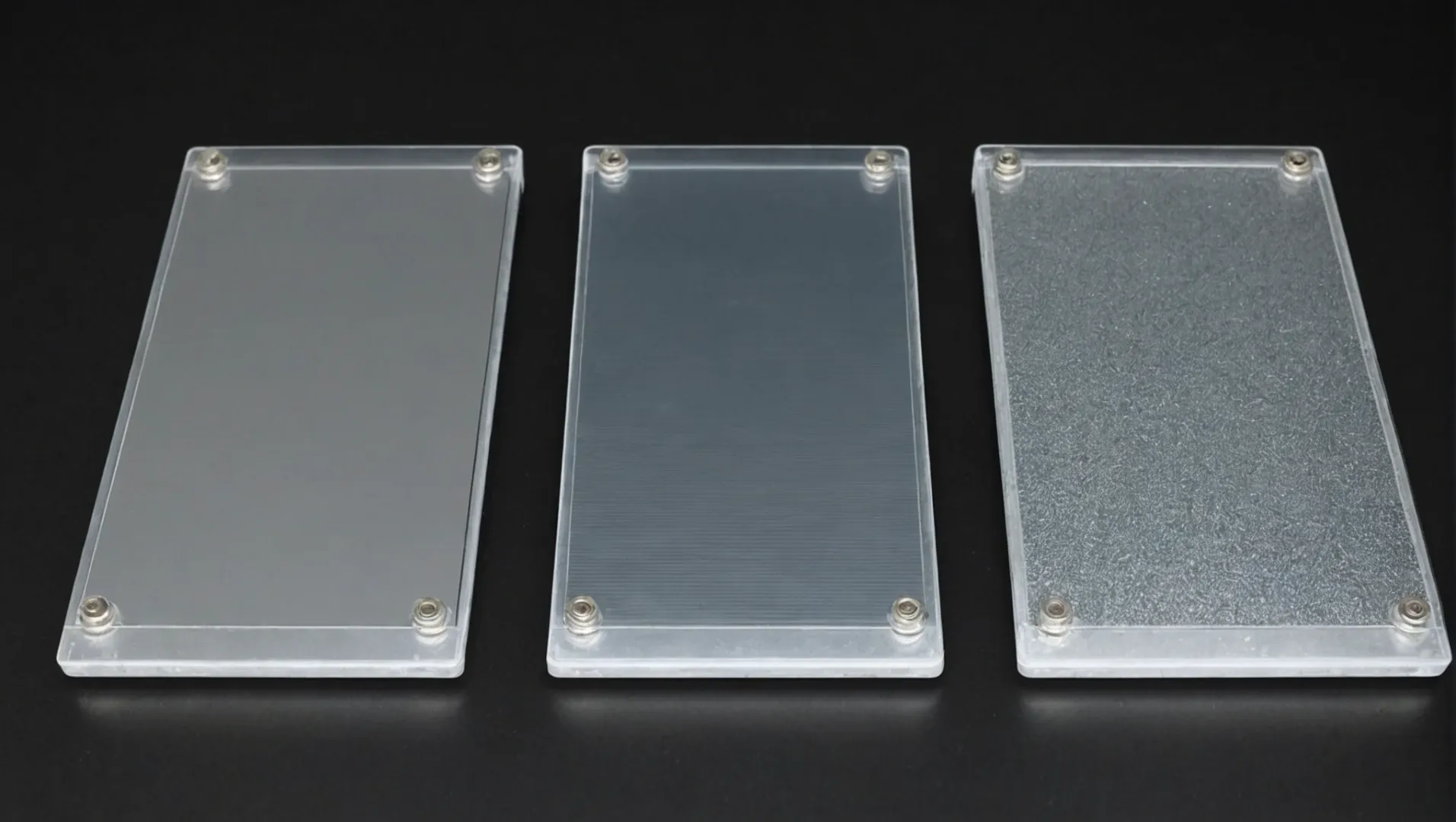
Selecting the best surface treatment depends on factors like environmental exposure, aesthetic preferences, and budget. Electrophoresis offers uniform coatings and excellent corrosion resistance, ideal for indoor applications. Electrostatic powder spraying provides vibrant colors and durable finishes for general purposes. Fluorocarbon spraying excels in extreme conditions, offering superior UV and chemical resistance, perfect for outdoor and high-end uses.
Understanding Surface Treatment Options
When deciding on a surface treatment6 for your project, it’s important to consider the distinct features each method offers.
Electrophoresis: A Uniform Coating Solution
Electrophoresis is renowned for its ability to provide a full, uniform, and smooth coating. This makes it an excellent choice for indoor applications where appearance and moderate durability are key concerns. The process ensures high adhesion and corrosion resistance but offers limited color options. For projects that prioritize functionality over aesthetic variety, electrophoresis could be ideal.
Electrostatic Powder Spraying: Vibrancy Meets Durability
Electrostatic powder spraying is celebrated for its efficiency and energy savings. It offers vibrant color choices with a durable finish, making it suitable for general-purpose applications. While the colors are diverse, bright tones may fade over time, which is a consideration for projects exposed to direct sunlight.
Fluorocarbon Spraying: For Harsh Environments
Fluorocarbon spraying is unmatched in its resistance to UV rays, chemicals, and corrosive elements. This makes it the go-to choice for exterior applications or high-end architectural projects where long-term exposure to harsh environments is expected. Although pricier, the investment in fluorocarbon can be justified by its unparalleled longevity and aesthetic preservation.
Factors to Consider
When selecting a surface treatment, assess the following:
- Environmental Conditions: Will the project be indoors or outdoors?
- Aesthetic Requirements: Do you require a specific color or finish?
- Budget Constraints: What is the financial scope of the project?
Ultimately, the best surface treatment will align with your project’s specific demands and constraints. Carefully evaluating these factors will guide you toward the most effective solution for your needs.
Electrophoresis offers vibrant color options.False
Electrophoresis provides high adhesion and corrosion resistance, not vibrant colors.
Fluorocarbon spraying is ideal for outdoor use.True
Fluorocarbon spraying excels in UV and chemical resistance, perfect for outdoors.
Conclusion
Choosing the right surface treatment is essential for enhancing aluminum profile performance. Consider your project’s unique requirements to find the perfect fit.
-
Understand how electrophoresis impacts color choices for your projects.: 6. It requires strong technical support, especially in color electrophoresis, to achieve the desired color effect, and it is difficult to adjust color. 7 … ↩
-
Discover detailed benefits of using electrostatic powder coating.: The coating adds protection hence preventing corrosion. It can be used for a variety of materials like polyester, nylon, epoxy, polyethylene, … ↩
-
Explore a comprehensive comparison of various aluminum surface treatments.: The coatings formed through PEO are incredibly hard, wear resistant, adhesive, and provide an excellent ‘key’ to improve adhesion to subsequent … ↩
-
Explore detailed insights on the weather resistance of fluorocarbon coatings.: The Advantages of Fluorocarbon Paint · Excellent corrosion and weather resistance · Excellent oil and water resistance. · Excellent resistance to impact and … ↩
-
Discover specific architectural uses for fluorocarbon spraying.: A key application for FEVE is the coating of aluminum composite panels used in high-end architectural buildings. The high performance of fluoropolymer coatings … ↩
-
Explore various surface treatment options for different project requirements.: In this blog we will discuss the most common surface treatments for aluminium: sublimation, anodising, powder coating and wet painting. ↩