Is Aluminum Conductive?
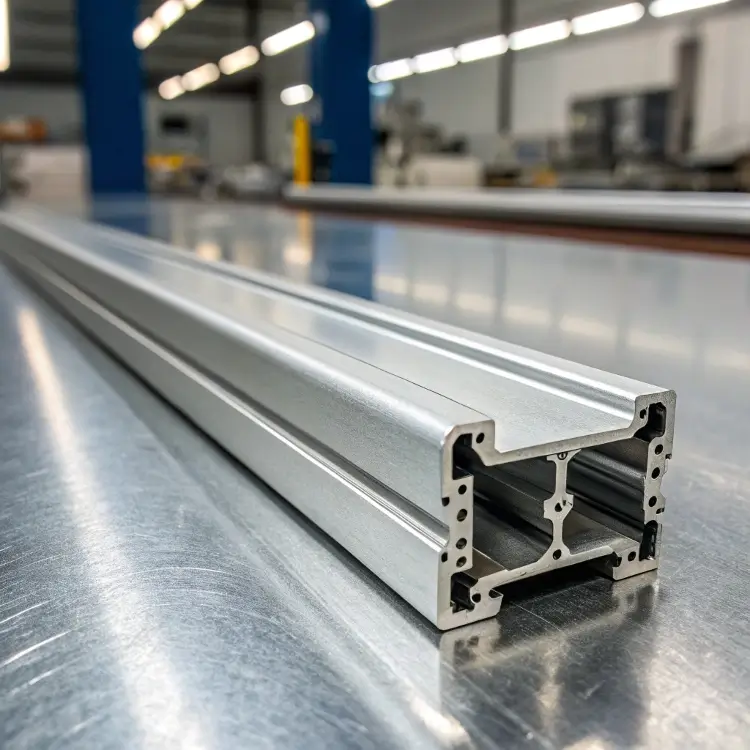
Aluminum is everywhere-in your phone, your car, even in airplanes. But can it really carry electricity like copper does?
Yes, aluminum is a good electrical conductor. Although it’s not as conductive as copper by volume, its light weight makes it very efficient in many electrical applications.
If you’re wondering how aluminum performs in circuits, how it compares to copper, or whether it’s safe for wiring, you’re in the right place. Let’s unpack the science and real-world use behind aluminum’s conductivity.
How Well Does Aluminum Conduct Electricity?
We often associate metal with electricity, but not all metals conduct equally. So how does aluminum perform?
Aluminum conducts electricity well. Its conductivity is about 61% that of copper by volume, but because it’s much lighter, it’s more efficient by weight.

Aluminum has a conductivity of around 3.5 x 10 siemens per meter (S/m) at room temperature. That’s lower than copper’s 5.96 x 10 S/m, but still high enough for heavy-duty electrical work.
Let’s look at some core properties:
| Property | Value |
|---|---|
| Electrical conductivity | ~3.5 x 10 S/m |
| Electrical resistivity | ~2.82 x 10 Ω·m |
| Density | ~2.70 g/cm3 |
| Melting point | ~660.3°C |
| Thermal conductivity | ~235 W/(m·K) |
Because aluminum is so light-about one-third the density of copper-it’s more efficient when weight matters. That’s why planes, satellites, and power lines often rely on it.
Aluminum’s conductivity is high enough to be classified as a good conductor. That means it can carry electric current effectively without wasting too much energy.
Aluminum is classified as a good conductor of electricity.True
Despite being less conductive than copper, aluminum is still widely used in electrical systems.
Aluminum conducts electricity poorly and is used only for insulation.False
Aluminum is not an insulator. It's used as a conductor in power systems.
How Does Aluminum Conductivity Compare to Copper?
Now comes the big question-how does aluminum stack up to copper?
Copper is more conductive by volume, but aluminum is lighter and cheaper, making it a strong competitor in many applications.
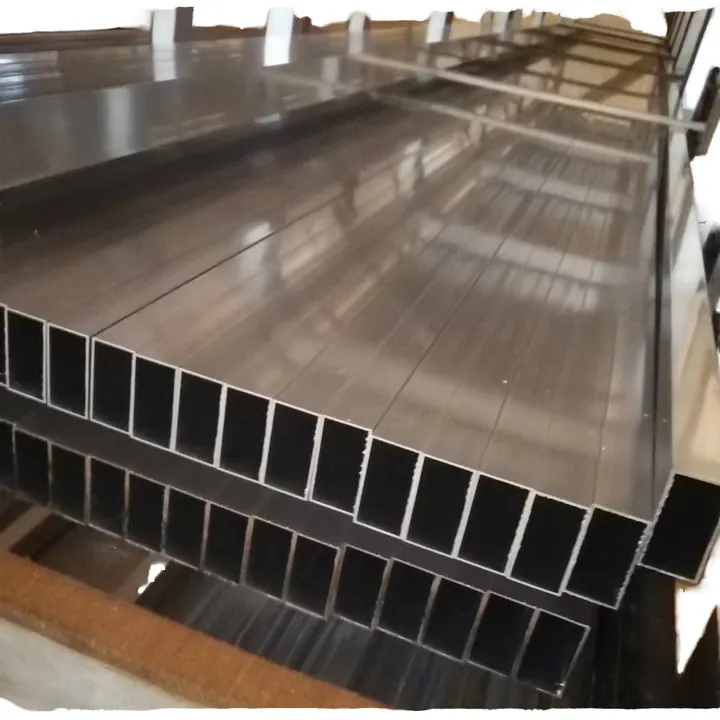
Here’s a quick side-by-side:
| Metal | Conductivity (S/m) | Density (g/cm3) | Conductivity by weight |
|---|---|---|---|
| Copper | ~5.96 x 10 | 8.96 | Baseline |
| Aluminum | ~3.5 x 10 | 2.70 | Higher |
That means if you match both metals by weight, aluminum actually carries electricity more efficiently. But if you match them by size (diameter), copper wins.
This matters when designing:
- Wiring in buildings: Copper allows thinner wires.
- Overhead power lines: Aluminum saves weight and cost.
- Motors and transformers: Copper often used for its compact efficiency.
Engineers often upsize aluminum wires to match copper performance. For example, if a copper wire is 2 mm thick, the aluminum wire may need to be 3 mm to carry the same current safely.
Aluminum is less conductive than copper but more efficient by weight.True
Aluminum is lighter, which makes it a good choice when weight matters.
Copper and aluminum have the same electrical conductivity.False
Copper has higher conductivity than aluminum by volume.
What Applications Use Aluminum’s Conductivity?
Aluminum isn’t just theoretical-it’s widely used in power systems, electronics, and transport. Let’s look at where and why.
Aluminum is used in power lines, electrical panels, buses, transformers, and vehicles where low weight and high conductivity are needed.

Here are some major areas:
1. Power Transmission Lines
Most overhead electrical transmission lines are aluminum or aluminum-alloy conductors. They’re light enough to span long distances and cost far less than copper.
2. Utility Power Grids
From substations to street transformers, aluminum is used to reduce costs and improve service.
3. Electrical Busbars
In commercial electrical panels, aluminum busbars are often used for distributing large currents across circuits.
4. Automobiles
Modern vehicles use aluminum wiring in dashboards, lighting systems, and harnesses to cut weight and improve fuel efficiency.
5. Aerospace
Satellites, rockets, and aircraft rely on aluminum wiring and frames to save weight while ensuring conductivity.
6. Electronics
Some battery connectors, heat sinks, and casings are aluminum due to good thermal and electrical properties.
Here’s a table for quick reference:
| Industry | Aluminum Usage |
|---|---|
| Utilities | Power lines, transformers |
| Automotive | Wiring harnesses, battery terminals |
| Aerospace | Avionics, satellites |
| Construction | Service entrance cables |
| Electronics | Heat sinks, connectors |
Aluminum is chosen not because it’s the best at conducting electricity, but because it’s good enough-and brings huge weight and cost savings.
Aluminum is commonly used in overhead power transmission because of its light weight.True
Its low density makes it ideal for long spans between poles.
Aluminum is too heavy to be used in satellites or aircraft.False
Aluminum is specifically chosen in aerospace for its light weight and good conductivity.
Is Aluminum Safe in Electrical Installations?
Aluminum got a bad name in the 1960s-70s due to house fires caused by poor installation practices. But the metal itself isn’t unsafe-if handled correctly.
Aluminum is safe for electrical wiring when installed properly with approved connectors, anti-oxidant compounds, and routine inspection.

Here’s what you need to know:
Risks of Aluminum Wiring
- Oxidation: Aluminum oxidizes easily. The oxide layer doesn’t conduct electricity, which can cause overheating at joints.
- Creep: Under pressure and heat, aluminum slowly deforms, loosening screws over time.
- Thermal Expansion: Aluminum expands more than copper, potentially causing loose connections in outlets and switches.
These issues are manageable-if electricians use proper materials.
Safe Practices
- Use CO/ALR-rated switches and outlets (specifically designed for aluminum).
- Apply anti-oxidant paste at connections.
- Use torque-rated screw terminals and aluminum-compatible connectors.
- Ensure regular inspection of high-load connections.
Today’s aluminum wiring is much safer due to updated codes and materials. It’s widely used in commercial, industrial, and utility applications.
Here’s a safety checklist:
| Tip | Why It Matters |
|---|---|
| Use proper connectors | Prevents overheating and loosening |
| Apply anti-oxidant paste | Stops corrosion and oxidation |
| Use rated breakers and outlets | Designed to handle expansion and conductivity issues |
| Inspect regularly | Early detection of heat or looseness |
Aluminum wiring can be safe if installed and maintained correctly.True
Modern standards and connectors eliminate past risks.
Aluminum wiring is banned everywhere because it’s unsafe.False
It’s still legal and widely used in commercial and utility settings.
Conclusion
Aluminum conducts electricity well enough to power cities, fly planes, and run your appliances. While not as conductive as copper, it makes up for that with low cost and light weight.
Used properly, aluminum is not just safe-it’s smart. Whether you’re designing an aircraft or wiring a utility panel, aluminum’s conductivity offers a valuable combination of performance and practicality.