Is Aluminum Profile Good for Kitchen Cabinet?
Wooden cabinets often warp, absorb moisture, or lose color over time. These problems cause expensive repairs and make kitchens look aged and worn-out.
Aluminum profiles are ideal for kitchen cabinets because they resist moisture, heat, stains, and are more durable than traditional wood or MDF.
If you’re tired of replacing swollen cabinet panels or scrubbing stained handles, it’s time to explore the long-term value of aluminum in your kitchen.
Are aluminum profiles durable for kitchens?
Moisture and heat are daily challenges in kitchens. Traditional cabinets often don’t hold up well under such conditions, especially in humid climates or homes with frequent cooking.
Aluminum profiles are exceptionally durable for kitchens because they don’t swell, rot, rust, or degrade under heat and humidity.

Kitchens are high-use zones. Drawers are pulled daily. Cabinets are opened and closed hundreds of times a week. Spills happen. Steam fills the air. Under these conditions, most wood products break down. Laminate peels. Particle boards swell. Joints crack.
Aluminum doesn’t behave that way. It doesn’t absorb moisture. It doesn’t rot. It doesn’t rust. Even under years of constant use, aluminum profiles maintain their shape and strength. That’s why more designers and homeowners are now turning to aluminum as the skeleton for kitchen cabinets.
Key reasons aluminum is more durable:
- Corrosion Resistance: Unlike steel, aluminum forms a protective oxide layer that resists rust—even near sinks or stoves.
- Heat Tolerance: Aluminum stays stable under high temperatures. It won’t expand, crack, or warp.
- Impact Resistance: Aluminum doesn’t chip or splinter like wood. It’s solid and long-lasting.
- Non-Degradable: No termites. No mold. No rot.
| Feature | Wood/MDF | Aluminum Profile |
|---|---|---|
| Moisture Resistance | Poor | Excellent |
| Heat Resistance | Moderate | Excellent |
| Lifespan | 5–10 years | 20+ years |
| Susceptibility to Pests | High | None |
Aluminum profiles do not warp or swell under kitchen moisture.True
Aluminum resists water and humidity, unlike wood or MDF which absorb moisture and deform.
Wood is more resistant to pests than aluminum.False
Wood attracts pests like termites, while aluminum is pest-proof.
Do they resist moisture and heat?
Steam from cooking, water splashes from sinks, and grease from stovetops can all affect cabinet materials. Moisture and heat can break down organic surfaces fast.
Yes, aluminum kitchen profiles resist both moisture and heat, making them ideal for high-humidity and high-temperature environments like kitchens.
Aluminum is naturally non-porous. This means water cannot penetrate it. So, even if your aluminum cabinets get splashed daily, there is no risk of swelling, warping, or mildew. In tropical or coastal areas with high humidity, this property becomes especially valuable.
Heat is another enemy of cabinet longevity. Ovens, toasters, dishwashers—all release heat. If your cabinets are too close to those appliances, regular materials may discolor or weaken over time.
Aluminum, however, has a high melting point and excellent heat conductivity. It handles temperature changes without deforming. No discoloration. No blistering. No cracking.
Another often overlooked factor is chemical resistance. Aluminum surfaces (especially anodized ones) can resist cleaning chemicals, acidic food spills, and grease—all without damage.
Here’s how aluminum compares to common kitchen materials:
| Property | Plywood | MDF | Aluminum |
|---|---|---|---|
| Moisture Resistance | Low | Very Low | High |
| Heat Resistance | Medium | Low | High |
| Grease Tolerance | Low | Medium | High |
| Maintenance | Frequent | Frequent | Minimal |
Aluminum cabinets resist damage from kitchen steam and grease.True
Their non-porous surface prevents absorption and is easy to clean.
Aluminum softens or melts at normal kitchen temperatures.False
Aluminum melts at over 600°C, much higher than kitchen temperatures.
How easy are aluminum cabinets to maintain?
Grease buildup, fingerprints, and food spills are common issues. With traditional cabinets, cleaning takes time, and sometimes, damage remains permanent.
Aluminum cabinets are extremely easy to maintain because they have smooth, non-porous surfaces that clean easily with just a cloth and mild detergent.

If you’ve ever scrubbed layers of oil off painted cabinets, you know how tiring it can be. Aluminum simplifies that process. Most smudges, fingerprints, and spills can be wiped off instantly. No special cleaners. No need for polish. No surface damage.
You don’t need to repaint or reseal aluminum surfaces like you might with wood. The original finish, especially anodized or powder-coated aluminum, remains intact for years.
Another advantage? Aluminum is stain-resistant. Ketchup, turmeric, soy sauce—these can stain wood or plastic. But on aluminum, a damp wipe is usually all it takes.
Some aluminum cabinet systems also feature removable panels, making deep cleaning easier. If you run a commercial kitchen or have a large family that cooks often, this feature alone is worth considering.
Common cleaning tips for aluminum cabinets:
- Use a soft sponge or microfiber cloth
- Mix warm water with mild soap
- Avoid using steel wool or abrasive pads
- Rinse with clean water and dry for best shine
| Maintenance Factor | Wood Cabinets | Aluminum Cabinets |
|---|---|---|
| Oil Stain Resistance | Poor | Excellent |
| Cleaning Time | High | Low |
| Repainting Required | Yes (often) | No |
| Chemical Resistance | Low | High |
Aluminum cabinet profiles are easier to clean than wood or MDF.True
Aluminum’s smooth, sealed surface allows for quick cleaning with no long-term stains.
Aluminum cabinets require special cleaning chemicals.False
Simple soap and water are usually enough for cleaning aluminum cabinets.
Can aluminum frame fit kitchen design?
You might worry aluminum is too “cold” or “industrial” for a cozy kitchen. That’s a fair concern. But today’s designs offer much more than silver metal looks.
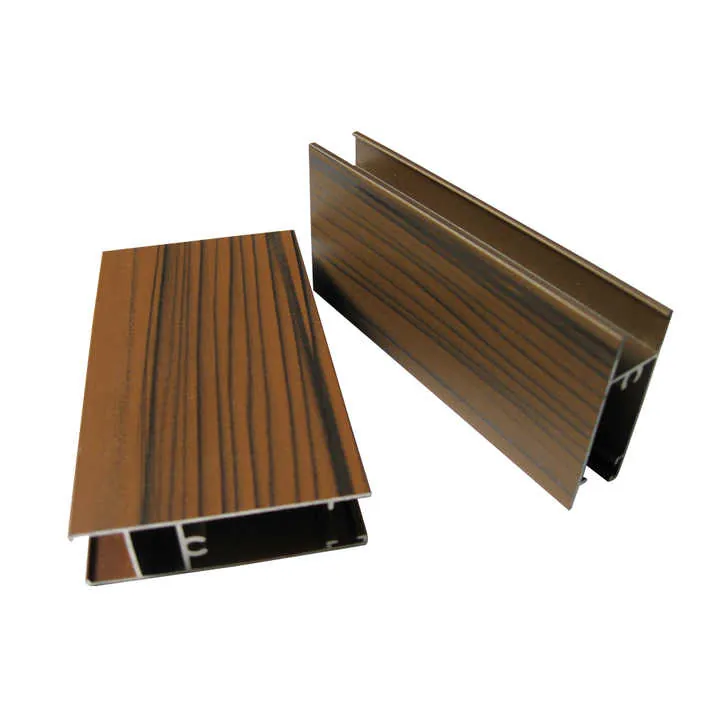
Yes, aluminum frames can fit any kitchen design thanks to color coatings, embedded textures, and their ability to support glass, wood, or acrylic panels.

Modern aluminum kitchen systems are customizable. They come in matte black, brushed gold, white satin, and more. Powder coating and anodizing processes let us match any aesthetic. Whether your kitchen is rustic, modern, or Scandinavian-inspired, aluminum frames can adapt.
Also, most aluminum systems are modular. That means you can mix aluminum frames with wooden doors, glass shelves, or acrylic panels. The result? A balanced, stylish look with the strength of metal and the warmth of other textures.
Another design benefit is slim framing. Aluminum allows for very thin, yet strong profiles. That means cabinet doors and drawers can have sleek lines and minimalist finishes—great for modern interiors.
Let’s compare design flexibility:
| Design Aspect | Wood Cabinets | Aluminum Frames |
|---|---|---|
| Color Variety | High | High |
| Style Compatibility | Medium | Very High |
| Modern Appearance | Low-Medium | High |
| Slim Profile Option | No | Yes |
Finally, if you’re designing for a universal kitchen—something accessible to people of all ages and physical abilities—aluminum offers light movement and soft-close options that improve usability.
Aluminum frames can be combined with wood, glass, or acrylic panels.True
Aluminum cabinet designs are modular and compatible with various decorative inserts.
Aluminum frames can only be silver or metallic.False
They can be powder-coated or anodized in many colors to match any interior style.
Conclusion
Aluminum profiles offer unmatched durability, heat and moisture resistance, easy cleaning, and full design flexibility for kitchens. If you’re building or renovating a kitchen, aluminum frames are a smart, long-lasting, and stylish choice.