Aluminum Conductive Oxidation VS Anodized: What’s the Real Difference?
If you’re using aluminum parts in electrical or structural applications, choosing the right surface treatment can feel overwhelming. Conductive oxidation and anodizing sound similar—but they serve very different needs.
Conductive oxidation and anodizing differ in their chemical processes, resulting properties, and ideal use cases. Conductive oxidation offers higher electrical conductivity, while anodizing provides superior corrosion resistance.
Many engineers, product developers, and purchasing agents struggle to decide which treatment to choose. In this article, I’ll break it all down—clearly, simply, and with examples.
How do conductive oxidation and anodizing differ chemically?
Aluminum is naturally reactive. When exposed to air, it forms a thin oxide layer. But this layer is too weak for most industrial applications. So we use chemical treatments to improve its performance. The two most common are conductive oxidation and anodizing. They work differently at the chemical level.
Conductive oxidation uses a chemical immersion process that builds a thin, conductive oxide film on aluminum. Anodizing, on the other hand, uses an electrochemical reaction to grow a much thicker and harder oxide layer.
Chemical Process Breakdown
Here’s a simple comparison of the two processes:
| Feature | Conductive Oxidation | Anodizing |
|---|---|---|
| Process Type | Chemical Immersion | Electrochemical |
| Layer Thickness | 0.01–0.1 μm | 5–25 μm (can be up to 100 μm) |
| Electrolyte Used | Weak acid | Sulfuric/oxalic acid bath |
| Current Applied | No | Yes (DC or pulsed current) |
| Heat Resistance | Low | High |
| Color Options | Limited | Wide range |
Conductive oxidation is often used where electrical conductivity must be preserved. The oxide layer is extremely thin and doesn’t insulate the surface. Anodizing, on the other hand, creates a dense, dielectric coating. This coating is electrically non-conductive but excellent at resisting wear, corrosion, and UV damage.
Anodizing uses electricity, while conductive oxidation does not.True
Anodizing is an electrochemical process that requires an electric current, whereas conductive oxidation is purely chemical.
Conductive oxidation builds a thicker oxide layer than anodizing.False
Conductive oxidation creates a very thin film, while anodizing forms a much thicker protective layer.
Which process offers better electrical conductivity?
When we need to preserve or enhance electrical pathways on aluminum parts, conductivity becomes a key factor. This is especially important in electronics and grounding systems.
Conductive oxidation provides much better electrical conductivity than anodizing, as its oxide layer is thin and non-insulating. Anodized surfaces, by contrast, are poor conductors.

Why Conductivity Varies
Electrical conductivity is mostly determined by the thickness and structure of the oxide film. Anodizing grows a porous, crystalline layer that insulates. Conductive oxidation creates a compact, almost molecularly-thin coating.
| Property | Conductive Oxidation | Anodizing |
|---|---|---|
| Surface Resistance | Low (good conductor) | High (insulator) |
| Use in Electronics | Excellent | Poor |
| Ideal for Grounding? | Yes | No |
One common mistake I’ve seen is engineers assuming anodized aluminum can be used in signal transfer applications. But anodized coatings disrupt the current flow unless selectively masked during processing or later machined.
Conductive oxidation preserves electrical conductivity.True
Its oxide film is thin enough to allow current to pass through effectively.
Anodized aluminum is ideal for electrical contact surfaces.False
Anodizing creates an insulating barrier that prevents electrical conductivity.
When should you choose anodizing over conductive oxidation?
You should select anodizing when durability, weather resistance, or appearance matter more than conductivity. This often applies in architectural, automotive, and consumer product settings.
Anodizing is better for applications where aluminum needs protection from corrosion, UV, or wear, and where conductivity is not required.
Choosing Based on End Use
Let’s compare:
| Application Type | Recommended Finish | Why? |
|---|---|---|
| Electronic housings | Conductive Oxidation | Maintains grounding paths |
| Outdoor architectural | Anodizing | Excellent UV and corrosion resistance |
| Decorative parts | Anodizing | Multiple color options and finishes |
| Bus bars or grounding | Conductive Oxidation | Ensures current flow |
| Marine applications | Anodizing | Resists salt and moisture corrosion |
For example, I once worked with a client producing lighting fixtures for outdoor parks. We chose anodizing because the parts were exposed to rain and sun year-round. Another customer manufacturing server chassis went with conductive oxidation to maintain EMI shielding.
Anodizing is better suited for corrosion resistance and UV protection.True
The thicker, harder anodized layer shields aluminum from environmental damage.
Conductive oxidation is preferred for all applications, including outdoor uses.False
It offers limited protection and is not suitable for high-exposure environments.
What industries benefit most from each finish?
Every industry has different needs. Some value conductivity. Others prioritize weather resistance or aesthetics. Understanding this helps you select the right finish for your specific project.
Electronics, aerospace, and telecom industries benefit from conductive oxidation. Meanwhile, architecture, consumer goods, and automotive sectors prefer anodizing for durability and visual appeal.
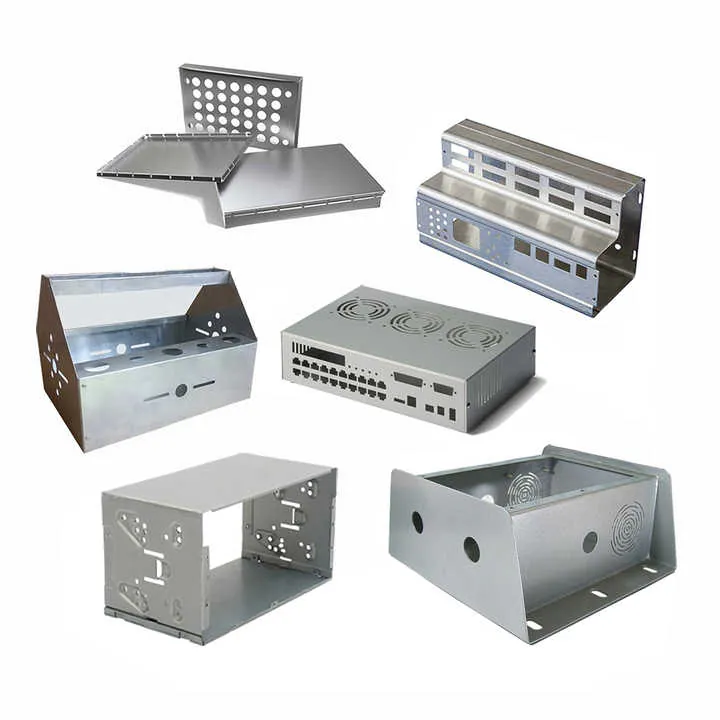
Industry Fit Table
| Industry | Preferred Finish | Reason |
|---|---|---|
| Aerospace | Conductive Oxidation | Reduces weight, maintains conductivity |
| Consumer Electronics | Conductive Oxidation | Needed for EMI shielding |
| Architecture | Anodizing | Looks good, lasts long |
| Automotive | Anodizing | High wear and corrosion resistance |
| Power & Utilities | Conductive Oxidation | For grounding and bus bars |
| Furniture | Anodizing | Offers design flexibility |
In my experience, customers in high-end construction often request anodized finishes because they care about color uniformity and weather performance. But clients in control panel or signal systems always prefer conductive oxidation because they can’t compromise on connectivity.
The aerospace industry often chooses conductive oxidation for aluminum parts.True
Because it offers a balance of lightweight material and electrical continuity.
The furniture industry usually avoids anodizing due to poor aesthetics.False
Anodizing is often chosen for furniture for its aesthetic flexibility and surface durability.
Conclusion
Conductive oxidation and anodizing serve very different purposes. If conductivity matters, go with conductive oxidation. If durability, corrosion resistance, or appearance matter more, anodizing is your best choice.