Why Is Extruded Aluminum Heatsink Popular?

Whether you’re cooling CPUs, power electronics, or LED modules, heatsinks are essential to prevent overheating. Extruded aluminum heatsinks are the most common choice, used in devices from computers to industrial drives.
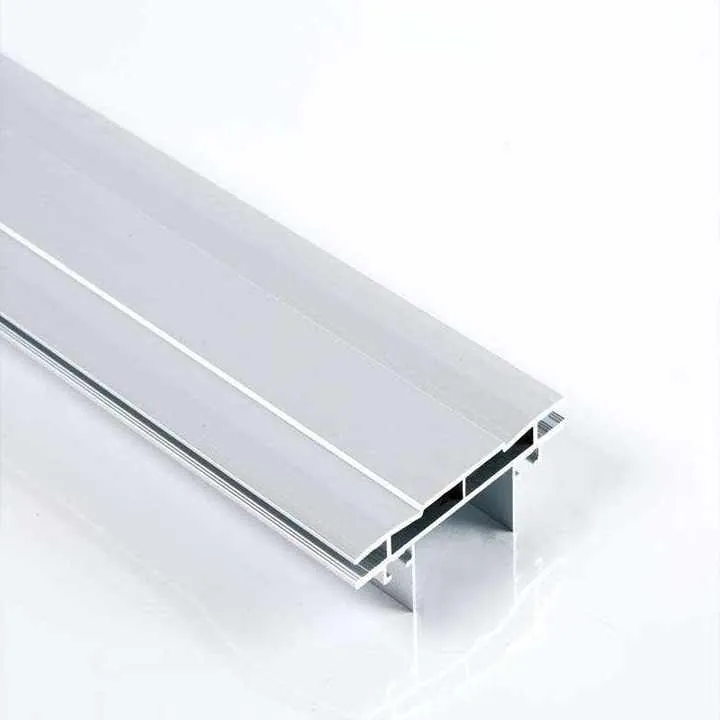
Extruded aluminum heatsinks are popular because extrusion offers cost-effective production, thermal performance, and flexible design.
I’ll explain why this process works so well—how thermal conductivity guides shape, what custom geometries are possible, and where they’re used most.
What Makes Extrusion Ideal for Heatsinks?
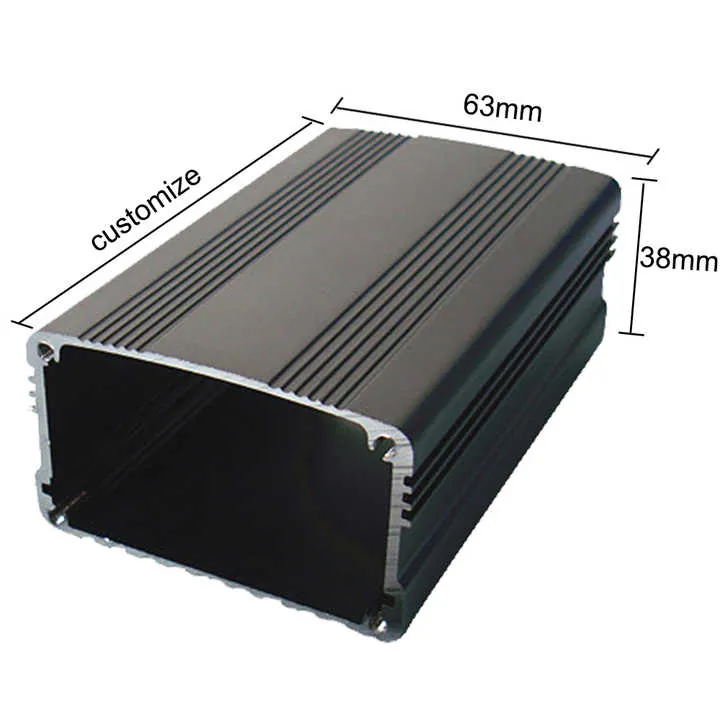
Extrusion is the key to producing economical, efficient heatsink profiles in high volumes.
Aluminum extrusion can produce complex cross-sections, close fin spacing, and low-cost tooling, all critical for heatsink applications.
Key Advantages of Extrusion
| Feature | Benefit in Heatsink Design |
|---|---|
| Complex Cross-Section | Multiple fins, channels, and expansion paths in one piece |
| Consistent Quality | Uniform results and tight tolerances |
| High-Volume Cost | Shared tooling cost across runs; low unit price |
| Height and Length Flexibility | Custom lengths up to several meters |
| Surface Area | More fins per unit area, improved heat transfer |
When I designed a cooling array for an industrial router, extrusion allowed thousands of fins in a slim profile—something impossible with machining or casting at that cost.
Extrusion allows complex heat sink profiles in a single-piece design.True
The extrusion process can form intricate fins and cavities in one continuous cross-section without machining.
Extruded aluminum heatsinks are always more thermally efficient than copper ones.False
Copper has higher conductivity but is heavier and costlier; design requirements determine which is best.
How Does Thermal Conductivity Influence Design?
Material thermal conductivity tells how well it spreads heat, crucial in heatsink efficiency.
Aluminum’s high thermal conductivity (~205 W/m·K) makes it a good balance of performance, weight, and manufacturability.
Material Comparison
| Material | Thermal Conductivity (W/m·K) | Density (g/cm3) | Relative Cost |
|---|---|---|---|
| Aluminum 6061 | ~170–205 | 2.70 | Low–Moderate |
| Copper | ~385 | 8.96 | High |
| Aluminum 6063 | ~160 | 2.70 | Low–Moderate |
Copper conducts heat nearly twice as well but costs more and is heavier. Aluminum offers simplicity, good conduction, and the ability to be extruded.
Impact on Design
- Fin count & spacing: Closer fins increase surface area. But spacing must balance airflow and thermal resistance.
- Base thickness: Thicker bases lower thermal resistance but add weight.
- Fin height: Taller fins improve heat transfer, but may sway or bend.
- Orientation: Vertical fins support natural convection; horizontal fins may need active cooling.
In my work on LED arrays, extruded heatsinks with dense vertical fins let the LEDs run 30?°C cooler under the same power.
Aluminum has sufficient thermal conductivity for most heatsink applications.True
Modern electronic devices rarely need copper-level conductivity; aluminum’s performance is adequate in most uses.
Copper is always better than aluminum for heatsinks.False
Copper performs better thermally but adds cost, weight, and challenges in complex geometry.
What Custom Shapes Are Possible?
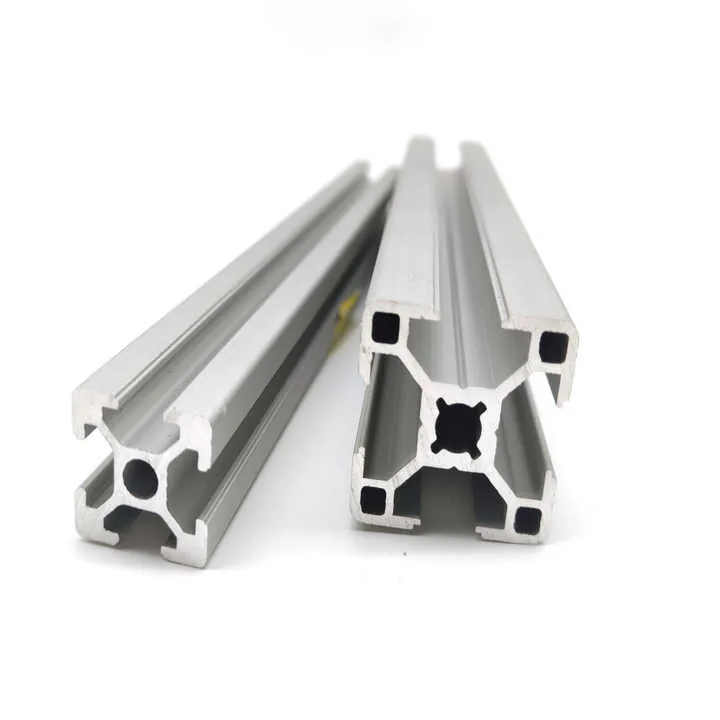
Extrusion lets you shape not just rectangular fins—it enables nearly endless variations in cross-section.
Nearly any 2D cross-section with reasonable complexity can be extruded: split fins, L-brackets, heat pipes, clips, multiple channels, and mount points.
Example Shapes
- Straight fin arrays – classic parallel fins
- Pin fins – extruded pins or circular posts
- Comb or staircase profiles – for specific footprint or airflow
- Integrated mounting flanges – bolt holes and screw slots built in
- Split heat pipe channels – integrate pipe surfaces directly
- Hybrid profiles – combine fins with chassis parts or bracket features
Adding small bosses, channels, and mounting features into one extruded piece eliminates secondary machining and assembly.
In one case, I added built-in mounting tabs to heatsinks for power modules, saving 15% cost and assembly time compared to adding brackets later.
Which Industries Use Them Most?
Extruded aluminum heatsinks are everywhere—from computers to solar panels.
They are used heavily in electronics, LED lighting, power conversion, automotive, telecom, and industrial machinery.

Typical Industry Applications
| Industry | Use Case | Benefits of Extrusion |
|---|---|---|
| Electronics | CPU/GPU coolers, power supplies | Precision, mass production |
| LED Lighting | Streetlights, high bay luminaires | Custom shapes, natural convection |
| Power Electronics | Inverters, converters, power supplies | High thermal performance, integrated mounts |
| Automotive | Charging stations, DC-DC converters | Lightweight, compact form |
| Telecom | Base station amplifiers, racks | Integrated heat pipes, airflow design |
| Renewable Energy | Solar inverters, controllers, trackers | Custom profiles for enclosure shells |
In solar power electronics we designed a heatsink profile to wrap around a chassis—combining heatsink and housing in one extruded part. It slashed assembly time and improved cooling performance.
?? Dive Deeper: How Shape Affects Cooling
-
Fins per inch (FPI)
- Higher FPI = more surface area = better heat dissipation
- But too many fins restrict airflow and can cause hotspot build-up
-
Fin thickness
- Thicker fins spread heat better but weigh more
-
Base-to-fin ratio
- Ideal balance maintains base heat spread while providing enough surface area
-
Airflow orientation
- Natural convection vs forced-air (fans) affects fin spacing and height
-
Spacing & airflow channels
- Profiles can include internal channels or combed layouts to direct air
Using CFD analysis, I optimized an extruded profile so that a fan-cooled LED fins stayed within 3?°C of base temperature at 100?W power.
Quiz Yourself
You can integrate mounting features into an extruded heatsink profile.True
Extrusion allows inclusion of screw bosses, flanges, and clips within a single cross-section.
Heatsinks with more fins per inch always perform better.False
Too many fins restrict airflow, which can reduce cooling efficiency due to airflow resistance.
Conclusion
- Extrusion is ideal for heatsinks: it offers complexity, surface area, and cost-efficiency.
- Aluminum’s thermal conductivity strikes a sweet spot between performance and practicality.
- Custom profiles solve real engineering problems and reduce part count.
- Industries from electronics to energy rely on extruded aluminum heatsinks daily.
If you want help optimizing profile design, selecting alloys, or verifying thermal performance, just let me know!