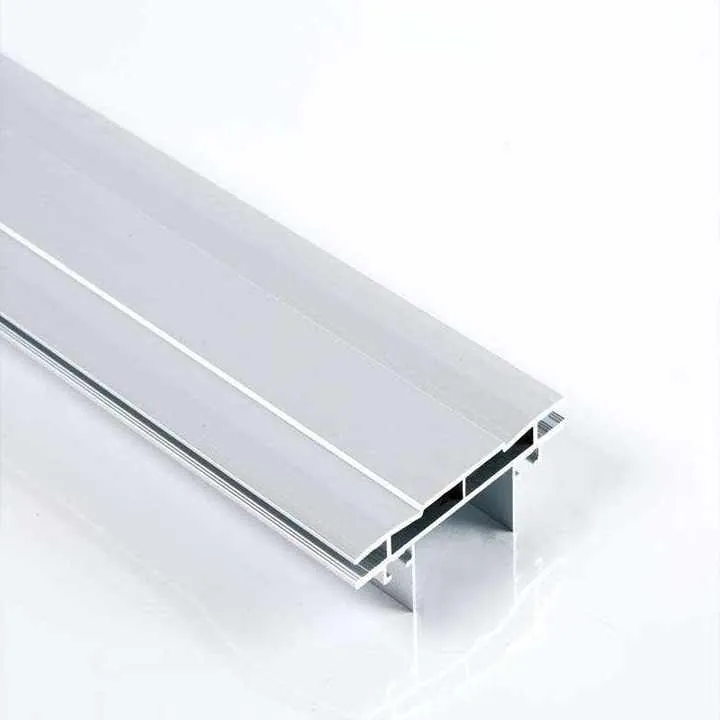
why doesn’t need aluminum extrusion?

In many cases, people assume aluminum extrusion is always needed for metal parts. But that is not true. Sometimes projects can skip extrusion and still do fine. Let me show you how and why.
Aluminum extrusion brings strength, flexibility and ease for many shapes. But not all tasks benefit from it. When parts are simple, cheap, or prefab, other options may work better. Understanding when extrusion is unnecessary can save cost and time.
In the next sections, I explore four situations. I explain when aluminum extrusion is not the best choice. I discuss alternatives, cost, and real world trade‑offs.
What situations don’t require extrusions?
Many designs do not demand complex cross‑sections or high strength. In these cases, simpler methods work. Simple flat plates, plain sheets, or basic tubing can meet needs. Projects with low mechanical load or small runs often do not need the overhead of extrusion.
When a part is just a flat panel, a simple cut from a sheet metal is enough. If the component is rarely loaded or only decorative, plain aluminum or steel sheet works. For small numbers of pieces, custom extrusion dies cost more than their value. Also, if a shape is simple and standard, ready‑made stock performs well.
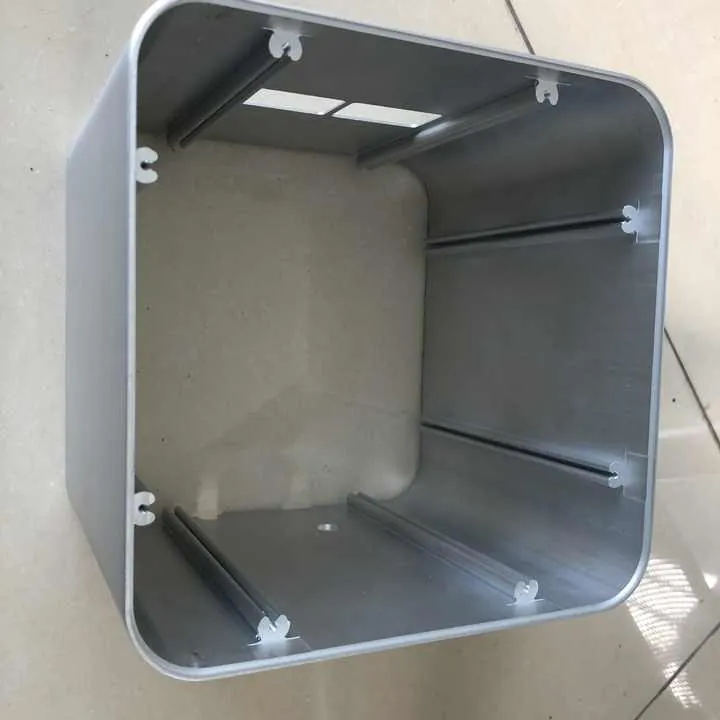
Many common tasks do not need the strength or shape variety that extrusion offers. For example, a flat skin on an enclosure, a simple bracket, or a thin cover can be made from sheet metal or stamped parts. In such cases, extrusion adds no real benefit.
Using sheets or stamped metal saves time. It avoids the cost and time of making extrusion dies. It reduces waste because sheet metal allows tight nesting of parts when cutting. For small batches, it reduces material restocking costs.
Also, sometimes parts get welded or bolted together. In such cases, extruded profiles offer no major advantage. Welding or bolting standard metal bars or plates together can create the needed shape. The final assembly performs fine without complex profiles.
Moreover, if the project needs a curved surface or odd angles, sheet metal can bend or stamp those shapes better. Extrusion creates uniform cross‑section along the whole length. That limitation can make extrusion a bad fit for tapered or curved parts. Sheet metal forming offers more flexibility.
Finally, when project deadlines are tight, using existing materials speeds up the process. Extrusion requires design, die production or tooling setup, and lead time. If the schedule does not allow that, better to use stock materials.
Because of these reasons, I often skip aluminum extrusion for small or simple jobs. I pick sheet metal, flat plates, stock bars, or tubes. I confirm the part will still meet performance and aesthetic needs.
Small, simple flat parts often do not need aluminum extrusionTrue
Flat panels or basic shapes can be cut from sheet metal or stock metal without requiring an extruded profile.
Every metal part should be extruded because it always makes it strongerFalse
Extrusion adds cost, lead‑time and is unnecessary when shape or strength requirements are low.
Why simpler structures use other materials?
Sometimes the material choice is not about metal versus metal. Sometimes metal is not needed at all. Lightweight plastics, wood, or simple composites can work. Simpler structures often benefit from cheaper, easier to handle materials. They meet needs without over‑engineering.
If a part is only for housing, cosmetic cover, or light-duty use, then plastic may serve well. Plastic injection molding or thermoforming can produce shapes fast and cheap. For furniture, decorative trims, or interior panels, non-metal materials often work.

Simple structure often means low load, basic shape, and small size. In such cases, using plastic, wood, or fiberboard can reduce cost and weight. These materials often need less processing. They do not need specialized tools or metalworking shops.
Using easier materials brings multiple benefits. First, cost comes down. Plastics or wood cost less than aluminum. Second, processing is easier. Cutting, molding or forming those materials requires simpler tools. Third, lead time shrinks. Injection molded parts or molded plastics are ready faster than extruded metal profiles. Fourth, for some parts, corrosion, heat or conductivity do not matter. A plastic cover does not need to resist heat or resist rust.
Also, in some designs, designers value flexibility. They want to change shape, improve aesthetics, or adjust quickly. Plastic or wood gives more flexibility. They allow curves, colors, and smooth finish without extra machining. For example, a cover panel for a home appliance might look better in plastic. It can snap on without screws. It can match colors. It can be lighter for shipping.
In other cases, parts are disposable or temporary. For example, packaging inserts, temporary covers, or light crates. Using metal, especially extruded aluminum, is overkill. A molded plastic or cardboard insert works. It lowers cost and avoids metal recycling needs.
Hence, simpler structures frequently move away from metal extrusion. Designers pick other materials. They ask: Do we really need strength? Do we need metal? If not, simpler choice wins.
Lightweight covers and decorative parts are often made from plastic or wood instead of metalTrue
When strength, heat resistance, or conductivity are not required, plastics or wood suffice and cost less.
Every structural part must be aluminum because plastic or wood is always too weakFalse
Some parts do not need metal strength. For them, lighter cheaper materials are enough.
How cost analysis guides material choice?
Cost often guides the decision more than engineering alone. When I pick materials, I compare raw material cost, production cost, tooling cost, and long‑term value. Sometimes extrusion is too expensive. Other times it is worth it. Careful cost analysis avoids waste.
When starting a project, I estimate how many parts are needed. If only a few pieces are required, then cost of extrusion die and small run makes price per unit high. In such cases, sheet metal cut or stock bar is cheaper. For large volume though, extrusion can pay off.
Cost comparison often shows simpler methods win when volume is low or parts are simple.
Below is a simple table to compare typical cost elements for extrusion vs sheet metal in a small‑batch project:
| Cost Item | Aluminum Extrusion (Small Batch) | Sheet Metal / Stock Metal |
|---|---|---|
| Tooling / Die Cost | High (die needed) | Low (no special die) |
| Material Waste | Moderate | Low (nesting efficient) |
| Per‑Piece Processing | Cutting, possibly CNC | Cutting or punching only |
| Lead Time | Long (die + extrusion + cuts) | Short (cut and deliver) |
| Unit Cost for 100 pcs | High | Low |
When demand is low, sheet metal or stock metal often wins. If parts number over several hundreds or thousands, then extrusion might recover tooling cost. But volume is not the only factor. I must also consider complexity of shape, strength, finish, and tolerances.
Another factor is time to market. If the project needs fast delivery, sheet metal often beats extrusion. Die making takes time. Extrusion scheduling may delay production. For urgent projects, waiting for die production wastes time and money.
Also long‑term maintenance and stock keeping matter. If a product sells globally, storing many extruded profiles may cost space. If parts change often, old die becomes obsolete. Then using standard stock material is safer.
In some projects, finish or surface treatment drives material choice. If we need anodized finish or decorative surface, extrusion helps. But if finish does not matter, cheaper material saves cost.
In short, cost analysis can make extrusion unnecessary once volume, complexity, lead time, and long‑term demands are checked. Money and resource saving win often in simple or small projects.
For low‑volume production, sheet metal often costs less than aluminum extrusionTrue
Tooling cost and die setup make extrusion expensive for small runs, so simple sheet metal cutting or stock metal is cheaper per piece.
Aluminum extrusion is always cheaper per unit than sheet metal even for small batchesFalse
Extrusion has high initial tooling cost, so for small batches the per‑unit cost is often higher than sheet metal.
Can prefabricated parts replace extrusions?
Prefabricated and standard parts can often replace custom extrusions. Standard tubes, rods, brackets, castings, or molded parts can do similar jobs. Using off‑the‑shelf components reduces cost, lead time, and risk. Many companies rely on them for simplicity.
If a project uses standard sizes such as 20×20 mm square tube, 40×80 mm rectangular tube, or standard sheet metal parts, these are widely available. Suppliers keep stock. Then there is no need to order custom extrusion. This is especially effective for frames, supports, or enclosures.

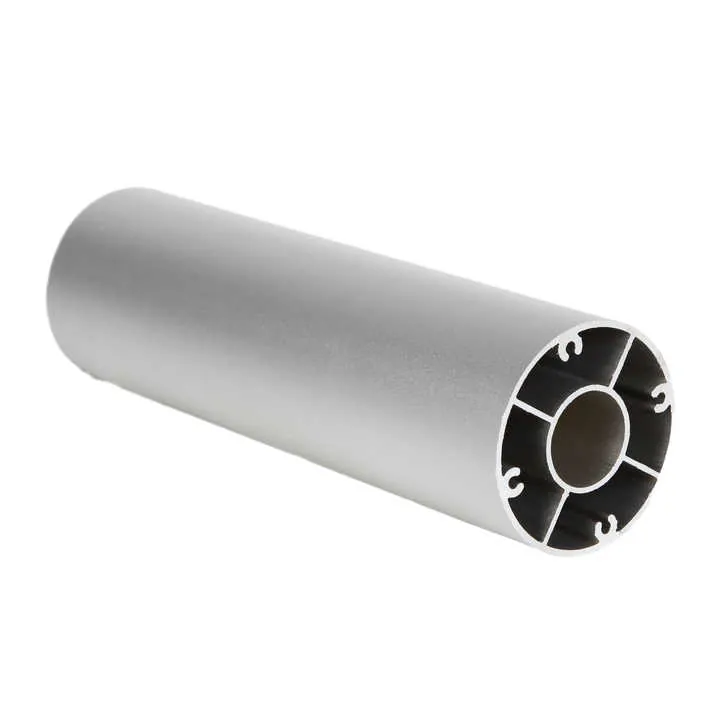
Prefabricated parts often solve common design needs. Often engineers use standard aluminum tubes, rods, or profiles sold by metal distributors. These satisfy strength needs and are easy to order. They avoid the cost of making a custom die.
Also, for parts that require casting or molding, using prefabricated metal castings or plastic moldings can replace extrusion. A cast part with the right shape and strength can do better than a long extruded profile that needs further machining.
Sometimes, suppliers offer modular systems. For instance, furniture frames or modular enclosures use standard profiles bolted together. These systems are cheaper and more flexible. They allow parts to be replaced, reconfigured or removed without re‑ordering custom pieces.
Using prefabricated parts also lowers risk. Custom extrusion may fail die tests, cause delays, or result in scrap. Stock parts are proven. Their dimensions and quality are consistent. For a customer needing reliability and speed, stock parts offer assurance.
Below is a table comparing custom extrusion with use of prefabricated / standard parts:
| Feature / Need | Custom Aluminum Extrusion | Prefabricated / Standard Parts |
|---|---|---|
| Custom cross‑section shape | Yes — fully customizable | No — limited to common shapes |
| Lead time | Long — die + production | Short — off‑the‑shelf |
| Cost for small order | High, due to tooling and setup | Low — Distributor stock |
| Flexibility for changes | Low — die change needed | High — swap in different parts |
| Risk of scrap or delay | Higher — custom tooling involved | Lower — proven stock items |
If design fits common shapes and dimensions, prefabricated parts often cover needs. They give faster delivery, lower cost, and simpler logistics. Unless there is a need for a special shape or tight tolerance profile, prefabricated parts save effort.
Standard aluminum tubes, rods or brackets can replace custom extrusions when shapes are simpleTrue
Standard stock profiles meet many basic needs and cost less than custom extrusion with die costs.
Custom extrusion is always better than standard parts for any applicationFalse
Custom extrusion adds cost, time, and risk. For simple needs, standard parts are often sufficient.
Conclusion
In many cases, aluminum extrusion is not needed. Simple designs, low volumes, use of sheet metal, cost limits, or available prefabricated parts make other choices better. Choosing what fits best avoids waste of time and money.