who invented aluminum extrusion?
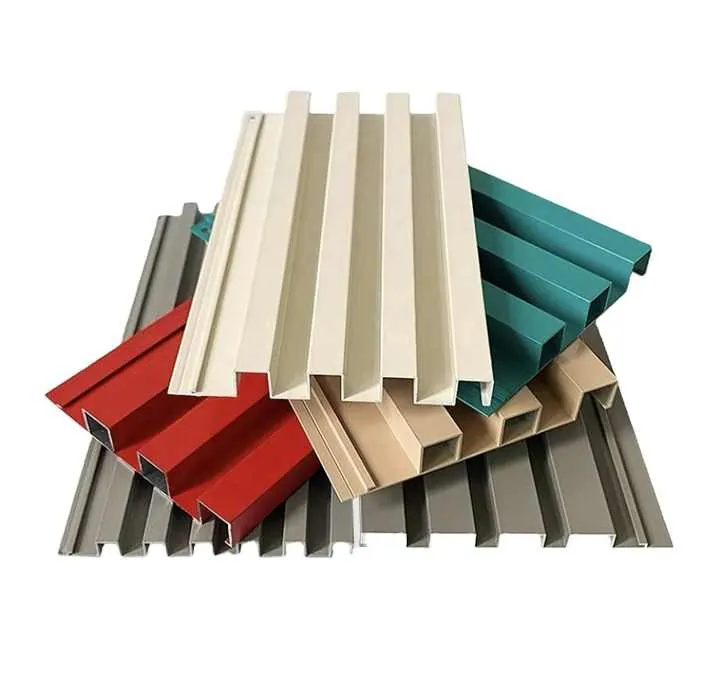
At first people thought making shaped aluminum was hard. That made many projects slow and costly. Aluminum extrusion changed that.
Aluminum extrusion began more than a century ago, thanks to pioneers who learned how to push aluminum through shaped dies under high pressure.
That discovery changed how we make metal parts. It set a path for mass production and saved time and cost.
To understand fully, we need to go back and see the roots. Then we can see how that history still shapes aluminum use today.
When was aluminum extrusion first developed?
Long ago, makers faced big trouble shaping aluminum. Forming large, precise parts was tough.
The first workable aluminum extrusion process emerged in the late 19th century, when inventors adapted metal‑pushing techniques to aluminum, enabling patterned shapes.

Since aluminum became available by mid‑1800s, people tried casting and forging. Those methods worked but they limited shape variety and size. In 1886, the discovery of a simple method for aluminum production made aluminum cheaper. But shaping remained a barrier. Around 1890s and early 1900s, engineers experimented with pushing soft metals through shaped dies. They learned that aluminum, when heated or tempered right, could slide through dies. The first patents and documented experiments for aluminum extrusion date from that era. Those experiments proved that metal extrusion could produce consistent cross‑sections. Early machines pushed aluminum billets through dies using pressure. The machines were simpler than modern presses, but they worked. That innovation marked the start of aluminum extrusion history.
Early Milestones in Aluminum Extrusion
| Year | Key Event |
|---|---|
| 1886 | Aluminum production becomes commercially cheap after discovery of new reduction method |
| c. 1890–1900 | Engineers test pushing aluminum through shaped dies |
| Early 1900s | First patents for aluminum extrusion machines and dies |
| 1910s | Small‑scale extrusion used for simple profiles (bars, rods) |
These early steps paved the way for more advanced work. At first, extruders made simple rods or bars. Over time, they improved dies and pressure systems. This made more complex shapes possible. The early machines used manual or simple mechanical pressure. They needed heated aluminum to reduce resistance. The dies were often simple circular or rectangular shapes. Engineers learned that die shape and temperature both matter. They also learned that the rate of pressing matters. Press too fast, aluminum cracks. Press too slow, production becomes inefficient. So they fine‑tuned. By 1910s, extrusion of aluminum started to get attention from builders and manufacturers. It remained small scale, but the idea was proven.
Over time, early extruders showed that aluminum sections could be uniform and repeatable. That was a big win. Uniform cross sections meant interchangeable parts. That suited building, transport, and machinery. As engineers improved the process, they also improved aluminum alloys. They tested soft alloys first. Later they tried stronger ones. That helped make parts sturdier. Step by step, the tool moved from lab to factory. In short: aluminum extrusion was first developed around the turn of the 20th century. It grew from simple experiments into real manufacturing tools. That early period set the basic method we still use.
Aluminum extrusion was first developed in the late 19th to early 20th century.True
Historical records show the first workable extrusion methods and patents for aluminum extrusion date from that era.
Aluminum extrusion started only after World War II.False
Extrusion trials and patents for aluminum date to before World War II, around early 1900s.
How did early processes shape modern extrusion?
Shaping aluminum was once slow and imprecise. That slowed many industries. Early innovators felt that problem every day.
Early extrusion methods taught key lessons about die design, pressure control, and material temper. Those lessons form the base of modern extrusion machines.

Modern extrusion did not appear overnight. It built on those early trials. The need to get consistent shapes drove engineers to improve several parts. First, die design evolved. Early dies were simple shapes: round rods or bars. Over time, engineers created dies with complex cross‑sections. They learned how sharply the die’s shape could change without cracking aluminum. They learned to control die angles, curvature, and surface finish. That work carried forward. Nowadays dies are made with high‑strength steel and fine polish. They follow geometric rules shaped by early experiments.
Second, pressure and temperature control improved. Early machines used basic mechanical pressure and sometimes heat. Engineers noticed that if aluminum was too cold, it cracked. Too hot, it deformed unevenly. They developed heating protocols and slow pressing to keep quality. That taught the importance of precise control. Today’s hydraulic or mechanical presses use sensors and feedback loops. They control temperature and pressure automatically. That all traces back to those old lessons.
Third, material science advanced. Early extruders used soft aluminum alloys. They pressed billets in soft state. Later, they tried stronger alloys and different tempers. That led to varied aluminum grades with different strength and workability. Modern extrusion uses alloys like 6063 or 6061 with specific tempering. That lets makers produce strong, lightweight parts. Without early trials, these alloys might not suit extrusion.
Fourth, scale and repeatability improved. Early extrusion could only make small batches. Quality varied. Engineers learned to standardize billets, control die wear, and monitor output. They tracked dimensions manually. They recorded defects. They adjusted accordingly. Those habits built culture of quality control. Modern extrusion plants use computerized monitoring. Still, they follow the same logic: standard input → controlled process → consistent output. That chain started a century ago.
Comparison: Early vs Modern Extrusion
| Feature | Early Process | Modern Process |
|---|---|---|
| Die Material | Simple steel, often soft | High-grade tool steel, heat-treated |
| Pressure Source | Manual or basic mechanical | Hydraulic / electric presses |
| Temperature Control | Rough heating | Precise heating and cooling |
| Quality Control | Manual inspection | Automated sensors and QC systems |
Because of these steps, modern extrusion is reliable, efficient, and precise. Early methods shaped the rules and standards. The mistakes of the past taught what not to do. The successes taught what works. As a result, modern extrusion stands on firm ground. It delivers complex shapes, strong parts, and tight tolerances. That all flows from the early roots.
Modern extrusion die design evolved from early experiments with simple dies.True
Die geometry developed gradually from simple bars to complex cross‑sections based on early experiments.
Modern extrusion does not depend much on early practices.False
Modern extrusion methods still follow base principles developed long ago: die design, temperature and pressure control, material tempering.
Why did industries adopt extrusion rapidly?
Many industries once saw aluminum as too soft or weak. They feared it would not fit structural needs. That risk slowed use. Then extrusion solved many doubts.
Industries embraced extrusion because it made strong, lightweight, and complex aluminum parts cheaply and fast. This fit the needs of building, transport, and manufacturing industries.

Extrusion made aluminum shine in many industries. First, it made long profiles. Builders could get long aluminum beams, frames, and rails. That helped construction and windows. Second, it made complex shapes. Instead of welding pieces, factories could get one piece with many holes, fins, or channels. That helped machines, vehicles, and furniture. Third, it offered strength with light weight. Aluminum allows strong parts without heavy steel weight. That fit ships, trains, and airplanes. Fourth, it sped production. Once dies were ready, plants could churn out hundreds of identical parts. That lowered cost and increased speed. Fifth, design flexibility increased. Engineers could change die shapes to get new profiles quickly. That saved time in design cycles. Because of all those benefits, many sectors jumped in fast.
Large industries liked the repeatability. They could standardize parts across factories and countries. That simplicity reduced waste and error. It improved logistics. Standard long sections could be cut and assembled anywhere. That reduced labor. That helped global expansion of aluminum parts.
The rise of building boom after wars also pushed adoption. High demand for housing, vehicles, and infrastructure created need for efficient materials. Aluminum extrusion met that need. It let builders design modular parts, mass‑produce them, and ship globally. That matched industry demand for scalability and quality.
Also, tools improved and cost dropped. As more factories built extrusion plants, price per unit fell. That made aluminum parts affordable for more uses. The cost‑performance ratio favored extrusion. Gradually, extrusion replaced older casting or welding methods for many uses. It spread in transport, construction, furniture, consumer goods. That made extrusion standard.
Because extrusion solved many pain points—cost, speed, flexibility, strength—industries adopted it rapidly. Without it, aluminum might remain a niche material. With extrusion, it became core to modern manufacturing.
Industries adopted aluminum extrusion quickly because it allowed cheap and fast production of complex aluminum parts.True
Extrusion offers speed, low cost per part once dies are made, and complex shapes that fit many industrial needs.
Industries avoided aluminum extrusion for decades due to high cost and low benefit.False
Historical evidence shows rapid uptake by industries after extrusion matured, because benefits outweighed costs.
Can historical methods influence today’s designs?
Some might think old methods are obsolete. That they matter only to historians. But old methods still shape how extrusion works now.
Historical extrusion methods influence today’s design choices by informing die geometry, material selection, and process limits that still matter.
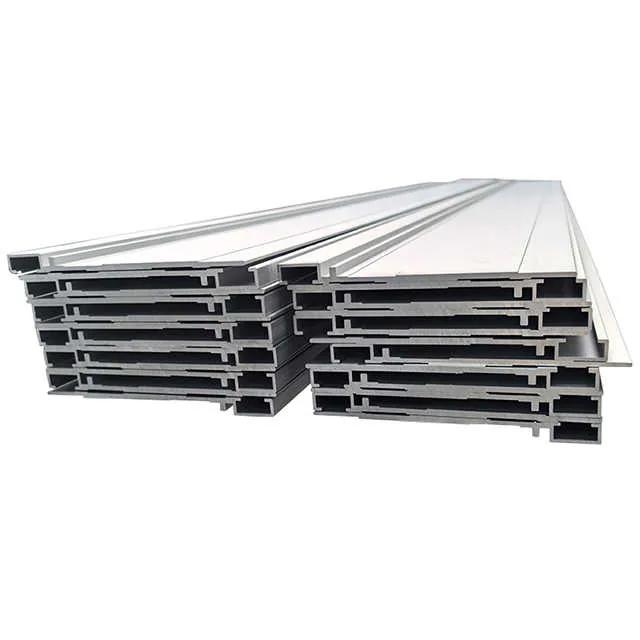
Modern design does not happen in isolation. Designers use knowledge from past experiments. For example, die shapes still follow principles learned early. Sharp corners in cross‑sections often cause stress or cracking. Early tests warned against those. So today’s dies use smooth curves and gradual changes. Designers avoid abrupt geometry just like pioneers did. That ensures extruded parts stay strong and defect‑free.
Material grades and tempers also reflect old lessons. Early extruders used soft aluminum because it pressed easily. When they tried stronger alloys, they saw cracks. Over time, alloy formulas and temper processes evolved. Now we use alloys that balance ease of extrusion with strength and durability. That balance traces back to those trials. Engineers know which alloys deform evenly and which need special dies or slower pressing.
Process limits come from early data too. For example, there is a maximum length and thickness ratio that works in extrusion without high defect rate. That constraint comes from experiments started long ago. Designers who ignore it risk cracks or deformation. So process design still relies on those old boundaries.
Even product design benefits. Many modern aluminum parts echo older patterns. For instance, T‑slots for frames, cooling fins for electronics, window frames, structural rails — these owe design logic to early extruders. They showed that these shapes are easy to make and strong. Design libraries often include those classic profiles. New products adapt them with small tweaks. That saves design time and ensures manufacturability.
Also, some boutique or custom producers still use older style presses for small runs. They keep those methods alive. That allows flexible design and small‑batch production. Their output may not match mass‑production speed, but they serve niche markets. That kind of production values history. In that way, historical methods influence not only design but also manufacturing strategy.
Older methods also teach caution. They show that pushing material beyond its limit fails. That remains a lesson in design. Engineers still run tests and stress analysis before approving a part. They test die geometries, flows, and tempers. They build prototypes. That approach mirrors the early trial‑and‑error. That mindset guards quality. Without that history, some designers might push for exotic shapes too quickly. That could lead to failure.
Finally, historical methods influence modern standards. Many industry guidelines on allowable geometry, minimum wall thickness, and radius limits trace back to early practices. Designers and engineers still follow them. They shape product specs, tooling rules, and safety standards. In sum, historical methods cast a long shadow on modern designs.
Modern aluminum design guidelines still reflect constraints found in early extrusion experiments.True
Many standards like minimum wall thickness, corner radius, and alloy temper derive from early trials to avoid cracks and defects.
Historical extrusion methods no longer affect modern design or production.False
The basic principles of die geometry, material behavior, and process limits remain fundamental in modern extrusion design.
Conclusion
Aluminum extrusion began over a century ago. Early pioneers shaped methods we use now. Industries adopted extrusion fast because it solved big production problems. Today designers still rely on old lessons for shape, alloy, and process. History lives in every extruded profile.