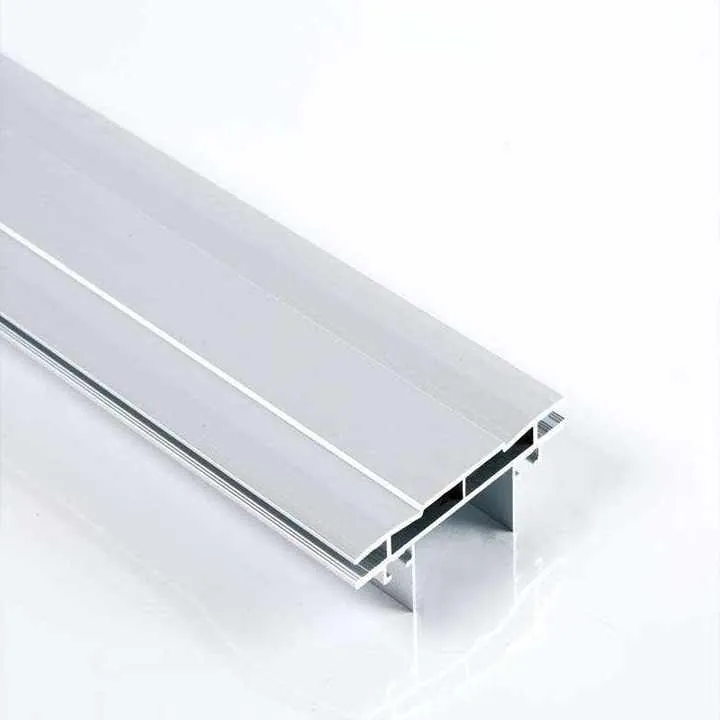
Which manufacturing method suits a liquid cooling plate?
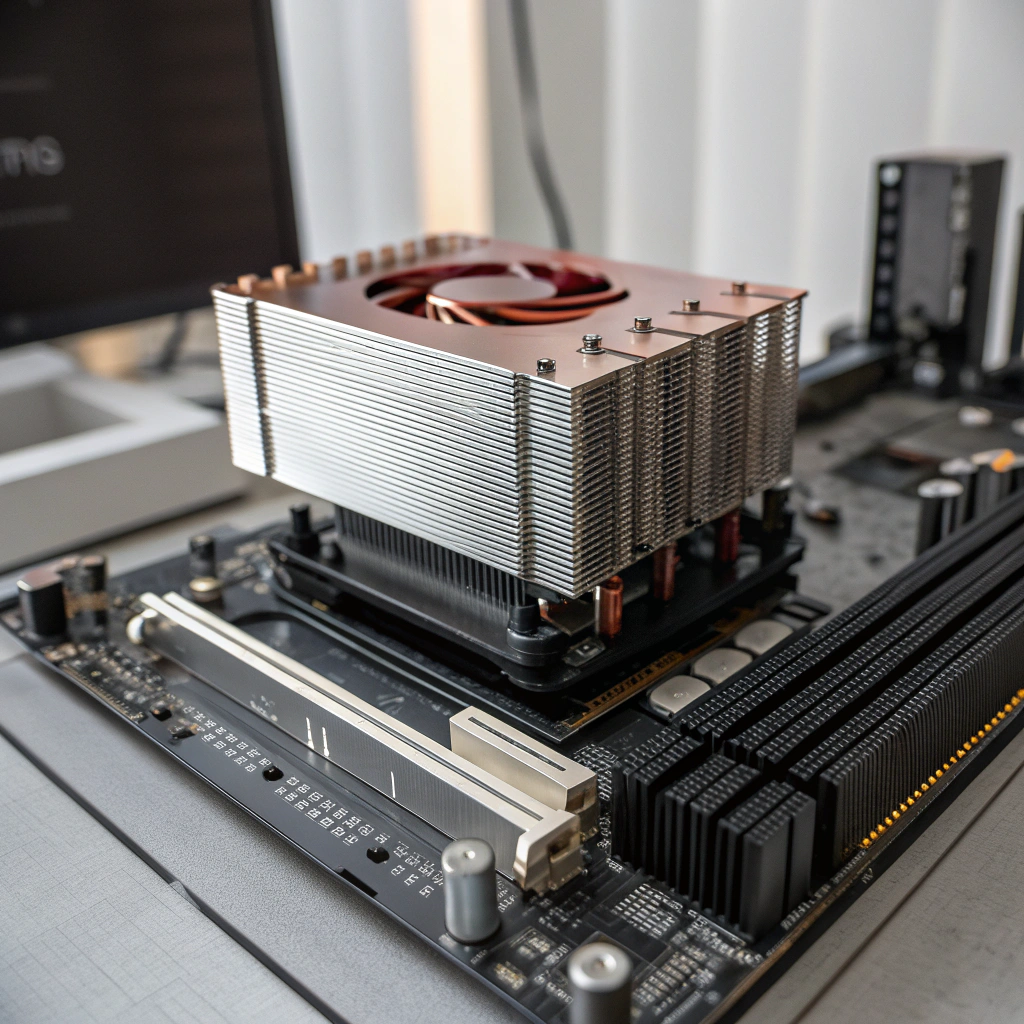
You face thermal bottlenecks, your cooling plate seems too heavy or too bulky — we’ve all been there.
The right manufacturing method for a liquid cooling plate depends on coolant channels’ design, material choice and production volume, which together drive cost, performance and reliability.
Now let’s walk through each piece: what typical production methods exist, how manufacturing affects performance, how to pick the right process, and the newest trends emerging.
What are the main production methods?
When you print “liquid cooling plate manufacturing”, you’ll find many methods listed — which one is the right one?
Common production methods include machining, extrusion/brazing, tube-in-plate, vacuum-brazed bonding, and additive manufacturing (3D printing) for liquid cold/heat exchanger plates.
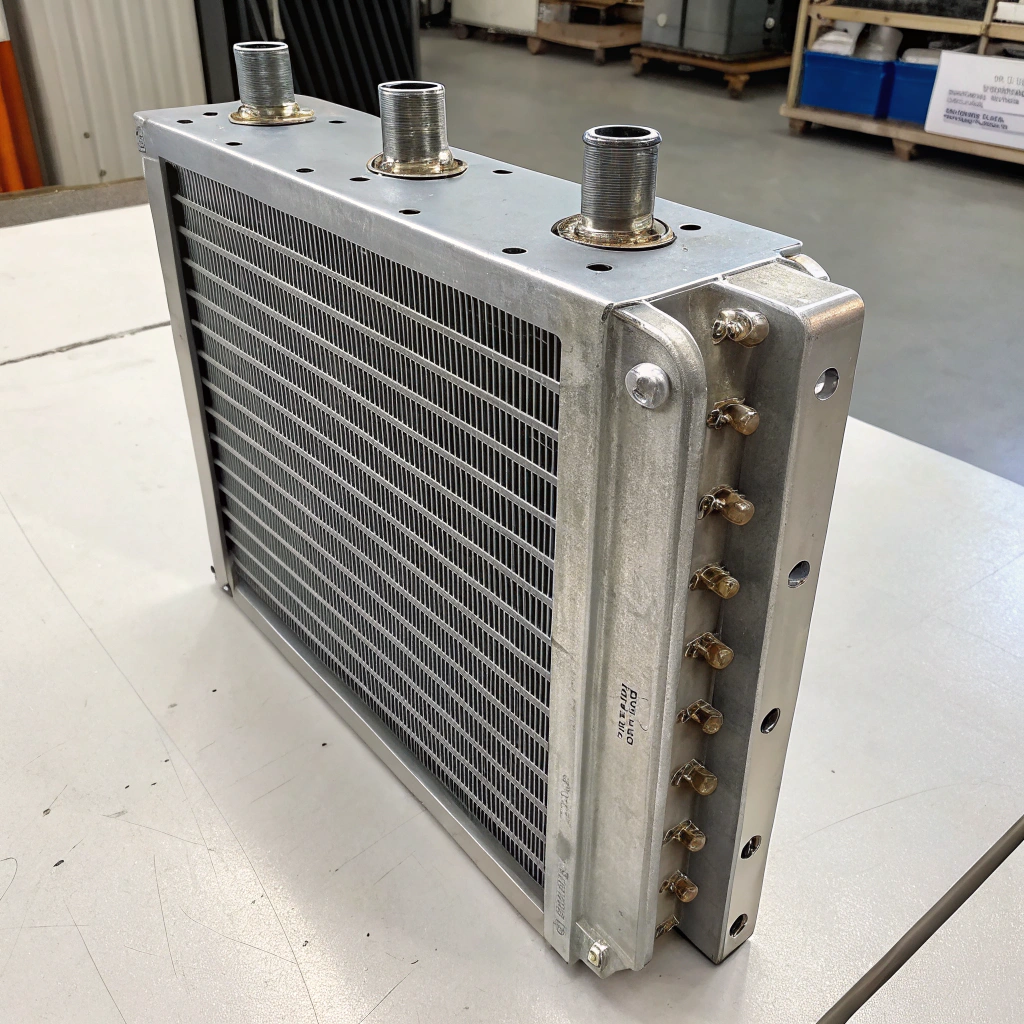
Let me break down the main methods, one by one, in everyday language. I will include some pros and cons so you can see why each is used.
1. Machining (subtractive manufacturing)
Here you start with a block of metal (often aluminum or copper) and you mill channels, drill fluid ports, machine flat surfaces, and maybe weld or bond a cover plate.
Pros: good surface finish; you can achieve complex shapes; high precision.
Cons: expensive; slow; lots of material waste; may not be ideal for very high channel density or very complex internal geometry.
2. Extrusion + tube insertion / channel plate (tube-in-plate)
This is more common for moderate-performance cooling plates. You extrude aluminum (or sometimes copper) into a plate shape or channel profile, then insert tubing or channels for coolant.
Pros: lower cost than fully machined; decent performance; good for moderate heat loads and simpler channel designs.
Cons: channel geometry is less flexible; tolerance of channel geometry may be lower; may not support ultra-high heat flux; possible leak risk if tube-to-plate joining is not perfect.
3. Vacuum-brazed bonding (plate bonding)
Here you take two plates (or more) with internal fins or channels, and you metallurgically bond them (brazing) to form the cooling plate. The internal fins and channel walls are part of the structure.
Pros: very good thermal performance; can have fine channels and high heat flux capability.
Cons: higher cost; more complex tooling; may be less flexible for small batches; design changes are more expensive.
4. Additive manufacturing (3D printing / advanced fabrication)
This is increasingly used for cooling plates with complex internal geometries (micro-channels, lattice structures) that cannot be made by traditional methods.
Pros: great geometry freedom; ability to optimize internal flow, miniaturize, integrate features.
Cons: may have weaker mechanical/thermal properties (depending on process); cost is higher; for large volumes may not yet be as cost-effective.
5. Other methods / hybrid approaches
You will also find methods like hydroforming, tube bending + welding, bonding of sheet metals, micro-machining or micro-channels etched + welded covers. These are used for very specific shapes, very tight tolerances, or high performance in compact designs.
| Method | Strengths | Weaknesses |
|---|---|---|
| Machining | High precision, flexible geometry | High cost, slow, material waste |
| Extrusion + tube | Lower cost, decent performance | Less geometry freedom, moderate performance |
| Vacuum-brazed bonding | High thermal performance, fine fins | Higher cost, less flexible design changes |
| Additive manufacturing | Complex shapes, internal freedom | High cost, slower, lower material strength |
| Hybrid/specialized | Tailored for niche needs | Often expensive, complex tooling |
Vacuum-brazed bonding enables high-performance micro-channel cold plates.True
This method allows metallurgical bonding of fine internal structures, ideal for high thermal performance.
Extrusion with tubes allows highly complex internal flow geometries.False
Tube-in-plate methods offer limited internal geometry flexibility compared to other methods like machining or additive manufacturing.
Why does manufacturing affect performance?
You might think “if the material is good, the design is good, then manufacturing is just a means”—but that is not entirely true.
Manufacturing method affects thermal contact quality, flow channel geometry, material properties, sealing/leak risk and cost, all of which directly impact cooling plate performance and reliability.
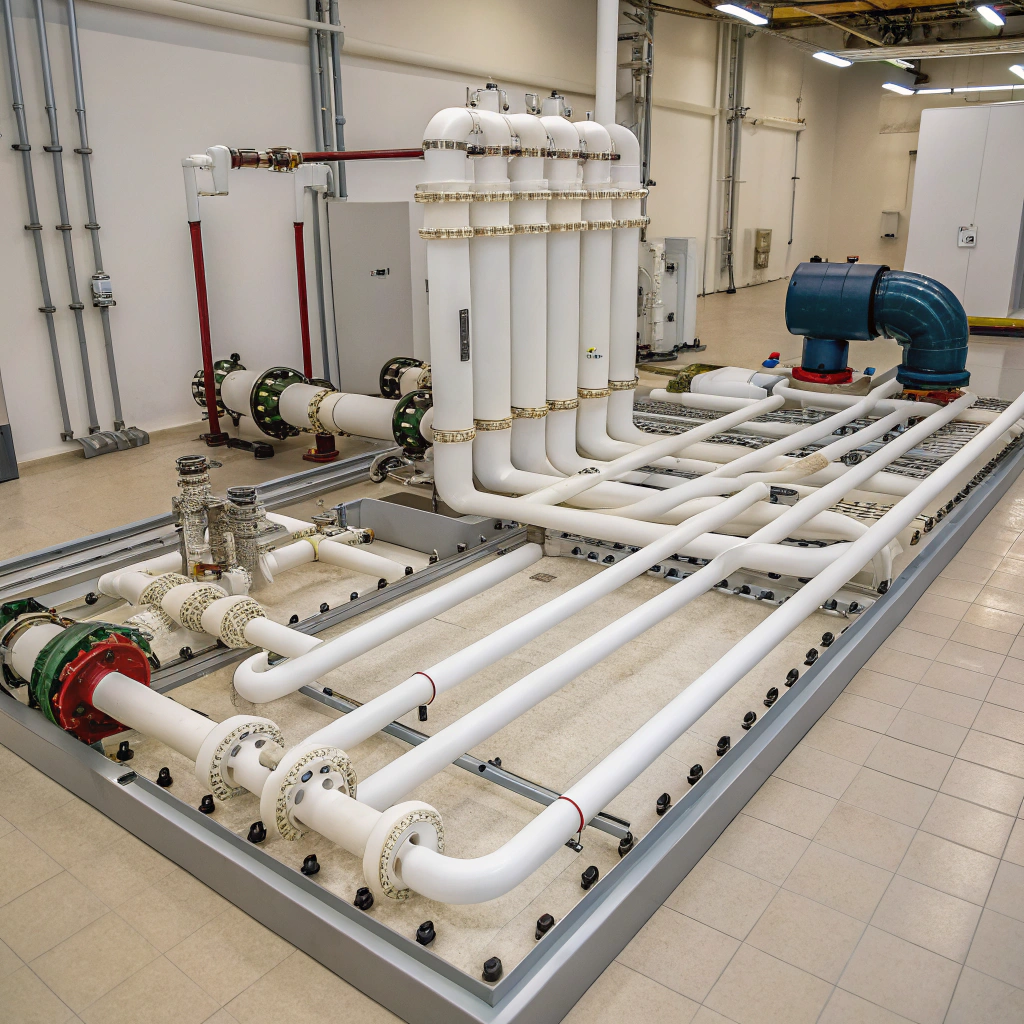
Let’s look at how manufacturing touches multiple performance factors and why the method matters more than you might first assume.
A. Channel geometry accuracy and flow path
Channel shape consistency is critical for uniform flow and optimal heat exchange. Poorly formed or inconsistent paths degrade performance.
B. Material thermal properties & bonding quality
Thermal conductivity relies on both material and interface quality. Voids, poor bonding, or stress cracks can increase thermal resistance.
C. Sealing, integrity, and reliability
Joints must withstand pressure cycles and avoid leaks. Method choice affects long-term mechanical durability.
D. Cost, volume, and design flexibility
Manufacturing affects cost-efficiency, scalability and turnaround time. Some methods are better for custom or high-volume production.
E. Practical constraints
Your process may limit material options or shape accuracy. For example, extrusion limits wall thickness variance and complex curves.
Manufacturing precision has no effect on liquid cold plate thermal performance.False
Thermal performance depends on precise geometry, material bonding, and consistent coolant flow — all influenced by the manufacturing process.
The choice of bonding or sealing method affects the long-term reliability of a liquid cooling plate.True
Improper sealing or bonding can lead to cracks, leaks or fatigue failures in the cooling plate.
How to choose the best fabrication process?
With so many options and trade-offs, how do you decide which manufacturing method is best for your liquid cooling plate?
You choose by matching performance requirements (heat load, footprint, fluid velocity), volume (quantity), budget, material and geometry constraints to the manufacturing method’s capabilities, cost and lead-time.
Here is how I suggest you go through the decision process, step by step.
Step 1: Define performance and application requirements
Know your heat load, flow limits, material preference and space constraints.
Step 2: Estimate volume and budget
What is your production volume? Small batch = more flexible process. High volume = cost-effective method needed.
Step 3: Match geometry complexity to manufacturing capability
Simple = extrusion or machining. Complex = bonding or additive manufacturing.
Step 4: Consider material trade-offs
Copper = better conductivity but higher cost. Aluminium = lighter and cheaper.
Step 5: Assess reliability, tolerances, and tooling
Look at leak risk, dimensional tolerances, post-processing needs.
| Application Type | Suggested Method |
|---|---|
| Moderate heat, high volume | Extrusion + tube insertion |
| High heat, compact size | Vacuum-brazed bonding |
| Complex geometry, low volume | Additive manufacturing |
| Cost-sensitive, lower performance | CNC machining or hybrid |
Additive manufacturing is best suited for simple, low-cost cooling plate production.False
It is used for complex, high-performance designs, not for basic low-cost applications.
Extrusion combined with machining is cost-effective for high-volume production.True
This method balances cost and precision for large batches with moderate thermal requirements.
What new methods lead manufacturing trends?
The world of cooling plates is evolving fast. The old ways may still work, but if you want to stay ahead you need to watch the emerging manufacturing methods.
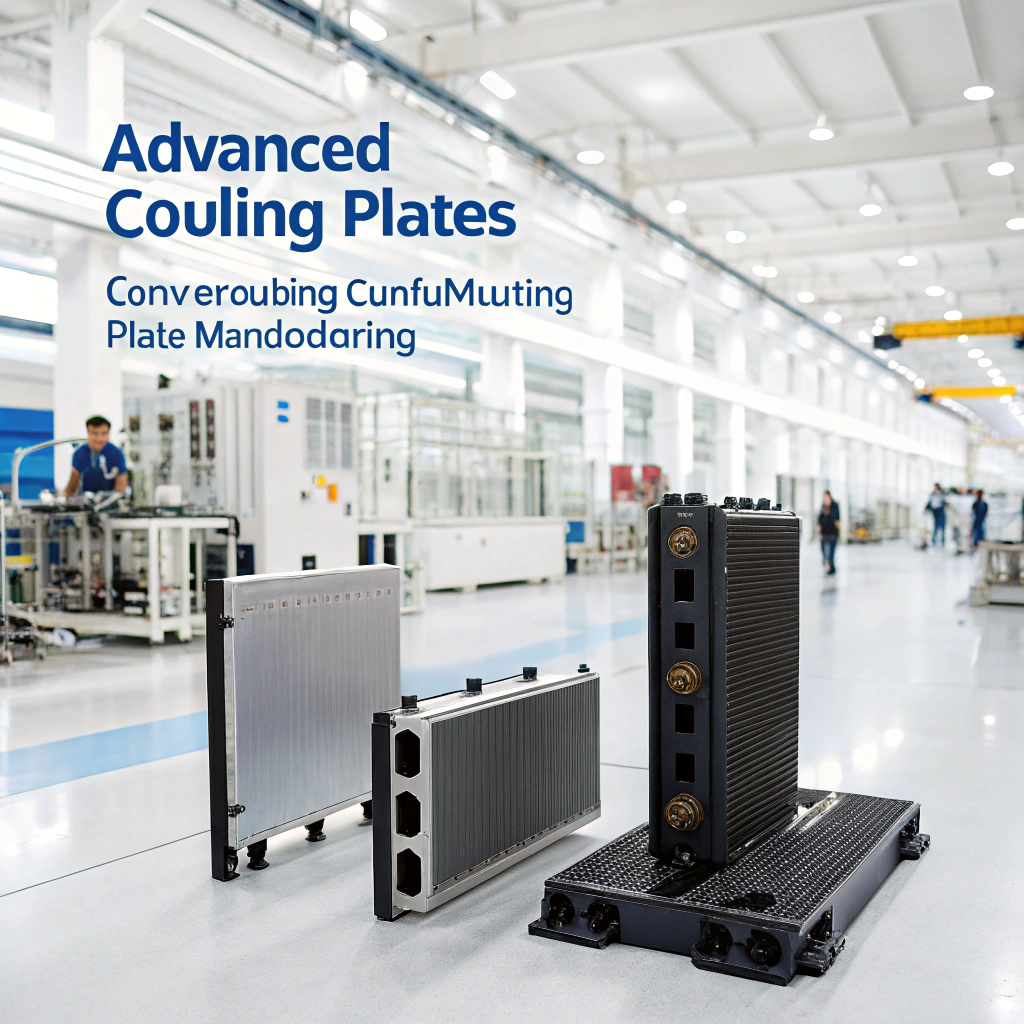
New trends include micro-channel metal fabrication (via MEMS or wafer processes), high-density additive manufacturing, laser cutting/etching of internal flow features, and advanced joining (friction stir welding, low-reaction brazing) for next-gen liquid cooling plates.
Here are some of the most interesting manufacturing trends I’m seeing.
1. Micro-channel / wafer-style fabrication
Used in AI chips, high-density servers and data centers. Provides better hotspot control and reduces footprint.
2. Additive manufacturing with topology optimization
Highly customized shapes with integrated flow control, designed via simulation software.
3. Advanced joining
Friction stir welding allows strong joints in aluminum without warping. Good for plates under pressure cycling.
4. New materials and coatings
Ceramic and composite treatments improve durability. Coatings resist corrosion or enhance surface conductivity.
5. Design for Additive Manufacturing (DfAM)
Engineers now co-develop cooling designs with manufacturers using simulation tools before deciding fabrication strategy.
Micro-channel fabrication allows higher thermal performance in compact spaces.True
Smaller flow channels mean larger surface area and better local cooling, ideal for tight spaces.
Extrusion is the best method for manufacturing intricate multi-layer flow channels.False
Extrusion is limited to simpler, uniform shapes and cannot support intricate multi-layer designs.
Conclusion
Manufacturing method matters. It affects cost, geometry, material properties, and ultimately cooling performance. By defining your thermal needs, volume, budget and geometry, you can choose the right process: extrusion + tube, vacuum brazed, machining, or additive. Watch emerging trends like micro-channels and advanced additive fabrication to stay ahead.