Where to Buy Aluminum Extrusion?
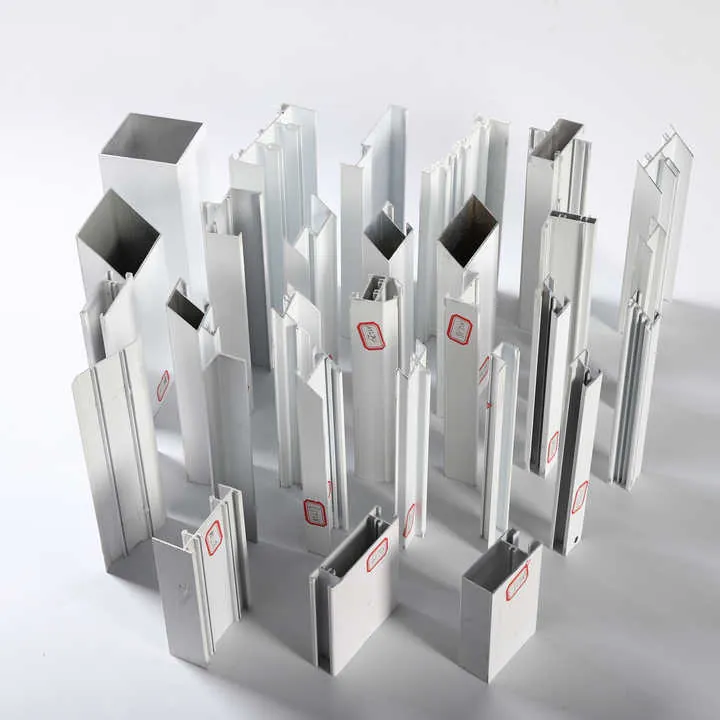
When you’re searching for aluminum extrusion, you face risk of poor quality, long lead times, or hidden costs because not all suppliers are equal.
You can buy aluminum extrusion from suppliers that offer certified alloys, consistent tolerances, good logistics and bulk discounts—if you know what to compare.
Let’s dig into how to choose the right supplier, compare vendors, understand shipping logistics and use bulk ordering to reduce costs.
What suppliers offer quality aluminum extrusion?
Imagine ordering a batch of extruded profiles only to find warping, inconsistent dimensions or wrong alloy—nightmare for your production.
Suppliers that offer quality aluminum extrusion have strong process control, certified alloys (e.g., 6061, 6063), documented finishes and ISO or equivalent quality certifications.

When I assess suppliers for extrusion, I always look for these markers of quality:
Key indicators of a quality supplier
- Alloy specification and certification: Reputable suppliers clearly state alloy (e.g., 6000‑series like 6063, 6061) and provide mill test reports.
- Finish and processing capability: Quality means more than shape—it includes anodizing, powder coating, surface finish, dimensional control.
- Quality management systems: Suppliers that are ISO 9001 certified or hold equivalent demonstrate process control and consistent delivery.
- Experience and industry focus: Suppliers serving demanding industries (aerospace, automotive, construction) often have tighter tolerances and higher process discipline.
- Full supply‑chain transparency: From billet to extrusion to finishing to delivery. Good suppliers explain the end‑to‑end chain.
Questions to ask potential suppliers
- What alloy(s) do you supply (6061‑T6, 6063‑T5, etc.)?
- Can you provide mill certification or test reports on material properties?
- What is your dimensional tolerance for lengths, wall thickness, straightness?
- What finishing options do you offer (anodize, electro‑color, powder coat, wood‑grain)?
- What is your lead time and how consistent is delivery?
- Do you offer samples or initial inspection before bulk orders?
- How is shipping and packaging handled (bundles, protective wrap, damage prevention)?
Why this matters for your business
Since you’re a manufacturer/supplier of custom aluminum profiles and your customers expect high‑precision, consistent, finish‑ready parts, partnering with a quality extrusion supplier is foundational. Poor upstream quality will lead to higher scrap, rework, and customer dissatisfaction.
ISO certification is a key indicator of a quality aluminum extrusion supplier.True
It demonstrates strong process control and consistent quality.
All aluminum extrusions, regardless of alloy, offer the same quality.False
Different alloys have different strength, machinability, and finish quality.
Why compare extrusion vendors before buying?
If you simply pick the first supplier who gives a quote, you risk hidden costs, variable quality, surprise logistics.
Comparing vendors allows you to evaluate not just price, but quality, lead time, finish options, reliability and total cost of ownership—not just unit cost.
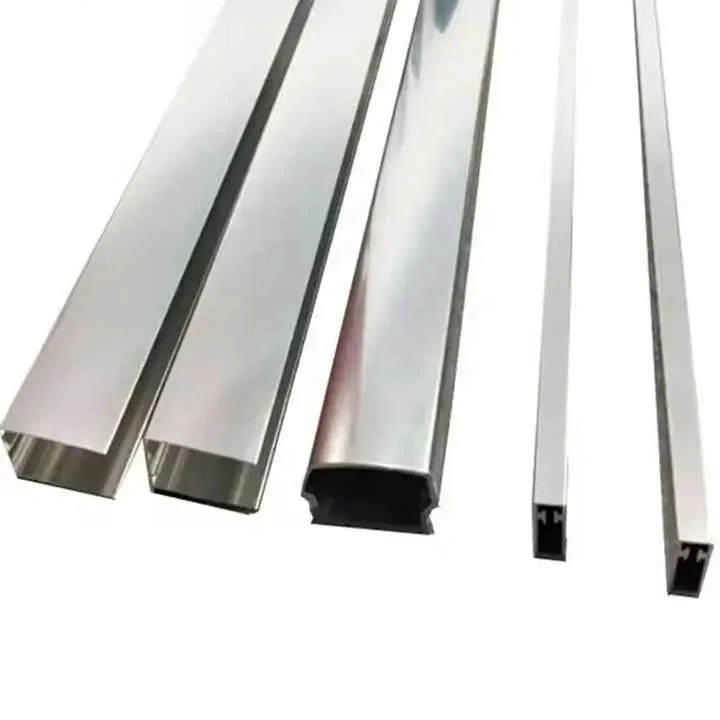
What to compare
| Comparison Item | Why It Matters |
|---|---|
| Price per kilo/length | Lower price may hide lower quality alloys or less finishing control |
| Alloy & certification | Some vendors use lesser‑grade materials which can affect strength and finish |
| Finishing capabilities | If you need anodized or powder coated profiles, check if vendor offers these |
| Tolerances & length accuracy | Poor tolerances mean more assembly issues, scrap or rework |
| Lead time and reliability | Delays in material stop your production and hurt customer commitments |
| Shipping & packaging | Handling damage and shipping surcharges can add hidden cost |
| Minimum order quantity (MOQ) | Smaller orders cost more per unit; affects cost efficiency |
| Vendor support & communication | Clear communication reduces surprises and builds trust |
Risks of not comparing
- You may pay more overall despite lower unit price because of poor finish, high scrap rate or long lead time.
- You might be stuck with a supplier who can’t scale, doesn’t offer finishing you need, or has weak logistics.
- Hidden shipping or packaging cost can erode your margin.
How I approach vendor comparison
When I inspect new vendors, I typically:
- Request sample parts or prototype runs.
- Ask for material certification, finish samples, and photographs of past work.
- Ask for full quote including shipping, packaging, and lead time.
- Visit the vendor (if feasible) or ask for a virtual walk‑through of their facility, tooling, finishing.
- Score vendors on criteria (quality, cost, reliability, flexibility) and pick accordingly.
Comparing extrusion vendors helps prevent delays and unexpected quality issues.True
You can evaluate delivery time, consistency, and support in advance.
All extrusion vendors provide the same finish quality if the profile shape is the same.False
Finishing quality varies greatly between suppliers depending on equipment and process.
How do suppliers ship aluminum extrusion?
Shipping extrusion profiles can present special challenges: long lengths, delicate finishes, potential damage, high shipping surcharges.
Many suppliers ship aluminum extrusion via palletised bundles, wrapped and protected, using LTL or full‑truck freight; shipping length‑based surcharges often apply.

Packaging and shipping methods
- Bundle packaging: Extrusions are often bundled, wrapped with paper interleaves or plastic to prevent scuffs and warping.
- Protective finish handling: Some use stretch wrap to prevent marks, avoiding metal bands.
- Transport mode: Long profiles usually ship via freight/LTL. Small parts may go via parcel services.
- Surcharges and freight class rules: Long items can trigger fees—e.g., 48–71″ or longer lengths add cost.
- Returnable racks: Some high-volume clients get returnable steel racks for large orders.
What to ask suppliers
- What standard packaging do you use for long extrusions?
- Are profiles individually wrapped or interleaved to prevent surface marks?
- What freight carriers do you use? What surcharges apply for lengths above X ft/inches?
- Do you provide tracking and load‑securement documentation?
- How do you minimize damage in transit?
- What is lead time for shipping large volumes?
Shipping aluminum extrusion may incur extra cost based on length.True
Carriers charge surcharges for long, awkward items due to handling complexity.
Suppliers use returnable racks only for small orders.False
Returnable racks are typically used for large or repeated high-volume shipments.
Can bulk orders reduce extrusion costs?
If you only order small runs each time, you might pay premium unit prices, higher logistics cost and incur higher overhead. Bulk ordering offers cost leverage.
Yes — placing bulk orders for aluminum extrusion can reduce unit cost, lower shipping cost per unit, and improve negotiating power with suppliers.
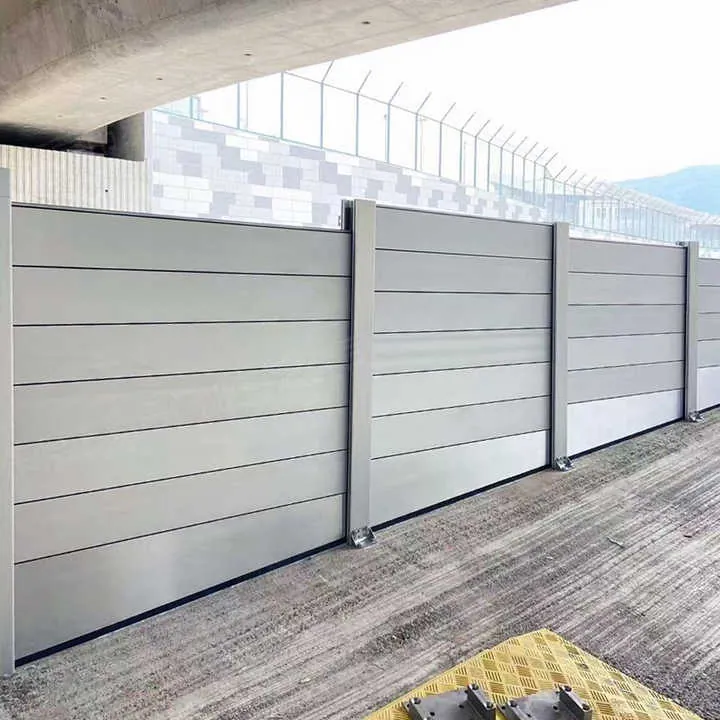
How bulk ordering lowers cost
- Economies of scale: Larger orders reduce tooling amortization and unit production cost.
- Lower freight cost per unit: Freight costs get distributed across more units.
- Supplier incentives: You may receive priority scheduling, better finishing terms.
- Fewer interruptions: Bulk orders reduce frequency of stockouts or rush orders.
- Long-term pricing: You can lock in prices over longer supply periods.
Things to consider
- Storage: You need space for large deliveries.
- Forecasting: Bulk orders require demand planning to avoid excess inventory.
- Cash flow: You tie up more capital in stock.
- Flexibility: You’re locked into certain specs, limiting changes in design.
- MOQ vs mix: It’s cost-effective only if your order meets vendor’s MOQ and includes few profile variations.
Committing to larger order volumes gives you more negotiating power with a quality extrusion supplier.True
Larger volumes often allow better pricing, scheduling priority and better freight terms.
Bulk ordering saves cost only when ordering one standard profile shape.False
You can still benefit by combining multiple profiles or finishes into one large consolidated order.
Conclusion
Choosing where to buy aluminum extrusion means balancing quality, logistics and cost. By selecting suppliers with certified alloys and strong process control, comparing key vendor factors, understanding shipping/packaging costs and leveraging bulk order economics, you position yourself for better margins, shorter lead times and stronger customer satisfaction.