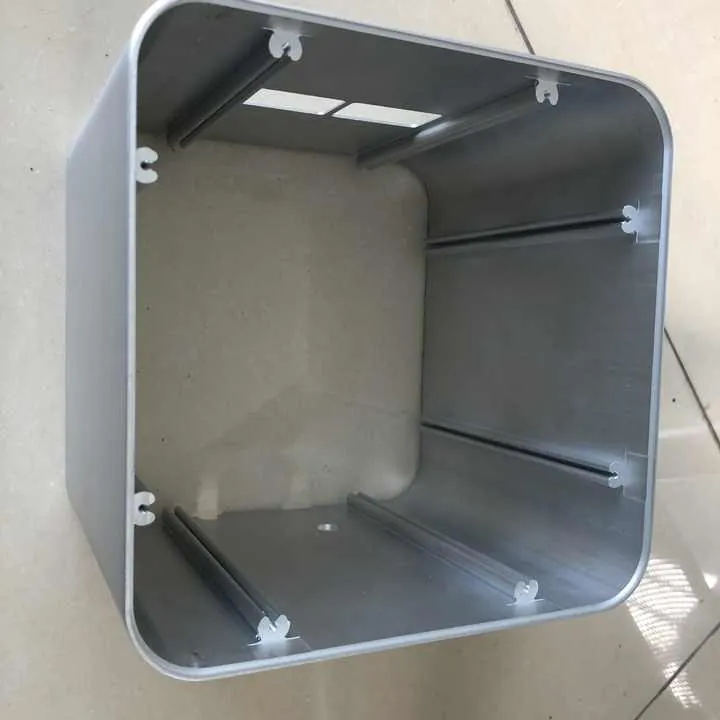
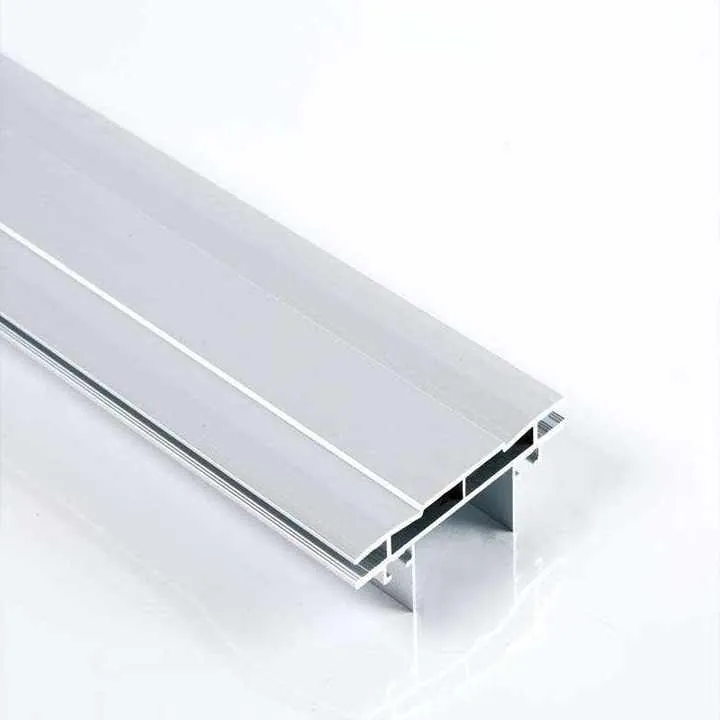
What is metal baffle ceiling?
I know it’s hard to find clear info on metal baffle ceilings. You want a simple guide to what they are and why they matter.
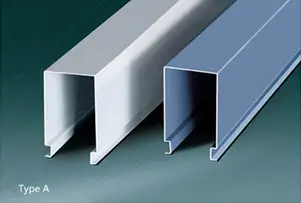
Metal baffle ceilings are decorative and acoustic ceiling systems made of vertical metal slats (baffles) that improve sound and aesthetics.
Let me walk you from the basic concept to real-world use and care.
How are metal baffle ceilings constructed?
I start with framing, then install baffles, and finish with accessories. A solid sub?structure and precise alignment are essential.
Metal baffle ceilings are built by fixing vertical slats to a hidden support system, aligning them for acoustic or visual effects.

Dive deeper
1. Support grid setup
I begin by mapping the ceiling layout on the structural deck or suspension system. I install a grid of carrier rails or mounting channels. These must be level and strong enough to hold panels or baffles. Rails are often T?bars or aluminum frames, spaced according to baffle width.
2. Measurement and spacing
Baffles come in standard widths (50–150?mm) and heights (300–3000?mm). I measure the area and plan spacing. Typical spacing is 10–25?mm between panels. The layout may be linear, curved, or patterned to match design. I mark rail positions accordingly.
3. Attaching baffles
Each baffle is clipped or screwed into the carrier rail. Clips are designed to hold the panel securely without visible fixings. I ensure consistent spacing and alignment by using spacer bars or jig templates. This step demands precision—an offset of just 1–2?mm can distort the visual effect.
4. Integrating services
Once baffles are in place, I install lighting, HVAC diffusers, sprinklers, speakers, or sensors. These integrate seamlessly between baffles. I may cut openings in baffles or leave gaps to accommodate fixtures.
5. Finishing edges
I install edge trims, perimeter mouldings, or fascia panels to close off gaps at walls. This creates a clean finish. Trim types depend on the visual design—sharp right angles or smooth curves.
6. Inspection and adjustment
Once installed, I inspect level, spacing, and alignment. I adjust any baffles that are out of level or misaligned. This ensures a cohesive visual and acoustic finish.
| Construction Phase | Description |
|---|---|
| Grid layout | Map ceiling area and locate support rails |
| Carrier installation | Install T-bars or rails to carry baffles |
| Baffle attachment | Clip or screw panels into position |
| Spacing control | Use spacers or jigs to maintain consistent gaps |
| Service integration | Add lights, HVAC, sprinklers, etc., in between baffles |
| Edge finishing | Install trims or fascia for clean perimeter look |
| Quality check | Verify alignment, spacing, and levelness |
I use jigs, plumb lines, and laser levels at each step. Construction quality matters for acoustic performance and design appeal.
Metal baffle ceilings need visible fixings.False
Baffles are usually clipped to concealed rails, creating a seamless look.
Space between baffles is critical for installation alignment.True
Proper spacing ensures even visual effect and acoustic function.
What benefits do metal baffle ceilings offer?
They combine acoustics, design, airflow, and maintenance ease into a ceiling system. These are the main reasons they are popular.
Metal baffle ceilings deliver improved room acoustics, modern aesthetics, airflow, and easy maintenance.

Dive deeper
Acoustic control
The space between vertical baffles helps absorb sound. When combined with acoustic insulation above, they reduce echo and noise. This makes them ideal for large open interiors like lobbies, offices, or auditoriums. Panels can also be perforated for added absorption.
Aesthetics and design flexibility
Baffles create a clean, linear look. Designers can choose finishes—powder-coated colors, anodized metals, wood grain effects— to match any theme. Configurations can be straight lines, curves, or wave patterns for dynamic design.
Airflow and access
Unlike solid ceilings, baffle design allows natural airflow through gaps. Air can circulate between ceiling and plenum. Access to services is easy—panels can be removed or moved with minimal disruption.
Durability
Metal baffles are fire-resistant, anti-corrosive, and long-lasting. They resist moisture and are suitable for humid or exterior applications. Most come with warranties of 15–25 years.
Low maintenance
Dust collects less in vertical baffle setups. Cleaning is easy with brushing or wiping. Damaged panels can be swapped individually without reworking the ceiling.
Environmental and sustainability
Metal baffle systems often use recycled aluminum or steel. Panels are modular and reusable, reducing waste during renovation.
| Benefit | Description |
|---|---|
| Acoustic improvement | Reduces echo and improves speech clarity |
| Design aesthetics | Custom finishes and patterns for sophisticated visuals |
| Ventilation | Open design aids airflow and HVAC performance |
| Durability | Long-lasting, moisture- and fire-resistant materials |
| Maintenance | Easy to clean and replace individual panels |
| Sustainability | Recyclable materials and modular reuse |
These benefits make metal baffle ceilings ideal for modern commercial and public spaces.
Metal baffle ceilings trap more dust than solid ceilings.False
Vertical slats reduce dust accumulation, and individual panels are easy to clean.
Metal baffle ceilings improve acoustics and airflow.True
The design allows sound absorption and natural ventilation through gaps.
Where are metal baffle ceilings commonly used?
They’re common in commercial buildings, transit areas, education, hospitality, and healthcare thanks to their aesthetics, acoustics, and access features.
Metal baffle ceilings are popular in offices, airports, stadiums, retail, and educational spaces.

Dive deeper
Office environments
Large open offices benefit from improved acoustics and flexible lighting. Baffles allow easy integration of HVAC and lighting while maintaining a clean look.
Transportation hubs
Airports and train stations require durable, fire-safe ceilings. Baffle design supports signage, lighting, HVAC diffusers, and speaker arrays.
Education and auditoriums
Lecture halls and classrooms need good speech clarity. Perforated baffles paired with acoustic insulation reduce echo and improve speech intelligibility.
Retail spaces
Retail stores use baffles to create modern visual appeal while hiding services. Easy access simplifies changes to lighting and signage.
Hospitality and restaurants
Upscale restaurants and lobbies use baffle designs for mood and airflow control. They also simplify maintenance between service periods.
Healthcare facilities
Operating theaters, labs, and clinics require cleanable, moisture-resistant ceilings that allow easy equipment access.
| Location | Why it’s used |
|---|---|
| Offices | Acoustic control, modern look, easy access |
| Airports/Stations | Durable, service access, fire-safe |
| Schools/Auditoria | Sound clarity, hygiene, service integration |
| Retail spaces | Design flexibility, maintenance access |
| Restaurants/Lobbies | Atmosphere, cleanliness, airflow |
| Hospitals/Labs | Moisture-resistant, cleanable, accessible |
Their adaptability in pattern, color, and function makes baffle ceilings a solid choice for diverse interior spaces.
Metal baffle ceilings are a poor fit for hospitals.False
They are moisture-resistant, easy to clean, and ideal for healthcare environments.
Auditoria benefit from baffle ceilings for improved speech clarity.True
Perforated baffles reduce reverberation and improve acoustics significantly.
What maintenance is required for metal baffle ceilings?
These ceilings are low-maintenance, but some regular care keeps them looking and performing their best.
Maintenance usually involves dusting, spot cleaning, and occasional panel inspection or replacement.

Dive deeper
Routine dusting
I recommend dusting every 6–12 months using microfiber cloths or soft brushes. A vacuum with a soft brush attachment helps clean the top of baffles. Routine care maintains aesthetics and improves air quality.
Spot cleaning
For fingerprints or stains on powder-coated or anodized finishes, a damp microfiber cloth with mild soap is best. Rinse and dry thoroughly to avoid spotting. Avoid abrasive cleaners that can damage paint or finish.
Component inspection
Once or twice a year, I inspect the grid. I look for loose clips or trim panels. I tighten loose screws and secure any baffles that shifted. If a panel is dented or scratched, I can individually replace it.
Deep cleaning & disinfection
In healthcare or food areas, deep cleaning is needed. I use disinfectants safe for metal. Follow manufacturer instructions to prevent damage to protective coatings.
Preventive checks
I check for corrosion or finish damage, especially in humid or coastal environments. Reapply touch-up paint or coating as needed. If docked by vibration, I re-secure clips or supports.
Long-term replacement
Expect 15–25 years of usable life. Individual baffle panels can be replaced if damaged or outdated. This avoids full ceiling removal and saves cost.
| Task | Frequency | Notes |
|---|---|---|
| Dusting | Every 6–12 months | Use microfiber or vacuum brush |
| Spot cleaning | As needed | Mild soap, soft cloth, rinse and dry |
| Inspection | Annually | Check clips, trims, alignment |
| Deep cleaning | 1–2× year | Especially for hygiene-sensitive areas |
| Touch-up coating | As needed | In corrosive or high-use areas |
| Panel replacement | As needed | Replace individual damaged parts |
Maintenance is easy thanks to accessible design and durable materials. A little effort keeps the ceiling functional and stylish long-term.
Metal baffle ceilings need daily cleaning.False
Dusting every 6–12 months is generally enough; deeper cleaning is infrequent.
Damaged baffles can be replaced individually.True
Panels are modular and can be swapped without disturbing the whole ceiling.
Conclusion
Metal baffle ceilings blend sound control, visual appeal, airflow, and durability into a smart ceiling option. They are used widely in offices, transit, hospitality, healthcare, and schools. With minimal maintenance and high flexibility, they’re an efficient and modern solution for many spaces.
If you want help with material selection, layout design, acoustic performance, or maintenance planning, I can assist you from concept to care.