What Is Hard Anodized Finish For Aluminum Profiles?
When a customer needs aluminum profiles that can survive extreme wear, heat, or harsh environments, a standard anodized finish might not be enough.
Hard anodized finish is a thicker and more durable form of anodizing that provides enhanced wear resistance, corrosion protection, and surface hardness for aluminum profiles.
This finish is often used in aerospace, military, and industrial settings. But what exactly makes it different? Let’s break it down step by step.
How Is Hard Anodizing Different From Standard Anodizing?
Hard anodizing and standard anodizing might sound similar, but their performance and use cases are vastly different.
Hard anodizing creates a much thicker, denser oxide layer than standard anodizing, offering superior resistance to wear, abrasion, and high temperatures.
Key Differences at a Glance
| Feature | Standard Anodizing | Hard Anodizing |
|---|---|---|
| Oxide Layer Thickness | 5–25 μm | 25–100 μm |
| Hardness | Up to 250 HV | Up to 500 HV |
| Temperature Resistance | Moderate | Very High |
| Color Options | Wide | Mostly gray or dark |
| Applications | Decorative, architectural | Industrial, aerospace |
The Process Variation
Hard anodizing is done in colder electrolytic baths (often near freezing), using higher current densities. This creates a compact oxide structure that penetrates deeply into the surface, offering better performance against mechanical stress and corrosion.
Summary
Hard anodizing is not about looks. It’s about performance, especially where strength, longevity, and stability are critical.
Hard anodizing produces a thicker and denser oxide layer compared to standard anodizing.True
Hard anodizing forms a much thicker and more compact oxide layer, typically 25–100 μm.
Standard anodizing always results in stronger and more abrasion-resistant aluminum.False
Standard anodizing focuses more on appearance and light corrosion resistance, not heavy-duty mechanical strength.
What Are The Mechanical Properties Of Hard Anodized Aluminum?
Most of my industrial clients choose hard anodizing for its unmatched durability. But what does that really mean in terms of measurable properties?
Hard anodized aluminum offers high surface hardness, excellent abrasion resistance, and stable performance under high mechanical stress and heat.
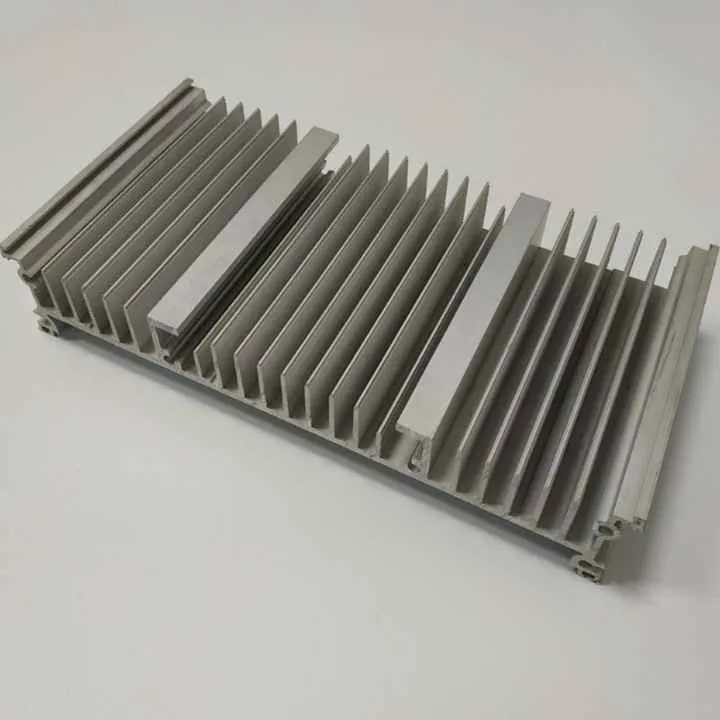
Hardness
Hard anodized surfaces can reach 400–500 Vickers (HV), sometimes even higher depending on the alloy and process. That’s comparable to some types of steel.
Wear Resistance
Thanks to its dense oxide layer, hard anodized aluminum resists scratching, abrasion, and surface fatigue much better than standard coatings.
Corrosion Resistance
The sealed anodic layer provides excellent protection in chemical environments and humid or marine conditions.
Thermal Stability
The finish can withstand temperatures up to 400°F (200°C) without degradation, making it ideal for high-heat applications.
Electrical Insulation
Hard anodized layers are non-conductive. This can be a benefit in electronic housing or where insulation is needed.
Summary Table
| Property | Value Range |
|---|---|
| Surface Hardness | 400–500 HV |
| Oxide Layer Thickness | 25–100 μm |
| Operating Temperature | Up to 200°C |
| Electrical Conductivity | Non-conductive |
| Wear Resistance | Excellent |
Hard anodized aluminum is non-conductive due to its thick oxide layer.True
The anodized oxide layer acts as an electrical insulator.
Hard anodizing weakens the structural integrity of aluminum.False
Hard anodizing strengthens the surface without affecting the internal structure of the aluminum.
What Applications Benefit From Hard Anodized Aluminum Profiles?
Some projects need more than just basic protection or decoration. That’s where hard anodized aluminum shines.
Industries like aerospace, military, marine, and heavy machinery use hard anodized aluminum profiles for their resistance to wear, corrosion, and high heat.

Common Use Cases
-
Aerospace Components
Ideal for parts exposed to high friction, pressure, and varying temperatures. -
Military Equipment
Used in rugged enclosures, mounts, and structural parts that must survive in harsh conditions. -
Medical Devices
Smooth, sealed surfaces that resist contamination and are easy to sterilize. -
Automotive Systems
High-performance engine parts or suspensions that face heat and mechanical wear. -
Marine Hardware
Strong resistance to saltwater corrosion makes it perfect for boat frames and deck components.
Summary Table
| Industry | Component Examples |
|---|---|
| Aerospace | Hydraulic actuators, connectors |
| Military | Structural brackets, optical mounts |
| Marine | Housings, railings, structural frames |
| Medical | Surgical trays, diagnostic equipment |
| Automotive | Pistons, turbocharger casings |
Hard anodized finishes offer a combination of low weight and high strength—perfect for applications where performance matters most.
Hard anodized aluminum is used in aerospace and marine sectors due to its high durability and corrosion resistance.True
The thick oxide layer offers long-term protection in demanding environments.
Hard anodizing is best suited for temporary or decorative use only.False
Hard anodizing is an industrial finish designed for mechanical performance, not just aesthetics.
How Do You Maintain And Inspect Hard Anodized Surfaces?
Even though hard anodized aluminum is tough, it still requires proper maintenance to extend its life and performance.
Regular cleaning with mild solutions and periodic inspection for wear or surface damage helps preserve the protective properties of hard anodized aluminum.
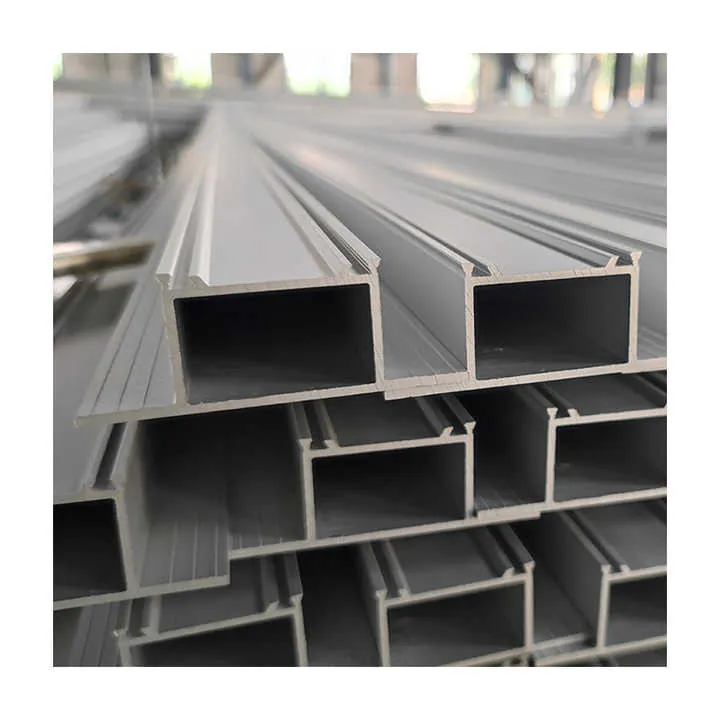
Cleaning Tips
- Use mild, pH-neutral cleaners with soft cloths or non-abrasive brushes.
- Avoid strong alkalis or acids that may degrade the surface.
- Rinse with clean water and dry thoroughly.
Inspection Guidelines
- Look for changes in color, pitting, or wear marks.
- Use a magnifier to spot cracks or delamination in industrial parts.
- In critical applications, ultrasonic or eddy current testing can detect subsurface defects.
Re-Anodizing
If wear or corrosion does occur, re-anodizing may be possible depending on the severity and part design.
Best Practices
| Task | Recommendation |
|---|---|
| Cleaning | Use soft cloth, neutral detergent |
| Inspection Frequency | Quarterly or per operation cycle |
| Storage | Keep dry and clean, avoid direct sunlight |
| Recoating | Evaluate feasibility case by case |
Harsh chemical cleaners are ideal for removing dirt from hard anodized aluminum.False
Harsh cleaners can damage the anodized surface; only mild, pH-neutral solutions should be used.
Periodic visual inspection can help detect early signs of wear or corrosion.True
Regular inspection is essential for early detection and long-term maintenance.
Conclusion
Hard anodizing turns aluminum into a high-performance material. It provides wear resistance, corrosion protection, and mechanical stability—making it the go-to finish for demanding applications in aerospace, marine, and industrial sectors.