
What is Electroplating?
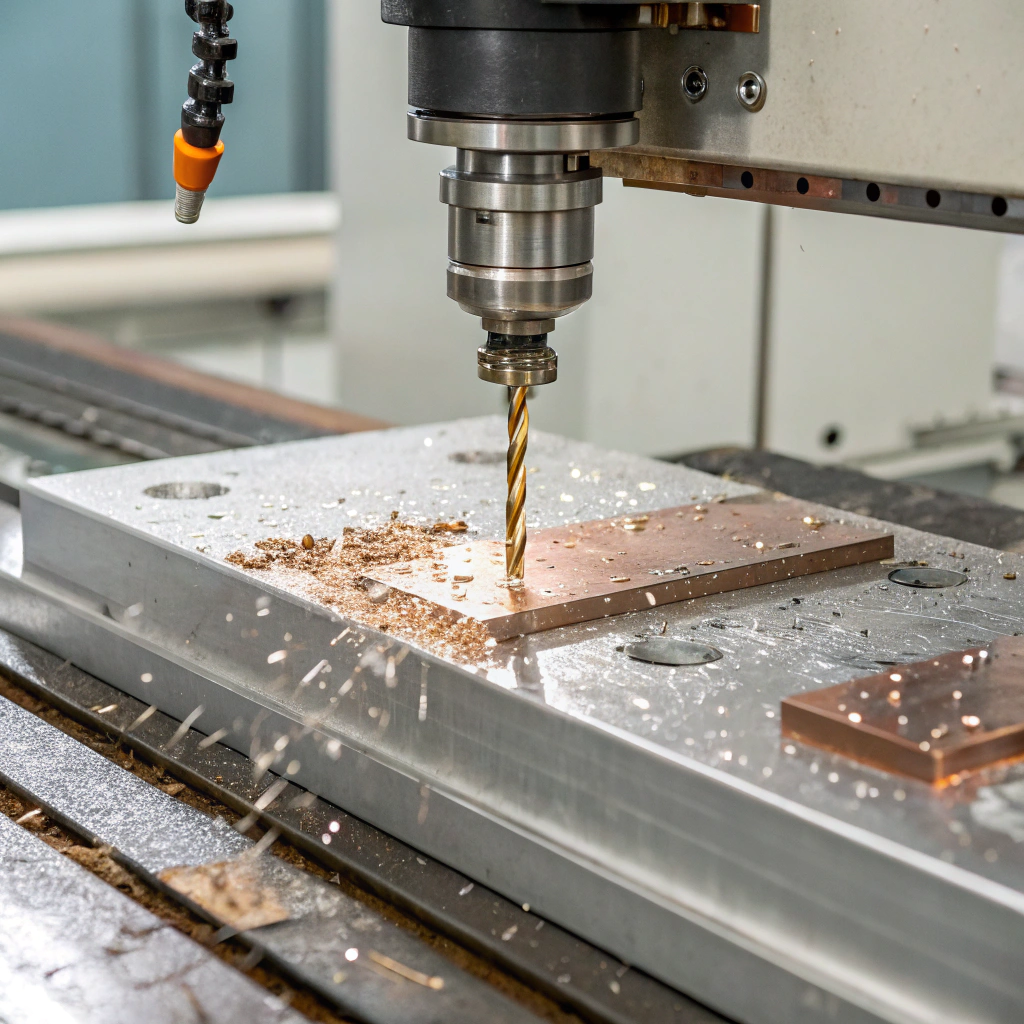
Electroplating is a process where a thin layer of metal is deposited onto the surface of a workpiece using an electrical current. This process is widely used to enhance the appearance, durability, and functionality of metal parts.
Electroplating involves using electricity to coat a metal object with a thin layer of another metal. This provides benefits such as improved corrosion resistance, enhanced appearance, and increased wear resistance.
If you’ve ever wondered how jewelry, car parts, or electronic components get their shiny, durable finish, electroplating might be the answer. Let’s explore what electroplating is and why it’s such an essential technique in various industries.
What Are the Benefits of Electroplating Services?
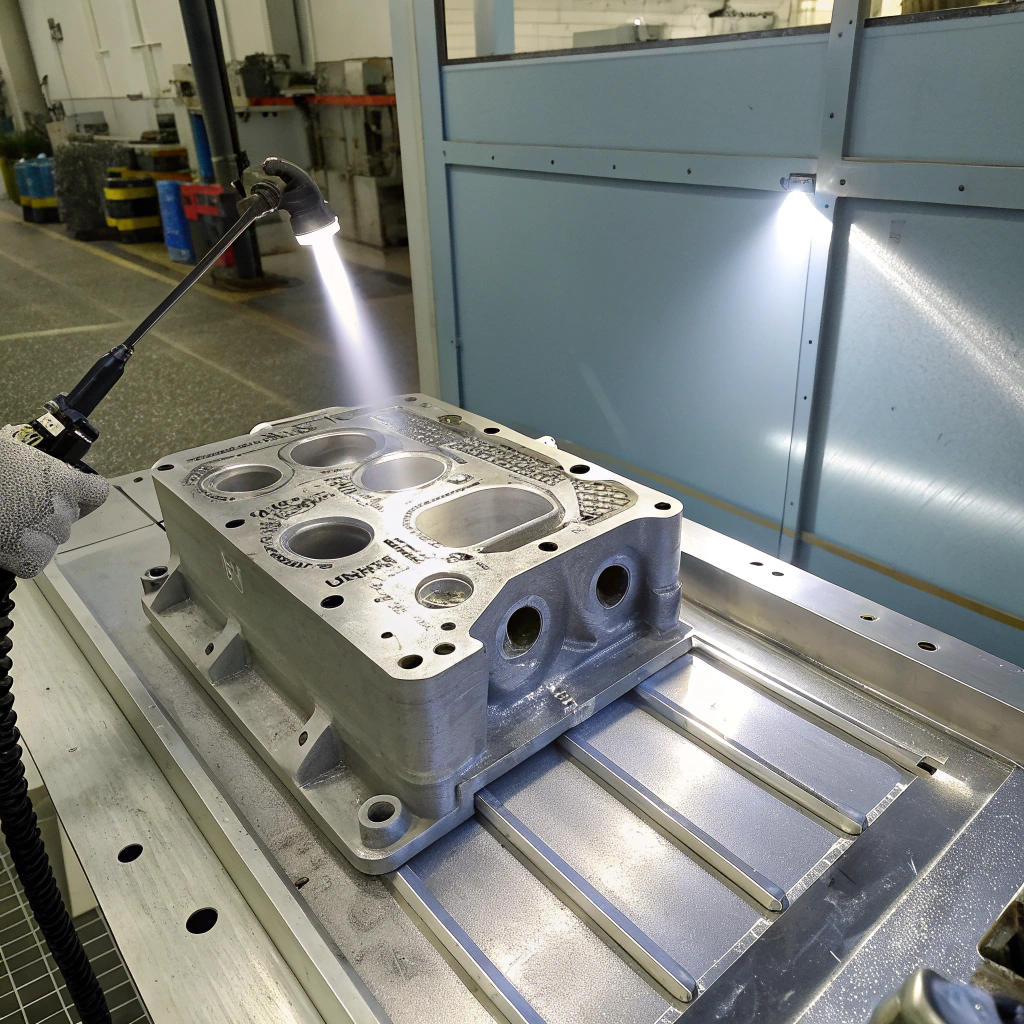
Electroplating improves the aesthetic and functional properties of metal components by enhancing corrosion resistance, wear resistance, and appearance. It’s also a cost-effective way to upgrade parts.
Electroplating is a popular process in various industries, including automotive, electronics, jewelry, and manufacturing. The primary reason businesses opt for electroplating is its ability to improve the performance of metal components without altering their basic structure. But there are many other benefits as well.
How Does Electroplating Improve Metal Parts?
Electroplating involves the use of an electrical current to deposit a thin layer of metal onto a base material. The benefits of electroplating are numerous, and here are some of the most important ones:
-
Enhanced Corrosion Resistance
One of the key reasons for electroplating is to protect the base material from rust and corrosion. Metals like gold, silver, and nickel are commonly used in electroplating because they form a protective layer that shields the underlying metal from environmental elements. -
Improved Wear Resistance
Electroplating can improve the wear resistance of parts, which is crucial for components that experience friction. This is why electroplating is often used for parts like gears, bearings, and valves that operate under high-stress conditions. -
Aesthetic Appeal
Electroplating is also used to enhance the appearance of products. For example, gold plating is commonly used for jewelry, while chrome plating gives car parts a shiny, attractive finish. Electroplating allows for a wide range of finishes, from shiny and reflective to matte and subdued. -
Cost-Effective Solution
Instead of replacing expensive components, electroplating can be a more cost-effective solution. By adding a thin layer of a more durable or attractive material, manufacturers can extend the life of parts without the need for costly replacements. -
Electrical Conductivity
In some cases, electroplating is used to improve electrical conductivity. For example, gold and silver plating are commonly applied to electrical connectors and components to enhance their conductivity and reduce signal loss.
How to Apply Electroplating to Metal Components?
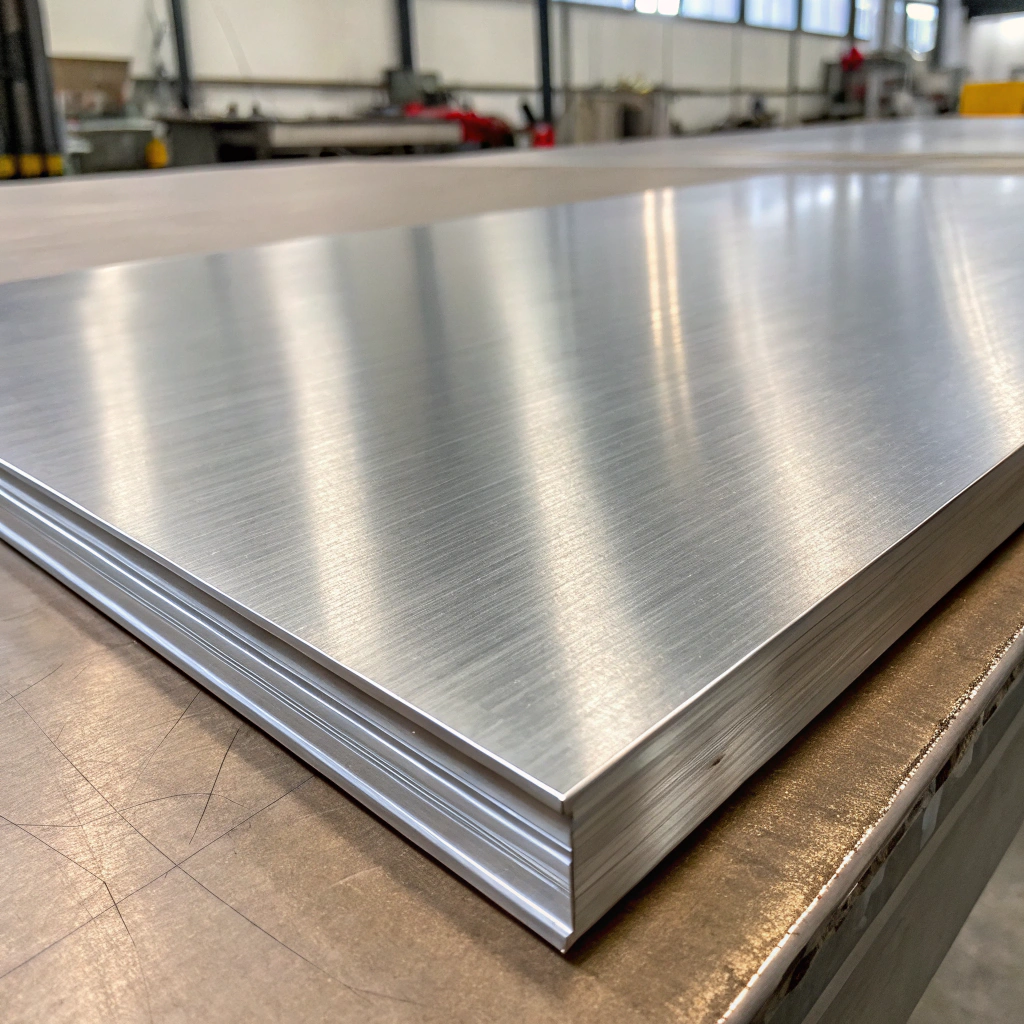
The electroplating process involves cleaning the metal part, preparing the plating bath, and using an electric current to deposit the metal. The process can be adapted to various materials and metal types.
Electroplating may seem like a complex process, but it follows a straightforward series of steps. If you’re considering electroplating for your metal components, understanding how the process works is essential. Here’s a breakdown of how electroplating is applied to metal components:
Step 1: Surface Preparation
The metal part to be electroplated must be thoroughly cleaned before the plating process begins. Any dirt, oils, or other contaminants can interfere with the bonding of the electroplated layer. Common methods of cleaning include:
- Ultrasonic cleaning: High-frequency sound waves are used to remove contaminants from the metal surface.
- Acid cleaning: The part is dipped in an acidic solution to remove oxide layers and rust.
- Mechanical cleaning: Abrasives or sandblasting can be used to remove dirt and scale.
Proper surface preparation is crucial for achieving a high-quality electroplated finish.
Step 2: Electroplating Bath Preparation
The next step involves preparing the electroplating bath, which contains a solution of metal salts (such as nickel or gold) dissolved in a suitable electrolyte. The bath must be carefully prepared to ensure the correct concentration of metal salts, temperature, and pH level for the desired finish.
Step 3: Electroplating Process
Once the bath is prepared, the metal part is immersed in the solution. An electric current is then applied, causing metal ions to migrate toward the part’s surface, where they are reduced and deposited as a thin metallic layer. The thickness of the plating can be controlled by adjusting the current and bath parameters.
Step 4: Post-Plating Treatment
After electroplating, the part may require additional treatment. This can include:
- Rinsing: The part is rinsed to remove any residual chemicals or plating solution.
- Polishing: The electroplated surface is polished to achieve the desired finish, whether matte, glossy, or satin.
- Heat Treatment: In some cases, the plated part may be heated to enhance the plating’s durability or adhesion.
Step 5: Inspection
Finally, the plated part undergoes thorough inspection to ensure it meets the desired specifications. This might include checking the thickness, uniformity, and adhesion of the plated layer.
What Are the Emerging Trends in Electroplating Finishing?
Emerging trends in electroplating focus on sustainability, precision, and advanced materials. The future of electroplating is being shaped by new technologies and environmental concerns.
The electroplating industry is evolving, driven by advancements in technology and increasing demand for more sustainable processes. Let’s explore some of the key trends that are shaping the future of electroplating.
1. Sustainable Electroplating
As industries become more environmentally conscious, sustainable electroplating methods are gaining popularity. Traditional electroplating processes can generate hazardous waste, but there is a growing trend toward using less toxic chemicals and reducing waste production. Some key developments include:
- Green electroplating: The use of eco-friendly plating solutions that eliminate the need for toxic chemicals like cyanide and hexavalent chromium.
- Waste reduction: Improvements in bath management and filtration systems are reducing the waste produced during electroplating.
- Recycling: The recovery and reuse of plating solutions to minimize resource consumption and waste.
2. Nano-Plating
Nano-plating is an emerging trend that involves applying ultra-thin layers of metal at the nanoscale. This technique offers several advantages:
- Precision: Nano-plating allows for precise control over the thickness and properties of the electroplated layer.
- Enhanced properties: Nano-plating can create coatings with unique properties, such as increased wear resistance, corrosion resistance, and even antimicrobial properties.
- Miniaturization: This technology is particularly useful in electronics and other high-tech industries, where components are getting smaller and smaller.
3. Automation and Precision Electroplating
Automation in electroplating is becoming more common as manufacturers seek to improve efficiency and consistency. Automated systems can control the electroplating process with great precision, ensuring uniform coating thickness and reducing human error. Additionally, precision electroplating technologies are being developed to meet the demands of industries requiring extremely thin and uniform coatings, such as the semiconductor and medical device industries.
4. Advanced Coatings for Specific Applications
With the growing demand for specialized materials, electroplating is being used to create coatings tailored to specific applications. These include:
- Wear-resistant coatings: Electroplated coatings are increasingly used to enhance the durability of parts exposed to high friction, such as automotive components, industrial machinery, and aerospace parts.
- Electrical connectors: The demand for electroplated coatings on electrical connectors is growing due to the need for improved conductivity and corrosion resistance in the electronics industry.
- Biomedical coatings: Electroplated coatings are being used in medical implants and devices to enhance biocompatibility and resistance to corrosion in the human body.
Conclusion
Electroplating is a powerful technique used to enhance the properties of metal parts, offering benefits like improved corrosion resistance, wear resistance, and aesthetic appeal. As technology advances, new trends like sustainable practices, nano-plating, and automation are shaping the future of electroplating, making it even more efficient and versatile for a wide range of industries.