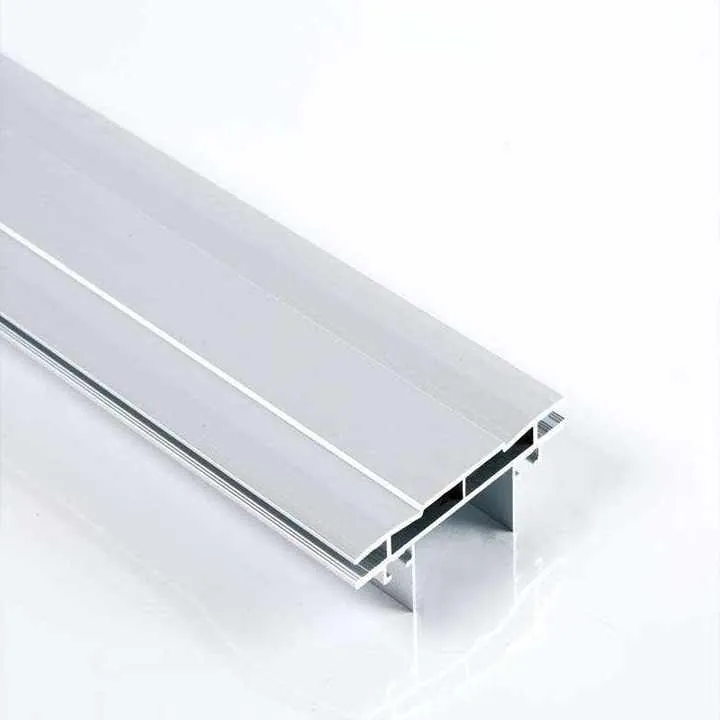
What is an Extruded Heat Sink?
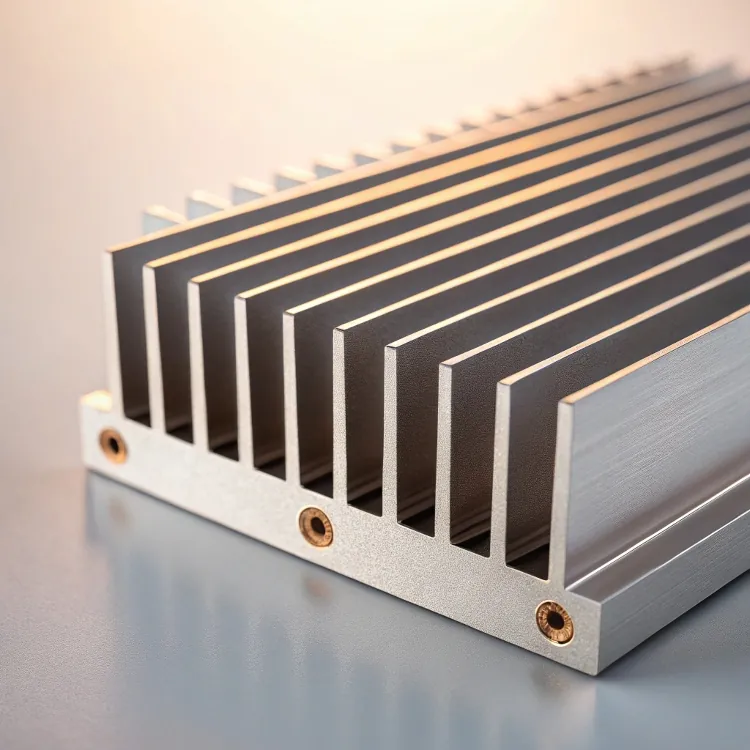
Many engineers struggle to keep electronics cool without breaking the budget. Traditional heat sink options are often expensive, slow to customize, and hard to manufacture.
An extruded heat sink is a type of thermal management component made by pushing aluminum through a shaped die, offering cost-effective cooling with flexible design options.
These heat sinks are ideal for high-volume applications that need efficient heat dissipation and mechanical reliability. Let’s explore how they’re made, how to design them effectively, and what to know before ordering in bulk.
Extruded Heat Sink Design Phase Communication?
Good design starts with clear conversations. But many customers don’t know what to ask or share during early-stage discussions with suppliers.
Design phase communication for extruded heat sinks includes sharing thermal targets, space constraints, airflow direction, and mounting needs to create a functional and manufacturable product.

When I first began working with extruded heat sinks1, I underestimated the importance of design conversations. I thought a basic drawing was enough. But my supplier needed more. They asked about airflow, power density, and how the part would be mounted. This changed how I prepare.
What to Discuss with Suppliers Early
| Design Element | What to Share |
|---|---|
| Heat Load | Wattage to dissipate |
| Airflow Direction | Natural or forced, direction of flow |
| Mounting Type | Screws, clips, thermal tape |
| Envelope Dimensions | Maximum width, height, length |
| Surface Treatments | Anodizing, powder coating, bare metal |
Benefits of Transparent Communication
If customers clearly define their expectations, engineers can create better dies and avoid delays. A good design talk early on means fewer changes later.
Clear design communication with suppliers reduces manufacturing delays and improves performance.True
Early conversations help engineers align the heat sink with actual system needs.
Suppliers can design efficient heat sinks without knowing thermal loads or airflow conditions.False
Thermal load and airflow are key inputs for any thermal design process.
Aluminum Heat Sink Preliminary Quotation?
Some buyers rush to get prices before finalizing designs. But accurate quotes need more than a sketch. Lack of details leads to vague costs and missed expectations.
A preliminary quotation for aluminum heat sinks requires a 2D or 3D drawing, approximate order volume, surface treatment needs, and packaging expectations.

When I request quotations from new clients, I often get questions like, “Can you quote just based on this photo?” But real costs depend on things like weight, machining, and finishing.
Quotation Essentials
| Quotation Input | Why It’s Needed |
|---|---|
| Technical Drawing2 | To calculate profile weight and CNC steps |
| Surface Finish Request2 | Impacts cost of anodizing or powder coating |
| Annual Quantity Estimate | Guides die cost amortization |
| Packaging Requirement | Changes shipping cost and material choice |
Factors that Change Pricing
Extrusion costs are tied to profile complexity, alloy type, and tolerances. CNC machining adds extra costs. Custom packaging adds both time and money. So even a 1mm change can shift the quote.
A complete technical drawing improves accuracy of preliminary aluminum heat sink quotes.True
Drawings help suppliers understand the geometry, which affects die cost and material use.
Aluminum heat sink prices remain constant regardless of surface treatment or packaging method.False
Different finishes and packaging types directly impact overall cost.
Custom Heat Sink Technical discussions?
Buyers often expect suppliers to handle all technical choices. But without clear dialogue, suppliers can’t make smart trade-offs or foresee problems.
Technical discussions for custom heat sinks involve reviewing thermal simulations, CNC specs, mounting methods, and any functional coatings or post-processing needs.
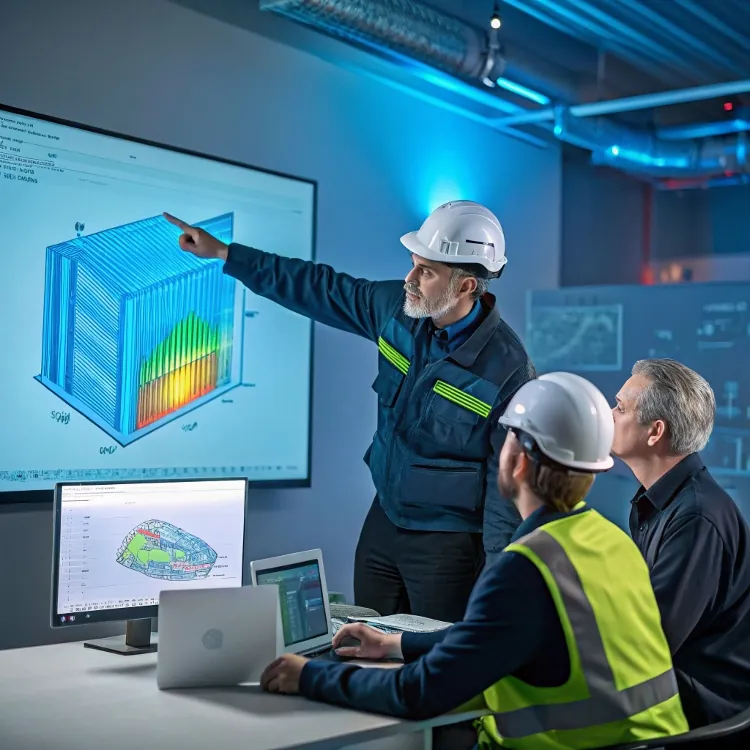
I’ve learned that the more questions I ask, the better the result. I always ask about thermal resistance3, airflow modeling, and if the CNC features are practical for mass production.
Critical Technical Topics
| Topic | What to Discuss |
|---|---|
| Thermal Resistance | Required °C/W target |
| Machining Steps | Number of cuts, tolerances |
| Mounting Locations | Holes, slots, or embedded nuts |
| Coating Needs | For aesthetics, conductivity, or corrosion |
Involving Engineering Teams
Some clients only include purchasing in early talks. But bringing engineers into technical meetings reduces future rework. They ask about tolerances, flatness, and conductivity that purchasers may not consider.
Involving engineers in early heat sink discussions helps avoid later design changes.True
Engineers catch design risks early, such as tolerance issues or improper mounting.
Heat sink technical meetings are only necessary for fully custom designs.False
Even standard parts with added machining need careful review to avoid mismatch.
Extruded Heat Sink Bulk Production?
Bulk production isn’t just “press and ship.” Without planning, mass orders risk delays, defects, and packaging issues. Many buyers are surprised by production lead times and MOQs.
Bulk production of extruded heat sinks includes die creation, sample approval, raw material sourcing, extrusion, CNC machining, finishing, inspection, and packaging.
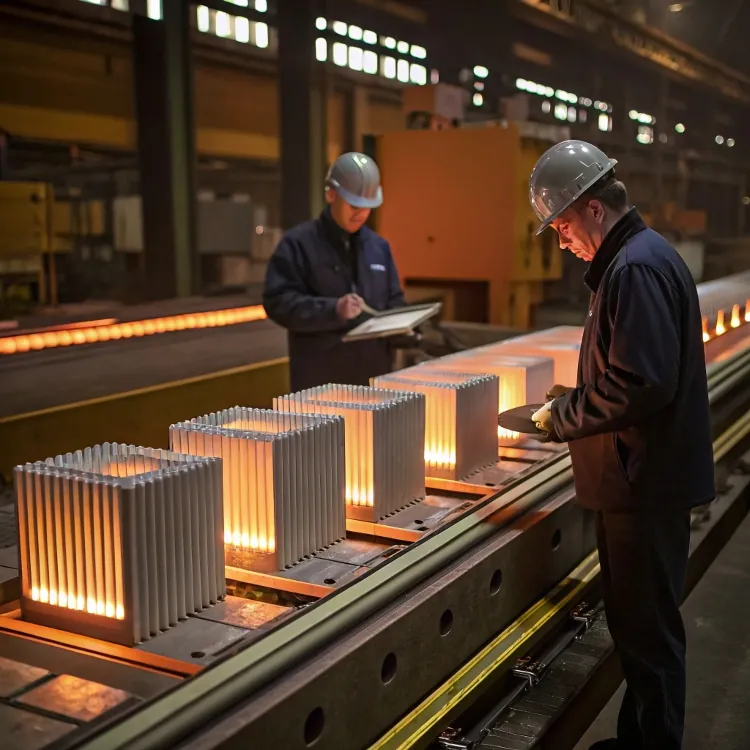
Once a design is finalized and quoted, production begins with die making. This die is tested with a first sample run. After approval, materials are scheduled, and mass extrusion begins. If surface treatments are required, those are done before final QC and shipment.
Bulk Production Process Overview
| Production Stage | Timeframe | Key Notes |
|---|---|---|
| Die Creation | 7–15 days | Custom dies affect MOQ and cost |
| Sample Approval | 5–7 days | Includes profile and surface check |
| Mass Extrusion4 | 3–10 days | Depends on order size and alloy |
| Surface Treatment5 | 3–7 days | Includes anodizing or powder coat |
| Final Packaging | 2–4 days | Custom boxes may add time |
Common Production Delays
Unclear drawings, late sample approvals, or missed payments cause delays. Planning bulk orders with buffer time helps avoid these issues.
Mass production of heat sinks includes multiple steps beyond extrusion, such as surface finishing and inspection.True
Each step adds time and must be planned to ensure final quality.
Once extrusion begins, all aluminum heat sinks can be shipped the same day.False
Post-extrusion steps like finishing, QC, and packing take additional time.
Conclusion
Extruded heat sinks offer a smart mix of performance, cost, and customization. But getting the best results depends on clear communication, technical planning, and realistic production timelines.
-
Explore this resource to understand the essential design practices for extruded heat sinks, ensuring optimal performance and efficiency. ↩
-
Exploring how surface finishes impact costs can help you make informed decisions for your project. ↩ ↩
-
Understanding thermal resistance is crucial for optimizing heat sink performance and ensuring effective thermal management in designs. ↩
-
Exploring mass extrusion will provide insights into its significance and impact on production efficiency and quality. ↩
-
Learning about surface treatments can enhance your knowledge of how they affect performance and durability of heat sinks. ↩