What is an aluminum extrusion?

I’ve seen many people ask: what exactly counts as an aluminum extrusion? Let’s clarify what it is, how it differs from casting, where it’s used, and whether it truly improves structural strength.
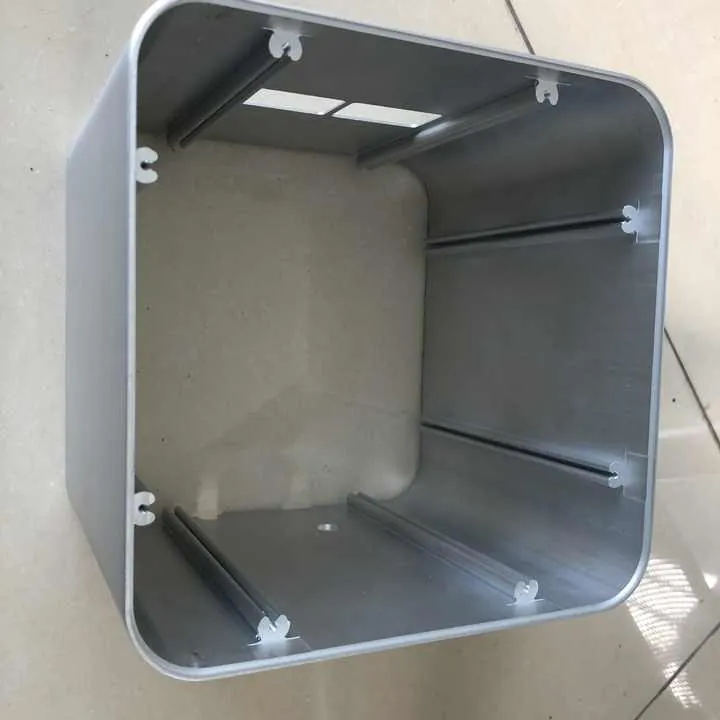
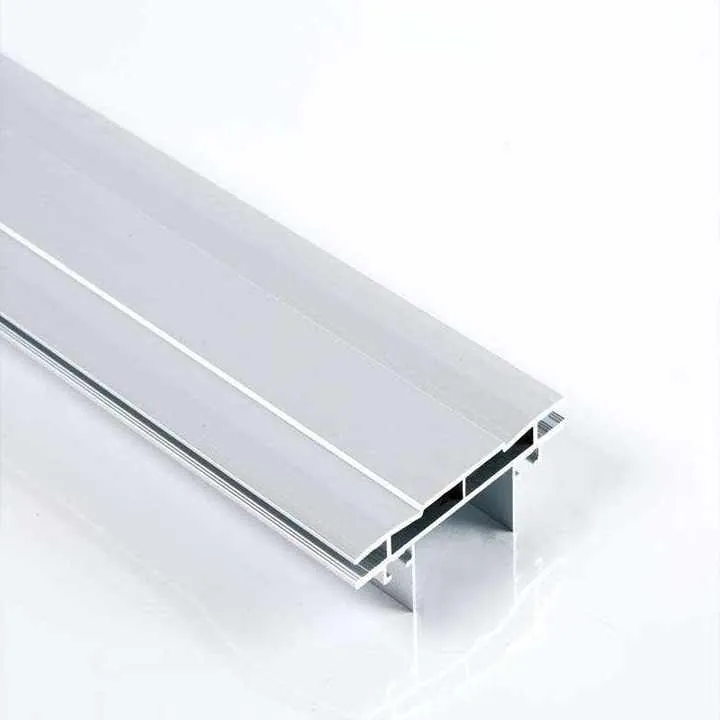
An aluminum extrusion is a long piece of aluminum alloy that is forced through a shaped opening (die) to create a consistent cross‑sectional profile, delivering lightweight, strong, complex shapes for many applications.
We’ll walk through four key questions to unpack this fully.
How is an aluminum extrusion defined?
Imagine you have a block of aluminum, you heat it, and you force it through a shaped die so the extruded piece comes out with the exact shape of the die’s opening. That is the core of the definition: you begin with a billet (solid cylinder of alloy), heat it until it’s pliable, then use a press or ram to push it through the die.
An extrusion forms a uniform cross‑section, solid or hollow, shaped by the die used during pressing.

How the process works
Here’s a simplified step‑by‑step:
- A billet of aluminum alloy is selected.
- The billet is heated (for many alloys around 800‑900 °F or so).
- The billet is placed in an extrusion press with a shaped die.
- A ram forces the billet through the die, producing a profile.
- The extruded piece is cooled, straightened, cut and possibly heat‑treated.
Key characteristics
- Profiles can be solid, hollow or semi‑hollow.
- The cross‑section is continuous and consistent.
- Complex designs can be embedded (like slots, chambers, ridges).
An aluminum extrusion is produced by forcing a heated aluminum billet through a shaped die.True
This matches the standard definition of the extrusion process for aluminum alloys.
An aluminum extrusion can only be a solid rectangular bar with no hollows or complex shapes.False
In fact extrusions can be hollow, semi‑hollow or have very complex cross‑sections as long as they maintain the die‑profile throughout the length.
Why extrusion differs from casting?
People often confuse extrusion with casting. They both shape metal—but they do it differently.
Extrusion pushes solid (heated) aluminum through a die; casting pours molten aluminum into a mold.

Key differences
| Feature | Extrusion | Casting |
|---|---|---|
| Starting state | Solid billet (heated) | Molten aluminum |
| Process | Forced through die | Poured into mold |
| Shape result | Uniform cross‑section | 3D shape with varied thickness |
| Porosity | Low (dense structure) | Higher (risk of shrinkage/voids) |
| Design flexibility | Cross‑section limited | Full 3D shape control |
| Mechanical strength | Higher (often work‑hardened) | Lower (unless treated) |
Casting allows more freedom for curved or variable geometry parts. But extrusions provide stronger, cleaner profiles with excellent dimensional consistency.
Casting allows for more complex 3‑D geometries than extrusion.True
Casting of molten metal into molds can capture complex 3‑D shapes, while extrusion is best for constant cross‑section profiles.
Extruded aluminum profiles always contain porosity similar to cast aluminum parts.False
Extrusion generally produces denser, more uniform micro‑structures with less porosity than many cast components.
Where extrusions are applied?
Extrusions are used almost everywhere modern metal structures exist—from architecture to electronics.
Extruded aluminum profiles are found in construction, transportation, industrial machinery, electronics, energy, and consumer goods.

Application areas
- Architecture: Window frames, curtain walls, handrails, awnings.
- Transportation: EV battery enclosures, frames, rails, load supports.
- Industrial machinery: Structural frameworks, workstations, safety guards.
- Electronics: Heat sinks, equipment enclosures, cable trays.
- Solar energy: Mounting brackets, racking structures, panel frames.
- Furniture and fixtures: Support bars, rails, decorative trim.
Why it’s chosen
- Lightweight yet strong
- Corrosion‑resistant (especially with anodizing)
- Can integrate functional features into one profile
- Easily fabricated: cut, drilled, joined with brackets
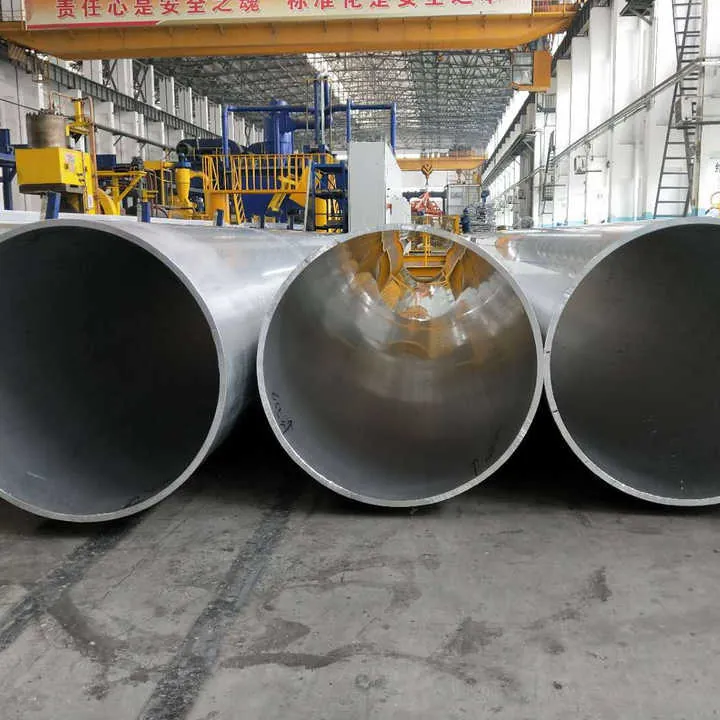
Table of uses and matching benefits
| Industry | Common Use | Extrusion Advantage |
|---|---|---|
| Building | Window frame | Lightweight, weatherproof, aesthetic finish |
| Automotive | Battery tray | Custom shapes, strong and light |
| Machinery | Modular frame | T‑slots allow fast assembly |
| Electronics | Heat sink | Thermal conductivity, custom fins |
| Energy | Solar racking | Corrosion resistance, long spans |
Aluminum extrusions are suitable for long, consistent cross‑section profiles in many industries.True
Because the process is designed for forcing aluminum through a die with a consistent cross‑section, extrusions are very efficient for long profiles of uniform geometry.
Aluminum extrusions are always the best choice for any metal part with any geometry.False
Extrusion has size and shape constraints (must be consistent cross‑section) and for very complex shapes or very large components casting or forging may be more appropriate.
Can extrusion improve structural strength?
Some assume extrusion is only for simple profiles, not strong ones. That’s a mistake.
Extruded aluminum often performs better structurally than cast parts due to improved internal structure, grain alignment, and cross‑section control.
How extrusion strengthens a part
- Grain alignment: Metal flow during extrusion aligns grains, improving directional strength.
- Low porosity: Fewer internal defects than casting.
- Cross‑section optimization: Designers can build strength into shape—like multi‑chambers or I‑beams.
- Post‑processing: Tempering and aging further enhance strength.
Design and material impact
- Alloy selection: 6061-T6, 6063-T5 and other alloys balance strength, machinability, and corrosion resistance.
- Profile geometry: A well‑designed extrusion can outperform a solid bar by distributing material better.
- Joining methods: Bolts, T‑slots, welds or brackets integrate into profiles for modular strength.
When it doesn’t help
- Not all extrusions are stronger than all castings.
- Under heavy, cyclic loading, aluminum may need reinforcement.
- Long spans may require thicker walls or hybrid structures.
Extruded aluminum profiles generally offer better structural performance than equivalent cast aluminum parts.True
Because extruded parts have better material integrity (less porosity), refined microstructure from deformation, and allow optimized geometry, they often outperform equivalent cast parts in structural applications.
Using aluminum extrusions automatically ensures a stronger part than using steel, all else equal.False
While extruded aluminum has structural advantages, steel often has higher modulus and strength; whether aluminum is ‘stronger’ depends on design, load, geometry and material selection.
Conclusion
We’ve covered what aluminum extrusion is, how it differs from casting, where it’s used, and how it can improve strength. Extrusion delivers lightweight strength, complex design options, low waste, and versatile use across industries—from windows to EVs to industrial machines.