What is aluminum scaffolding?

Scaffolding can be heavy, rust‑prone, and hard to move. That makes work slow and risky. Aluminum scaffolding gives a light, rust‑free, easy solution that speeds up work and keeps workers safer.
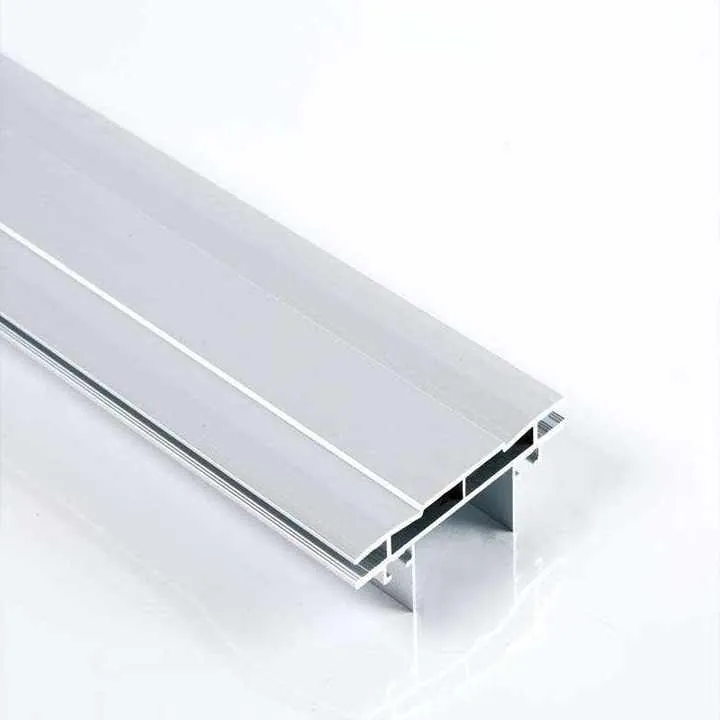
Aluminum scaffolding is a type of work platform made from aluminum. It is lighter than steel, resists rust, and easier to move, while still strong enough to support people and tools.
Scaffolding is a key part of many building and repair jobs. In the next sections, the article explains safety of aluminum scaffolding, the main types of scaffolding, how aluminum compares with steel, and one common safety rule — the “3 to 1 rule”. That helps readers understand why aluminum scaffolding matters now more than ever.
Is aluminium scaffolding safe?
Scaffolding that is too weak or unstable can hurt people or damage property. Mistakes in setup or bad materials make accidents likely. Aluminum scaffolding aims to avoid those risks by giving a strong yet light frame.
When used properly and installed according to rules, aluminium scaffolding is safe and reliable for many types of work.
Scaffolding safety depends on design, quality of materials, correct assembly, and safe usage. Aluminum scaffolding uses framed components or modular systems that are built to bear loads when set up correctly. Modern aluminum systems come with guardrails, locking pins, stable base frames, wide platforms, and sturdy braces. These features help prevent falls, tipping, and collapse.
Key factors for safe aluminum scaffolding
- Load capacity: Aluminum frames often carry hundreds of kilograms per bay. The strength of aluminum alloys used, combined with cross‑bracing and secure pins, makes the structure stable. Heavy duty aluminum scaffolding can support workers plus tools and materials without bending or breaking.
- Stability and base: A wide, leveled base is crucial. Adjustable legs or base plates allow firm contact with the ground. When properly leveled and locked, the frame stays stable even under load. Wheels may be locked or removed when climbing begins to avoid unintended movement.
- Guardrails and toeboards: Proper railings around platforms protect workers from falling. Toeboards prevent tools or materials from slipping off. These prevent many common accident types.
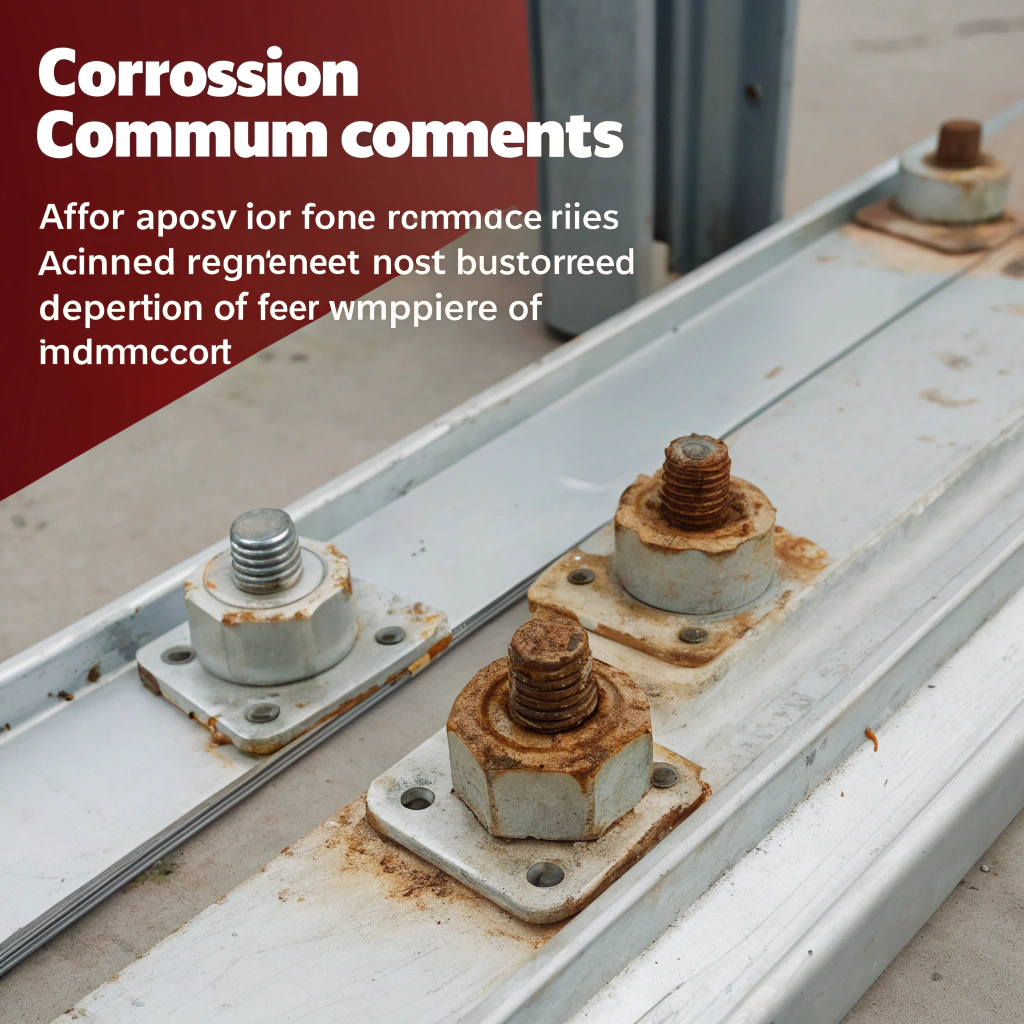
- Inspection and maintenance: Regular checks catch loose pins, cracks, wear, or corrosion. Although aluminum resists rust, it can still suffer fatigue over time. Damaged components must be removed and replaced before use.
- Correct assembly and training: Workers must follow manufacturer instructions. Every component must be locked, braces installed, pins secured, and platforms level. Overloading or uneven loading must be avoided.
When used under these conditions, aluminum scaffolding provides a safe working platform. On job sites where conditions are variable — uneven ground, high winds, heavy loads — extra care is required. Using outriggers, base plates, secure anchoring, and wind protection becomes vital.
In short, aluminum scaffolding is safe if people follow assembly rules, maintain the structure, and respect load and use guidelines.
Aluminum scaffolding can support worker load safely when properly assembled with guardrails and bracing.True
Because modern aluminum scaffold systems are engineered to carry rated loads with cross‑bracing, locking pins, guardrails, and stable bases when assembled correctly.
Aluminum scaffolding is unsafe even when assembled correctly.False
Because if assembled correctly and maintained, aluminum scaffolding meets design strength and stability standards and does not inherently pose undue risk.
What are the three types of scaffolding?
Scaffolding takes different shapes for different jobs. Using wrong type can slow work or cause hazards. Choosing right scaffolding helps workers, budget, and safety.
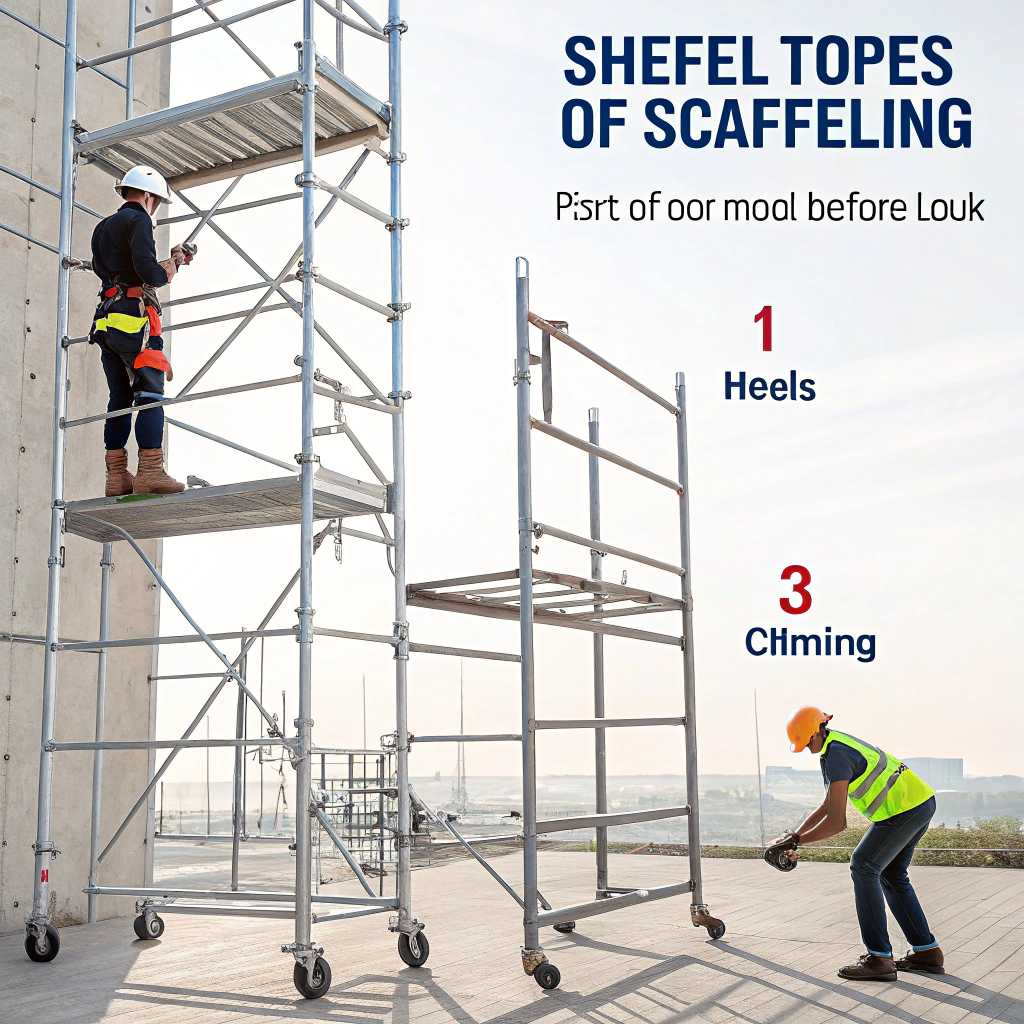
The three common scaffolding types are supported scaffolding, suspended scaffolding, and rolling (mobile) scaffolding.
Builders and construction workers commonly use these three forms:
- Supported scaffolding: This is the classic type. It uses frames or tubes on the ground, stacked vertically, with planks or platforms between levels. The structure rests on solid footing. It is stable if base is firm.
- Suspended scaffolding: Here the platform hangs from building roof or other overhead structure. Workers stand on the platform, which is lowered or raised via ropes, pulleys, or motors. It is useful for tall buildings or facades.
- Rolling (mobile) scaffolding: This type uses frames on wheels or casters. Workers can move the scaffold easily without disassembling. It is good for painting, light installation, or tasks inside large spaces. The wheels must lock before climbing.
Comparison of three scaffolding types
| Scaffolding Type | Key Feature | Typical Use Cases |
|---|---|---|
| Supported scaffolding | Strong base, stable for heavy work | Masonry work, construction, repairs |
| Suspended scaffolding | Hanging platform, adjustable height | Window cleaning, facade work, painting |
| Rolling scaffolding | Wheels for easy move, quick rebuild | Interior painting, light trades, maintenance |
Supported scaffolding remains the most used type because it handles heavy loads and gives good stability. It works on uneven ground if base plates are used. Suspended scaffolding suits work on high exteriors, but it needs secure roof anchors and safety lines. Rolling scaffolding shines indoors or for light jobs where quick repositioning helps.
Sometimes hybrid forms combine features. For example, a mobile scaffold may have outriggers or stabilizers. Or supported scaffold may include wheels to ease movement before locking them down.
Scaffold choice depends on job height, load weight, site access, and mobility needs. Poor choice or misuse may reduce safety or efficiency.
Supported scaffolding is most suitable for heavy structural work on uneven ground.True
Because it rests on a wide base and can use base plates to adapt to uneven ground, offering stable support for heavy loads.
Rolling scaffolding is ideal for heavy masonry work.False
Because rolling scaffolding is designed for lighter tasks and may not provide the stability and load capacity required for heavy masonry work.
What is the difference between steel and aluminium scaffolding?
Steel and aluminum scaffolding both carry workers and supplies. Yet they behave differently under weight, weather, and handling. Knowing their differences helps pick right material for each job.
Aluminum scaffolding is lighter, resists rust, and easier to move; steel scaffolding weighs more, holds heavier loads, but may rust and is harder to handle.
Comparison: aluminum vs steel scaffolding
| Property | Aluminum Scaffolding | Steel Scaffolding |
|---|---|---|
| Weight | Light — easier to carry and assemble | Heavy — needs more effort to move |
| Rust / Corrosion | Resists rust, low maintenance | Can rust if not painted or maintained |
| Load capacity | Good for many tasks but lower than steel | Higher load rating, good for heavy loads |
| Portability | Easy to move by few workers | Requires more labor or machinery |
| Setup time | Faster due to light pieces | Slower due to heavy parts |
| Lifespan (maintenance) | Long, low upkeep | Needs rust protection, painting |
| Cost | Often higher per piece, but lower labor cost | Often cheaper material cost, but higher labor cost |
Steel scaffolding wins when heavy load or maximum strength is needed. For example, when large masonry blocks or heavy machinery parts need support, steel handles weight better. Steel also tolerates hard use over rough job sites and resists bending under high stress.
Aluminum scaffolding wins where mobility, speed, and ease matter. Painting, light construction, window work, interior finishing — aluminum makes moving and assembling easier. Aluminum also works well outdoors because it resists rust. Less maintenance lowers long‑term cost.
Both have good safety if used right. Straight aluminum frames may bend if overloaded. Steel when corroded may lose strength. So inspection, correct load rating, and maintenance matter for both.
In many modern jobs, aluminum scaffolding is popular for light‑to‑medium duty work. Steel remains relevant for heavy structural tasks or where long‑term heavy loads are routine.
Aluminum scaffolding is easier to move and assemble than steel scaffolding.True
Because aluminum is lighter than steel, fewer workers or less effort is needed to move and set up aluminum scaffold components.
Steel scaffolding always lasts longer than aluminum scaffolding without maintenance.False
Because steel scaffolding can rust and degrade if not properly maintained, while aluminum resists corrosion and may require less maintenance over time.
What is the 3 to 1 rule for scaffolding?
Workers on scaffold risk falls and collapse if scaffold is too tall compared to its base width. A simple rule helps keep it stable. Using wrong proportions makes scaffold unsafe.
The “3 to 1 rule” means that scaffold height above base support should not exceed three times the least base width without extra support or bracing.
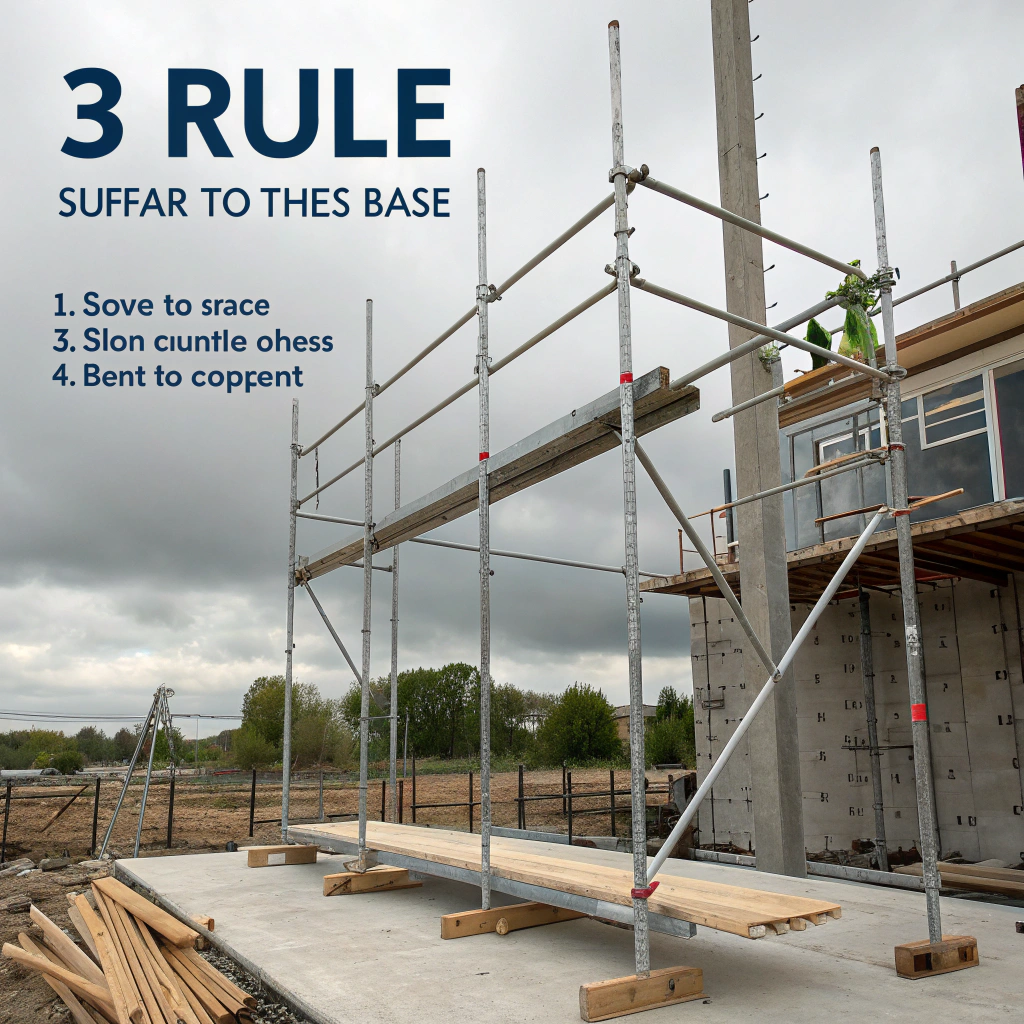
According to the 3 to 1 rule, a scaffold stack or tower should be no taller than triple the narrow base dimension (footprint) unless there are outriggers, guy wires, or other stabilizers. For example, if base width is 1.5 meters, scaffold height should stay within 4.5 meters. If height goes beyond that, the scaffold must get extra support.
This rule helps prevent tipping or collapse. Taller scaffold without wider base becomes unstable, especially under load or in wind. Workers climbing or moving materials shift center of gravity. Leaning or uneven loading raises risk.
When 3 to 1 rule may not apply
- If scaffold uses advanced bracing or ties to building structure — then taller scaffold may be safe even if height exceeds triple base width.
- If outrigger legs or base wideners are added — stability improves, so rule can be stretched.
- On level, indoor floor without wind — lesser risk than outdoors, but still load and balance must be checked.
Best practices along with 3 to 1 rule
- Always level base before building. Use base plates or adjustable legs.
- Add cross‑braces, guardrails, toe boards.
- Tie scaffold to building or structure if height is high.
- Avoid overloading. Distribute weight evenly.
- Lock wheels and do not move scaffold while someone is on it.
Following 3 to 1 rule makes scaffold tall enough for work yet safe enough to stand firm. Ignoring it causes many tip‑overs and accidents.
Scaffold towers taller than three times their base width need additional support or bracing.True
Because beyond the 3 to 1 ratio the center of gravity may shift under load or wind, increasing risk of tipping without more support.
The 3 to 1 rule is optional for indoor scaffold use.False
Because stability, even indoor, depends on base width relative to height; ignoring the rule can still lead to collapse under load or uneven pressure.
Conclusion
Aluminum scaffolding offers a light, rust‑resistant, and easier way to build safe platforms. It makes many jobs simpler and safer when used right. Understanding scaffolding types, materials, and safety rules like the 3 to 1 ratio helps choose the right setup for each project.