What Is 6 Series Aluminium Alloy?

When performance demands strength, corrosion resistance, and formability, one aluminum series delivers all three.
6 series aluminum alloys, also known as the 6000 series, are defined by their magnesium and silicon content, offering a balanced mix of strength, corrosion resistance, and machinability.
They are the “go-to” alloys in construction, automotive, and machinery because they do a little bit of everything well.
What defines a 6 series aluminium alloy?
Not all aluminum alloys are created equal—some are stronger, some easier to weld. The 6000 series sits in the sweet spot.
A 6 series aluminum alloy is defined by its primary alloying elements: magnesium and silicon, which form magnesium silicide, giving the material its unique blend of properties.

The 6000 series includes alloys like 6061, 6063, and 6082. These are all precipitation-hardenable, meaning they can be heat treated to gain strength. I often recommend these when customers need aluminum parts that can be formed and then machined or welded.
Chemical Makeup of 6000 Series
| Element | Typical Range (%) |
|---|---|
| Magnesium (Mg) | 0.6–1.2 |
| Silicon (Si) | 0.4–0.9 |
| Iron (Fe) | ≤ 0.35 |
| Copper (Cu) | ≤ 0.35 |
Why This Matters
Magnesium provides strength, while silicon helps with casting and corrosion resistance. Together, they form Mg2Si, the phase that can be hardened through heat treatment.
6 series aluminum is strengthened through the formation of magnesium silicide.True
The Mg2Si phase forms during aging and increases hardness and strength.
6000 series alloys are not suitable for heat treatment.False
They are precipitation-hardenable and respond well to T4 and T6 heat treatments.
How do magnesium–silicon alloys differ from other series?
Confused by aluminum series? Each one is suited for different uses. The 6000 series is versatile but how does it compare to others?
Magnesium–silicon alloys (6000 series) offer a balance between strength, corrosion resistance, and workability, unlike the 2000 or 7000 series which focus mainly on strength.

When selecting aluminum for projects, I compare different series based on application needs. The 2000 and 7000 series may be stronger but are harder to weld and more prone to corrosion.
Comparison Table of Aluminum Series
| Series | Main Alloying Elements | Strength | Corrosion Resistance | Weldability | Common Use |
|---|---|---|---|---|---|
| 2000 | Copper | Very High | Low | Low | Aerospace |
| 3000 | Manganese | Low–Med | High | Good | Roofing, utensils |
| 5000 | Magnesium | Med–High | Very High | Excellent | Marine, transportation |
| 6000 | Magnesium + Silicon | Medium | High | Excellent | Structural, automotive |
| 7000 | Zinc | Very High | Moderate | Low | Aerospace, sports gear |
Why 6000 Series Works So Well
Unlike high-strength 7000 series which are prone to stress corrosion, the 6000 series is stable and weldable. I’ve used 6082 in rail projects, where welding strength and outdoor exposure are key.
6000 series aluminum offers the best corrosion resistance of all series.False
The 5000 series with higher magnesium offers better corrosion resistance in marine environments.
Magnesium–silicon alloys provide excellent weldability and good strength.True
6000 series balances mechanical and structural needs better than most other series.
What are typical applications of 6000 series alloys?
People often ask what 6000 series aluminum is good for. The real answer? Almost everything.
6000 series alloys are used in structural framing, automotive components, window frames, railings, and machinery parts due to their good strength and excellent formability.
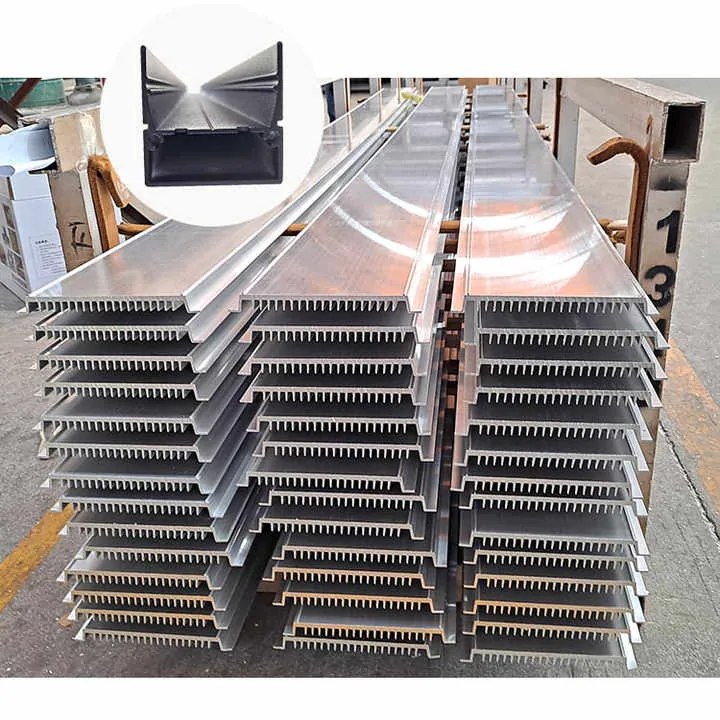
In my factory, we use 6063 and 6082 to produce profiles for building frames, transportation systems, and even light poles. The flexibility and strength of these alloys make them ideal for demanding environments.
Common Uses by Alloy Type
| Alloy | Application Examples |
|---|---|
| 6061 | Bicycle frames, truck parts, bridges |
| 6063 | Window frames, curtain walls, pipe systems |
| 6082 | Cranes, trusses, offshore structures |
Key Benefits for Applications
- Good Machinability – Easy to process on CNC machines.
- Great Weldability – Can be TIG or MIG welded without much risk of cracks.
- Resistant to Stress Corrosion – Important for long-term outdoor exposure.
- Moderate Strength – Enough for mid-load-bearing structures.
One client in the construction industry once replaced steel balcony frames with 6082 aluminum profiles. Not only did it reduce weight, but also avoided rust problems long-term.
6061 is used for structural parts due to its strength and weldability.True
It has a good strength-to-weight ratio and is easy to machine and weld.
6000 series aluminum alloys are too soft for mechanical applications.False
Alloys like 6061 and 6082 provide enough strength for most structural uses.
How does tempering enhance 6 series alloy properties?
Even the best alloy underperforms if not heat-treated right. Tempering unlocks its potential.
Tempering through solution heat treatment and aging significantly boosts the strength, hardness, and wear resistance of 6000 series aluminum.
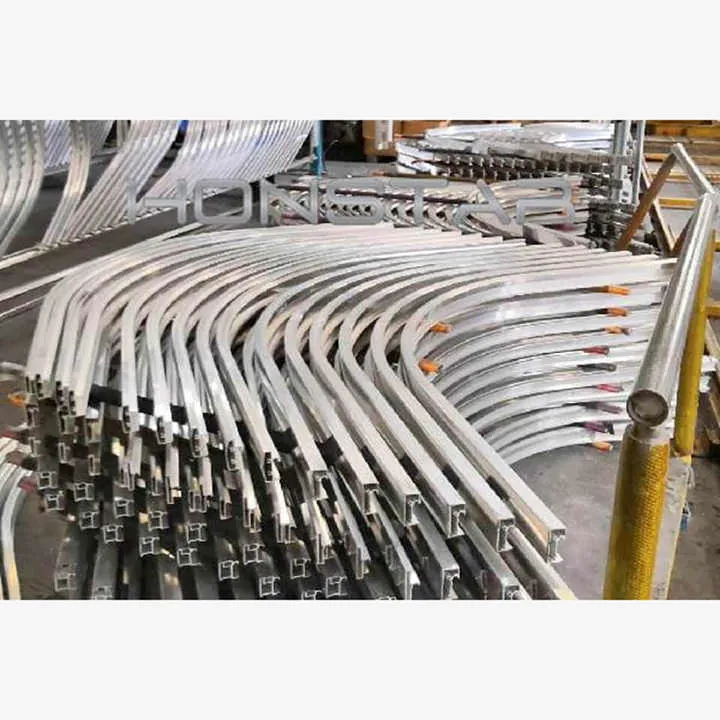
Tempering is essential in my production line. Raw extrusions are often soft and flexible, which is ideal for shaping. But after shaping, we apply heat treatments to reach the final strength.
Temper Codes in 6000 Series
| Temper Code | Process Description | Strength Level |
|---|---|---|
| T4 | Solution heat-treated, naturally aged | Medium |
| T5 | Cooled from extrusion and artificially aged | Med–High |
| T6 | Solution heat-treated, then artificially aged | High |
| T66 | Modified T6 with enhanced properties | Very High |
Mechanical Property Changes (Example: 6061)
| Property | T4 (Soft) | T6 (Hard) |
|---|---|---|
| Tensile Strength | ~180 MPa | ~290 MPa |
| Yield Strength | ~110 MPa | ~240 MPa |
| Elongation | ~18% | ~10% |
This shows why T6 is chosen for parts needing high strength but lower ductility. I always work with engineers to specify the right temper for their needs.
Tempering increases both strength and ductility of aluminum.False
Tempering increases strength but often reduces ductility.
T6 temper involves artificial aging after solution heat treatment.True
This process increases strength by forming hard precipitates.
Conclusion
6000 series aluminum alloys are the all-rounders of the metal world. Defined by magnesium and silicon, they offer just the right mix of formability, weldability, and strength—especially when tempered for the job.