What does temper mean for 7075 aluminum extrusion?

Seeing codes like T6 or T7351 on aluminum extrusions and not sure what they mean? These temper designations are key to performance.
The temper of 7075 aluminum extrusion describes the mechanical and thermal treatment it underwent, affecting strength, formability, and resistance properties.
Choosing the right temper can make the difference between a part that cracks and one that performs perfectly. Let’s decode what temper means in the context of 7075 aluminum extrusion.
How is temper defined for extrusions?
Temper is not just a code—it’s a precise roadmap of how the material was treated.
Temper in aluminum extrusions is defined by post-extrusion processing steps, including heat treatment, aging, and stress relieving, as classified by standardized codes like T6 or T6511.
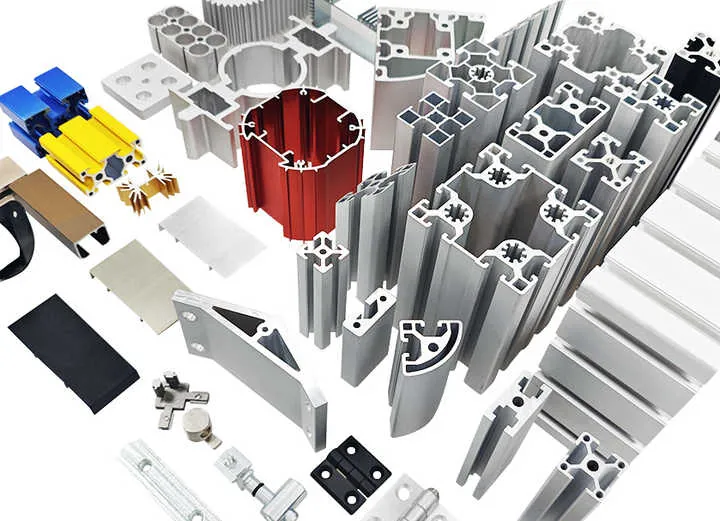
Common aluminum temper series
| Temper Code | Treatment Process | Effect on Material |
|---|---|---|
| O | Annealed (softest state) | High ductility, low strength |
| T6 | Solution heat-treated and aged | Highest strength |
| T6511 | T6 plus stretching and straightening | High strength, stress-relief |
| T73 | Over-aged for corrosion resistance | Balanced performance |
| T76511 | T73 with stress relief | Enhanced corrosion + stability |
The "T" series is most relevant for 7075 extrusions. Additional digits (like "1", "11") indicate specific stress relief or aging methods.
Temper codes like T6 or T6511 indicate the chemical composition of aluminum.False
Temper codes refer to mechanical and thermal treatments, not chemical makeup.
Temper defines how the aluminum extrusion was heat treated and stress relieved.True
Temper codes reflect the exact post-processing steps used to adjust mechanical properties.
What are typical tempers for 7075?
Trying to pick the right 7075 aluminum? Focus on these temper options.
The most typical tempers for 7075 aluminum extrusions are O, T6, T6511, T73, and T76511—each optimized for different performance goals.
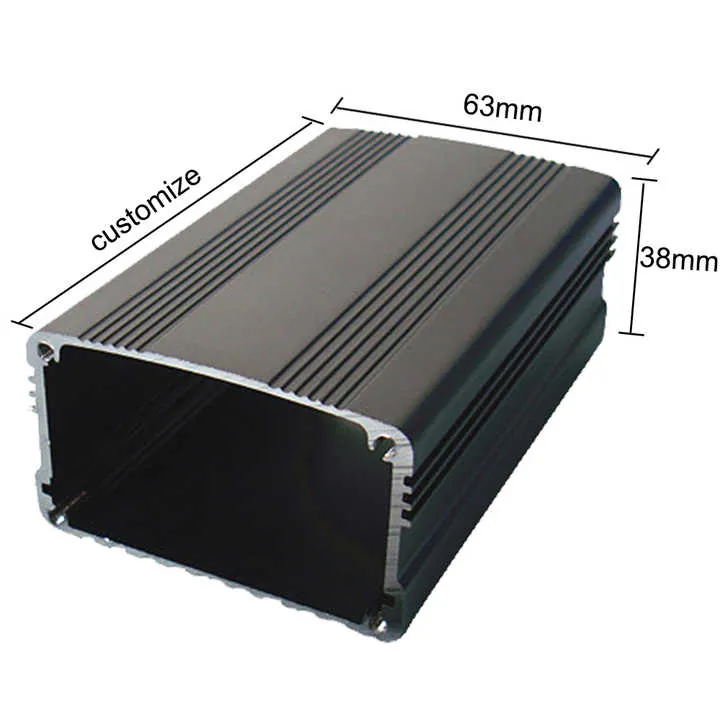
Overview of common 7075 tempers
| Temper | Strength | Ductility | Stress Resistance | Common Uses |
|---|---|---|---|---|
| O | Low | High | Low | Forming, pre-machining |
| T6 | Very High | Low | Moderate | Aircraft structures, tooling |
| T6511 | Very High | Low | High | CNC parts, straight extrusions |
| T73 | Moderate | Moderate | High | Marine, aerospace fittings |
| T76511 | Moderate | Moderate | Very High | Critical corrosion-resistant parts |
T6 is common for maximum strength, while T73 and T76511 are favored when resistance to cracking and corrosion is critical. O is chosen for parts that will be formed or bent before hardening.
7075-T6511 is a commonly used temper for aluminum extrusions that require stress relief.True
T6511 indicates the material is stretched and stress-relieved, ideal for dimensional stability.
7075-O is the strongest available temper for extrusion.False
O is annealed and soft; T6 and T6511 are much stronger.
How does temper affect performance?
Picking the wrong temper can lead to fractures, poor machining, or corrosion problems.
Temper affects strength, machinability, bendability, and corrosion resistance—making it one of the most important decisions in material selection.

Performance dimensions by temper
- Strength: T6 and T6511 offer tensile strengths around 510–572 MPa, while O temper is under 276 MPa.
- Machinability: T6511 is ideal due to stress relief and stable dimensions.
- Bendability: O temper bends best, followed by T73; T6 is prone to cracking.
- Corrosion Resistance: T73 and T76511 resist stress-corrosion cracking better than T6.
Example comparison
| Property | T6 | T6511 | T73 | T76511 | O |
|---|---|---|---|---|---|
| Tensile Strength | ~572 MPa | ~572 MPa | ~469 MPa | ~455 MPa | ~276 MPa |
| Elongation | ~10% | ~10% | ~13% | ~13% | ~18% |
| Stress Resistance | Moderate | High | High | Very High | Low |
Different applications demand different combinations of these traits.
T6511 temper improves machining performance compared to standard T6.True
T6511 includes stress relief which minimizes warping during machining.
T6 temper is the most corrosion-resistant option for 7075 aluminum.False
T73 and T76511 offer better corrosion and crack resistance.
How to choose the right temper for your use?
Not sure which code fits your project? Think about your priorities.
To choose the right temper, consider your needs for strength, formability, machining, and corrosion resistance. T6 is best for strength; O for forming; T73 for durability.
Quick decision table
| Requirement | Best Temper |
|---|---|
| Maximum strength | T6 or T6511 |
| Precision machining | T6511 |
| Best bend/form ability | O |
| Corrosion & cracking resistance | T73 or T76511 |
| Pre-forming then aging | O → T6/T73 |
Practical tips
- If you plan to bend or weld, start with O temper, then harden.
- If you want machined parts with no distortion, go with T6511.
- If you’re in marine or aerospace, corrosion resistance from T73 or T76511 is worth it.
You should always use T6 temper for any aluminum extrusion.False
T6 is not suitable for forming or corrosion-prone applications; other tempers may be better.
Choosing the right temper depends on how the part will be used and what properties are most important.True
Temper affects strength, machinability, and durability, all linked to application needs.
Conclusion
Temper is more than just a letter—it shapes how your 7075 aluminum extrusion performs. T6 and T6511 offer strength, T73 gives durability, and O lets you bend. Pick the one that matches your application best.