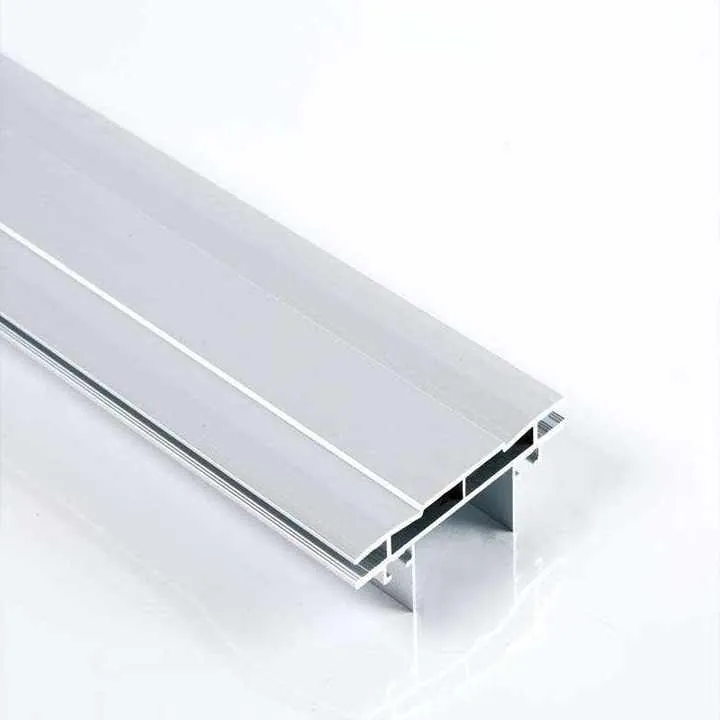

What are the benefits of aluminium profiles?
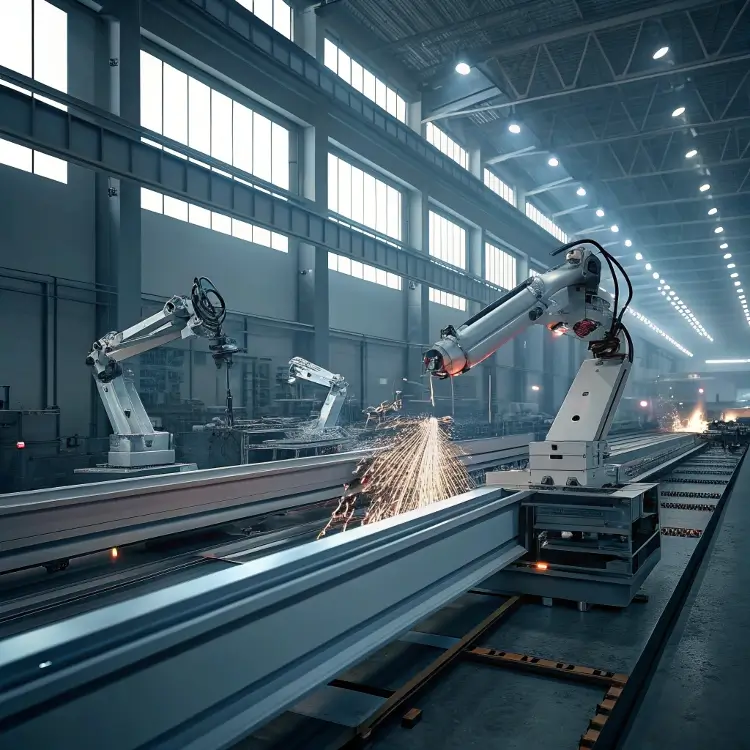
Aluminium profiles are everywhere—but why are they trusted by engineers, architects, and manufacturers worldwide?
Aluminium profiles are lightweight, corrosion-resistant, and easy to customize, making them a preferred material in construction, transportation, and industrial applications.
They may seem simple, but aluminium profiles bring unmatched flexibility, durability, and performance in demanding industries. Let’s look deeper into their real advantages.
What are the advantages of aluminium profile?

Aluminium profiles offer unique structural and economic advantages, solving design and manufacturing challenges in nearly every industry.
The main advantages are lightweight, corrosion resistance1, strength-to-weight ratio, recyclability, and design flexibility2.
Aluminium is about one-third the weight of steel. This makes profiles easier to transport, handle, and install. Corrosion resistance means they last longer without needing constant maintenance. Aluminium can also be extruded into countless shapes, making it ideal for customized designs.
Key Benefits Table
| Property | Advantage |
|---|---|
| Weight | ~66% lighter than steel |
| Corrosion Resistance | Naturally forms protective oxide layer |
| Strength | Strong yet light; allows thinner walls |
| Design Flexibility | Custom extrusion for complex shapes |
| Recyclability | 100% recyclable without loss of properties |
The flexibility in surface treatment adds another layer of appeal. You can anodize, powder-coat, or even wood-grain transfer aluminium surfaces, giving both visual appeal and functional enhancement.
What are aluminium profiles used for?
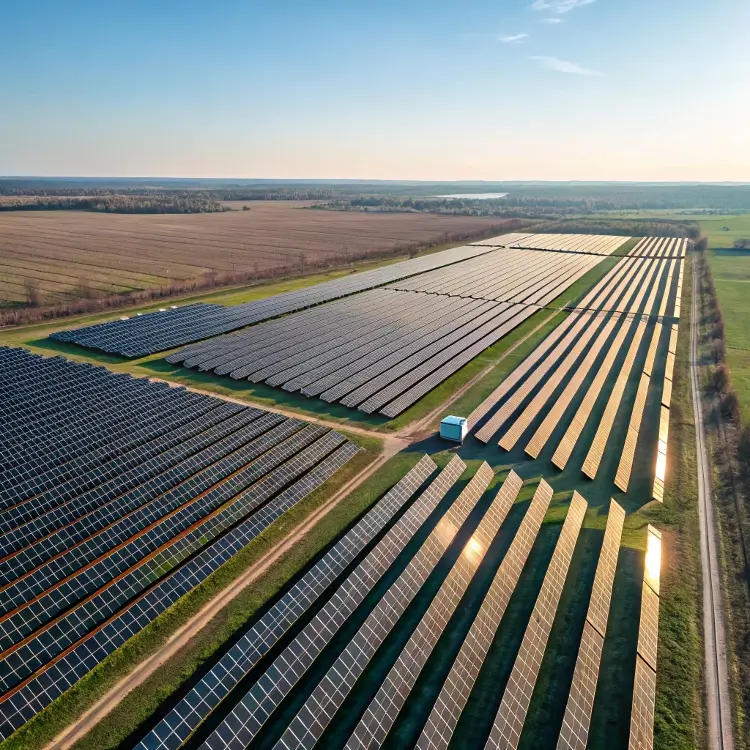
Aluminium profiles are the framework behind countless products, from solar panels to office partitions and conveyor systems.
Aluminium profiles are widely used in construction, transportation, electronics, solar energy systems, and industrial automation.
In my factory, for example, we supply aluminium profiles tailored for solar panel frames, building facades, lighting fixtures, and CNC machinery components. The beauty of aluminium profiles is how a single extrusion process can create parts for completely different sectors.
Common Applications
Construction
- Curtain walls
- Window and door frames
- Partition walls
Transportation
- Train body frames
- Car roof racks
- Marine ladders
Industrial
- Machine frames
- Assembly lines
- Workstations
Aluminium’s adaptability makes it the backbone of modular systems where strength and lightweight are both needed. It’s also easy to combine with plastic or glass, which expands its use in design-driven environments.
What is the use of aluminium T profile?
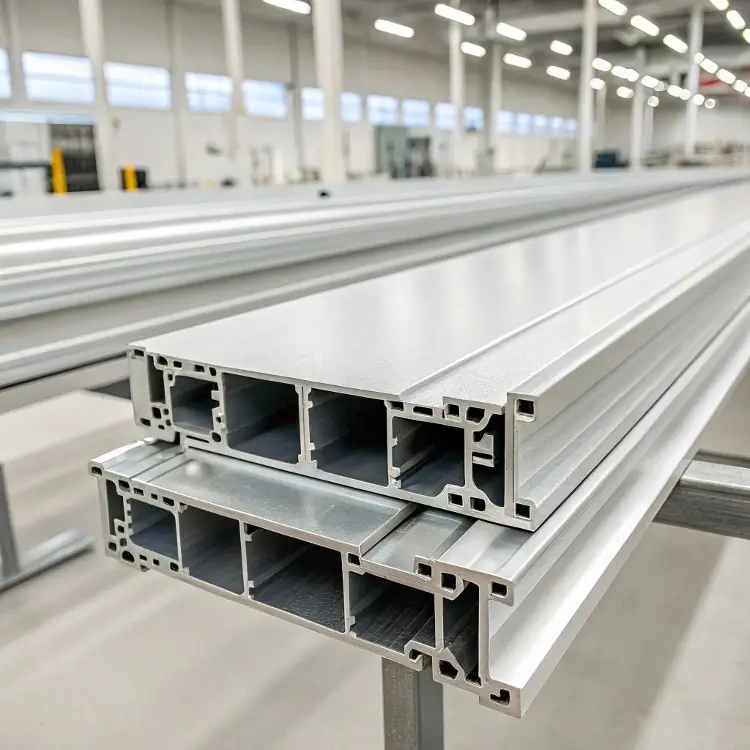
The T profile may look simple, but its shape is incredibly functional in load-bearing3 and joinery applications.
Aluminium T profiles are used to connect, reinforce, and provide structure between two surfaces or components, especially in framing and support systems.
In my experience, T profiles are most common in industrial frameworks, cleanroom structures, and modular displays4. They allow components to be joined at right angles while still maintaining the sleek aesthetics aluminium provides.
Typical Use Cases of Aluminium T Profiles
| Industry | Application Example |
|---|---|
| Industrial | Equipment enclosures |
| Construction | Ceiling support frames |
| Exhibition Booth | Display frame corners |
| Solar Systems | Panel joining and spacing frames |
Because of their symmetrical shape, T profiles also help distribute stress across the joining area, which improves the overall strength of the structure.
What are 3 benefits of aluminum?

Aluminium stands out not just because it’s light, but because it helps solve three big industrial challenges.
Three key benefits of aluminum are its light weight5, resistance to corrosion, and recyclability6.
Let’s break these down with examples:
1. Lightweight
Aluminium weighs about 2.7g/cm3, about one-third of steel. This makes transport, installation, and handling far easier. For example, our solar panel frame customers often comment on how much faster their teams can work with aluminium.
2. Corrosion Resistance
Aluminium naturally forms a protective oxide layer. Unlike iron or steel, it doesn’t rust. This is especially useful in humid or coastal environments.
3. Recyclability
Aluminium can be recycled repeatedly without losing performance. Recycling uses only about 5% of the energy needed for primary production, which makes it both sustainable and cost-efficient.
These three properties make aluminium not just a smart choice, but often the only choice for companies that need performance and sustainability.
Conclusion
Aluminium profiles are more than just metal—they are lightweight, customizable, and sustainable solutions used across global industries.
-
Understanding corrosion resistance in aluminium profiles can help you appreciate their longevity and low maintenance needs. ↩
-
Discovering the design flexibility of aluminium profiles can inspire innovative solutions for your projects. ↩
-
Learn about load-bearing structures to see how Aluminium T profiles enhance strength and stability in construction. ↩
-
Discover the advantages of modular displays and how Aluminium T profiles contribute to their design and functionality. ↩
-
Exploring this resource will provide insights into how lightweight materials enhance efficiency and performance in various industries. ↩
-
Discover the environmental and economic benefits of aluminum recycling, which is crucial for sustainable practices in manufacturing. ↩