What are aluminum windows?

Many modern buildings use sleek, metal‑framed windows. But not everyone knows what makes aluminum windows special — and what problems they might bring.
Aluminum windows are window frames and sashes made of aluminum alloy. They provide strength, slim lines, and durability for modern homes and buildings.
Aluminum windows offer a mix of benefits and trade‑offs. Below I explain how they work, how they differ from vinyl windows, what to watch out for, and how to tell if windows are aluminum. This helps homeowners, builders, and renovators choose right.
What is the disadvantage of aluminum windows?
When you first see aluminum windows, the metal frame can look strong and elegant. But that strength comes with some costs — metal does not insulate heat like wood or vinyl. It can let heat in or out easily. It can also feel cold or hot to touch depending on weather. Noise can travel more. That may make indoor comfort harder in very cold or hot climates.
Aluminum frames often conduct heat and cold too well, so they can reduce energy efficiency and make rooms less comfortable.
Aluminum is metal and metal conducts temperature. In winter, frames can become very cold. That cold spreads to nearby glass and room edges. During summer, heat from outside can reach inside quickly. That increases load on heating or air conditioning. As a result, energy bills may climb. Many older aluminum windows lack thermal break — a barrier inside frame that reduces conduction. Without thermal break, aluminum frame acts like a metal heat bridge.
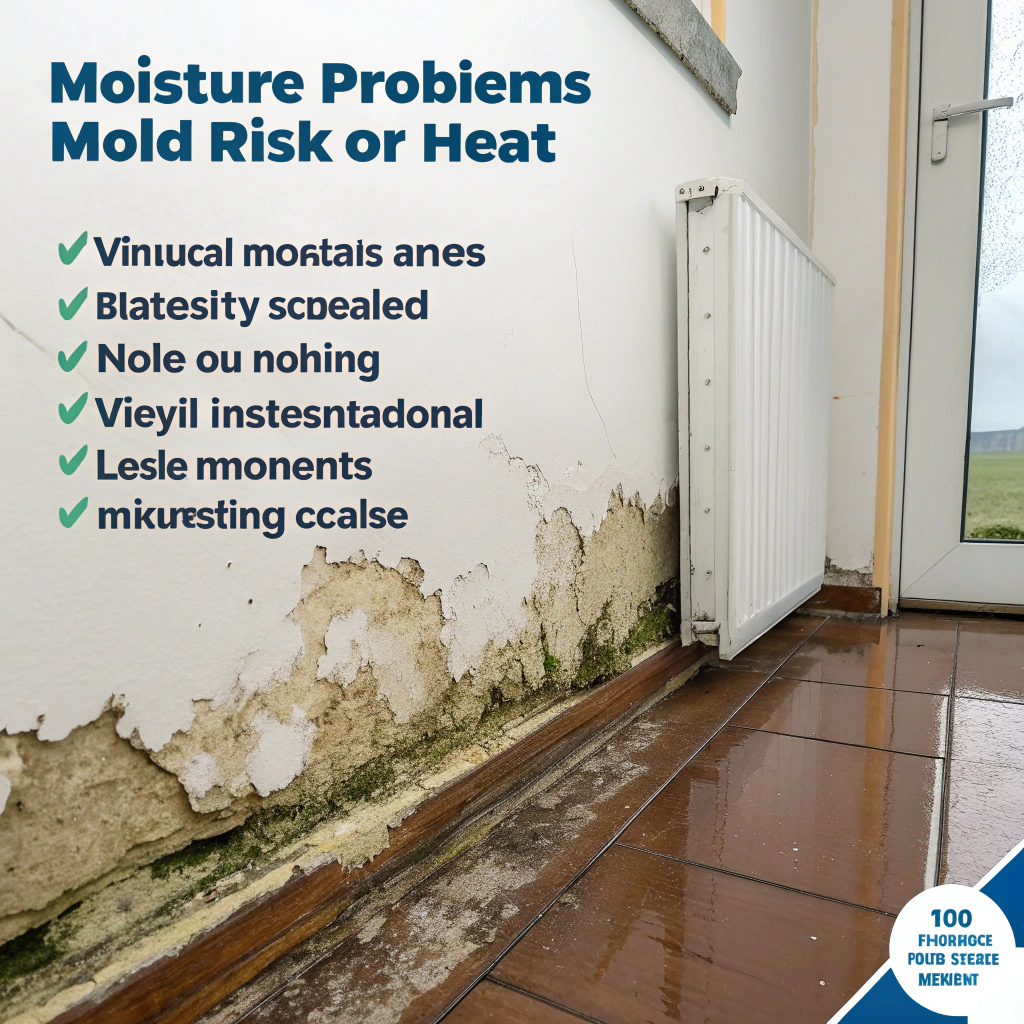
Condensation is another issue. When the metal gets cold and indoor air is warm, moisture in air can condense on frame. That can cause water drops, potential mold growth, or damage to surrounding wood or walls. Over time that moisture may degrade window seal or nearby materials.
Metal can also fail against corrosion in salty or humid environments. Coastal homes get salty air. That can speed up corrosion — especially if paint or protective coating is damaged. Corrosion weakens frame and reduces lifespan.
Aluminum windows often cost more upfront than vinyl. Even though frame metal is strong, fabrication and finishing require precise work. Extra parts like thermal break, weather stripping, quality seals add to cost. Installation may need more care to avoid thermal leaks.
Finally, aluminum windows can be noisy. Metal frames do little to absorb sound. Glass may rattle if frame flexes slightly. In busy roads or loud environments, aluminum windows may not block enough sound.
Here is a table summarizing common drawbacks:
| Disadvantage | Effect |
|---|---|
| High thermal conduction | Poor insulation, higher energy cost |
| Condensation risk | Moisture problems, mold risk |
| Corrosion in humid/coastal areas | Frame weakening, shorter life |
| Higher cost than vinyl | Greater upfront expense |
| Poor sound insulation | More external noise enters |
Because of these issues, aluminum windows require extra design care. Thermal break, special coatings, good weather‑stripping, and proper sealing help offset problems. Without those, the disadvantages can outweigh the benefits.
Aluminum windows without thermal break cause high thermal conduction and energy lossTrue
Metal conducts heat strongly and without a thermal barrier, outdoor temperature transfers easily, reducing energy efficiency.
Aluminum windows are always poor at sound insulationFalse
With proper design, sound‑insulating glass and tight seals, aluminum windows can offer acceptable sound reduction.
What’s the difference between vinyl and aluminum windows?
Many people compare vinyl and aluminum options when choosing windows. Vinyl means PVC or uPVC frames. Vinyl windows behave differently than aluminum ones. Vinyl frames insulate heat better. They rarely conduct heat. They resist condensation. They do not corrode. That gives warmer, quieter, low‑maintenance windows. But vinyl windows may not have the same strength or slim look as aluminum. They may warp under high heat.
Vinyl windows insulate better and cost less, while aluminum windows are stronger, slimmer, and more durable — each suits different needs.
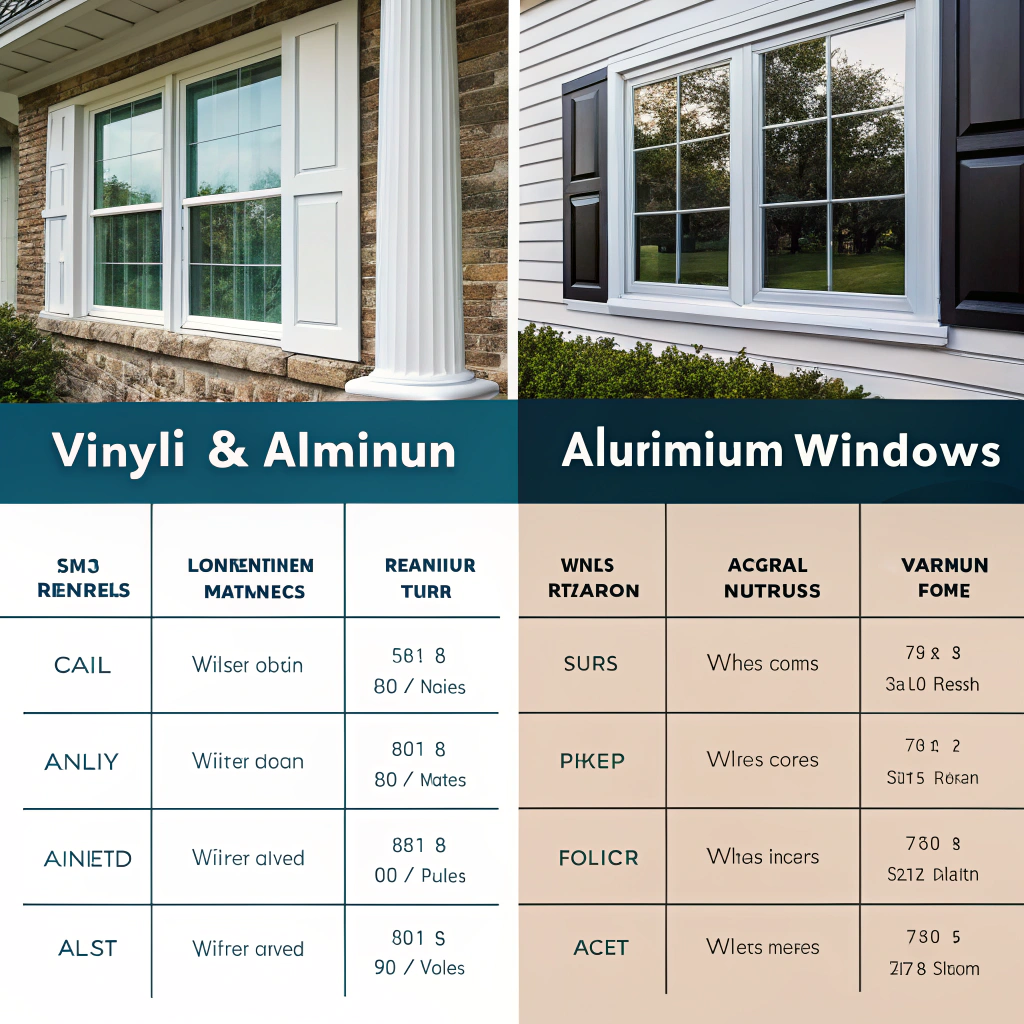
Vinyl frames are plastic. Plastic has low thermal conduction. That means vinyl windows help keep indoor temperature stable. In winter, frames stay warm. In summer, they stay cool. That reduces heat transfer and lowers energy bills. Condensation on frames is rare. Vinyl does not rust or corrode. That makes it easier to maintain. You rarely need repaint or re‑seal. Vinyl windows are usually cheaper to produce and install. That makes them budget‑friendly for many homeowners.
However, vinyl has downsides. Vinyl frames are typically thicker and wider to provide strength. That gives less glass area and slightly reduces the elegant slim frame look. Also, vinyl may warp or discolor under extreme sun or heat over long periods. In very tall or wide windows, vinyl may lack the rigidity aluminum provides. For such windows, aluminum or aluminum‑clad windows are often preferred.
Aluminum frames shine when strength, slim profile, and longevity matter. Aluminum allows narrow frames and larger glass areas. That gives more light and a modern look. Aluminum stands strong for years under load, high wind, or heavy glass. For large windows, sliding doors, or big storefronts, aluminum is often the only practical choice.
Here is a comparison table:
| Feature / Property | Vinyl Windows | Aluminum Windows |
|---|---|---|
| Thermal insulation | High — good energy saving | Low unless thermal break used |
| Maintenance / corrosion | Low — plastic, no rust | Needs coating, prone to corrosion |
| Frame strength / rigidity | Moderate — needs thicker frame | High — allows thin, strong frame |
| Aesthetics (slimness) | Bulky frame | Slim, modern look |
| Price | Usually lower | Often higher |
| Suitability for large glass | Less ideal | Very good |
Thus vinyl works well for small to medium windows in moderate climates. Aluminum excels in large, modern, high‑strength windows, or where slim frames and durability are priorities. Some manufacturers combine both: vinyl frame for insulation and aluminum exterior for strength. That gives a mixed (“aluminum‑clad vinyl”) solution with benefits of both.
Vinyl windows generally offer better insulation than aluminum windowsTrue
Vinyl is low thermal conductor and reduces heat transfer, improving energy efficiency.
Aluminum windows always outperform vinyl in every aspectFalse
Aluminum offers strength and slimness, but vinyl gives better insulation and lower maintenance; choice depends on priorities.
What is an aluminum window?
Most windows have frame, sash, glass, seals. An aluminum window uses aluminum alloy for the frame and sash. The glass panes sit inside metal frames. The frame may have single or multiple glass panes — single, double, or triple glazing. The frame may include a thermal break — an insulating barrier inside metal to reduce heat transfer. It may also have weather‑stripping to seal gaps. The sash may slide, swing, tilt, or be fixed. Manufacturers often use aluminum because it is strong, lightweight, and resists warping or shrinking. That makes aluminum windows good where structural integrity and stability are required.
An aluminum window is one where the frame and sash are made of aluminum alloy, often with glazing and sealing, providing strength and durability for sash and glass.

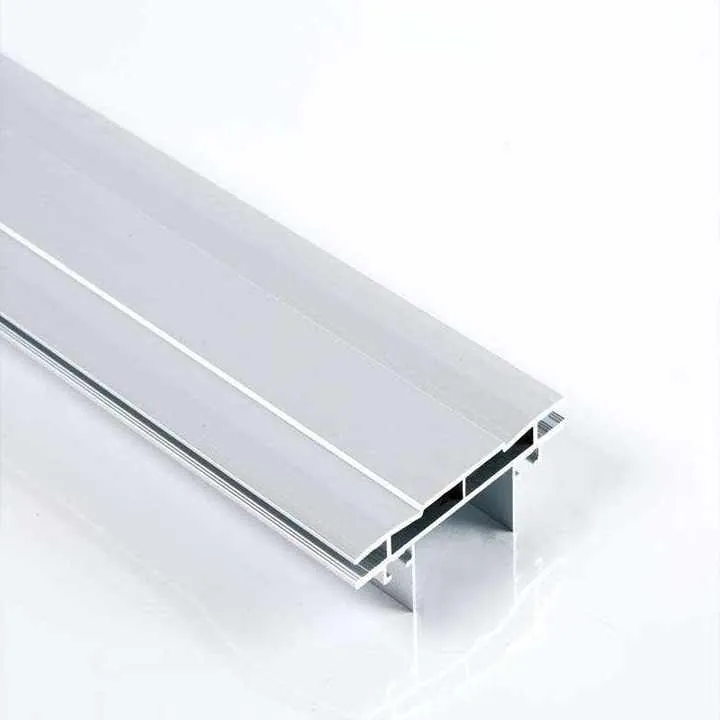
Aluminum windows begin as aluminum billets. The billets go through extrusion to create frame profiles. Profiles then cut, welded or mechanically joined to create sashes and frames. Manufacturers often use alloys such as 6063 or 6061 for balance of strength and corrosion resistance. The profiles may have internal chambers for thermal break. That chamber holds insulating material or plastic barrier that reduces conduction.
Then glazing units — glass panes plus spacer and seal — are installed in the frame. Seals and gaskets keep air and water out. Weather‑stripping helps resist drafts and water leak. Sometimes aluminum windows are anodized or powder‑coated for corrosion resistance and color finish. Coating also improves appearance and extends lifetime.
Aluminum window types vary. There are fixed windows (non‑opening), sliding windows, casement windows (opens outward or inward), awning windows (hinged at top), tilt‑and‑turn windows, and large storefront or curtainwall windows in commercial buildings. In many modern homes or offices, aluminum frames support large glass surfaces while keeping structure slim and elegant.
Advantages of aluminum windows include durability, strength, slim frame, long life, and ability to hold large panes. They work well for wide or tall windows, heavy glass, or architectural designs. They handle weather and wind load better than vinyl. They resist shrinking or swelling like wood. They usually need less maintenance — no warping or rotting.
Here is a quick overview:
| Component | Typical Detail |
|---|---|
| Frame material | Aluminum alloy (e.g. 6063, 6061) |
| Glazing | Single, double or triple pane glass |
| Thermal break | Optional insulating barrier inside frame |
| Finish | Powder‑coat or anodize for corrosion and color |
| Window types | Fixed, sliding, casement, tilt/turn, etc. |
That makes aluminum windows a versatile system. They suit modern architecture, large windows, and places where strength and slim design matter.
Aluminum windows are built from aluminum alloy frames plus glass glazing and sealsTrue
Frame and sash use aluminum profiles, joined, glazed and sealed for full window unit.
Aluminum windows always include thermal breakFalse
Thermal break is optional; some older or budget windows skip it, reducing insulation performance.
How do I know if my windows are aluminum?
Sometimes it is obvious — metal frame, thin profile. Other times windows are painted or clad, and look like vinyl or wood. To check properly, inspect certain features: frame material, edge cross‑section, weight feel, joint style, presence of thermal break barrier, screws or weld spots. Metal frames are colder to touch, feel heavier, and have clean welded or mechanically joined corners. Vinyl frames are lighter and warmer. Smell or scratch test may help — scratching paint lightly may reveal metal underneath. Labels on window or manufacturer mark may also indicate aluminum or alloy code.
You can tell an aluminum window by its metal frame, feel, corner joints, and often label on frame or glass edge.
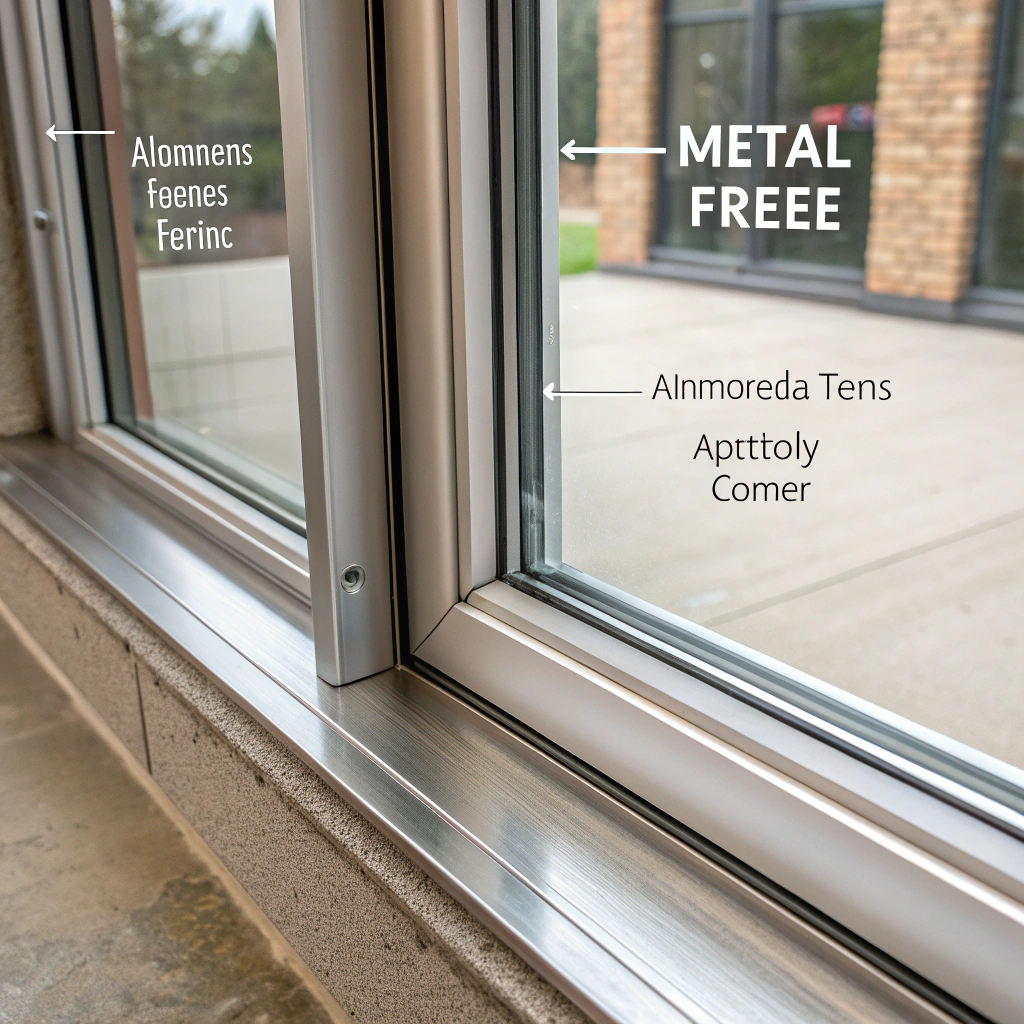
One simple test: touch the frame on a cool morning. If the frame feels colder than vinyl or wood, it is likely metal. Aluminum conducts heat quickly, so it takes on outdoor temperature fast. Another method: look at cross‑section on edge or inside sash gap. If you see multiple thin aluminum walls or chambers — often with a thin plastic strip inside — that is an aluminum profile with thermal break. If it were vinyl, walls would look thicker and plastic‑like, maybe hollow inside — but not look like metal with chambers.
Check the corners. Aluminum windows often have welded corners or use screws with metal brackets. The weld bead or seam may be visible. Vinyl windows use plastic welded seams. Paint or powder‑coat on aluminum may cover metal, but scratch gently in hidden area. If metal shows under, windows are aluminum. Also screws or fasteners — aluminum frames use metal screws; vinyl may use plastic fasteners.
Glass edge labels or stickers sometimes show manufacturer and material. If frame says alloy code (e.g. 6063), it is aluminum. If frame has foam insulation layer or thick gasket between sash and glass, that can show thermal break in aluminum. That barrier often is hard to see but runs along the profile inside. A clear plastic layer inside metal. Vinyl would not have metal along sides.
Here is a quick checklist:
| Check | Aluminum frame likely if… |
|---|---|
| Feel touch temperature | Feels cold in cool weather |
| Frame weight | Heavier than vinyl |
| Cross‑section walls | Thin metal walls or chambers, possible plastic barrier inside |
| Corner joints | Weld seams or metal screws |
| Scratching paint | Exposes shiny metal underneath |
| Label or stamp | Alloy code or manufacturer mark |
| Sound when tapped | Metal clang vs plastic dull sound |
Using these observations, most windows can be identified. For uncertain cases, a professional inspection may help — especially for older windows or when windows use aluminum‑clad wood.
If a window frame feels cold and heavy, it likely is aluminumTrue
Metal conducts temperature and is heavier than vinyl or wood.
Frame weight and cold feel alone always prove aluminum windowFalse
Some windows use aluminum‑clad or mixed materials, so other checks like cross‑section or joints are also needed.
Conclusion
Aluminum windows combine strength, slim design, and durability. They suit large or tall windows where structure matters. But they may lose on insulation, cost, or noise control. By knowing their traits and comparing to vinyl, a wise choice becomes clear.