
What are aluminum extrusions?
Have you ever wondered how aluminium parts with intricate cross‑sections are made at scale? It may surprise you how simple the core idea behind extrusion is.
Aluminum extrusions are formed by forcing heated aluminium alloy through a shaped die to create continuous profiles with consistent cross‑sections.
In the following sections we will explore how extrusions are defined, why industries rely on them, where they are used, and how extrusion geometry can improve performance.
How are aluminum extrusions defined?
Imagine squeezing toothpaste out of a tube—the toothpaste comes out in the shape of the opening. The aluminium extrusion process works the same way. Heated aluminium alloy is pushed through a die, and what comes out takes the shape of that die opening.
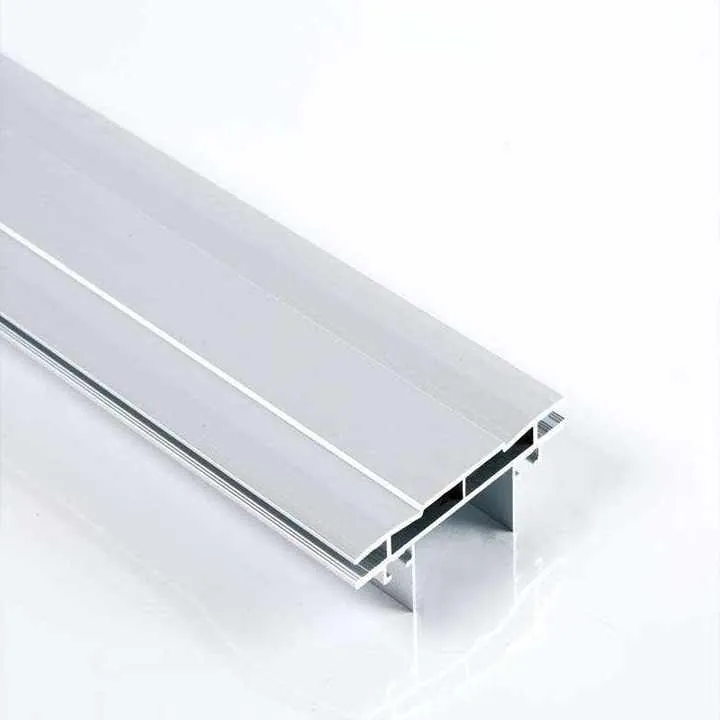
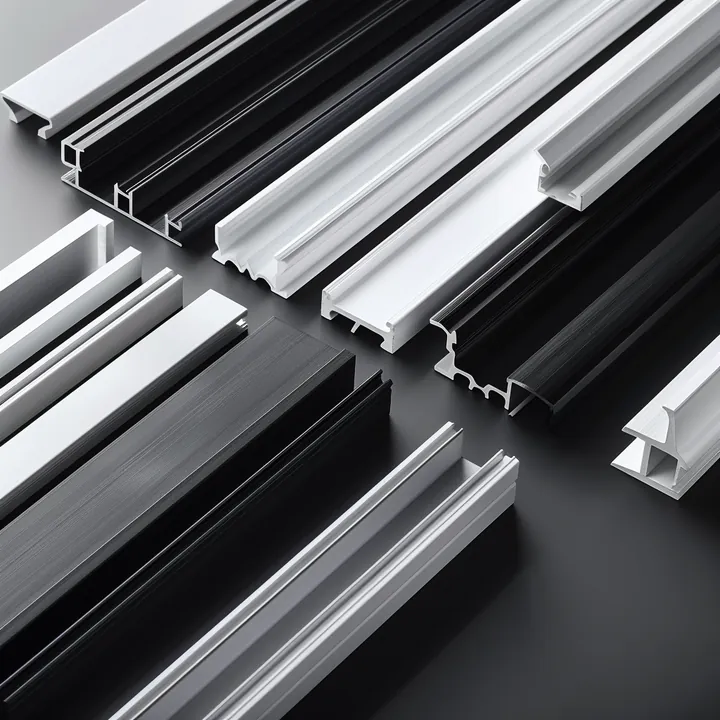
Aluminium extrusion is a type of forming process where a billet of aluminium is softened by heat and forced through a steel die to form a specific cross-sectional shape. The shape that emerges is called an extrusion profile. These profiles are continuous in length and uniform in cross-section. Once extruded, the profile is cooled, straightened, cut to desired length, and often aged to increase strength.
Key features of aluminium extrusion
- Cross-section remains consistent along the entire length
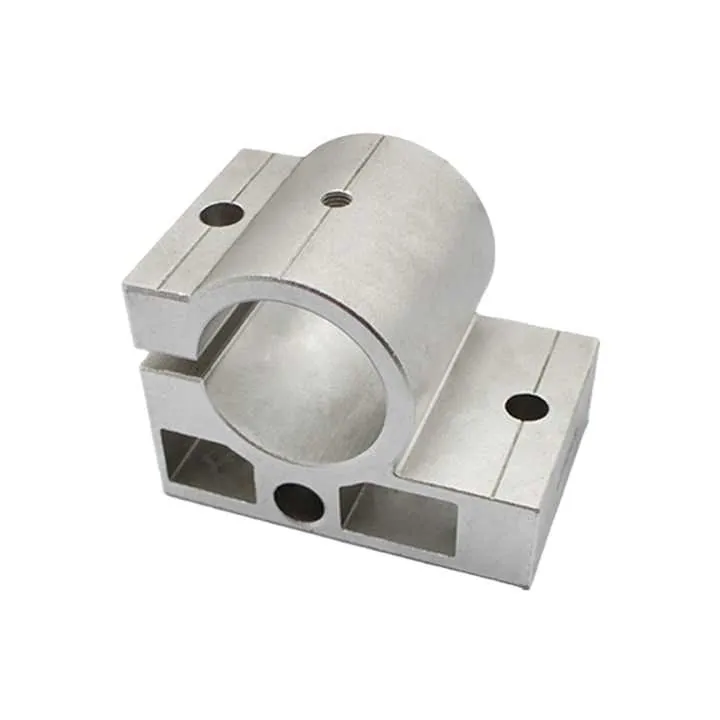
- Can include hollow, solid, or semi-hollow shapes
- Material is typically pre-heated to improve flow and reduce internal stresses
- The die defines the profile shape, and slight variations in die design lead to different outcomes
Process overview
- Aluminium billet is preheated
- It is placed into an extrusion press
- A ram pushes the billet through the die
- The profile emerges in the shape of the die
- It is cooled, cut, straightened, and heat treated
Aluminium extrusions are all about shaping material efficiently. The process is flexible, fast, and ideal for producing strong, lightweight, and repeatable profiles.
Aluminum extrusion always involves heating the billet to a high temperatureFalse
Heating improves flow but not all aluminium extrusions require high temperature; cold or warm extrusion can also be used in some cases.
The shape of the die opening directly determines the cross‑section of the extruded profileTrue
The die's opening defines the final shape of the extruded aluminium profile.
Why industries rely on extrusion profiles?
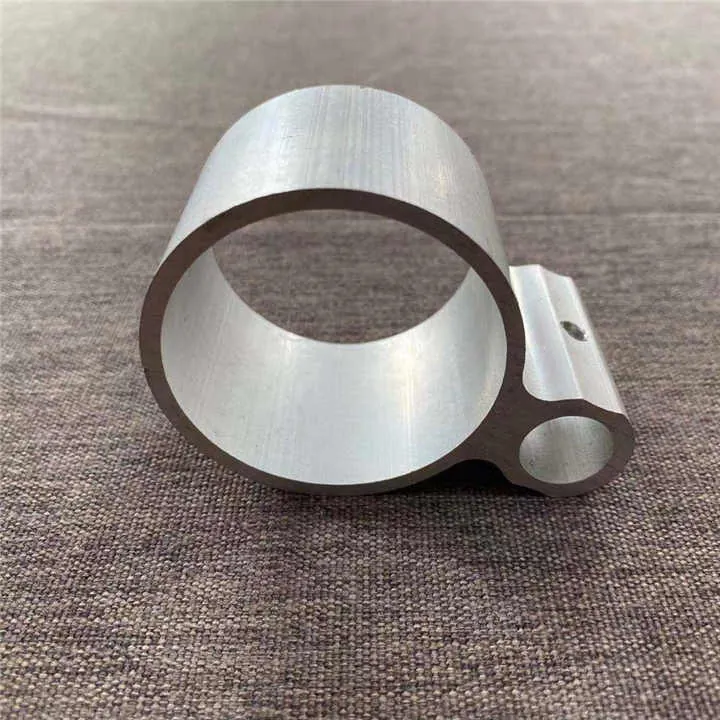
Industries rely on aluminium extrusion profiles because they offer a unique combination of properties—lightweight, strong, corrosion-resistant, and highly formable. The extrusion process enables complex designs that meet the technical and structural needs of a wide variety of products.
Extruded aluminium can be used to produce parts that would be difficult or costly to make using other methods. This includes long, complex cross-sectional components that need high precision, aesthetic finish, and durability. Extrusions also allow for built-in features like grooves, flanges, and ribs that eliminate the need for additional machining or joining.
Key benefits
- Design flexibility: Enables the creation of custom shapes tailored to specific applications
- Material efficiency: Less waste due to precision forming
- Strength-to-weight ratio: Ideal for applications where lightweight materials are needed
- Corrosion resistance: Aluminium naturally resists rust and oxidation
- Recyclability: Aluminium can be recycled repeatedly without losing quality
Why engineers prefer extrusions
| Feature | Benefit |
|---|---|
| Lightweight | Reduces energy use, easier handling |
| Precision shaping | Ideal for modular or assembly-based systems |
| Surface compatibility | Easily anodized, coated, or painted |
| Customization | Fits exact product requirements |
| Cost-effectiveness | Long lengths reduce part count and labor |
Aluminium extrusions strike the right balance between performance and cost. That’s why they’re essential in many engineering and design fields.
Industries relying on aluminium extrusions mostly value only the aesthetic appearance, not structural performanceFalse
While aesthetics help, most industries depend on the structural capabilities and lightweight strength of aluminium extrusions.
Once a profile is extruded, it is very easy and cheap to change shape in productionFalse
Profile changes require new dies, which adds time and cost; shape changes are not simple during production.
Where are extrusions commonly used?

Aluminium extrusions are used in almost every major industry. Their strength, light weight, and adaptability make them ideal for applications where custom shapes and long profiles are necessary. You’ll find them in buildings, vehicles, machines, and electronic products.
Extrusions are used as structural components, functional supports, heat transfer devices, or aesthetic frames. Because the same profile can be produced repeatedly, they are also ideal for high-volume manufacturing and standardized parts.
Main applications
- Architecture & building: Window frames, door tracks, curtain walls, roofing structures
- Transportation: Car body panels, bus frames, train interiors, aviation components
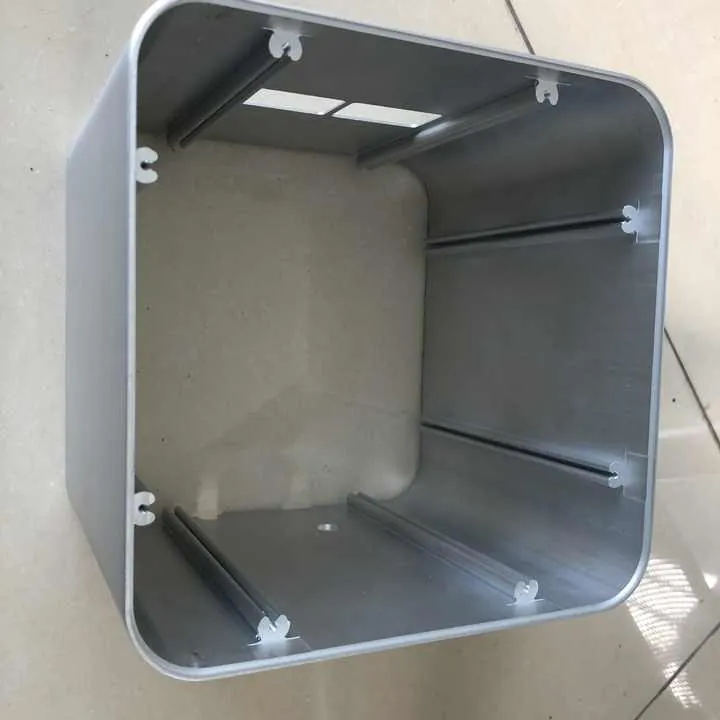
- Electronics: Heat sinks, LED housings, equipment enclosures
- Machinery & factory systems: Conveyor guides, machine framing, modular fixtures
- Furniture & consumer goods: Table legs, shelves, decorative trims
Common industry usage examples
| Industry | Typical Extruded Parts |
|---|---|
| Construction | Frames, beams, cladding |
| Automotive | Roof rails, seat tracks, structural supports |
| Electronics | Enclosures, heat dissipation components |
| Machinery | Support structures, modular profiles |
| Furniture | Brackets, legs, handles |
Whether functional or decorative, aluminium extrusions are chosen because they combine strength, light weight, and customizability in one product.
Aluminium extrusions are rarely used in the electrical industryFalse
They are commonly used in electrical enclosures, LED housings, and heat sinks.
Construction is one of the largest users of extruded aluminium profilesTrue
The building industry is a primary consumer of aluminium extrusions due to their strength and appearance.
Can extrusion geometry improve performance?
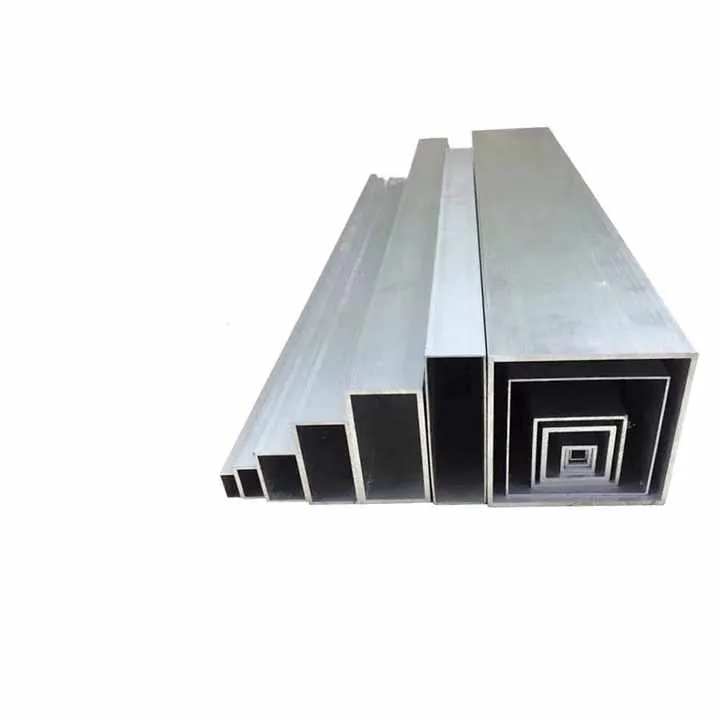
Extrusion geometry matters. The shape of the aluminium profile can make a big difference in how the part performs—both during extrusion and in the final application. A well-designed profile improves strength, reduces weight, and lowers production costs.
By adjusting features like wall thickness, internal cavities, flanges, ribs, and corner radii, engineers can create profiles that meet exact needs for load-bearing, stiffness, and integration. Smart geometry design also reduces waste, speeds up assembly, and ensures better thermal or structural performance.
Key performance-related design choices
- Wall thickness: Uniform walls reduce warping and internal stress
- Symmetry: Balanced shapes flow better through the die and cool evenly
- Corners and fillets: Rounded edges reduce stress concentrations and extend die life
- Built-in features: Channels, grooves, slots reduce post-processing
Geometry features and their benefits
| Feature | Performance Benefit |
|---|---|
| Uniform thickness | Predictable flow, less distortion |
| Symmetry | Easier manufacturing, better appearance |
| Corner fillets | Better strength, smoother extrusion |
| Integrated elements | Faster assembly, reduced part count |
Extrusion isn’t just about producing metal shapes—it’s about creating designs that perform under real-world conditions. Better geometry equals better results.
A complex profile geometry always yields better performance than a simpler oneFalse
Complex profiles may add cost and create issues; a simple, well-optimized shape often performs better.
Designing extrusion geometry with wall thickness variation and unsymmetrical features can lead to increased cost and worse qualityTrue
Uneven designs may warp, stress the die, and increase waste or failure rates.
Conclusion
Aluminium extrusions are an essential part of modern manufacturing. They offer unmatched flexibility in design, light weight, and strong performance across multiple industries. By understanding how extrusions are formed, used, and optimized through geometry, engineers and designers can unlock greater efficiency and innovation in their products.