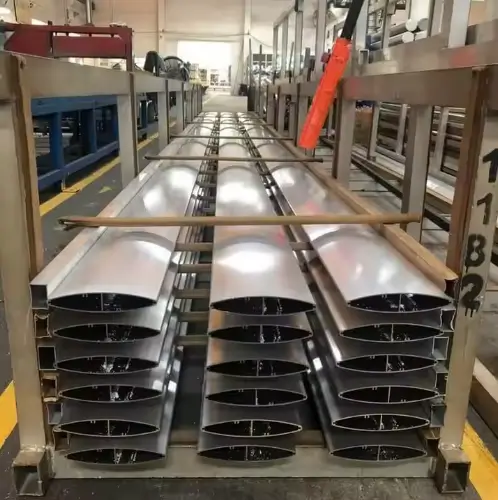
Допуск на екструзію алюмінію для складної геометрії?

Складні алюмінієві профілі виходять з ладу частіше, ніж очікувалося. Деталі не підходять. Збірки зупиняються. Витрати швидко зростають. Багато покупців недооцінюють межі допуску, коли геометрія стає складною.
Допуск на екструзію алюмінієвих профілів складної геометрії залежить від форми профілю, балансу товщини стінок, сплаву, конструкції матриці та контролю процесу. Складні форми завжди зменшують досяжний допуск порівняно з простими профілями, якщо не застосовувати вторинну механічну обробку.
Ця тема важлива, оскільки складні профілі зараз поширені в будівництві, сонячній енергетиці, транспорті та автоматизації. Розуміння меж допуску на ранніх стадіях дозволяє уникнути перепроектування, затримок і прихованих витрат.
Які допуски застосовуються до складних форм екструзії?
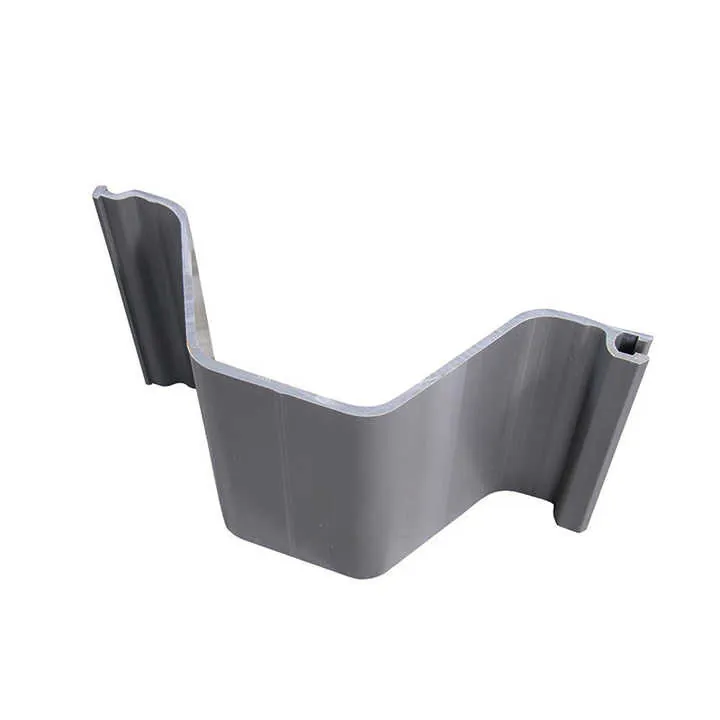
Складні профілі ідеально виглядають на кресленнях. У виробництві вони поводяться інакше. Гострі кути, глибокі порожнини та нерівні стінки доводять екструзію до межі. Багато покупців вважають, що допуски залишаються незмінними. Це не так.
Складні екструзійні форми мають ширші допуски на розміри, ніж прості профілі, оскільки потік металу під час екструзії стає нерівномірним, особливо в тонких стінках і порожнистих секціях.
Чому складні форми поводяться по-різному
Екструзія алюмінію - це процес гарячого формування. Алюміній протікає через матрицю під тиском. У простих формах потік залишається збалансованим. У складних формах швидкість потоку відрізняється на різних ділянках.
Варіації толерантності зумовлені кількома факторами:
- Тонкі секції охолоджуються швидше, ніж товсті
- Довгі консольні елементи згинаються під час виходу
- Порожнисті профілі деформуються під час загартування
- Асиметричні конструкції витягують матеріал нерівномірно
Кожен випуск збільшує розмірне відхилення.
Типові діапазони допусків
Для більшості промислових екструзій допуски відповідають галузевим стандартам, таким як EN або ASTM. Однак складна геометрія завжди підштовхує результати до верхньої межі допуску.
| Тип профілю | Типовий допуск на ширину | Типова прямолінійність |
|---|---|---|
| Простий суцільний | +/- 0,15 мм | 1/1000 довжини |
| Просте дупло | +/- 0,20 мм | 1,5/1000 довжини |
| Складна улоговина | +/- 0,30 мм до 0,50 мм | 2/1000 довжини |
Це реальні виробничі показники, а не лабораторні результати.
Критичні характеристики в порівнянні з загальним розміром
Не всі розміри поводяться однаково. Зовнішня ширина може залишатися стабільною. Внутрішні прорізи або пази зміщуються більше.
Важливі моменти, на які слід звернути увагу:
- Ширина прорізу варіюється більше, ніж зовнішня ширина
- Збільшення радіусів кутів під час екструзії
- Глибокі канали злегка закриваються після загартування
Це важливо, коли профілі з'єднуються з кріпленнями або іншими деталями.
Дизайнерські рішення, які допомагають
Контроль допусків починається на етапі проектування. Прості зміни знижують ризик:
- Збалансуйте товщину стінок, де це можливо
- Уникайте дуже глибоких вузьких порожнин
- Дотримуйтесь симетрії навколо центральної лінії
- Трохи збільшити радіуси кутів
Ці кроки часто нічого не коштують, але заощаджують тижні потому.
Перевірка реальності для покупців
На кресленнях часто вказуються жорсткі допуски на всі характеристики. Це створює конфлікт. Екструзія може задовольнити функціональні допуски, але не скрізь ідеальні.
Розуміння того, де толерантність справді має значення, є ключовим.
Складні алюмінієві екструзійні профілі зазвичай вимагають ширших допусків, ніж прості форми, через нерівномірність потоку металу.Правда.
Складні форми створюють незбалансований потік і охолодження, що, природно, збільшує варіації розмірів.
Складні екструзійні профілі дозволяють досягти таких самих жорстких допусків, як і прості тверді тіла, без жодних змін у технологічному процесі.Неправда.
Складна геометрія зменшує можливості допуску, якщо не додати механічну обробку або спеціальний контроль.
Як складність профілю впливає на контроль толерантності?
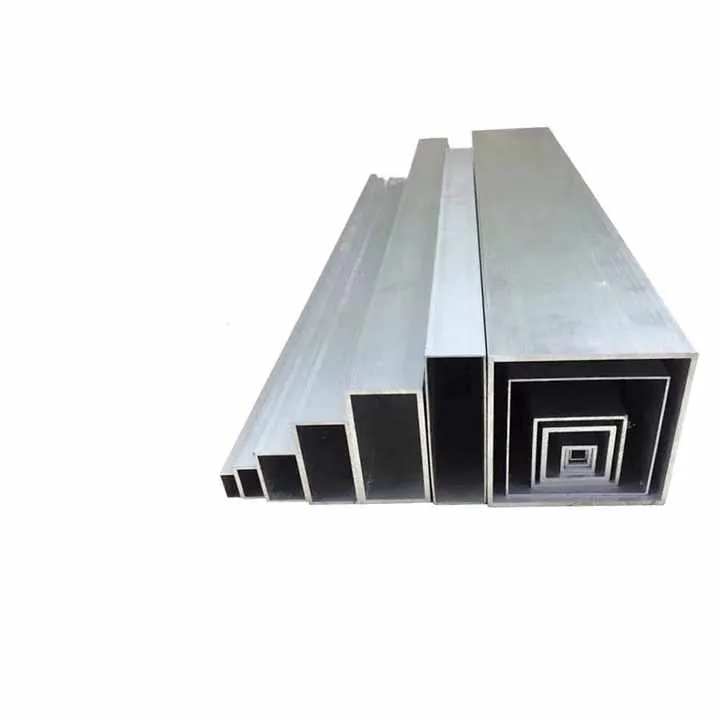
Складність - це не лише форма. Вона також означає, як алюміній поводиться під впливом тепла, тиску та швидкості. Кожна додаткова функція збільшує ризик.
Складність профілю зменшує контроль допусків, оскільки створює нерівномірний потік металу, більшу напругу штампа та більшу деформацію під час охолодження та рихтування.
Дисбаланс потоку металу
Усередині матриці алюміній проходить найпростіший шлях. Тонкі ділянки заповнюються швидше. Товсті ділянки відстають.
Це призводить до:
- Згинання в довгих профілях
- Скручування в асиметричних формах
- Локальна зміна розміру по довжині
Навіть з ідеальними матрицями фізика все одно діє.
Прогин і знос матриці
Складні матриці мають тонкі язички та містки. Під тиском ці частини злегка рухаються.
З часом:
- Отвори розширюються
- Дрейф критичних розмірів
- Повторюваність падає
Ось чому ранні зразки часто виглядають краще, ніж пізніші партії, якщо матриця не підтримується в належному стані.
Ефекти охолодження та гартування
Після екструзії профілі охолоджуються. У складних формах охолодження рідко буває рівномірним.
Результати включають:
- Викривлення порожнистих профілів
- Різниця в усадці стін
- Втрата площинності
Товстіші ділянки довше зберігають тепло. Тонкі плавники швидко охолоджуються і втягуються всередину.
Обмеження випрямлення
Випрямлення розтягуванням виправляє поздовжнє викривлення. Воно не може повністю виправити викривлення поперечного перерізу.
Ключові ліміти:
- Скручування не може бути повністю видалене
- Тонкі плавники можуть тріснути, якщо їх перенапружити
- Внутрішні порожнини залишаються викривленими
Це встановлює жорсткі межі контролю толерантності.
Концепція оцінки складності
Багато інженерів використовують неформальну оцінку складності під час визначення ціни.
| Рівень складності | Приклади функцій | Ризик толерантності |
|---|---|---|
| Низький | Суцільні прутки, плоскі форми | Низький |
| Середній | Прості заглиблення, Т-подібні пази | Середній |
| Високий | Багатопорожнинний, тонкі плавники | Високий |
Вища складність завжди означає вищу вартість або меншу толерантність.
Компроміс між вартістю та толерантністю
Виробники можуть контролювати допуск у складних профілях:
- Зменшити швидкість екструзії
- Використовуйте спеціальні матеріали для штампування
- Додайте проміжні етапи старіння
- Збільшити частоту перевірок
Кожен крок збільшує вартість. Покупці повинні вирішити, що для них важливіше.
Практичний висновок
Складність примножує ризик толерантності. Це не провал якості. Це реальність процесу.
Чітка комунікація на ранньому етапі запобігає виникненню суперечок пізніше.
Складність профілю збільшує складність контролю допусків на екструзію.Правда.
Складні форми спричиняють нерівномірність потоку, відхилення матриці та викривлення охолодження, що ускладнює контроль допусків.
Швидкість екструзії не впливає на контроль допусків у складних алюмінієвих профілях.Неправда.
Для поліпшення стабільності допусків у складних формах часто потрібні менші швидкості екструзії.
Чи може механічна обробка компенсувати допуски на екструзію?
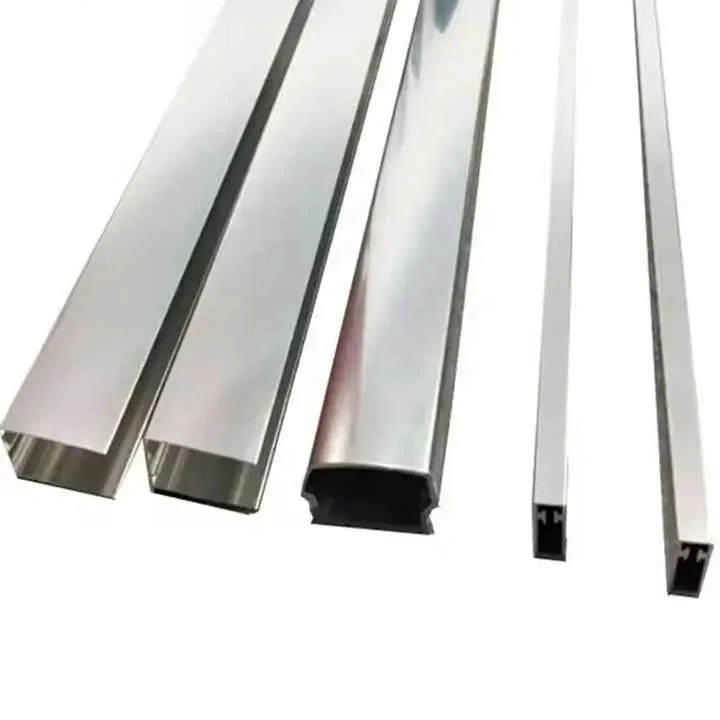
Екструзія сама по собі не може вирішити всі проблеми з толерантністю. Механічна обробка існує не просто так. Але механічна обробка не є безкоштовною, і вона має свої межі.
Механічна обробка може компенсувати допуски екструзії на критичних елементах, але вона збільшує вартість і повинна застосовуватися тільки там, де функція вимагає точності.
Що добре робить механічна обробка
Механічна обробка видаляє матеріал контрольованим способом. Він перевершує в цьому:
- Регулювання ширини прорізу
- Точність позиціонування отворів
- Площинність і паралельність
- Інтерфейсні поверхні
Ці особливості часто мають найбільше значення при складанні.
Що не може виправити механічна обробка
Механічна обробка не все виправляє:
- Загальне скручування по довжині
- Суворий уклін
- Викривлення внутрішньої порожнини без доступу
Якщо екструзія основи знаходиться занадто далеко, обробка стає неефективною.
Гібридна стратегія толерантності
Найкращим підходом часто є поєднання екструзії та механічної обробки.
Зазвичай кроки виглядають так:
- Екструдуйте в межах реалістичного допуску
- Визначте функціональні особливості
- Обробляйте тільки критичні зони
- Залиште некритичні ділянки неекструдованими
Це дозволяє тримати витрати під контролем.
Огляд впливу на витрати
| Тип функції | Тільки екструзія | З механічною обробкою |
|---|---|---|
| Зовнішня ширина | Низька вартість | Середній |
| Внутрішній слот | Середній | Висока точність |
| Точний отвір | Неможливо. | Потрібно |
| Плоска монтажна поверхня | Обмежений | Чудово. |
Обробка зміщує витрати з інструменту на робочу силу та тривалість циклу.
Конструкція для механічної обробки з самого початку
Проблеми виникають, коли механічна обробка додається із запізненням. Розумні конструкції дозволяють легко фіксувати.
Корисні варіанти дизайну:
- Додати плоскі опорні грані
- Уникайте глибоких важкодоступних кишень
- Згрупуйте оброблені елементи разом
- Зберігайте простий напрямок обробки
Це скорочує час циклу та зменшує кількість браку.
Контроль стеку допусків
Механічна обробка також допомагає керувати стеками допусків у збірках. Замість того, щоб посилювати кожен допуск екструзії, точність додається лише там, де деталі стикаються.
Такий підхід підвищує врожайність.
Зміна мислення покупця
Екструзія - для форми. Механічна обробка - для точності. Очікування, що екструзія поводитиметься як механічна обробка, призводить до розчарування.
Правильне використання обох дає стабільні результати.
Механічна обробка ефективна для підвищення точності на критичних ділянках алюмінієвих екструзій.Правда.
Механічна обробка дозволяє точно контролювати такі елементи, як пази, отвори та плоскі поверхні.
Механічна обробка може повністю виправити сильне скручування і вигин, що виникають під час екструзії.Неправда.
Механічна обробка не може економічно виправити великомасштабні викривлення по довжині профілю.
Які методи контролю вимірюють точність складної геометрії?
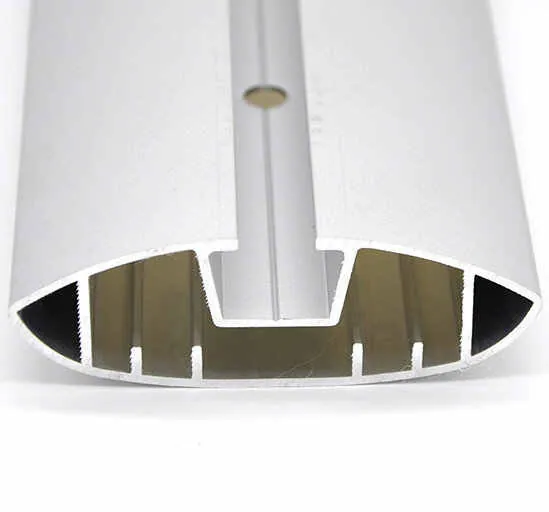
Виміряти складну геометрію важче, ніж зробити її. Багато суперечок виникає через методи вимірювання, а не через фактичні дефекти.
Точний контроль складної геометрії екструзії вимагає поєднання вимірювання координат, оптичного сканування та функціональних датчиків, а не тільки простих штангенциркулів.
Обмеження основних інструментів
Штангенциркулі та мікрометри працюють для простих розмірів. Вони виходять з ладу з:
- Внутрішні порожнини
- Неправильні профілі
- Кручені секції
Покладання лише на базові інструменти приховує реальні проблеми.
Координатно-вимірювальні машини
Для складних профілів широко застосовуються КВМ.
Вони пропонують:
- Висока точність точок
- Повторювані результати
- Експорт даних для аналізу
Однак для роботи з КВМ потрібні кваліфіковані оператори та стабільне кріплення.
Оптичне та лазерне сканування
Для дуже складних форм корисним є сканування.
Переваги включають в себе:
- Захоплення повного профілю
- Швидке порівняння з САПР
- Візуальні карти відхилень
Обмеження включають відбивну здатність поверхні та обмеження роздільної здатності на гострих краях.
Функціональні датчики
Іноді найкраща перевірка - це функціональна перевірка.
Приклади:
- Манометри з вимикачем/невимикачем
- Випробування на придатність збірки
- Тести на ковзання
Якщо деталь працює в збірці, вона часто передає функцію, навіть якщо деякі розміри зміщуються.
Порівняння методів перевірки
| Метод | Точність | Швидкість | Найкраще використання |
|---|---|---|---|
| Штангенциркулі | Середній | Швидко | Прості функції |
| ШМ | Високий | Середній | Критичні розміри |
| Лазерне сканування | Від середнього до високого | Швидко | Складна геометрія |
| Функціональний калібр | На основі функцій | Швидко | Монтажна посадка |
Жоден метод не вирішує всіх потреб.
Частота перевірок має значення
Складні профілі потребують частіших перевірок, особливо на початку виробництва.
Найкращі практики включають:
- Перша перевірка статті
- Перевірки в процесі роботи
- Фінальний відбір проб партії
Пропуск ранніх перевірок збільшує ризик браку в подальшому.
Інформування про результати
Звіти про перевірку повинні відповідати задуму малюнка. Надмірне вимірювання несуттєвих елементів створює плутанину.
Чітке визначення критичних вимірів дозволяє зосередитися на головному.
Складна геометрія алюмінієвої екструзії часто вимагає вдосконалених методів контролю, що виходять за рамки базових штангенциркулів.Правда.
Для точного оцінювання складних деталей потрібні КВМ, сканування та функціональні датчики.
Функціональне тестування є ненадійним і ніколи не повинно використовуватися для перевірки екструзії.Неправда.
Функціональні калібри цінні, коли реальною вимогою є придатність до збірки, а не ізольовані розміри.
Висновок
Складна геометрія алюмінієвої екструзії завжди є викликом для контролю допусків. Найкращі результати досягаються завдяки реалістичному проектуванню, селективній обробці та належному контролю. Розуміння технологічних обмежень на ранніх стадіях зменшує витрати, затримки та суперечки щодо якості.