Алюмінієвий профіль, рекомендований для зовнішнього використання?
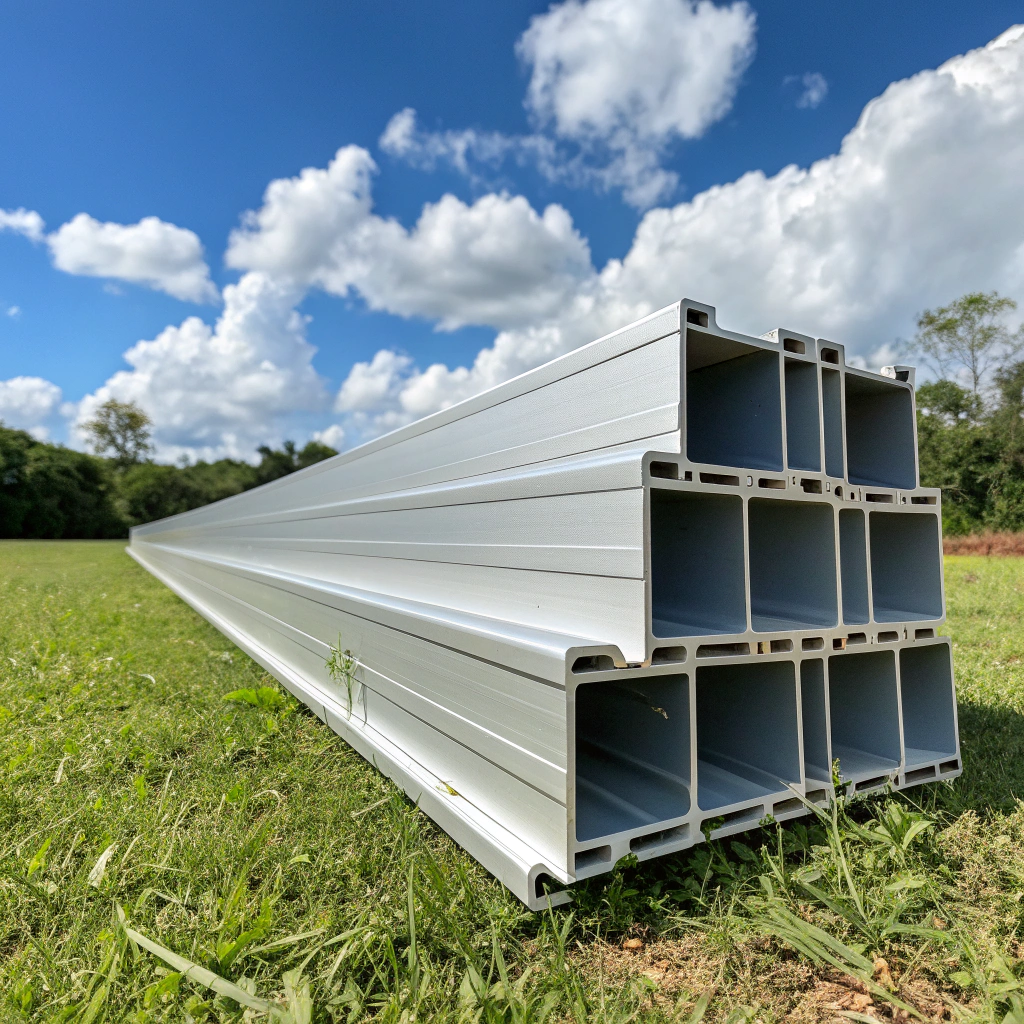
Проекти на відкритому повітрі часто зазнають невдачі через неправильний вибір алюмінієвого сплаву. Корозія, вицвітання кольору та втрата міцності з'являються швидше, ніж очікувалося. Це призводить до витрат, затримок і ризиків.
Так, екструзія алюмінію може дуже добре працювати на відкритому повітрі, але тільки тоді, коли правильно підібрані сплав і обробка відповідно до навколишнього середовища, навантаження і терміну служби.
Багато покупців спочатку звертають увагу на ціну або форму. Такий підхід часто призводить до передчасної заміни. Кращий шлях - зрозуміти, як хімічний склад сплаву, волога та обробка поверхні працюють разом.
Які алюмінієві сплави найкраще підходять для зовнішнього використання?
Використання на відкритому повітрі швидко виявляє слабкі сплави. Деякі сплави піддаються корозії, деякі деформуються, а деякі втрачають зовнішній вигляд. Це робить вибір сплаву першим технічним рішенням, а не другорядним.
Для більшості проектів з екструзії алюмінію на відкритому повітрі найкращим вибором є 6063 і 6061, оскільки вони збалансовано поєднують корозійну стійкість, міцність і якість поверхні.
Чому вибір сплаву має значення на відкритому повітрі
Зовнішні умови піддаються трьом постійним стресам. Це волога, перепади температури та ультрафіолетове випромінювання. Алюмінієві сплави по-різному реагують на кожен з цих факторів. Неправильно підібраний сплав може виглядати добре в перший рік, а на третій рік вийти з ладу.
Я часто бачу, як покупці вважають, що весь алюміній однаковий. Це не так. Легуючі елементи, такі як магній і кремній, змінюють поведінку алюмінію на відкритому повітрі. Ці елементи контролюють швидкість корозії, твердість і якість поверхні.
Поширені зовнішні алюмінієві екструзійні сплави
Нижче наведено просте порівняння найпоширеніших екструзійних сплавів для зовнішнього застосування.
| Сплав | Стійкість до корозії | Рівень міцності | Якість обробки поверхні | Типове використання на відкритому повітрі |
|---|---|---|---|---|
| 6063 | Чудово. | Середній | Дуже гладкий | Фасади, рами, огорожі |
| 6061 | Дуже добре. | Високий | Добре. | Конструкційні рами, опори |
| 6005A | Добре. | Високий | Середній | Промислові зовнішні системи |
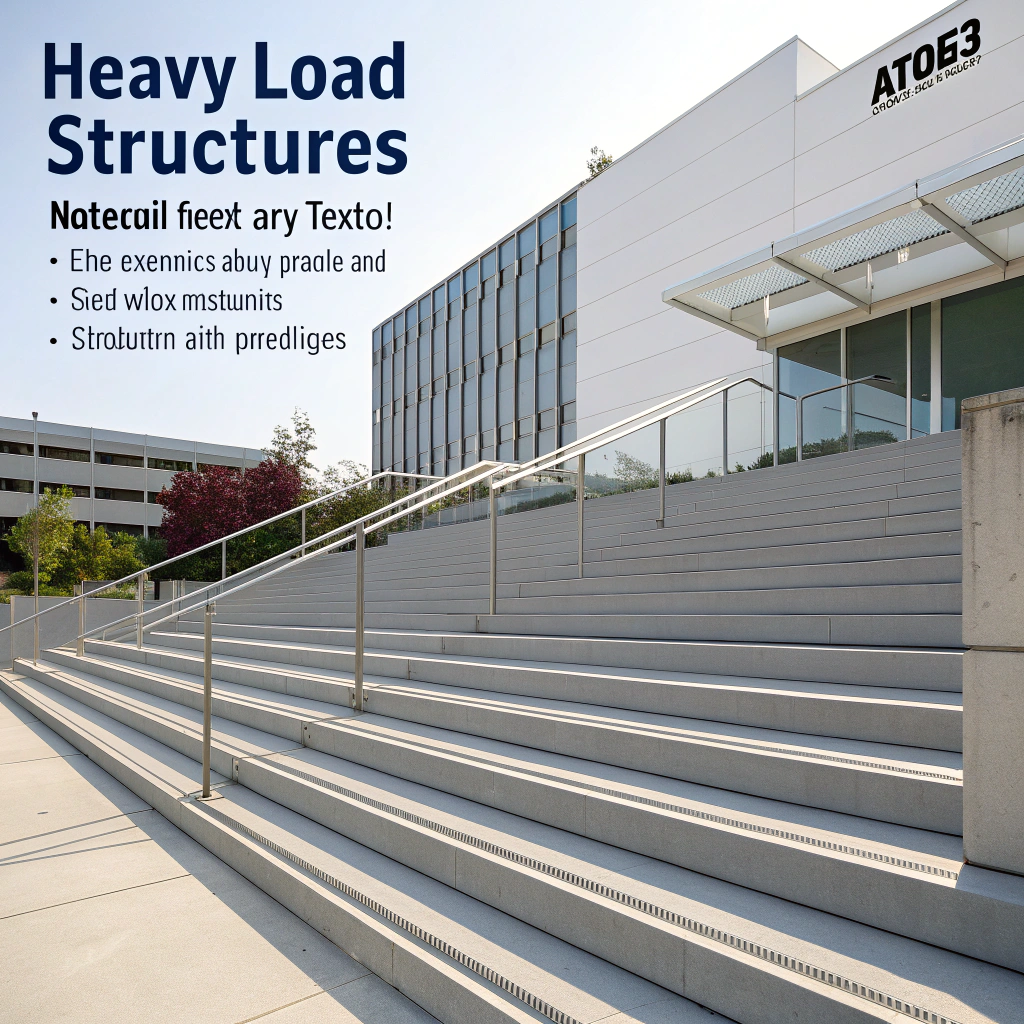
| 6082 | Добре. | Дуже високий | Середній | Конструкції з високим навантаженням |
6063 широко використовується для архітектурних виробів на відкритому повітрі. Легко екструдується і дає чисту анодовану поверхню. 6061 міцніший і добре підходить для тих випадків, коли навантаження має більше значення, ніж зовнішній вигляд.
Підбір сплаву до типу проекту
Для видимих зовнішніх частин якість поверхні має значення. 6063 зазвичай є найбезпечнішим варіантом. Для несучих зовнішніх рам часто краще використовувати 6061. У багатьох проектах обидва сплави використовуються в одній системі.
Реальні фактори продуктивності на відкритому повітрі
Зовнішній алюміній зазнає невдачі не тому, що алюміній слабкий. Він виходить з ладу тому, що при виборі сплаву ігнорується клімат. Прибережне повітря, промислове забруднення та висока вологість прискорюють корозію. Вибір правильного сплаву зменшує довгостроковий ризик.
Сплави 6063 і 6061 широко використовуються для зовнішньої екструзії алюмінію завдяки збалансованій корозійній стійкості та міцності.Правда.
Обидва сплави містять магній і кремній, які покращують корозійну стійкість і механічну стабільність у зовнішніх умовах.
Всі алюмінієві екструзійні сплави однаково добре працюють на відкритому повітрі незалежно від складу.Неправда.
Різні легуючі елементи змінюють корозійну поведінку і міцність, що призводить до дуже різних експлуатаційних характеристик на відкритому повітрі.
Як вплив вологи впливає на вибір сплаву?
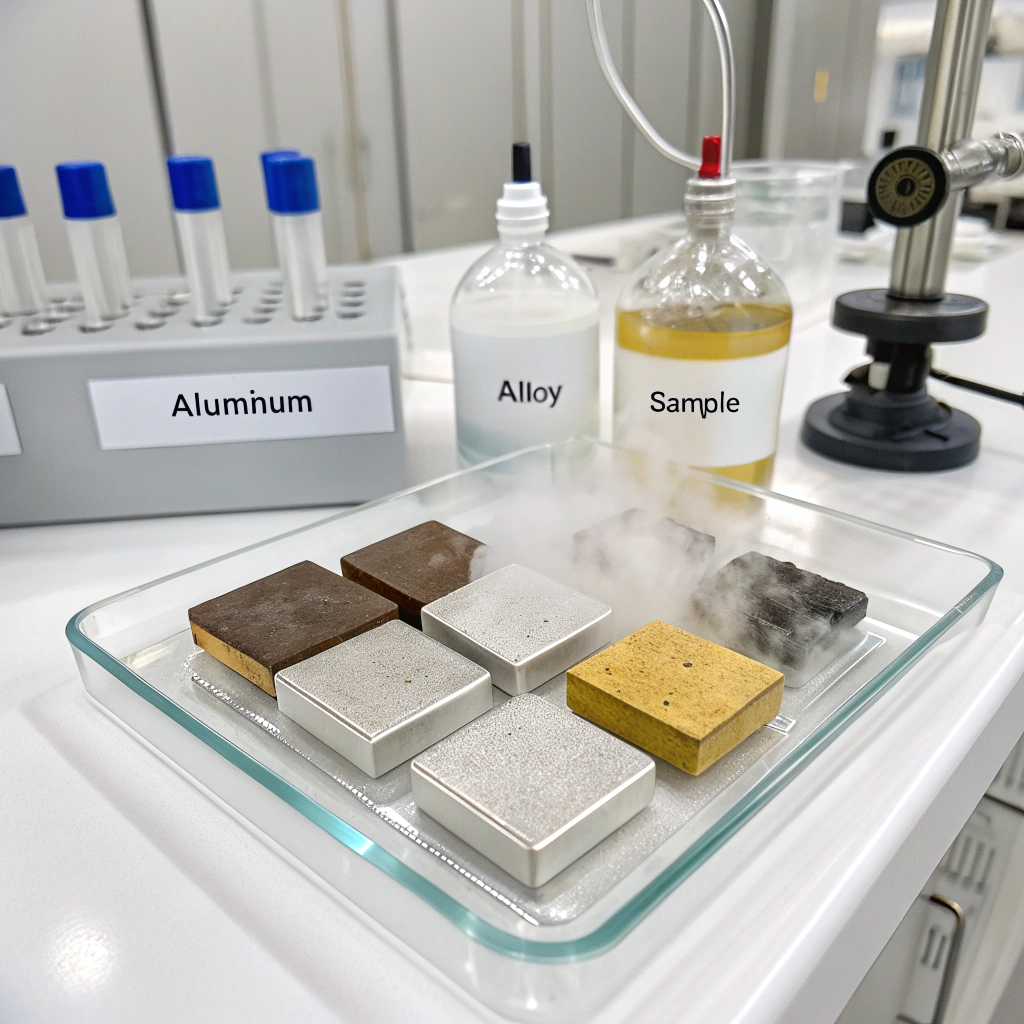
Волога - головний ворог алюмінію на вулиці. Дощ, вологість, конденсат і сольові бризки з часом руйнують металеву поверхню. Вибір сплаву контролює швидкість появи пошкоджень.
Підвищений вплив вологи вимагає сплавів з більшою природною корозійною стійкістю і кращою стабільністю поверхні.
Розуміння типів вологості
Не вся волога поводиться однаково. Невеликий дощ у сухих регіонах відрізняється від постійної вологості в прибережних зонах. Конденсація в затінених місцях може бути гіршою за прямий дощ.
Існує три основні середовища зволоження:
- На вулиці сухо, зрідка йде дощ
- Вологий зовнішній простір з частим утворенням конденсату
- Морські або промислові з сіллю або хімікатами
Кожне середовище вимагає різної стратегії сплаву.
Як сплави реагують на вологу
Чистий алюміній утворює тонкий оксидний шар, який захищає його. Деякі легуючі елементи підтримують цей шар. Інші його послаблюють. Магній сприяє корозійній стійкості. Мідь зменшує її.
Ось чому сплави серії 6000 працюють на відкритому повітрі краще, ніж сплави серії 2000. Сплави з високим вмістом міді швидше кородують під впливом вологи.
Посібник з вибору сплаву на основі вологості
| Рівень вологості | Рекомендовані сплави | Сплави, яких уникають | Причина |
|---|---|---|---|
| Низький | 6063, 6005 | 2011 | Стабільний оксидний шар |
| Середній | 6063, 6061 | 2024 | Збалансований опір |
| Високий | 6061, 6082 | 7075 | Покращена стійкість до точечної деформації |
| Морський піхотинець | 6061, 5083 | Серія 2000 | Солестійкість |
Ризики довгострокового впливу
Волога рідко викликає миттєве руйнування. Вона спричиняє повільне утворення точок, плям і втрату товщини перерізу. З роками це послаблює з'єднання і зони кріплення.
У минулих проектах пошкодження від вологи часто з'являлися в першу чергу біля отворів для болтів та обрізаних країв. Ось чому вибір сплаву повинен узгоджуватися з оздобленням і дизайном.
Дизайн і сплав повинні працювати разом
Сплав сам по собі не може вирішити проблеми з вологою. Дизайн дренажу, ущільнення та оздоблення - все це має значення. Проте, починаючи з вологостійкого сплаву, ви знижуєте ризик з першого дня.
Вплив вологи підвищує важливість корозійностійких алюмінієвих сплавів.Правда.
Вода і вологість прискорюють корозію, що робить вибір сплаву критично важливим для довготривалої експлуатації.
Вплив вологи має незначний вплив на експлуатаційні характеристики алюмінієвих екструзійних сплавів.Неправда.
Різні сплави дуже по-різному реагують на вологу, особливо під час тривалого перебування на відкритому повітрі.
Чи є анодована обробка кращою для зовнішніх умов?
Зовнішній алюміній - це не лише про міцність. Зовнішній вигляд і термін служби поверхні мають значення. Анодування часто вибирають, але не завжди розуміють.
Так, анодованим покриттям надають перевагу на відкритому повітрі, оскільки вони покращують корозійну стійкість, стійкість кольору та твердість поверхні.

Що насправді робить анодування
Анодування потовщує природний шар оксиду на алюмінії. Цей шар стає частиною металу. Він не лущиться, як фарба. Це робить його дуже стійким на відкритому повітрі.
Процес також дозволяє контролювати колір. Природні сріблясті, бронзові, чорні та відтінки шампанського залишаються стабільними під впливом ультрафіолету.
Анодування в порівнянні з іншими видами обробки на відкритому повітрі
| Тип обробки | Зносостійкість на відкритому повітрі | Стійкість до ультрафіолету | Потреба в технічному обслуговуванні |
|---|---|---|---|
| Анодування | Чудово. | Дуже високий | Низький |
| Порошкове фарбування | Дуже добре. | Від середнього до високого | Середній |
| Фінішна обробка фрези | Бідолаха. | Низький | Високий |
| Фарба | Середній | Низький | Високий |
Анодування найкраще працює зі сплавом 6063 завдяки гладким екструзійним поверхням. Товстіші анодні шари краще працюють в суворих умовах.
Межі застосування анодованих покриттів
Анодування не ідеальне. Воно не приховує подряпини. Відповідність кольору між партіями вимагає контролю. У морських зонах потрібне більш товсте анодування.
Проте, у поєднанні з правильним сплавом, анодування забезпечує один з найдовших термінів служби на відкритому повітрі.
Коли анодування - не найкращий варіант
Для дуже складних кольорів краще використовувати порошкове покриття. Для важкого промислового використання, де зовнішній вигляд менш критичний, може бути прийнятною обробка фрезою плюс захист дизайну.
Вибираючи анодування, слід враховувати сплав, клімат і візуальні цілі разом.
Анодоване алюмінієве покриття покращує стійкість до зовнішньої корозії та стабільність кольору.Правда.
Анодний шар потовщує захисну оксидну поверхню і захищає від ультрафіолету та вологи.
Анодоване покриття є лише декоративним і не впливає на зовнішні характеристики.Неправда.
Анодування значно покращує корозійну стійкість і твердість поверхні.
Чи можна використовувати морські сплави в будівництві?
Морські сплави часто згадуються у зовнішніх проектах. Деякі покупці вважають, що вони завжди кращі. Це припущення потребує ретельної перевірки.
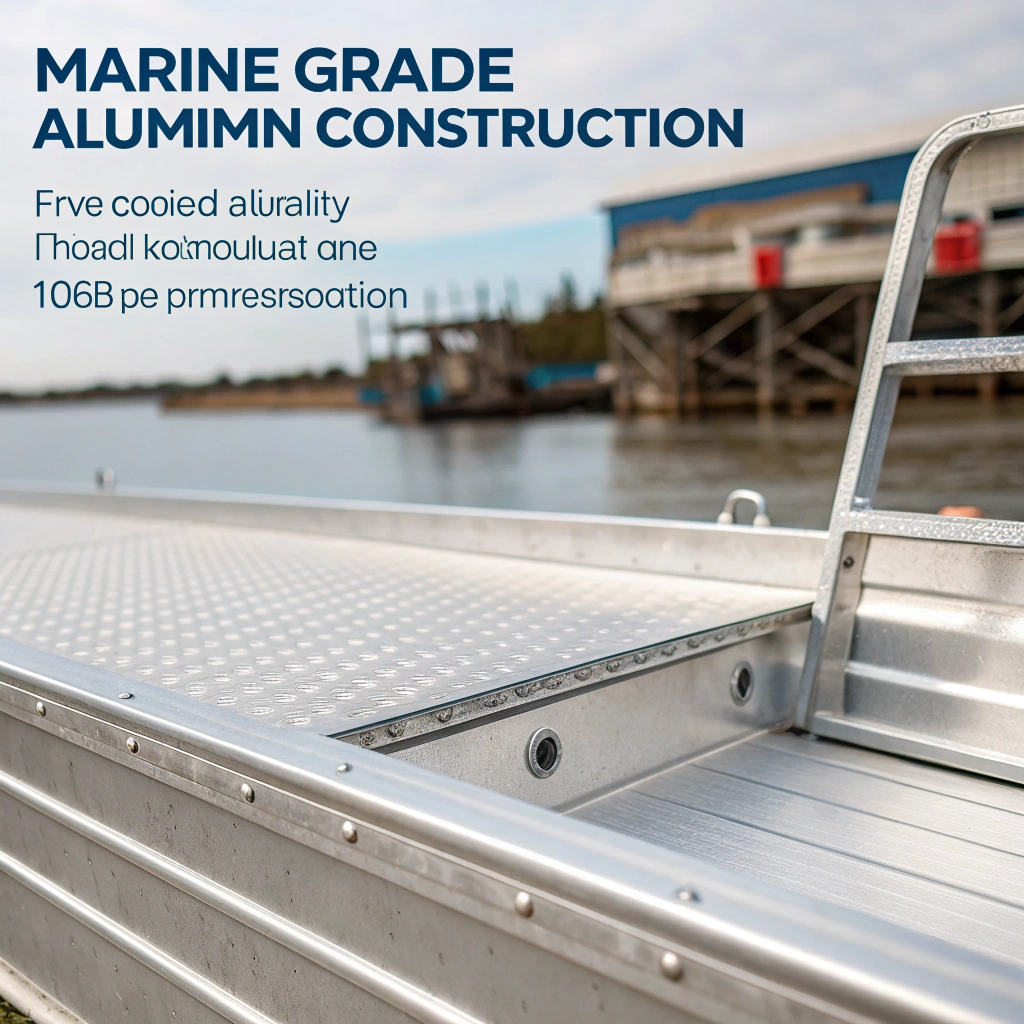
Морські сплави можуть використовуватися в будівництві, але вони не завжди є найбільш практичним або економічно ефективним вибором.
Що визначає морський алюміній
Морські сплави призначені для протистояння корозії в солоній воді. Зазвичай вони належать до серії 5000 і містять високий вміст магнію.
До поширених морських сплавів належать 5083 і 5052. Ці сплави дуже добре протистоять точковій корозії в сольовому середовищі.
Межі міцності та екструзії
Морські сплави мають високу корозійну стійкість, але слабкіші за складністю екструзії. Вони не так легко піддаються екструзії, як сплави серії 6000. Обробка поверхні також грубіша.
Це обмежує їх використання в архітектурних профілях і системах жорстких допусків.
Варіанти використання в будівництві
Сплави морського класу мають сенс:
- Прибережні споруди
- Морські платформи
- Об'єкти на набережній
- Високосольові промислові зони
У них може не бути сенсу:
- Декоративні фасади
- Складні екструдовані форми
- Проекти з обмеженим бюджетом
Компроміси між вартістю та переробкою
Морські сплави коштують дорожче. Знос інструменту вищий. Варіанти обробки обмежені. Результати анодування менш стабільні.
Для багатьох будівельних проектів 6061 з належним анодуванням працює досить добре без витрат морського класу.
Практична логіка вибору
Найкращим підходом є вибір, орієнтований на навколишнє середовище. Якщо вплив солі є постійним, підійдуть сплави морського класу. Якщо ні, практичним стандартом залишаються сплави серії 6000.
Алюмінієві сплави морського класу забезпечують чудову корозійну стійкість у середовищах з високим вмістом солей.Правда.
Високий вміст магнію підвищує стійкість до корозії в солоній воді.
Морські алюмінієві сплави завжди є найкращим вибором для всіх будівельних проектів на відкритому повітрі.Неправда.
Вони збільшують вартість, обмежують екструзію і є непотрібними в не морському середовищі.
Висновок
Екструзія алюмінію на відкритому повітрі досягає успіху, коли сплав, навколишнє середовище та покриття узгоджені між собою. 6063 і 6061 задовольняють більшість потреб. Волога збільшує ризик. Анодування додає захисту. Морські сплави - це спеціальні інструменти, а не відповіді за замовчуванням.