Екструзія алюмінію для морського обладнання?

Saltwater breaks hardware faster than most people expect. Rust, pitting, and fatigue raise costs and risks. Many buyers struggle to choose a material that lasts. Aluminum extrusion solves this by balancing strength, weight, and corrosion control for marine use.
Aluminum extrusion is widely used for marine hardware because it offers high strength-to-weight ratio, design flexibility, and proven corrosion resistance when paired with the right alloy and surface treatment.
Marine buyers keep reading because the details matter. Alloy choice, profile design, and surface finish decide real service life. Small decisions at the design stage often define years of reliable use at sea.
What makes aluminum suitable for marine components?
Aluminum works in marine hardware because seawater punishes heavy and reactive metals. Steel corrodes fast without coatings. Brass adds weight and cost. Aluminum stands between strength and resistance, which fits boats, docks, and offshore systems.
Aluminum is suitable for marine components because it is lightweight, strong enough for structural loads, and naturally forms a protective oxide layer that slows corrosion.
Marine systems value low mass. Lower weight improves fuel use, handling, and payload. Aluminum weighs about one third of steel. This matters for rails, ladders, frames, and housings where length and span add up fast.
Strength and stiffness balance
Aluminum alloys used in extrusion offer stable mechanical strength. They handle bending, torsion, and vibration well. In boats, vibration never stops. Engines, waves, and docking impacts create constant stress. Aluminum extrusions spread loads evenly along the profile.
Design freedom with extrusion
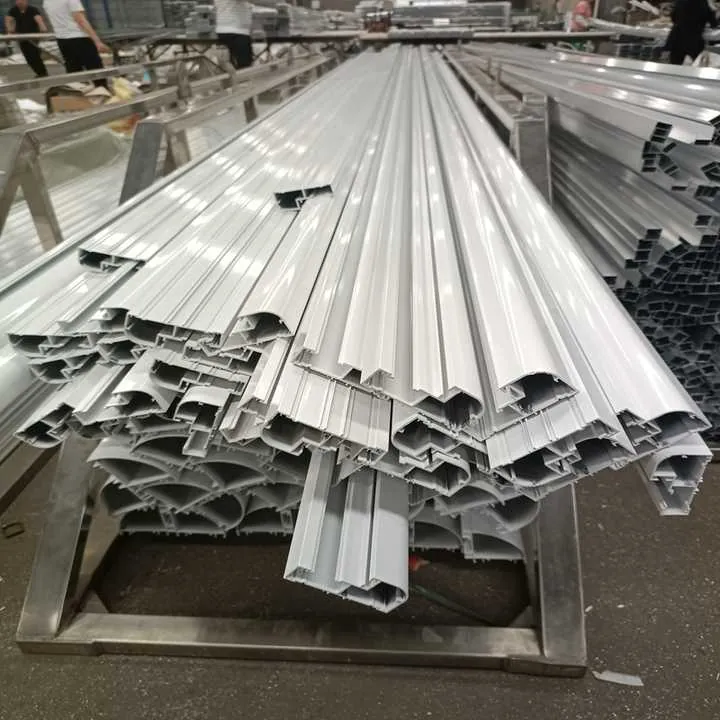
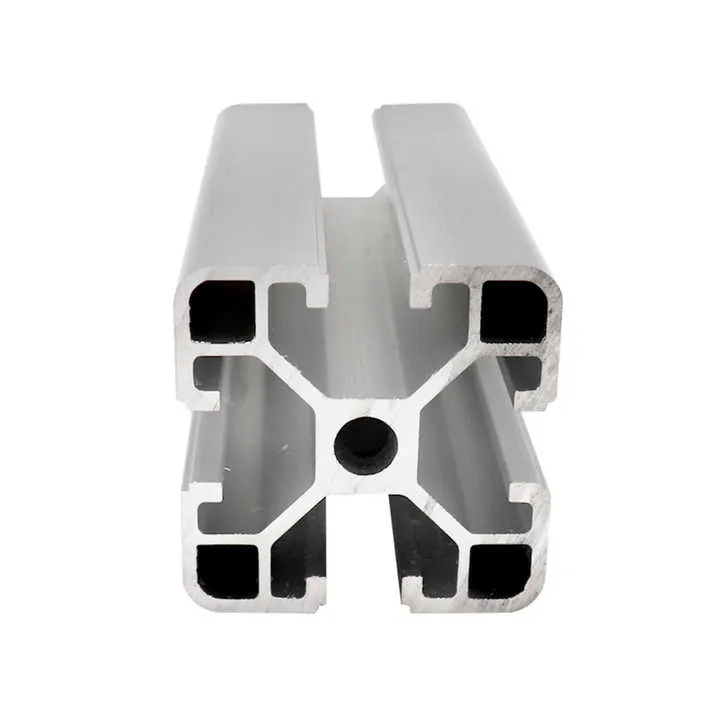
Extrusion allows complex cross sections in one piece. Channels, ribs, and mounting grooves reduce the need for welding. Fewer joints mean fewer corrosion points. This also shortens assembly time and improves consistency.
Thermal and electrical behavior
Marine equipment often includes lighting, power systems, and electronics. Aluminum conducts heat well. It helps dissipate heat from LED housings or control boxes. It also offers stable electrical grounding when designed correctly.
Typical marine alloy choices
| Сплав | Загальний характер | Key reason for marine use |
|---|---|---|
| 6063 | T5 / T6 | Smooth surface, good corrosion resistance |
| 6061 | T6 | Higher strength, good machinability |
| 6082 | T6 | Structural strength in harsh conditions |
These alloys balance formability and strength. They also respond well to anodizing and coating.
Aluminum does not mean zero maintenance. It means slower damage and predictable aging. When profiles are sized correctly, aluminum hardware performs for many years in seawater environments.
Aluminum is lighter than steel while still providing sufficient strength for most marine hardware.Правда.
Marine-grade aluminum alloys offer a strong strength-to-weight ratio, which reduces overall system mass without sacrificing structural safety.
Aluminum is unsuitable for marine use because it dissolves quickly in saltwater.Неправда.
Aluminum forms a stable oxide layer that protects it from rapid corrosion in marine environments.
How do extrusions resist saltwater corrosion?
Saltwater corrosion is not one process. It includes pitting, crevice corrosion, and galvanic attack. Aluminum extrusions resist these threats through material behavior and smart design.
Extruded aluminum resists saltwater corrosion by forming a stable oxide film and by allowing profile designs that reduce water traps and contact with dissimilar metals.

Natural oxide protection
When aluminum meets air or water, it reacts fast. This reaction forms a thin oxide layer. That layer blocks deeper corrosion. Unlike rust on steel, this oxide does not flake away. It stays bonded to the surface.
Profile design matters
Extrusion allows engineers to design drainage paths. Rounded corners and open channels help water escape. Flat pockets that trap saltwater are avoided. Good profiles dry faster, which slows corrosion.
Galvanic corrosion control
In marine systems, aluminum often contacts stainless steel or copper. This creates galvanic corrosion if not controlled. Designers use insulation pads, coatings, or fastener selection to break the electrical path.
Surface condition and finish
Scratches expose fresh metal. In seawater, this still reforms oxide quickly. However, rough surfaces hold salt longer. Smooth extrusion surfaces reduce salt buildup and ease cleaning.
Comparison of corrosion behavior
| Матеріал | Saltwater behavior | Maintenance demand |
|---|---|---|
| Carbon steel | Rapid rusting | Високий |
| Нержавіюча сталь | Crevice corrosion risk | Середній |
| Екструзія алюмінію | Stable oxide protection | Від низького до середнього |
Aluminum does not rust. Instead, it pits slowly if abused. With correct alloy choice and profile geometry, pitting remains shallow and predictable.
Marine buyers often focus only on coatings. In practice, geometry and contact control matter just as much. Extrusion gives control over both.
Aluminum extrusions resist saltwater corrosion partly due to their natural oxide layer.Правда.
The oxide layer forms quickly and protects the base metal from further attack in marine environments.
Corrosion resistance of aluminum extrusions depends only on surface coatings.Неправда.
Alloy selection, profile design, and galvanic isolation also play critical roles.
Can anodizing improve marine durability?
Bare aluminum performs well, but anodizing adds another defense layer. Many marine buyers ask if anodizing is worth the cost. The answer depends on exposure level and service life goals.
Anodizing improves marine durability by thickening the oxide layer, increasing surface hardness, and reducing corrosion and wear in saltwater environments.
What anodizing changes
Anodizing is an electrochemical process. It grows the oxide layer thicker and denser. This layer becomes part of the metal, not a coating that peels off.
Benefits in marine hardware
Anodized surfaces resist abrasion from sand and ropes. They also reduce staining from salt deposits. Clear anodizing keeps a metallic look. Colored anodizing adds identification or branding without paint.
Thickness and sealing
Marine anodizing often uses thicker layers. Sealing closes pores in the oxide. This step is critical. Poor sealing reduces corrosion resistance. Proper sealing extends life in splash zones and coastal air.
Anodizing vs other finishes
| Тип обробки | Marine durability | Типове використання |
|---|---|---|
| Фінішна обробка фрези | Базовий | Interior or low exposure |
| Анодований | Високий | Rails, frames, housings |
| Порошкове покриття | High with care | Visible exterior parts |
Anodizing does not make aluminum immune. Deep scratches still expose base metal. However, damage remains localized. The surrounding anodized area limits spread.
Cost and value view
Anodizing adds cost per meter. For marine buyers, this cost often pays back through longer service life and lower replacement rates. For export markets, anodized profiles also meet appearance expectations.
Marine hardware often mixes anodizing with design control. Drainage holes, isolation pads, and correct fasteners complete the system.
Anodizing increases the thickness of the protective oxide layer on aluminum.Правда.
The anodizing process electrochemically grows a thicker and denser oxide layer on the aluminum surface.
Anodized aluminum cannot be scratched or damaged in marine use.Неправда.
Anodizing improves hardness but does not make aluminum immune to mechanical damage.
Which standards guide marine-grade profile design?
Standards shape how marine aluminum profiles are designed, tested, and approved. Buyers often ask which rules matter most. The answer depends on region and application.
Marine-grade profile design follows international standards that define alloy composition, mechanical strength, corrosion performance, and dimensional tolerance.
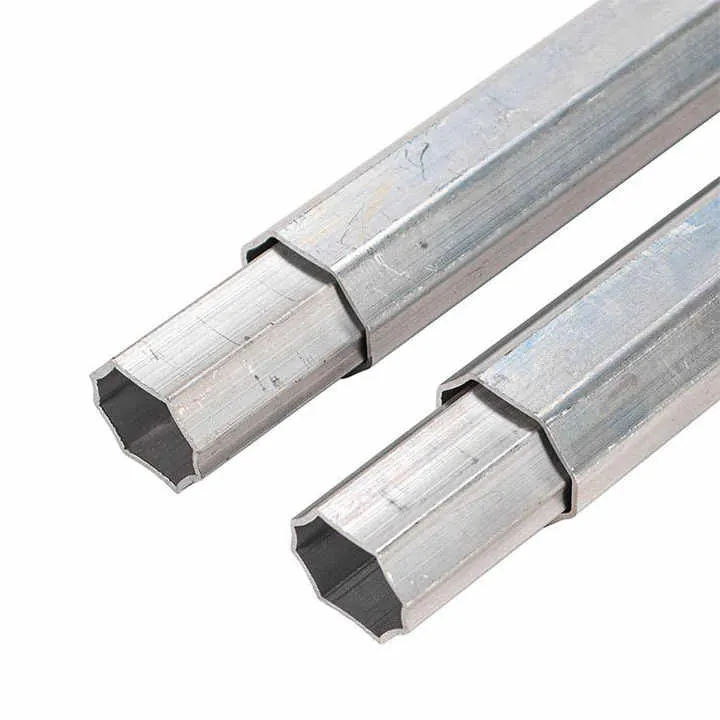
Чому стандарти мають значення
Standards reduce risk. They ensure repeatable quality across batches. They also simplify approval with shipyards, inspectors, and regulators.
Key focus areas in standards
Standards usually define alloy chemistry limits. They also set tensile strength, yield strength, and elongation. For extrusions, dimensional tolerance and straightness are critical.
Typical requirements addressed
- Alloy and temper definition
- Mechanical property limits
- Surface quality criteria
- Testing and inspection methods
Design rules influenced by standards
Profiles must avoid sharp internal corners. Wall thickness must support extrusion flow and final strength. Tolerances affect assembly fit and sealing.
Practical impact on buyers
When profiles meet recognized standards, buyers gain traceability. Certificates and test reports support audits. This matters for export and long term supply contracts.
Example comparison of design focus
| Дизайнерський аспект | Standard influence | Buyer benefit |
|---|---|---|
| Товщина стінок | Minimum limits | Structural safety |
| Прямолінійність | Max deviation | Easy installation |
| Якість поверхні | Контроль дефектів | Better corrosion behavior |
Standards do not replace engineering judgment. They provide a baseline. Marine designers still adapt profiles to load paths and exposure zones.
For marine hardware, standards act as a shared language. They align expectations between designers, extruders, and end users. This alignment reduces disputes and delays.
Marine-grade aluminum profile standards define both material properties and dimensional tolerances.Правда.
Standards typically specify alloy chemistry, mechanical strength, and acceptable dimensional variation.
Standards eliminate the need for engineering design decisions in marine extrusions.Неправда.
Standards provide a baseline, but engineers must still design profiles for specific loads and environments.
Висновок
Aluminum extrusion fits marine hardware because it balances weight, strength, and corrosion control. With the right alloy, design, and anodizing, extruded profiles deliver long service life in harsh saltwater conditions.