Дані про хімічну стійкість алюмінієвих профілів?

Хімічний вплив є прихованим ризиком у багатьох проектах. Багато покупців вважають, що алюміній завжди безпечний. Це хибне припущення часто призводить до корозії, виходу з ладу та втрат коштів.
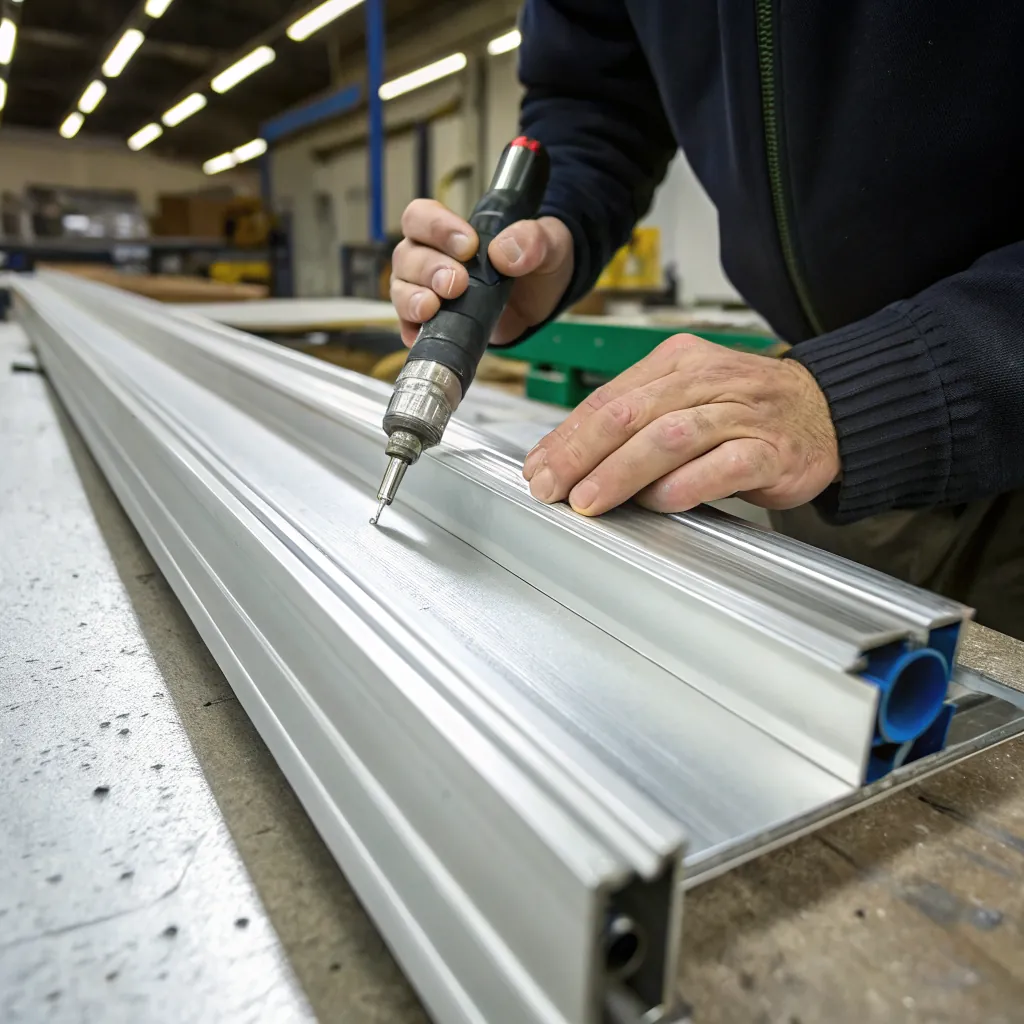
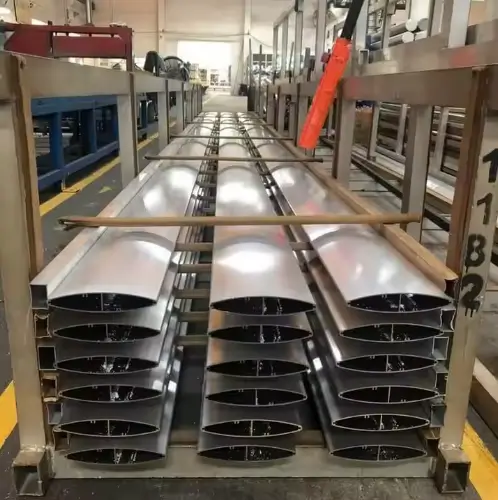
Алюмінієві екструзії мають хорошу хімічну стійкість до багатьох поширених середовищ, але рівень стійкості залежить від сплаву, стану поверхні та типу хімічної речовини.
Багато покупців запитують дані про стійкість, але мало хто знає, як їх читати. Ця стаття пояснює хімічну стійкість алюмінієвої екструзії в зрозумілих і практичних термінах, заснованих на реальному виробничому досвіді.
До яких хімічних речовин стійкі алюмінієві екструзії?
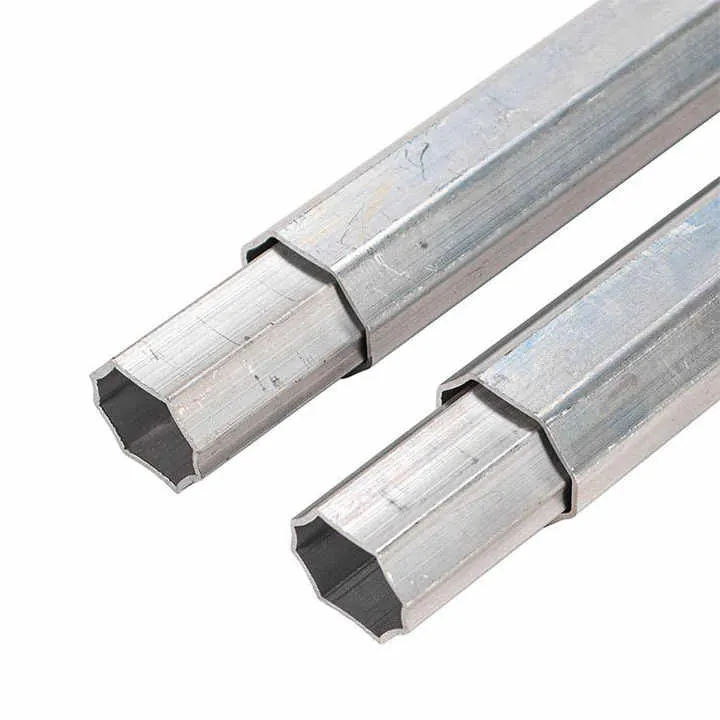
Хімічне пошкодження часто відбувається повільно. Починається зі зміни кольору. Потім з'являється піттинг. Нарешті, профіль втрачає міцність. Багатьох поломок можна було б уникнути, знаючи, яким хімічним речовинам алюміній може протистояти.
Алюмінієві екструзії стійкі до багатьох нейтральних і слабких хімічних речовин, включаючи воду, повітря, спирти і слабкі кислоти, але вони сильно реагують з сильними кислотами і лугами.
Ця стійкість забезпечується природним оксидним шаром, який утворюється на алюмінієвих поверхнях. Цей шар тонкий, але стійкий у багатьох середовищах.
Природний захист від оксидів
Коли алюміній зустрічається з повітрям, він утворює оксидну плівку. Ця плівка щільна і щільно прилягає до поверхні металу. Вона блокує доступ кисню та вологи до основного металу.
Ось чому алюміній добре підходить для використання на вулиці, в сухих приміщеннях і в м'яких промислових умовах.
Зазвичай алюміній добре протистоїть хімічним речовинам
У повсякденному та промисловому використанні алюмінієві екструзії демонструють сильну стійкість до багатьох речовин.
| Хімічний тип | Рівень опору | Типове середовище використання |
|---|---|---|
| Прісна вода | Чудово. | Системи охолодження |
| Морська вода | Добре. | Морські споруди |
| Алкоголь | Чудово. | Процеси очищення |
| Слабкі органічні кислоти | Добре. | Харчове обладнання |
| Оливи та паливо | Чудово. | Рами машин |
Ці хімічні речовини не руйнують оксидний шар швидко. У багатьох випадках алюміній може служити десятиліттями без видимих пошкоджень.
Алюміній НЕ протистоїть хімічним речовинам
Деякі хімічні речовини агресивно впливають на алюміній. Вони руйнують оксидний шар і оголюють основний метал.
| Хімічний тип | Ризик реакції | Типові пошкодження |
|---|---|---|
| Сильні кислоти | Високий | Точковість і втрата маси |
| Сильні луги | Дуже високий | Швидка поверхнева атака |
| Хлориди при високій температурі | Від середнього до високого | Місцева корозія |
| Сполуки ртуті | Екстрим | Структурна неспроможність |
Ось чому алюміній не використовується на деяких хімічних заводах без додаткового захисту.
Різниця в сплавах має значення
Не всі алюмінієві екструзії поводяться однаково. Сплави 6063 і 6061 є поширеними, але їх стійкість не ідентична.
6063 має кращу якість поверхні та корозійну стійкість. 6061 має вищу міцність, але дещо нижчу хімічну стійкість в деяких умовах.
Ця різниця стає критичною в умовах тривалого впливу.
Алюмінієві екструзії природно стійкі до впливу води, повітря та багатьох м'яких хімічних речовин завдяки стійкому оксидному шару.Правда.
Оксидний шар утворюється автоматично і захищає алюміній у багатьох поширених середовищах.
Алюмінієві екструзії можуть безпечно протистояти всім сильним кислотам і лугам без обробки поверхні.Неправда.
Сильні кислоти та луги руйнують оксидний шар і швидко впливають на алюміній.
Як покриття поверхні впливає на хімічну стійкість?
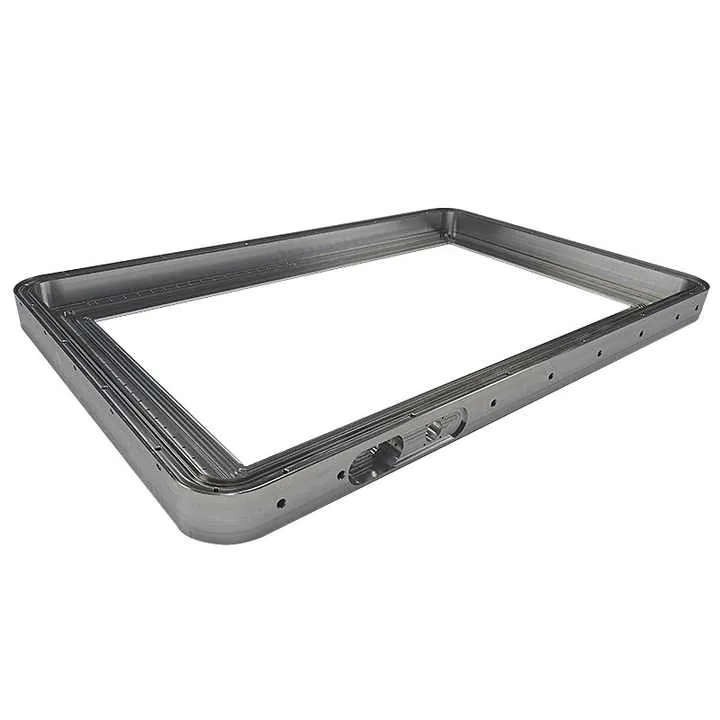
Багато покупців орієнтуються лише на марку сплаву. Це часто призводить до неправильного вибору матеріалу. Покриття поверхні так само важливе, як і основний метал.
Поверхневі покриття значно покращують хімічну стійкість, герметизуючи алюмінієву поверхню і блокуючи хімічний контакт.
Різні покриття забезпечують різні рівні захисту. Вибір залежить від типу хімічної речовини, температури та часу експозиції.
Чому покриття змінюють поведінку опору
A coating acts as a barrier. It stops chemicals from touching aluminum directly. If the coating stays intact, corrosion stops.
If the coating fails, corrosion starts fast. This is why coating quality matters more than coating thickness alone.
Common coating types for aluminum extrusions
Анодування
Anodizing thickens the oxide layer. It improves corrosion and wear resistance. It also creates a porous structure that can be sealed.
Anodized aluminum performs well in mild chemical environments. However, not all anodized layers are equal.
Порошкове фарбування
Powder coating adds a polymer layer on top of aluminum. It offers strong resistance to many acids and salts.
It also improves appearance and UV resistance. But once scratched, the exposed aluminum can corrode.
Electrophoresis coating
This coating provides uniform coverage, even in deep grooves. It offers good resistance to humidity and mild chemicals.
It is often used in architectural and automotive applications.
Coating selection based on chemical exposure
| Тип покриття | Acid resistance | Alkali resistance | Типове використання |
|---|---|---|---|
| Анодування | Середній | Низький | Архітектура |
| Порошкове фарбування | Високий | Середній | Outdoor frames |
| Електрофорез | Середній | Середній | Автомобільні запчастини |
Choosing the wrong coating leads to early failure, even with a high quality alloy.
Real production insight
In past projects, profiles with thin anodizing failed in alkaline cleaning lines. The same profiles with powder coating lasted years.
This difference came from coating choice, not alloy change.
Surface coatings reduce chemical contact and improve aluminum extrusion resistance.Правда.
Coatings act as barriers that prevent chemicals from reaching the aluminum surface.
All surface coatings provide the same level of chemical resistance.Неправда.
Different coatings protect against different chemicals and exposure conditions.
Can anodized surfaces resist harsh chemicals?
Anodizing is often misunderstood. Many buyers believe anodized aluminum is chemical proof. This belief causes costly mistakes.
Anodized surfaces resist mild chemicals well, but they cannot withstand long exposure to strong acids or alkalis.
Understanding anodizing limits is critical in chemical environments.
How anodizing actually works
Anodizing converts the surface into aluminum oxide. This oxide layer is thicker than the natural oxide.
The layer has pores. These pores can absorb dyes or sealing agents.
Sealing improves resistance but does not make aluminum immune.
Performance in different chemicals
Anodized aluminum performs well in:
- Neutral water
- Atmospheric exposure
- Mild detergents
- Слабкі органічні кислоти
It performs poorly in:
- Sodium hydroxide solutions
- Hydrochloric acid
- Sulfuric acid at high concentration
These chemicals dissolve the oxide layer over time.
Effect of anodizing thickness
Thicker anodizing improves resistance. But the improvement is limited.
| Товщина анодування | Chemical resistance level |
|---|---|
| 5-10 мікрон | Базовий |
| 10-15 microns | Середній |
| 20-25 microns | Higher but limited |
Even thick anodizing will fail in strong alkaline tanks.
Sealed vs unsealed anodizing
Sealing closes surface pores. This reduces chemical penetration.
Unsealed anodizing absorbs liquids easily. This leads to faster corrosion.
Many failures happen because anodizing was not sealed properly.
Практичні поради від виробництва
For chemical plants, anodizing alone is rarely enough. A secondary coating or material change is safer.
Anodizing works best for architectural and light industrial use.
Anodized aluminum resists mild chemicals but fails under strong acids or alkalis.Правда.
Strong chemicals dissolve the anodized oxide layer over time.
Increasing anodizing thickness makes aluminum fully resistant to harsh chemicals.Неправда.
Thickness improves resistance but cannot stop attack from strong chemicals.
Which test standards measure resistance data?

Chemical resistance claims mean little without test data. Many buyers receive reports but do not know what they show.
Chemical resistance data is measured using standardized corrosion and exposure tests defined by international standards.
These standards help compare materials under controlled conditions.
Чому стандарти мають значення
Without standards, results cannot be compared. Test conditions change outcomes.
Standards define chemical type, concentration, temperature, and exposure time.
Common test standards for aluminum extrusions
Стандарти ASTM
ASTM provides widely used corrosion test methods.
ASTM B117 is a salt spray test. It shows resistance to chloride environments.
ASTM G31 measures immersion corrosion in liquids.
Стандарти ISO
ISO standards focus on uniform testing methods.
ISO 9227 is similar to salt spray testing.
ISO 11846 tests resistance to chemicals used in industrial cleaning.
Стандарти EN
EN standards are often used in Europe.
They focus on architectural aluminum and surface treatment quality.
What test data really tells you
Test results show relative performance. They do not predict exact service life.
A profile that passes 1000 hours of salt spray does not last forever in real use.
How to read test reports correctly
Buyers should focus on:
- Chemical type used
- Concentration level
- Температура
- Exposure duration
- Визначення несправності
Ignoring these details leads to wrong conclusions.
Real buyer mistake example
A buyer once approved anodized profiles based only on salt spray data. The real environment was alkaline cleaning.
The profiles failed in months because the test did not match reality.
Standardized tests allow comparison of aluminum chemical resistance under controlled conditions.Правда.
Standards define test conditions and evaluation methods.
Passing a salt spray test guarantees aluminum extrusion survival in all chemical environments.Неправда.
Salt spray tests only represent chloride exposure, not all chemicals.
Висновок
Aluminum extrusion chemical resistance depends on alloy, surface treatment, and real exposure conditions. Understanding limits, choosing the right coating, and reading test data correctly prevents costly failures and improves long term performance.