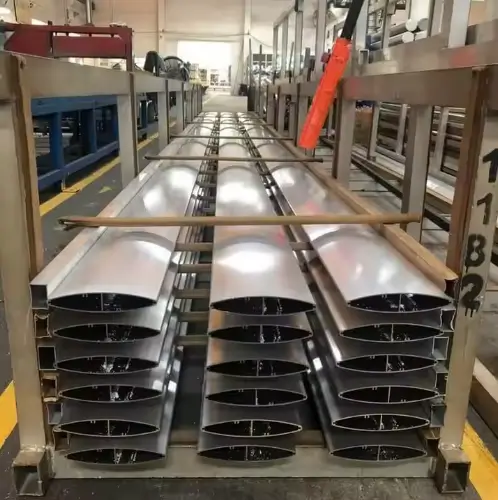
Рівень автоматизації екструзії алюмінію на заводах?
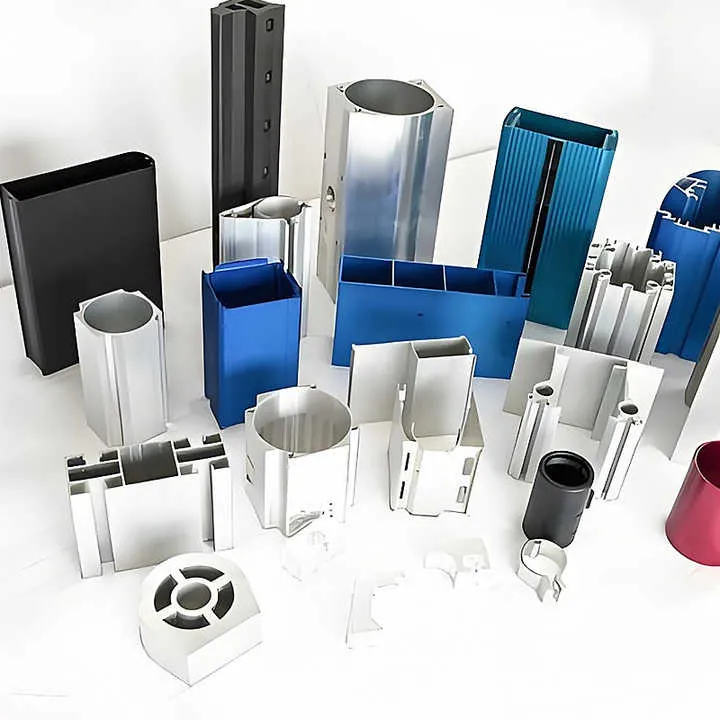
Modern aluminum extrusion plants face pressure to boost output and cut costs. Many teams ask if automation is the answer and where it matters most. The problem feels urgent when orders grow faster than workforce capacity.
I will answer how automated aluminum extrusion factories have become and why this matters for quality and cost. This helps engineers and managers see real value in smart systems.
Read on to explore how automation changes jobs, quality, and the cost of making aluminum profiles.
How automated are modern aluminum extrusion plants?
Automation in aluminum extrusion is real and growing fast in many factories. Some lines are fully controlled by software, machines talk to each other, and operators monitor screens, not push buttons. Others still use manual tasks for handling and minor steps.
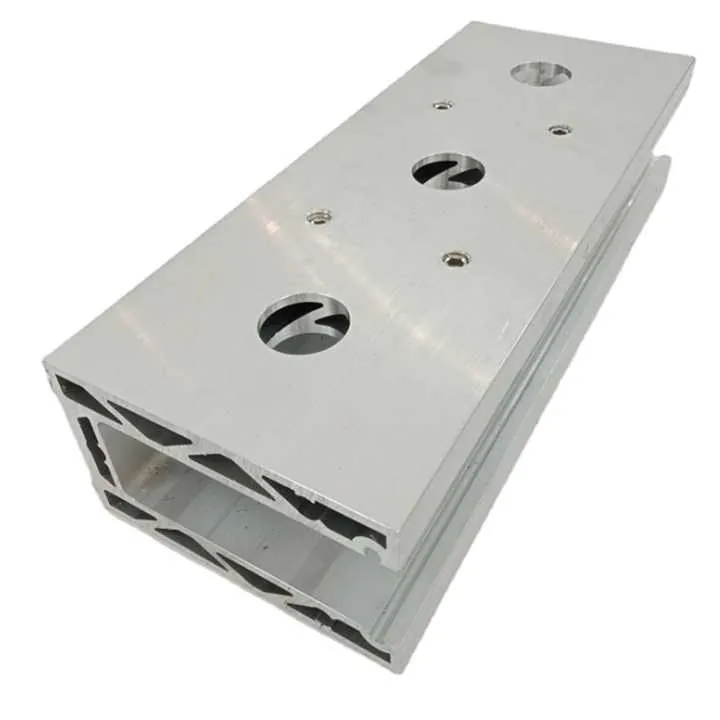
In many modern plants, automation covers core tasks like feeding billets, pressing metal, cooling profiles, trimming, and stacking. Control systems manage temperatures, pressures, and timing to keep quality stable. Teams reduce errors and free workers to work on higher value tasks.
This change did not happen overnight. In the past, presses and finishing lines relied on human skill for setup and monitoring. Today, digital controls, sensors, and robotics handle repetitive work and improve uptime. At the same time, workers need better training to support automated systems.
Many factories still vary in how much they automate. Big plants serving automotive or aerospace often use advanced systems to hit strict quality targets and tight delivery windows. Small or local shops may automate only key steps and leave trimming, inspection, or packaging to workers. The choice depends on budget, product mix, and labor skills.
What tasks see the most automation?
Below is an example view of automation across a typical extrusion line:
| Завдання | Common Automation Level | Примітки |
|---|---|---|
| Billet handling | Високий | Robots or conveyors feed presses |
| Press control | Дуже високий | PLC and SCADA systems manage core parameters |
| Cooling run | Від середнього до високого | Conveyors and sensors control water or air cool |
| Trimming and cutting | Високий | CNC and servo systems cut to tolerance |
| Інспекція | Середній | Camera and gauge check basic geometry |
| Packing and stacking | Середній | Robots handle heavy parts, workers adjust |
Why do plants automate these tasks?
Press operations and billet feeding are repetitive and must be precise. Machines handle these well. Trimming and cutting involve high force and accuracy. Automation here improves safety and repeatability. Inspection, though growing, still needs human oversight for complex shape checks.
How do teams measure automation success?
Factories use metrics like cycle time, scrap rate, and energy usage. When systems cut scrap or keep tighter tolerances, managers see direct returns. High automation often means better data, so teams can find problems faster.
What limits automation?
Some limits remain. Unique custom profiles may need manual handling. Small plants may lack budget for robots and controls. Also, workers must be trained to support advanced systems. Without training, automation can fail to deliver expected gains.
Modern aluminum extrusion plants are fully automated with no human involvementНеправда.
Even advanced plants still require human oversight and intervention for certain tasks.
Automation in extrusion mainly handles repetitive or dangerous jobsПравда.
Automation is widely used for feeding, cutting, and controlling presses to improve safety and quality.
Which processes are most commonly automated?
Many factories focus automation on steps that directly affect quality and throughput. Tasks with high repetition or risk get attention first. These include billet handling, press setup, trimming, and some inspection steps. Some plants also automate packaging and stacking to reduce worker fatigue and injury risk.

When we look deeper, automation falls into groups. Core machine controls keep temperature and pressure inside tight windows. These systems use PLCs and real time feedback. Conveyors and robots help move heavy pieces between workstations. CNC systems trim and cut profiles to exact length and shape. Optical and laser systems check shape and detect defects.
Other tasks still see limited automation. For example, detailed visual inspection often needs a trained eye. Packaging and sorting can be automated, but workers still adjust fragile or varied parts.
Automation and quality control
Quality in extrusion depends on consistent heat, pressure, and speed. Automated systems keep these stable. They record data that help engineers spot drift before defects appear.
What technologies enable automation?
Below is a simple table showing key tech and its role:
| Технологія | Role in Automation |
|---|---|
| PLC (Programmable Logic) | Core process control |
| SCADA | Plant wide data visualization and control |
| Робототехніка | Material handling and heavy tasks |
| CNC systems | Точне різання та формування |
| Machine vision | Inspection and defect detection |
How does automation vary by factory size?
Large plants often have full lines with integrated controls and robots. Mid size plants automate press control and trimming but may use manual packaging. Small shops may automate only core press control and trimming. The difference comes down to cost and volume.
What skills do workers need?
As automation grows, operators need digital skills. They must read system diagnostics, adjust programs, and maintain sensors. This shifts jobs from manual tasks to technical support and quality management.
What challenges arise?
Automation requires reliable data communication. If sensors fail or networks break, machines stop. Cybersecurity becomes a concern because digital systems connect more broadly. Teams must invest in stable networks and backups.
How do managers plan upgrades?
Managers assess bottlenecks. They start with steps that cost the most in time or scrap. Then they add automation gradually. This staged approach helps teams learn and adapt without major risk.
Inspection tasks in extrusion are rarely automatedНеправда.
Inspection is increasingly automated using machine vision and laser systems, though complex checks may still need humans.
Robotics commonly handle heavy material movement in extrusion linesПравда.
Robots are used to move heavy billets and finished profiles to reduce strain and improve flow.
Does automation reduce labor costs significantly?
Automation usually cuts labor costs, but the story is more nuanced. Yes, systems reduce the number of people needed on the line. But costs shift to support roles like maintenance, programming, and data analysis. Automation often improves throughput and lowers scrap, which adds value beyond simple labor savings.
When managers calculate return on investment, they consider reduced direct labor, lower scrap rates, and higher uptime. In many plants, automation pays back within a few years. However, initial costs can be high for robots, control systems, and software.
Labor cost savings vs total cost
A simple view might show direct labor falling. But total cost includes new roles:
| Cost Category | Impact of Automation |
|---|---|
| Direct production labor | Зниження |
| Supervision overhead | Зниження |
| Maintenance labor | Збільшення |
| Технічна підтримка | Збільшення |
| Training programs | Збільшення |
Why do costs shift?
Automation cuts repetitive tasks. Workers once tied to pushing buttons now watch screens. Some workers move to tasks like quality review or maintenance. This shift raises the average skill level of the workforce.
Does automation cut costs equally everywhere?
No. Plants with stable product lines see bigger gains. Custom shops with many profile changes may still need workers for setup and changeover. High variation lowers the benefit of automation because systems must change often.
How do managers measure savings?
Teams track labor hours per ton of output. They also watch overtime and error costs. When automation stabilizes output and cuts scrap, labor cost per unit falls. But teams must watch hidden costs like downtime when machines break.
What about training costs?
Training is essential. Workers must learn new tools. This adds cost up front but pays back when workers solve issues faster.
What risks affect costs?
Breakdowns can raise cost if support skills are scarce. Also, if automation is too rigid, it can slow response to custom orders. Successful factories strike balance between automation and flexibility.
Automation always reduces total manufacturing cost immediatelyНеправда.
While automation often reduces direct labor, it adds costs in maintenance, training, and technical support.
Automation can lower labor cost per unit when output risesПравда.
Higher output and lower scrap help decrease labor cost per unit over time.
Can robotics improve extrusion quality consistency?
Yes, robotics play a significant role in quality consistency. Robots handle tasks with precision and repeatability that humans find hard to match over long shifts. This includes moving hot parts, trimming, and stacking finished profiles.
Quality in extrusion needs tight control. Variation in billet position, trimming, or timing can lead to defects. Robots work the same way every cycle. This means fewer mistakes and more uniform parts.
What quality steps benefit most from robotics?
Robots help where precision and force matter:
- Handling hot profiles without distortion
- Feeding profiles to inspection stations
- Loading and unloading CNC trimmers
- Sorting parts by length or feature
How do robots improve consistency?
Robots follow exact paths and speeds. They do not tire or rush. Over 8 hour shifts, a robot can make the same moves thousands of times with no change in performance. This helps keep product dimensions within tolerance.
What about inspection tasks?
Robot arms can position parts for machine vision checks. This improves line balance and catches defects earlier. Some robots even handle probes or sensors to measure geometry.
Integration with data systems
Modern lines link robots to data systems. Each cycle logs performance. Engineers review this data to find trends before quality slips. This proactive approach is rare in manual lines.
Training and support
Keeping robots tuned needs skill. Teams must train workers to program paths and diagnose issues. This adds cost, but the tradeoff is fewer defects and less rework.
Risks and limitations
Robots need stable fixtures and good programming. If fixtures shift or parts vary too much, robots can misplace items. Also, robots work best with standard repeat tasks. Custom shapes or small batches may still need human flexibility.
Future trends
Robots will use more AI and vision to adapt on the fly. This means even more consistency and fewer stops for reprogramming when shapes change.
Robotics cannot affect product quality in extrusionНеправда.
Robotics clearly improve repeatability and reduce human error, leading to better quality.
Robotics improve consistency by repeating tasks exactly the same wayПравда.
Robots provide the same motion and timing every cycle, improving uniformity.
Висновок
Automation in aluminum extrusion has grown fast. Plants automate core processes and use robots to improve quality and cut costs. Benefits show in higher output and fewer errors, though costs shift to technical support and training.